Sopelana And The Surf Beaches West Of Bilbao
Sopelana is the closest proper surf beach to Bilbao, a short Metro ride west of the city on the Bizkaia coast, and this guide covers how to reach it, when the Atlantic swell is at its best, and what a day there should cost.
Short answer
Sopelana is a coastal town west of Bilbao in Biscay (Bizkaia), Basque Country, northern Spain, reachable on the Bilbao Metro network with a Barik card fare of EUR1.19 in Zone 2. Its long sandy beaches face the open Bay of Biscay, so the surf season runs strongest from autumn through spring, with July and August the warmest but flattest months.
Bilbao sits on the tidal Nervion estuary about 15 km from the open Bay of Biscay, and the moment you want sand, salt and surf, the coast west of the city is where locals head. Sopelana is the first of the big sandy beaches along that stretch, a working Basque surf town rather than a resort, with three beaches, board-rental shacks on the sand and a crowd that changes with the swell forecast. This guide, from the Bilbao Travel Guide editorial desk, covers how to get there from the city, what the beaches are actually like, when the surf works, and how Sopelana compares with the other surf spots of Bizkaia such as Mundaka and Bakio.
Where Is Sopelana And How Do You Get There From Bilbao?
Sopelana (Sopela in Basque) is a coastal town directly west of Bilbao on the Bizkaia coast in the Basque Country, northern Spain, and the practical way to reach it is on the Bilbao Metro network, where the CTB Barik fares page gives a Zone 2 Creditrans fare of EUR1.19 per ride, or EUR2.20 as a single ticket without a Barik card. The metro's Line 1 runs from central Bilbao out to the coast, and Sopelana has its own stations a short walk above the beaches. A Barik card itself is commonly reported to cost EUR3 to buy, non-refundable, though that purchase price comes from a secondary source rather than an official CTB page.
The journey is a genuine commute, not an expedition. Locals carry boards on the metro in the morning and the carriage smells of wax by the time the train surfaces near the coast. Because the fare structure is zonal, the CTB Barik fares page is the authority on what you pay: Zone 2 Creditrans at EUR1.19, or EUR2.20 for a single without the card. If you plan several trips, the Bilbao Bizkaia Card offers unlimited transport at EUR10 for 24 hours or EUR15 for 48 hours, which the card's own site lists alongside attraction discounts.
Driving is the other option, and the coastal road threads Sopelana together with its neighbours. Parking near the sand fills early on summer weekends and on good swell days in autumn, when surfers arrive before work. Whatever you choose, this is a half-day or full-day trip, not an overnight commitment, and it pairs naturally with the neighbouring beaches covered in our Sopelana beach guide.
| Option | Fare (verified source) | Notes |
|---|---|---|
| Metro with Barik Creditrans, Zone 2 | EUR1.19 | CTB Barik fares page |
| Metro single, no Barik, Zone 2 | EUR2.20 | CTB fares page, 2h validity |
| Barik card purchase | EUR3 (commonly reported) | Non-refundable, weaker source |
| Bilbao Bizkaia Card 24h | EUR10 | Unlimited transport, official card site |
| Bilbao Bizkaia Card 48h | EUR15 | Unlimited transport, official card site |
What Are Sopelana's Beaches Actually Like?
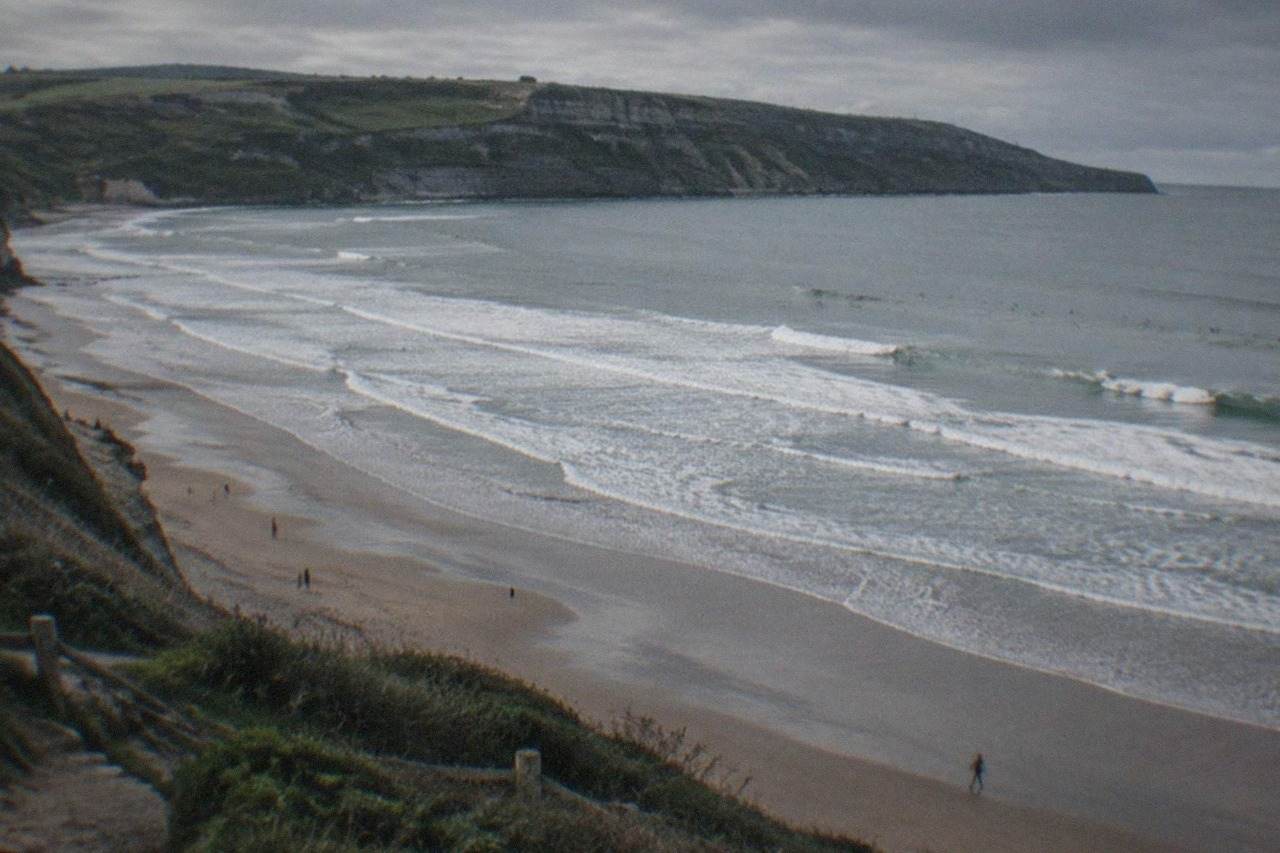
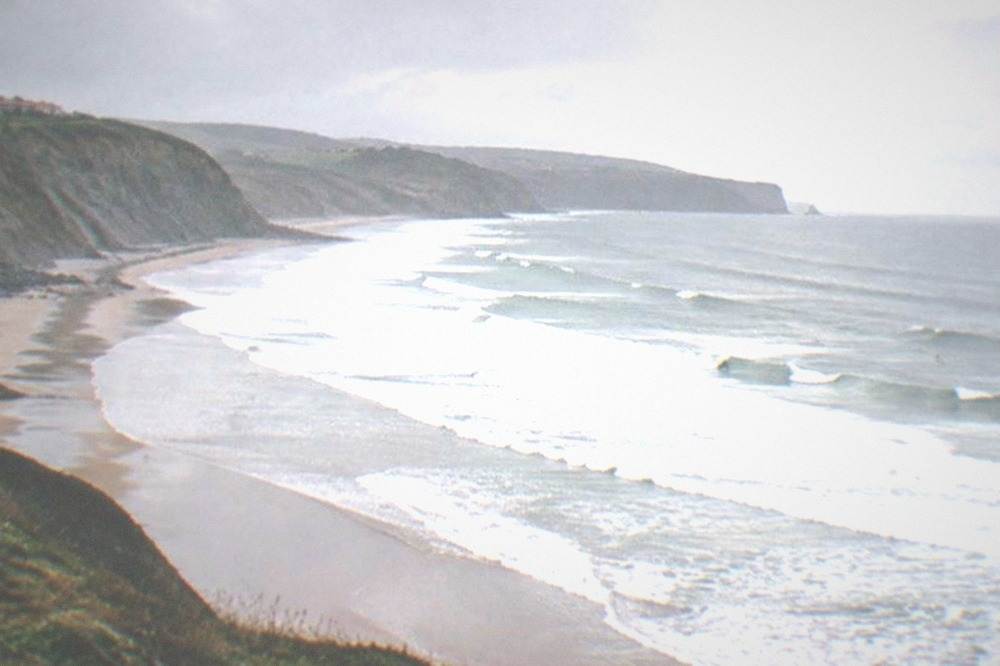
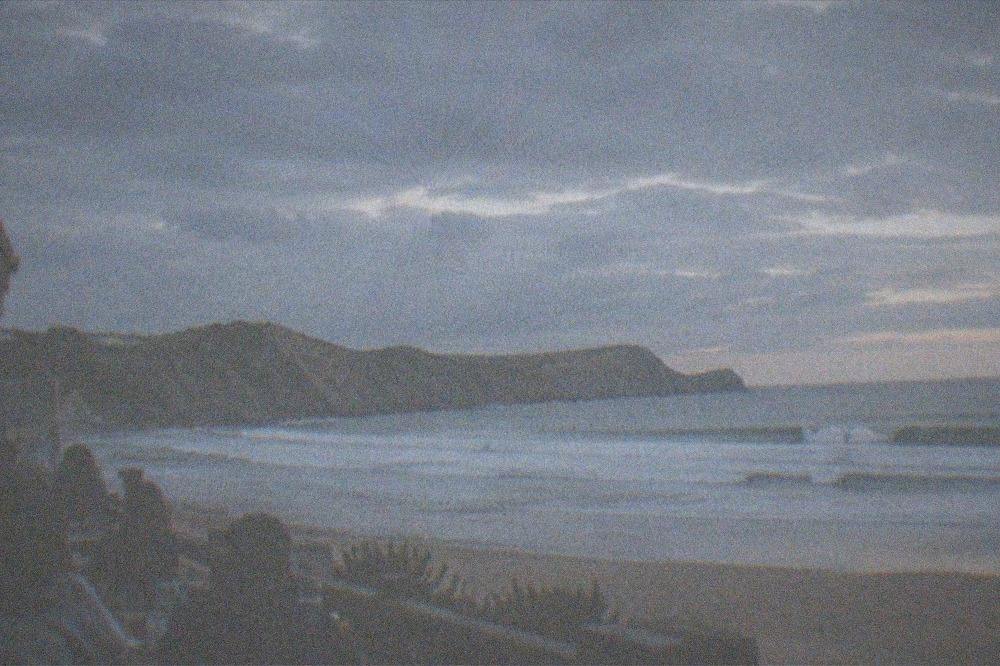
Sopelana's beaches are long, wide stretches of dark golden sand backed by low cliffs and open directly onto the Atlantic, with three named sections, Arrietara, Atxabiribil and Barinatxe (La Salvaje), each holding a different corner of the swell and a slightly different crowd, from beginner surf schools to locals who surf year-round in 5 mm wetsuits. The sand is broad enough that even busy summer days feel uncrowded ten minutes' walk from the main access points. The setting is green Basque cliff country, not a built-up resort strip.
Arrietara is the most sheltered and the busiest, the section where the surf schools set up and where the metro crowds land. Atxabiribil sits in the middle, quieter, with its own break that shifts with the tide. Barinatxe, known to everyone as La Salvaje, is the most exposed and the one experienced surfers watch when the forecast jumps, because it takes the full force of a Bay of Biscay swell. The cliffs behind it are some of the most photographed coastline in Bizkaia.
Facilities are deliberately minimal. You will find board rental and lessons on the sand in season, a handful of chiringuito-style beach bars, showers at the main accesses, and not much else, which is exactly the point. Compare this with the more genteel promenade scene at Getxo, where the beaches share the coast with the UNESCO-listed Vizcaya Bridge, and you will see why surfers pick Sopelana.
When Is The Best Time Of Year To Surf At Sopelana?
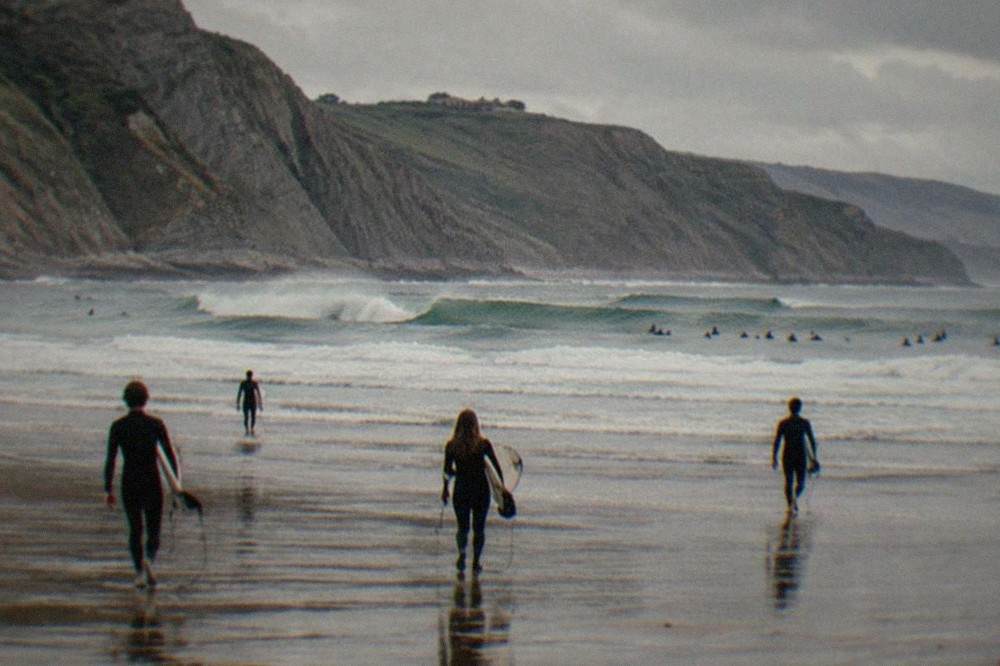
The best surf at Sopelana runs from autumn through spring, roughly October to April, when Atlantic storms push consistent swell into the Bay of Biscay, while July and August bring the warmest weather but the smallest waves, with AEMET's Bilbao Aeropuerto/Loiu station (1082) normals showing August as the warmest month at a 20.9 C mean and July the driest at 50 mm of rain. The trade-off is simple: winter has the waves but the sea is cold, summer has the beach weather but the surf goes flat for weeks.
Bilbao's climate is temperate oceanic, Atlantic-influenced, and the rain is part of the deal. AEMET's 1981-2010 normals for station 1082 give 1,134 mm of precipitation a year, with November the wettest month at 147 mm and spring months like April at 107 mm. Surfers read that table as a swell calendar: the wet months are the months with energy in the ocean. Water temperature follows the same curve, cold in January, at its mildest by late August, and a proper wetsuit is standard equipment every month of the year on this coast.
For a combined beach-and-surf trip, September and early October are the sweet spot. The sea has kept some summer warmth, the first autumn swells arrive, and the crowds have thinned. If you are planning around the whole region rather than just the surf, our Bilbao weather guide breaks the seasons down month by month.
| Month | Mean temp (C) | Rain (mm) | What it means for surf |
|---|---|---|---|
| January | 9.3 | 120 | Strong winter swell, cold water |
| March | 11.5 | 90 | Solid spring surf, thinning crowds |
| July | 20.4 | 50 | Warmest, driest, often flat |
| August | 20.9 | 76 | Peak beach weather, small surf |
| September | 19.2 | 73 | Warm water, first autumn swells |
| November | 12.4 | 147 | Wettest month, powerful storms |
Where Do Beginners Learn To Surf Near Bilbao?
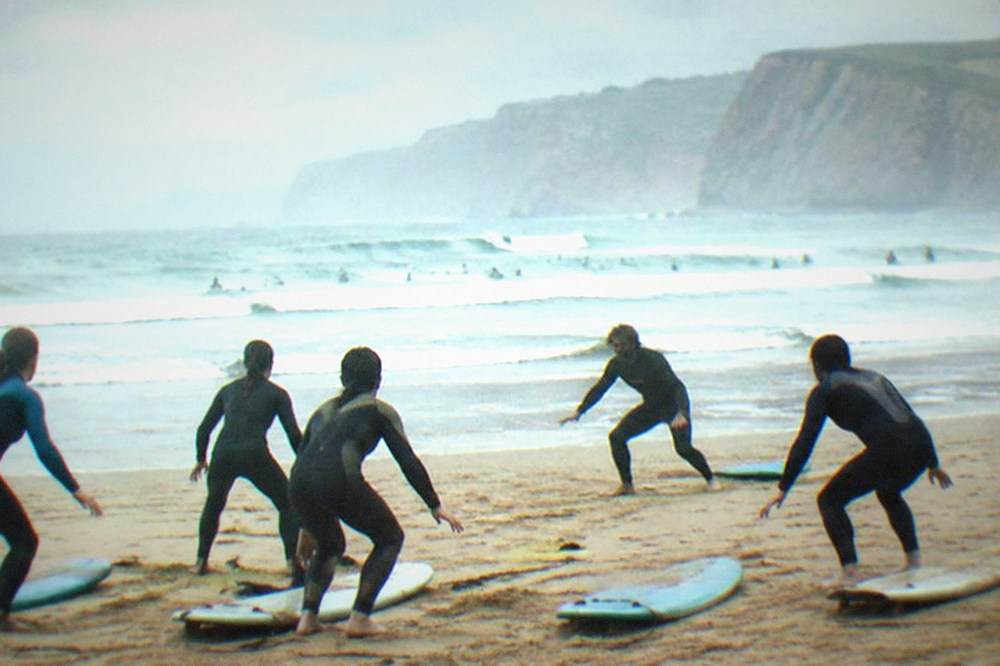
Sopelana is where most Bilbao locals first stand on a board, because its main beach, Arrietara, offers a gentle, forgiving beach break with surf schools and board rental operating on the sand through the warmer months, and its proximity to the city means a two-hour Metro ride-and-lesson combination is realistic on a weekday afternoon. The beach break shifts with sandbanks and tide, which is exactly what a learner wants: waves that crumble rather than close out, and a sandy bottom with no rocks to worry about.
Lessons and rentals are run by independent schools based around the beach accesses, and prices are set by each operator on the day, so check at the shack rather than assuming a fixed rate. What the pack can tell you is the shape of the offer: group beginner lessons, private coaching, and board-plus-wetsuit rental by the hour or half-day. Book ahead in July and August, when the schools run at capacity, and go midweek if you can.
If you catch the bug, the next step on this coast is reading the other breaks. Mundaka, east along the Urdaibai estuary, is the most famous wave in the Basque Country and one of the best river-mouth waves in Europe, but it is a spot for experienced surfers, not learners. Closer to hand, Bakio offers another sandy beach break with a more local, low-key feel, and it sits on the road toward Gaztelugatxe.
What Else Is There To Do In Sopelana Besides Surfing?
Sopelana rewards non-surfers with clifftop walking trails that link its three beaches along the coast, a small but genuine Basque food scene of pintxo bars and cider houses inland from the sand, and a naturist section at Barinatxe that has made the beach a fixture of Basque coastal culture, all reachable without a car once you are off the metro. The cliff path between Arrietara and La Salvaje is the single best hour of walking on this stretch of coast, with the Atlantic on one side and green farmland on the other.
The town itself, a short walk uphill from the beaches, is residential and unglamorous, in the best sense. Bars serve the Basque standards, and the pricing context from current guides puts typical pintxos at around EUR2-5 each in traditional bars, with drinks such as txakoli or a small beer typically EUR2-3.50, though every bar sets its own prices so treat those as planning ranges and check the board. For a deeper dive into the city's food culture before or after the coast, our best pintxos in Bilbao guide covers the bars worth queuing for.
Two practical notes. First, the beaches are exposed, so bring wind protection even on sunny days. Second, the coastal walk connects westward toward Plentzia, whose sheltered bay is the calm-water alternative when the Atlantic is showing its teeth, a useful escape valve for families with small children.
How Does Sopelana Compare With Other Basque Surf Spots?
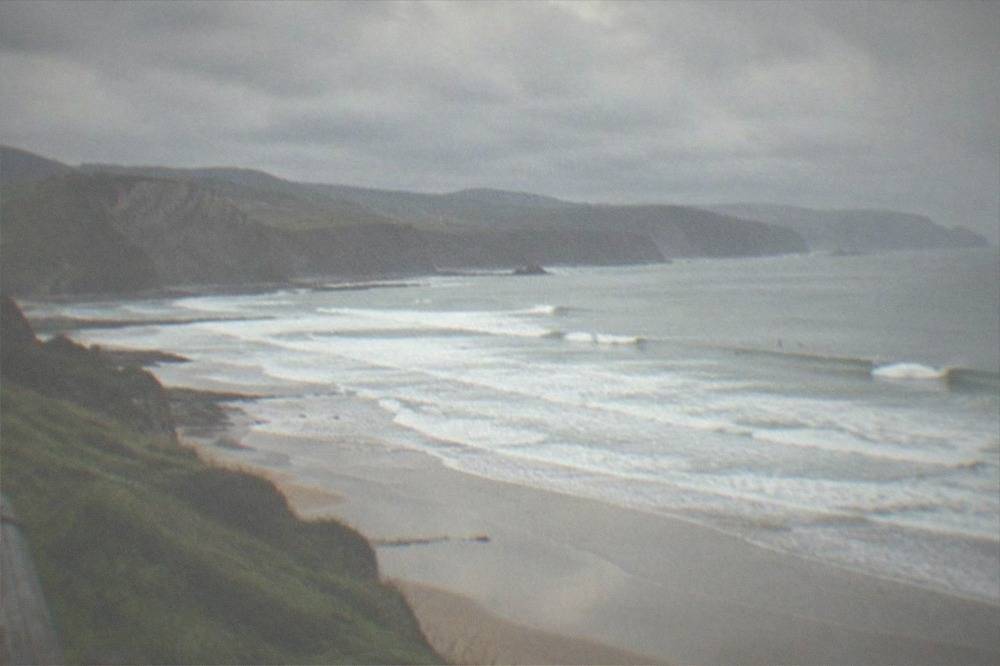
Sopelana is the convenience choice among Bizkaia's surf beaches: closer to Bilbao than Mundaka or Bakio, more beginner-friendly than Mundaka's famous river-mouth wave, sandier and less developed than Getxo's promenade beaches, and bigger and more exposed than the sheltered bay at Plentzia, which makes it the default answer for a half-day trip but not the final word on Basque surfing. Each spot on this coast has a distinct role, and locals move between them according to the forecast.
Mundaka is the prestige name. Its left-hand river-mouth wave breaks over the Urdaibai estuary and draws an international crowd when it works, but it demands experience and its mood depends on tide and sand movement. Bakio, on the north-facing coast toward Gaztelugatxe, is a friendlier beach break in a handsome setting below the hills. Getxo, reachable in under half an hour on the same metro logic, trades raw surf for elegance: promenades, the transporter bridge at Portugalete, and beaches that suit swimming over surfing.
For completeness, the Basque coast does not end at Bizkaia. Serious surf trips continue east to San Sebastián or west into France toward Biarritz and Saint-Jean-de-Luz, both of which are doable as organised days out, and our San Sebastian day trip guide covers the eastern option in detail.
| Spot | Character | Best for | Catch |
|---|---|---|---|
| Sopelana | Open sandy beach break | Learners and quick city escapes | Exposed to wind |
| Mundaka | River-mouth left | Experienced surfers | Needs tide and sand to align |
| Bakio | Beach break, small town | A quieter surf day | Fewer facilities |
| Getxo | Promenade beaches | Swimming, the Vizcaya Bridge | Not a surf spot |
| Plentzia | Sheltered bay | Families, calm water | Flat for surfers |
What Should A Day Trip To Sopelana Cost?
A day trip to Sopelana from Bilbao costs very little at its core, roughly EUR2.40 return on the Metro with a Barik card at the CTB's Zone 2 Creditrans fare of EUR1.19 each way, or EUR4.40 return on single tickets without a card, with the real variables being board and wetsuit rental, set by each beach operator on the day, and food, where planning ranges from current guides put a pintxo-and-drink crawl at around EUR25-45 per person in the Basque Country. Transport is the cheapest line item on the whole page.
The fare table is worth internalising because it applies across the region. The CTB Barik fares page gives Metro Creditrans fares of EUR1.02 in Zone 1, EUR1.19 in Zone 2 and EUR1.30 in Zone 3, with occasional singles without a card at EUR2.00, EUR2.20 and EUR2.25 respectively, valid for two hours. Bilbobus runs at EUR1.70 single, or an effective fare near EUR0.44 with Barik after discount. If your Sopelana day is part of a packed itinerary, the Bilbao Bizkaia Card at EUR10 for 24 hours can undercut individual tickets once you add museum trips on top.
One forward-looking note for anyone booking accommodation for 2027: no tourist tax applies anywhere in Bizkaia in 2026, but the regional tax under Norma Foral 3/2026 takes effect on 1 January 2027, with Bilbao's approved municipal rates running from EUR1 per night in pensions up to EUR5 in five-star hotels and EUR6.50 for tourist apartments. A 2026 visit pays nothing extra; a 2027 one should budget a few euros per night. Reservations made before early February 2026 are generally reported as exempt.
| Line item | Planning figure | Source basis |
|---|---|---|
| Metro return with Barik | EUR2.38 | CTB Zone 2 Creditrans, EUR1.19 each way |
| Metro return, single tickets | EUR4.40 | CTB occasional fare, EUR2.20 each way |
| Pintxos and drinks, per person | EUR25-45 for a crawl | Current guide planning ranges |
| Tourist tax, 2026 stays | EUR0 | Tax starts 1 January 2027 |
| Tourist tax, 2027 stays | EUR1-6.50 per night | Bilbao's approved municipal rates |
Can You Combine Sopelana With Other Stops On One Coast Day?
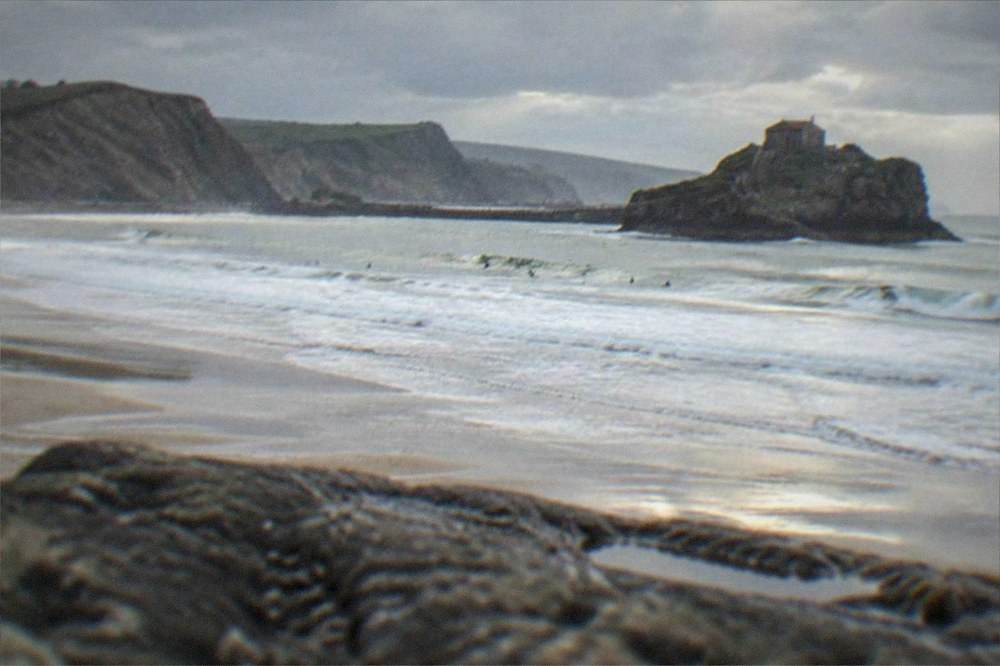
Yes, and you should: Sopelana pairs naturally with Plentzia's sheltered bay to the west along the clifftop path, with Bakio and the San Juan de Gaztelugatxe hermitage to the northeast for the single most dramatic coastline in Bizkaia, or with Getxo and the UNESCO-listed Vizcaya Bridge to the east, and all of these sit on the same coastal corridor within easy reach of the Bilbao Metro and Bizkaibus network. One well-planned day can take in surf in the morning and a world-heritage monument in the afternoon.
The classic combination is Sopelana plus Gaztelugatxe. Walk the beach and cliffs in the morning while the tide suits you, then travel on toward Bakio and the islet, where a free timed reservation is required only on official controlled-access days, roughly mid-June to about 20 September plus Easter and holiday weekends per the yearly calendar, and entry is free without a reservation on all other days. The daily visitor cap on controlled days is 1,462, booking is always free via tiketa.eus, and reservations allow up to 10 people. Our Gaztelugatxe guide covers the calendar and the steps in full.
The gentler combination is Sopelana plus Getxo: surf or walk in the morning, then metro along the coast to the old beachfront mansions and the Vizcaya Bridge, whose gondola crossing costs EUR0.60 one-way for pedestrians in daytime hours, with the walkway ticket reported at EUR11 adult round-trip, a figure from a single source so treat it as indicative. Either way, end the day back in the city, where the full rundown of options lives on our things to do in Bilbao page.
What Should You Pack For A Sopelana Beach Day?
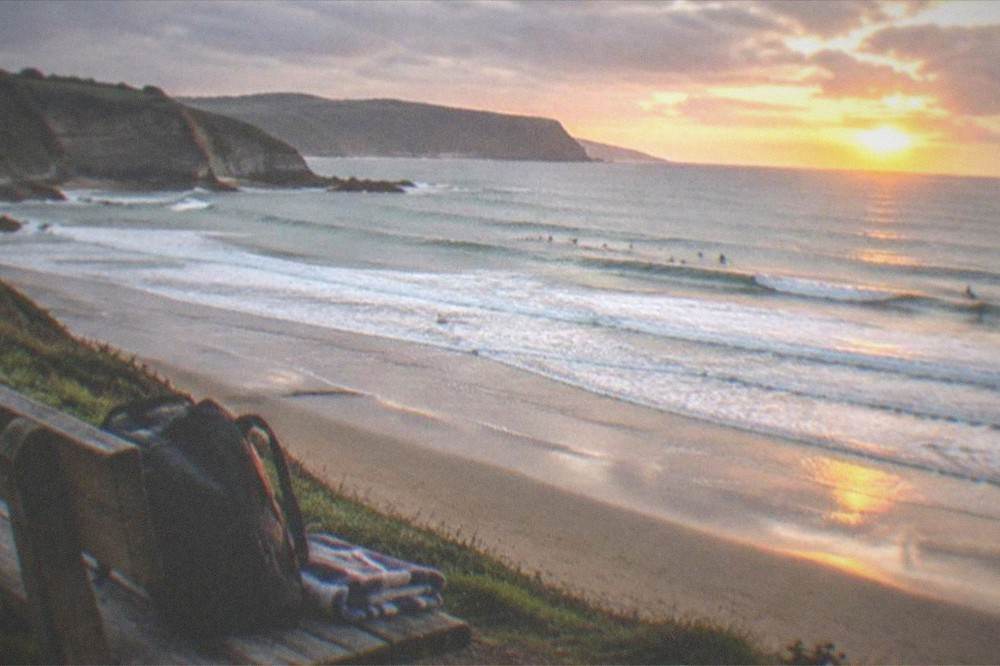
Pack for Atlantic conditions, not Mediterranean ones: a wetsuit if you plan to swim or surf outside high summer, wind protection for the exposed beaches, layers for a climate that AEMET's station 1082 normals put at a 14.7 C annual mean with 1,134 mm of rain a year, and solid footwear for the clifftop paths, plus a Barik card or a Bilbao Bizkaia Card so you are not buying single metro tickets at EUR2.20 a ride. The Basque coast is beautiful precisely because it is not reliably warm.
The wetsuit point deserves emphasis. Even in August, with a 20.9 C mean air temperature, the Atlantic here is brisk by Mediterranean standards, and local surfers wear neoprene year-round. Board and wetsuit rental on the beach solves this if you are travelling light, but check availability outside the July-August peak, when some seasonal operators thin their hours. Rain is the other constant: even the driest months, July at 50 mm, are not dry in absolute terms.
For a full packing approach to the whole city, including what to wear for the estuary-side urban core as well as the coast, our Bilbao packing guide goes into detail. The short version for Sopelana: towel, layers, water, windproof, and a plan for the metro home that does not involve sitting on a wet seat.
| Item | Why | Season note |
|---|---|---|
| Wetsuit (or rental) | Atlantic water is cool year-round | Essential Oct-May |
| Windproof layer | Beaches are fully exposed | All seasons |
| Solid footwear | Cliff paths between beaches | All seasons |
| Barik card | EUR1.19 Zone 2 rides vs EUR2.20 singles | All seasons |
| Rain shell | 1,134 mm of annual rain, even July sees 50 mm | All seasons |
Common Questions About Sopelana And The Surf Beaches West Of Bilbao
Where Is Sopelana And The Surf Beaches West Of Bilbao?
Sopelana is a coastal town directly west of Bilbao in Biscay (Bizkaia), Basque Country, northern Spain, facing the open Bay of Biscay. It is reachable on the Bilbao Metro network, with the CTB Barik fares page giving a Zone 2 Creditrans fare of EUR1.19 per ride.
Can You Surf In Bilbao Itself?
The city sits on the tidal Nervion estuary about 15 km from the open sea, so surfing happens on the coast rather than in the city. Sopelana is the closest of the proper surf beaches, with sandy beach breaks suited to learners and quick day trips.
When Is The Best Time Of Year To Surf At Sopelana?
Autumn through spring, roughly October to April, brings the most consistent Atlantic swell. July and August are the warmest months, with AEMET's station 1082 normals showing a 20.9 C mean in August and just 50 mm of rain in July, but the surf is often small and flat then.
Is Sopelana Good For Beginner Surfers?
Yes. The main beach, Arrietara, hosts surf schools and board rental on the sand through the warmer months, and its shifting sandy beach break gives forgiving, crumbly waves on the right tide. Prices are set by each operator, so ask at the beach rather than assuming a fixed rate.
How Much Does The Metro To Sopelana Cost?
The CTB Barik fares page gives EUR1.19 for a Zone 2 Creditrans ride with a Barik card, or EUR2.20 as a single ticket without one. A Barik card is commonly reported to cost EUR3 to buy, non-refundable, though that purchase price comes from a secondary source.
How Does Sopelana Compare With Mundaka?
Mundaka, east along the Urdaibai estuary, is a famous river-mouth left for experienced surfers, while Sopelana is a sandy beach break close to the city that suits learners and half-day trips. Locals surf Sopelana for convenience and travel to Mundaka when the forecast and tide align.
Sopelana is the coast Bilbao actually uses, and that is the highest recommendation a beach can carry: cheap to reach on the metro, honest about its weather, and at its best on the grey, swelling days when the postcard beaches of the Mediterranean are nowhere in sight.