Basurto, Bilbao: The Quiet District Beside San Mames, Basque Country, Spain
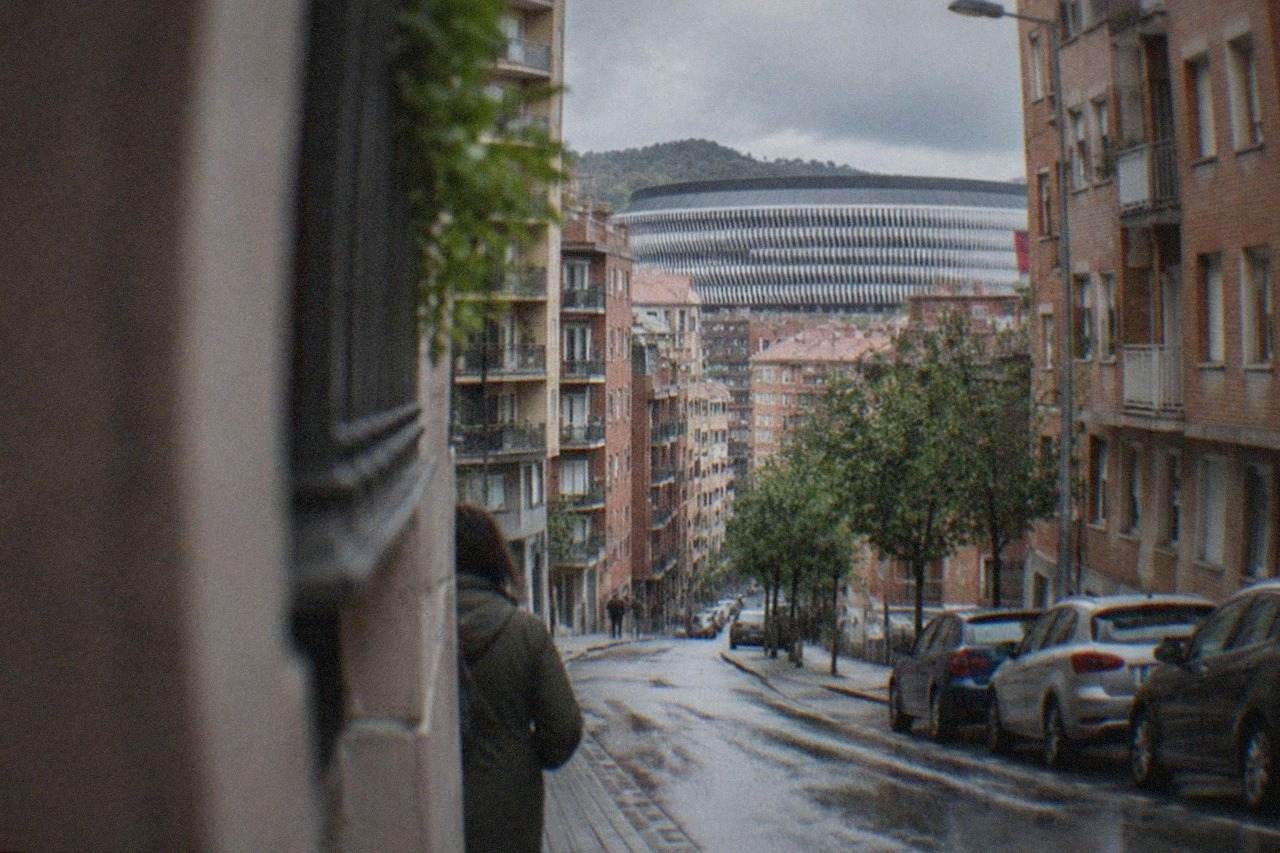
Basurto is the workaday district west of central Bilbao, best known for its hospital campus and its position beside San Mames stadium, and it rewards travellers who want a local pace within walking reach of the city's headline sights.
Short answer
Basurto is a largely residential district of Bilbao, in Biscay province, Basque Country, northern Spain, sitting west of the Abando centre and best known for the Basurto hospital campus and its proximity to San Mames stadium. There is no blockbuster attraction inside it, but its position makes it a calm, practical base.
Basurto is the quiet, workaday district on the western side of Bilbao, in Biscay (Bizkaia) province, Basque Country (Euskadi), northern Spain. It never appears on the standard first-timer route, and that is exactly its appeal. The city that the Bilbao Travel Guide covers district by district has a headline act in Abandoibarra's museum riverside and a party piece in the Casco Viejo, but Basurto is where Bilbao simply gets on with life: apartment blocks, neighbourhood bars, a major hospital campus, and the looming presence of San Mames stadium on its eastern edge. Eustat's municipal register puts the whole city at 346,933 inhabitants as of 1 January 2025, and districts like this one are where most of that population actually lives.
What Is Basurto, And Why Does Bilbao Keep It Off The Postcards?
Basurto is a predominantly residential district of Bilbao, Spain, sitting west of the Abando city centre and best known for two things: the Basurto hospital campus, one of the city's major medical institutions, and its immediate adjacency to San Mames, the Athletic Club stadium. It holds no marquee museum and no famous square, which is precisely why it offers a more local, lower-cost, lower-stress experience than Bilbao's headline districts.
That framing matters, because most English-language coverage of Bilbao compresses the city into a triangle: the Guggenheim, the Old Town, and the pintxos bars in between. Basurto sits outside that triangle entirely. Its streets are wide, its commerce is practical, and its bars serve the people who live above them rather than a passing crowd. For a traveller who has already done the things to do in Bilbao circuit, or someone who wants a base with real neighbourhood texture, that difference is the whole point.
The district's identity is inseparable from its hospital. The Basurto hospital campus has anchored the area for well over a century, and everything from the bus routes to the pharmacy density reflects a neighbourhood built around people rather than spectacle. Nothing about that makes it grim; it makes it dependable. Shops open early, bars pour coffee for shift workers, and the evening paseo is unhurried.
Where Is Basurto, And Which Landmarks Sit On Its Doorstep?
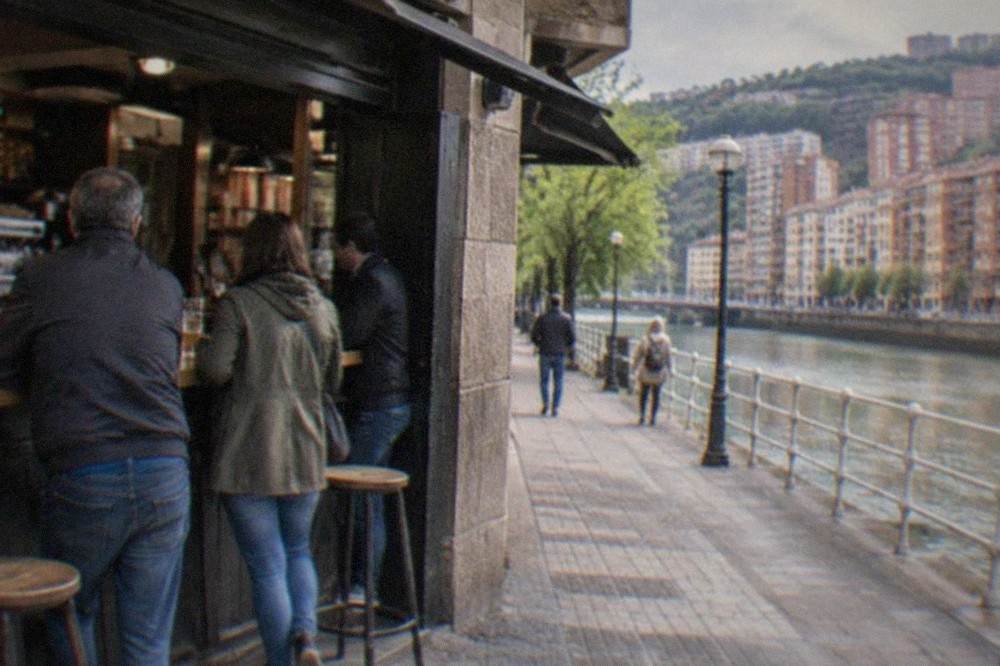
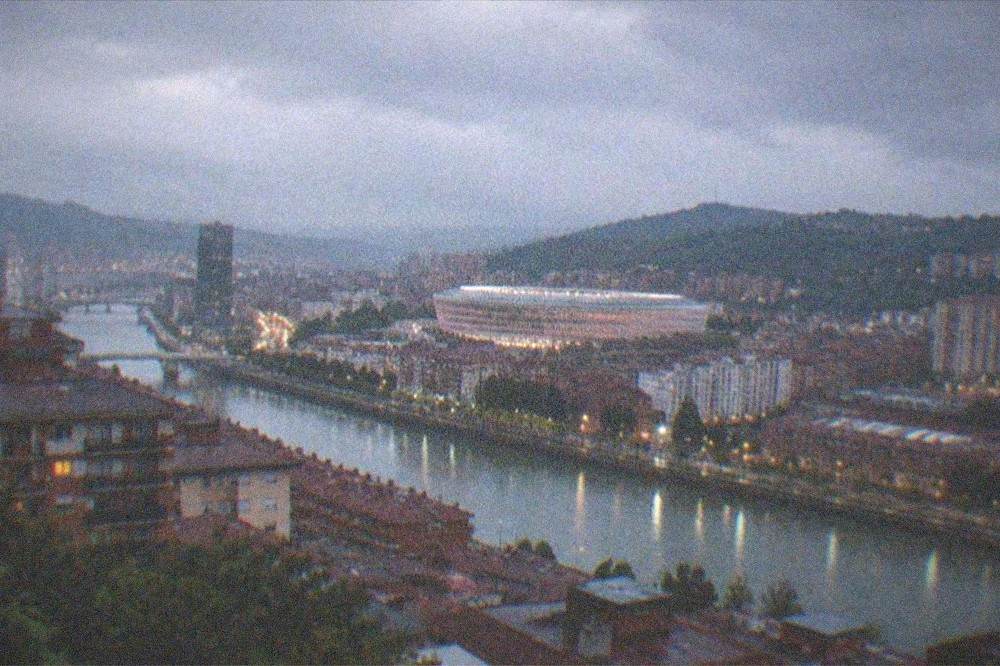
Basurto lies immediately west of central Bilbao's Abando district, with San Mames stadium, home of Athletic Club, on its eastern flank and the Indautxu and Deusto districts beyond it. From Basurto the Guggenheim Museum Bilbao and the Abandoibarra riverside are a short city-bus or tram hop away, which is why the district works well as a calm base for sightseeing elsewhere.
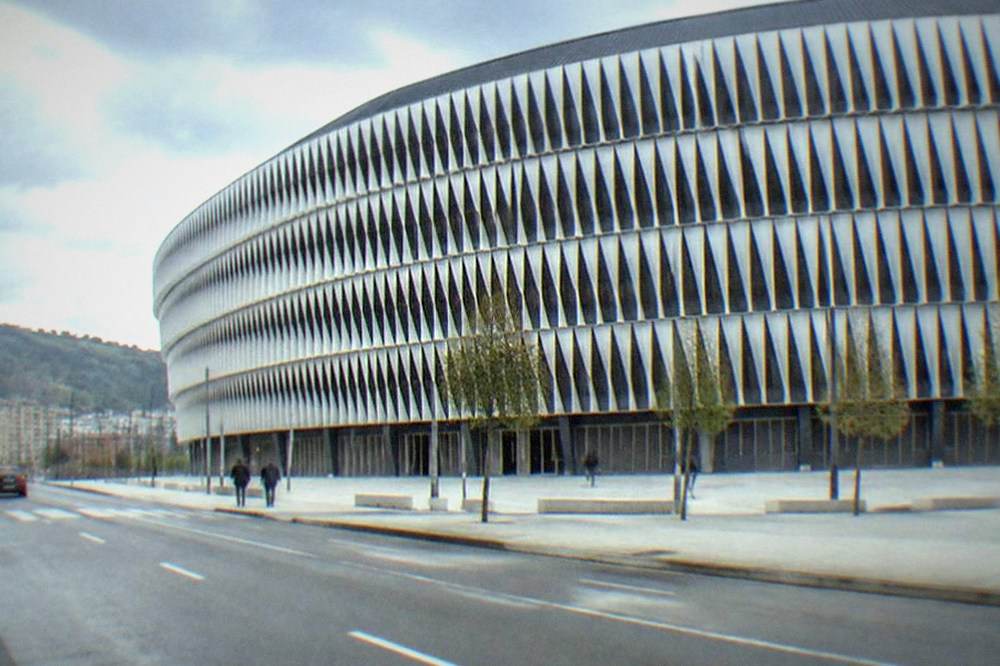
The geography is the district's best asset. San Mames is close enough that match days and stadium tours are a genuine, walkable option, and the museum quarter of Bilbao, including the Guggenheim, sits just to the east across the centre. The San Mames stadium pages on this site cover the tour in detail, but the short version from the Athletic Club's own listing: self-guided visits with an audio guide in Spanish, Basque, English and French run at EUR15 for adults, children 5-14 pay EUR5, and the guided Museum plus Tour option is EUR22 for adults. Hours run Tuesday to Sunday 10:00-20:00 from March to October, daily in July and August, and 10:00-19:00 from November to February, closed Mondays.
For orientation, think of Basurto as the last genuinely residential stop before Bilbao's centre proper. To the east lie Indautxu and the shopping weight of Abando; to the north, across the river, Deusto holds the university and quieter apartment streets. Everything a first-time visitor wants, from the Guggenheim Museum Bilbao to the Old Town, sits within easy reach by public transport, and the fares are modest enough that distance barely matters.
How Do You Get To And Around Basurto Using Bilbao's Transport?
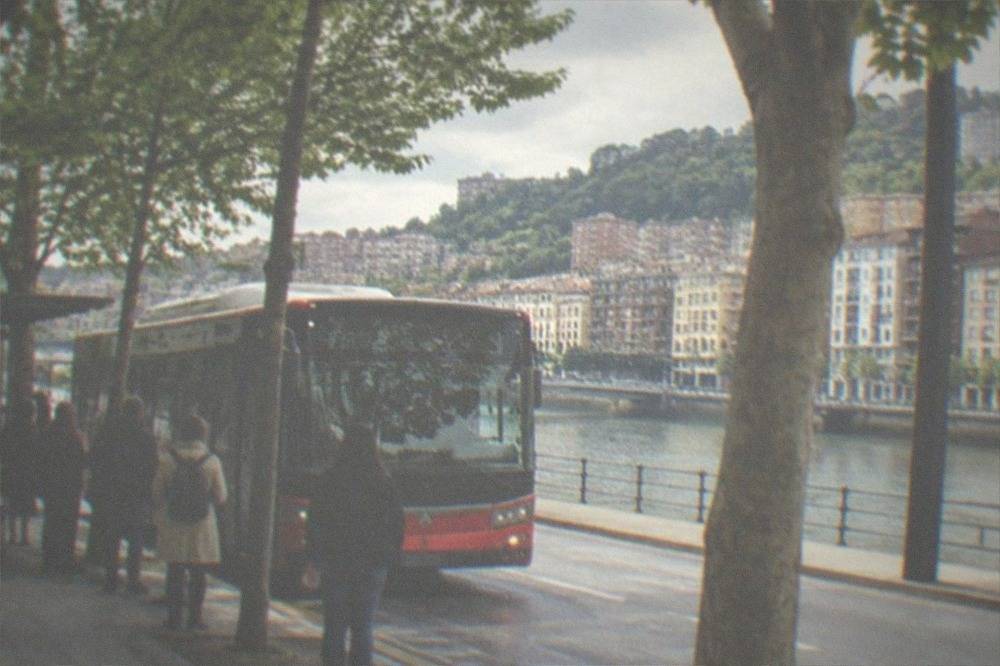
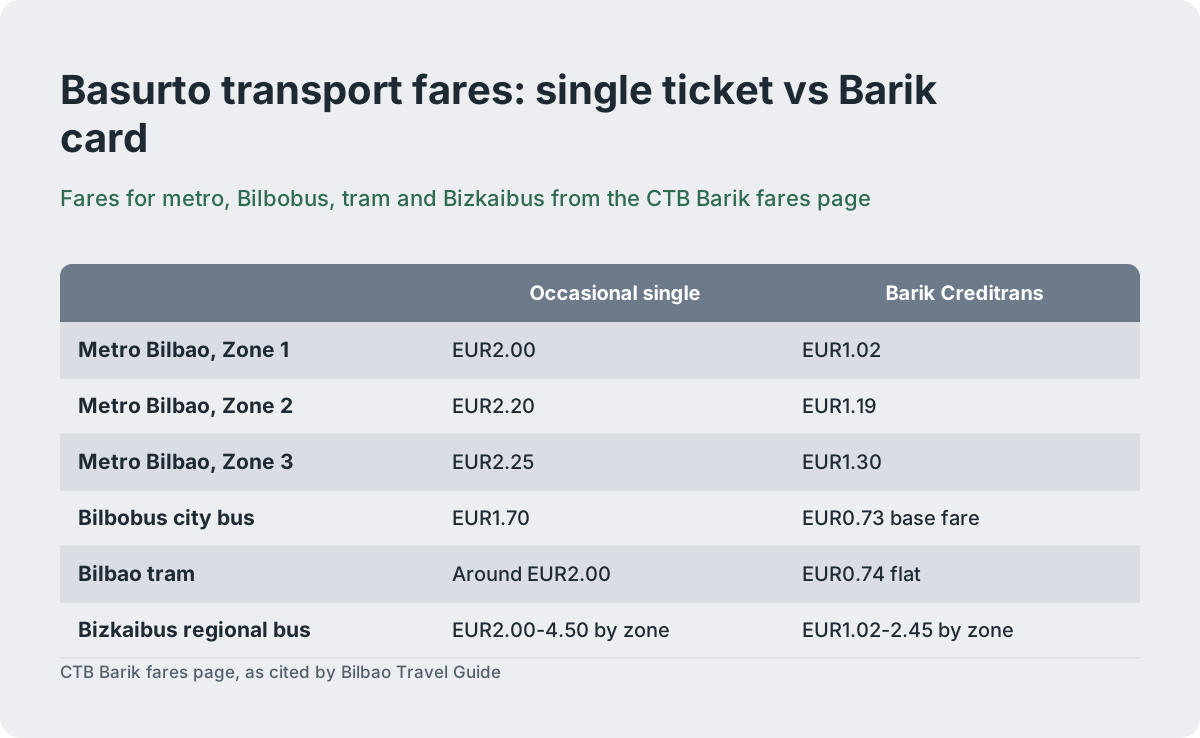
Basurto is served by Bilbao's integrated public transport network, and the CTB Barik fares page gives the numbers that matter: Metro Zone 1 costs EUR1.02 with a Barik Creditrans card against EUR2.00 for an occasional single, Bilbobus city buses run at EUR1.70 without Barik or roughly EUR0.73 base fare with it, and the tram charges EUR0.74 flat with Barik. A Barik card pays for itself within a handful of rides.
The practical advice is simple: buy a Barik card on arrival. The card itself is commonly reported to cost EUR3 to purchase, a figure carried by secondary sources rather than the official CTB fares page, so treat that purchase price as provisional and budget a small top-up alongside it. Once loaded, the Creditrans purse discounts every mode in the system: metro, Bilbobus city buses, the tram, Bizkaibus regional buses and Euskotren trains all accept it, and the discounts are substantial, often close to half the occasional fare.
| Mode | Occasional single (no Barik) | With Barik Creditrans |
|---|---|---|
| Metro Bilbao, Zone 1 | EUR2.00 | EUR1.02 |
| Metro Bilbao, Zone 2 | EUR2.20 | EUR1.19 |
| Metro Bilbao, Zone 3 | EUR2.25 | EUR1.30 |
| Bilbobus city bus | EUR1.70 | EUR0.73 base fare |
| Bilbao tram | Around EUR2.00 | EUR0.74 flat |
| Bizkaibus regional bus | EUR2.00-4.50 by zone | EUR1.02-2.45 by zone |
Occasional metro tickets are valid for two hours, which allows a return journey within the window on a single ticket. That detail is easy to miss and genuinely useful for a quick centre-and-back errand.
For visitors planning a packed few days, the Bilbao Bizkaia Card is the alternative to individual fares. The card's own site states the tiers plainly, and it bundles unlimited transport with museum fast-track access and a roster of discounts.
| Card duration | Price | What it includes |
|---|---|---|
| 24 hours | EUR10 | Unlimited transport in Bizkaia, museum fast passes, partner discounts |
| 48 hours | EUR15 | Same benefits over two days |
| 72 hours | EUR20 | Same benefits over three days |
The card is personal and non-transferable, and it activates on first use in transport. For a Basurto base with daily trips into the centre, the 48-hour tier is usually the sweet spot.
One planning note for the far horizon: Bilbao Airport has no metro or train link, and the city council's own position is that none arrives before 2035. The Bizkaibus A3247 airport bus runs every 15 minutes, takes roughly 15 to 25 minutes to the centre, and costs EUR5 without a Barik card, so reaching a Basurto hotel from BIO means the airport bus into the city and a short onward hop, or a taxi at approximately EUR24-29 to the centre.
Where Do You Eat And Drink Around Basurto?
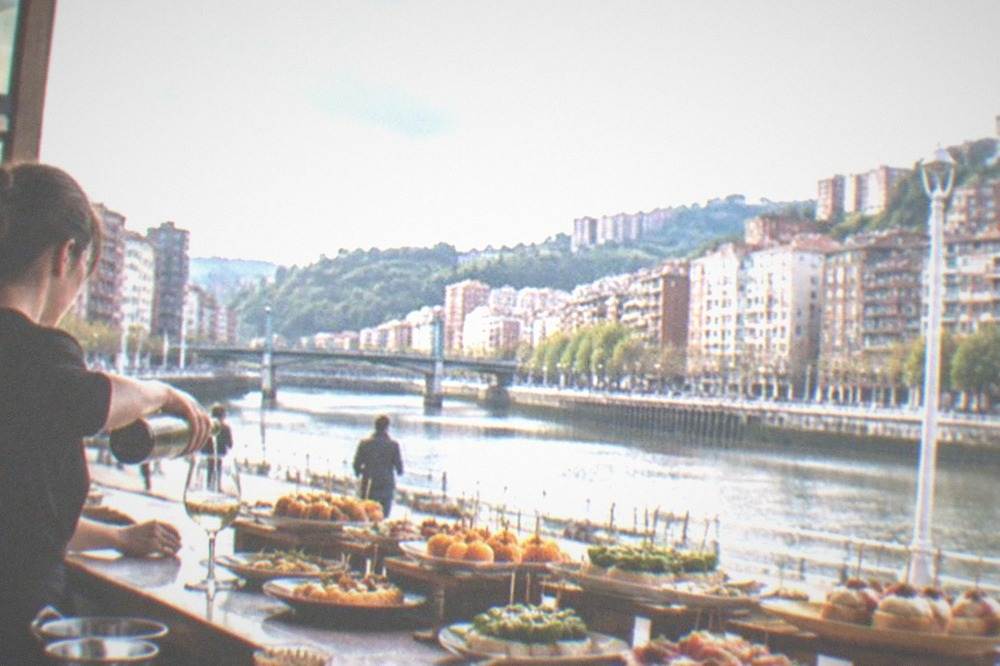
Basurto's food scene runs on neighbourhood pintxos bars rather than destination restaurants, with 2026 reporting putting typical pintxos at EUR2-5 per piece in traditional Bilbao bars and a full crawl of four to six items with drinks at around EUR25-45 per person. The district's counters are unfussy, local and cheap by city-centre standards, and the celebrated bars of the Casco Viejo are a short bus ride away.
The honest pitch for eating in Basurto is value and absence of theatre. Bars here serve the hospital's shift workers, families doing their shopping, and the regulars who have occupied the same stool for decades. Recent Basque food reporting highlights bars like Gure Toki and Sorginzulo on Plaza Nueva, El Globo on Diputacion, and La Bodeguita del 12 in Abando, winner of the 2025 Bizkaia traditional pintxo championship, and all of those sit a short ride east rather than inside Basurto itself. Treat them as your evening destination and Basurto as your morning coffee.
| Eating situation | Typical cost in Bilbao (2026 reporting) | Where it fits a Basurto stay |
|---|---|---|
| Single pintxo at a traditional bar | EUR2-5 | Neighbourhood counters, any time |
| Drink (txakoli, zurito, wine) | EUR2-3.50 | Pairs with every round |
| Full pintxos crawl, 4-6 items plus drinks | EUR25-45 per person | Evening trips to Plaza Nueva or the Ensanche |
| Michelin-level dining in Bilbao | Menu prices at the restaurant | Special-occasion splurge, book ahead |
The smartest way to convert a Basurto base into a food education is a guided crawl. A local guide solves the two problems a visitor cannot: which bar, and what to order once inside.
If you would rather explore the same territory independently, the best pintxos in Bilbao guide on this site maps the bars worth crossing the city for, and the Mercado de la Ribera is the historic market hall where much of the raw material starts its day.
Is Basurto A Good Place To Stay In Bilbao?
Basurto works well as a place to stay for travellers who prioritise quiet nights, local prices and quick transport over doorstep glamour, since its residential stock sits minutes from San Mames and the city centre by bus or tram. It is a poor choice only for visitors who want to fall out of their hotel directly into the Old Town's bars, and even then the ride is short and cheap.
The trade is straightforward. Hotel and apartment rates in Bilbao generally soften as you move away from Abando and the riverside, and a residential district like this one is where those savings concentrate. The usual where-to-stay considerations apply: match the district to your trip's rhythm rather than its Instagram presence.
One dated, checkable planning note matters for anyone booking ahead. A Bizkaia-wide regional tourist tax, approved as Norma Foral 3/2026, does not take effect until 1 January 2027. Bilbao's municipal rates, approved in September 2026, will run from EUR1 per night for pensions up to EUR5 for 5-star hotels, with EUR6.50 for tourist apartments. Visitors travelling in 2026 pay no tourist tax at all; reservations made before early February 2026 are generally exempt even once the tax begins. Budget accordingly, and do not let a booking site or hotel desk tell you otherwise this year.
For orientation on foot, a guided walk is the efficient way to build a mental map of how Basurto connects to the centre, and the small-group format suits a district that rewards local knowledge.
What Does Bilbao's Weather Mean For A Basurto Visit?
Bilbao has a temperate oceanic climate, Atlantic-influenced and rainy at any time of year: AEMET's Bilbao Aeropuerto/Loiu station (1082), 1981-2010 normals, show monthly means from 9.3 C in January to 20.9 C in August, with 1,134 mm of rain annually and November the wettest month at 147 mm. Pack a rain layer for any month, and plan indoor backups for autumn and winter.
The numbers shape how you use a Basurto base. Summer, meaning July and August with means of 20.4 C and 20.9 C and the year's lowest rainfall, is walking weather, and the district's flat, practical streets make it easy to rack up distance. November, at 147 mm of rain, is the month most likely to send you indoors.
| Month | Mean temperature (C) | Mean rainfall (mm) | What it means for Basurto |
|---|---|---|---|
| January | 9.3 | 120 | Cold and wet, indoor planning |
| April | 12.6 | 107 | Changeable, layers and a rain layer |
| July | 20.4 | 50 | Best walking month, driest |
| August | 20.9 | 76 | Warmest, occasional showers |
| September | 19.2 | 73 | Pleasant and quieter |
| November | 12.4 | 147 | Wettest month, museum days |
The full monthly breakdown lives in the Bilbao weather guide, and the rainy-day playbook covers the indoor alternatives, from the Museum of Fine Arts Bilbao to the Azkuna Zentroa, all of which are a short transport hop from Basurto.
How Does Basurto Compare With Bilbao's Better-Known Districts?
Basurto trades atmosphere for practicality when set against Bilbao's famous districts: the Casco Viejo offers medieval streets and the pintxos crowd, Abando delivers the shopping and hotel core, Indautxu mixes nightlife with residential calm, while Basurto offers lower-key streets, hospital-district dependability and San Mames on its doorstep. Choose it for value and quiet, not for spectacle.
| District | Character | Best for | Main draw |
|---|---|---|---|
| Basurto | Residential, hospital district | Quiet stays, value, local pace | San Mames proximity |
| Casco Viejo | Medieval, lively | First-timers, pintxos crawls | Seven Streets and Plaza Nueva |
| Abando | Commercial core | Shopping, hotels, transport | Gran Via and the centre's weight |
| Indautxu | Mixed residential and nightlife | Evening plans, dining | Bars and restaurants |
| Abandoibarra | Museum riverside | Architecture and culture | Guggenheim and the promenade |
The comparison is not a ranking. A first visit to Bilbao should still sleep central and see the Abandoibarra riverside and the Old Town; the why is Bilbao famous question answers itself there. Basurto earns its place on a second visit, a long stay, or a trip built around football at San Mames.
And because Bilbao sits only about 15 km from the Bay of Biscay, a Basurto stay pairs naturally with coastal escapes. The Basque coast's most photographed site, Gaztelugatxe, is the obvious one.
The coast has rules worth knowing before you book. San Juan de Gaztelugatxe requires a free timed reservation only on official controlled-access days, roughly mid-June to about 20 September plus Easter and holiday weekends per the yearly calendar, with a daily cap of 1,462 visitors on controlled days and booking always free via tiketa.eus, maximum 10 people per reservation. On all other days access is free without any reservation, and as of the most recent reporting it reverted to free, no-reservation access from 21 September 2026 through the end of September. The Gaztelugatxe guide on this site carries the full detail.
What Should A One-Day Basurto Plan Actually Look Like?
A day based in Basurto runs best as mornings in the neighbourhood, afternoons in the museum district east of the centre, and evenings in the pintxos bars of Plaza Nueva or the Ensanche, stitched together with Barik-discounted buses and trams costing roughly EUR0.73 to EUR1.02 per ride. San Mames, either as a tour or simply as a landmark walk, anchors the middle of the day.
Start with coffee at a neighbourhood counter, where the morning trade is hospital staff and locals rather than tourists. Walk east toward San Mames and, if the schedule allows, take the stadium tour: the combined museum-plus-stadium visit runs about 90 minutes, and the Athletic Club's own listing carries the current hours and prices. From there the whole of central Bilbao opens up, and a one-day Bilbao itinerary provides the east-side sequence if you want it pre-planned.
Spend the afternoon in Abandoibarra and the Old Town, then return west in the evening. The point of basing yourself in Basurto is not to stay there, it is to come back to calm when the day is done, and to pay neighbourhood prices for the coffee that starts the next one.
Common Questions About Basurto, Bilbao
Is Basurto worth visiting in Bilbao, Spain?
Basurto is worth visiting for travellers who want a local, residential side of Bilbao and for anyone going to a match or tour at San Mames, which sits on its eastern edge. It is not a sightseeing district in itself, and the Guggenheim and Old Town remain the city's headline draws a short bus ride east.
How far is Basurto from central Bilbao?
Basurto lies immediately west of the Abando city centre, close enough that San Mames and the stadium district sit on its doorstep and the museum riverside is a short bus or tram hop away. Exact walking times vary by route, so plan on public transport with Barik-discounted fares of roughly EUR0.73 to EUR1.02 per ride.
Is Basurto a good area to stay in for a Bilbao trip?
It suits travellers who want quiet, value and quick transport links over doorstep glamour, and it pairs especially well with a football-focused trip thanks to San Mames. Visitors who want to step straight into the Old Town's bars each evening will prefer Abando or the Casco Viejo.
Do you pay a tourist tax staying in Basurto?
Not in 2026. The Bizkaia regional tourist tax under Norma Foral 3/2026, with Bilbao's municipal rates running from EUR1 per night for pensions to EUR5 for 5-star hotels and EUR6.50 for tourist apartments, takes effect on 1 January 2027. Reservations made before early February 2026 are generally exempt even after that date.
What is the weather like in Basurto, Bilbao?
Bilbao has a temperate oceanic, Atlantic-influenced climate, never Mediterranean or continental. AEMET's 1981-2010 normals for the Bilbao Aeropuerto/Loiu station show means from 9.3 C in January to 20.9 C in August, with 1,134 mm of rain a year and November the wettest month at 147 mm, so pack a rain layer in any season.
Can you visit San Mames stadium from Basurto?
Yes, the stadium sits on Basurto's eastern edge. Self-guided visits with an audio guide cost EUR15 for adults and EUR5 for children 5-14, while the guided Museum plus Tour option runs EUR22 for adults and EUR8 for children, per the Athletic Club's own listing, with hours of 10:00-20:00 Tuesday to Sunday from March to October and shorter winter hours.
Basurto will never headline a Bilbao itinerary, and it does not want to. It is the district that makes the rest of the city easier to enjoy: a calm room, a cheap bus, a local counter for coffee, and the stadium's lights at the end of the street.