Deusto
Deusto is the calm, riverside district on the west bank of the Nervion in Bilbao, Spain: a university quarter of grand facades, canal-side walks and straightforward pintxos bars, five minutes from the Abando centre but a world away in pace.
Short answer
Deusto is a residential and university district of Bilbao, Spain, sitting across the Nervion river from the city centre, best known for the University of Deusto, the Deusto Bridge and the Canal de Deusto, and best visited for riverside walks, local pintxos and a quieter base than the Old Town.
Deusto is the district of Bilbao, in Biscay (Bizkaia) province, Basque Country, northern Spain, that faces the city centre across the Nervion estuary on the river's west bank. It is the city's university quarter, anchored by the University of Deusto's imposing riverside building, and it wraps around the Canal de Deusto, the straight water channel that lets river traffic bypass the river's natural bend. Where the Casco Viejo is dense and touristy and Abando is commercial, Deusto is where Bilbao actually lives: wider streets, fewer cameras, and pintxos bars priced for students and families rather than visitors. This guide from Bilbao Travel Guide covers what Deusto offers a visitor, how to reach it, what it costs, and how it fits into a wider Bilbao plan.
Where Is Deusto, And What Kind Of Bilbao Neighbourhood Is It?
Deusto is a district on the west bank of the Nervion estuary in Bilbao, Spain, directly across the river from the Abando commercial centre and the Guggenheim-side waterfront of Abandoibarra. It is best understood as the city's university and residential quarter: grand riverside architecture, the landmark University of Deusto, the Canal de Deusto shipping channel, and a genuinely local bar and restaurant scene that tends to be glimpsed only from the far bank.
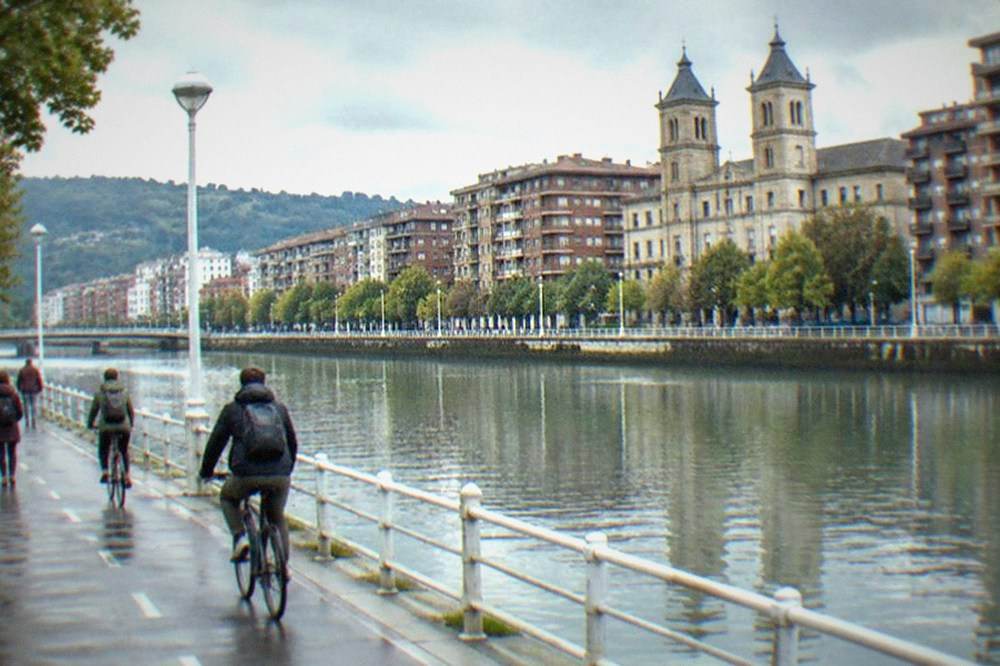
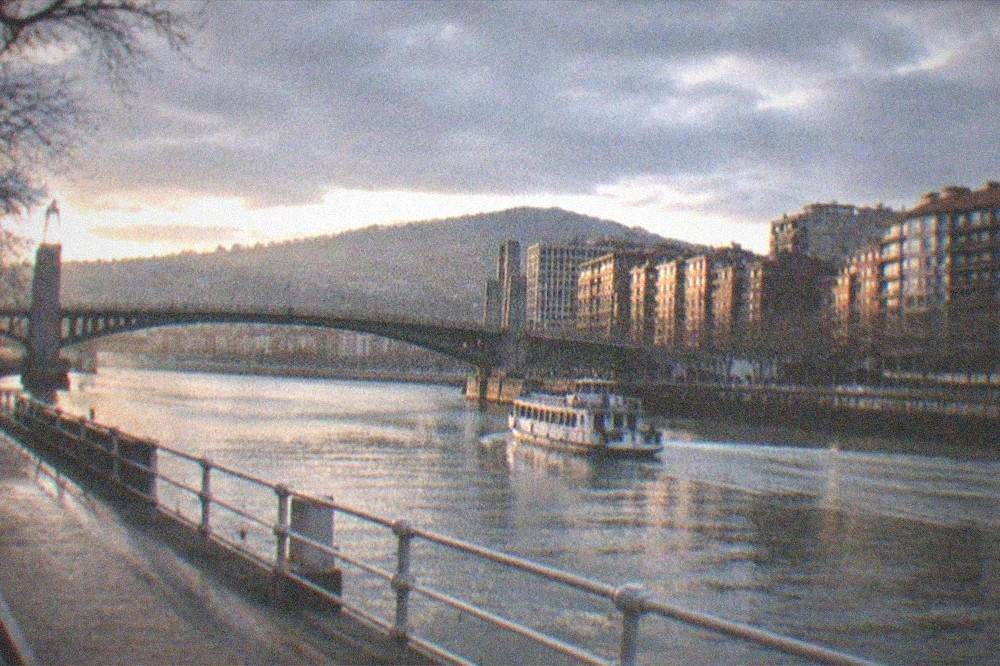
The district's geography is simpler than it first looks. The Nervion runs through Bilbao roughly west to east, and Deusto occupies the inside of the river's great bend: the peninsula of land enclosed by the estuary on three sides. The Canal de Deusto, cut straight across the neck of that peninsula, shortens the route for commercial vessels and, in doing so, turns most of Deusto into an island bounded by river on one side and canal on the other. Walking the canal towpath from the Deusto Bridge toward the Euskalduna side is one of the most pleasant, flattest strolls in a city that is otherwise famously hilly.
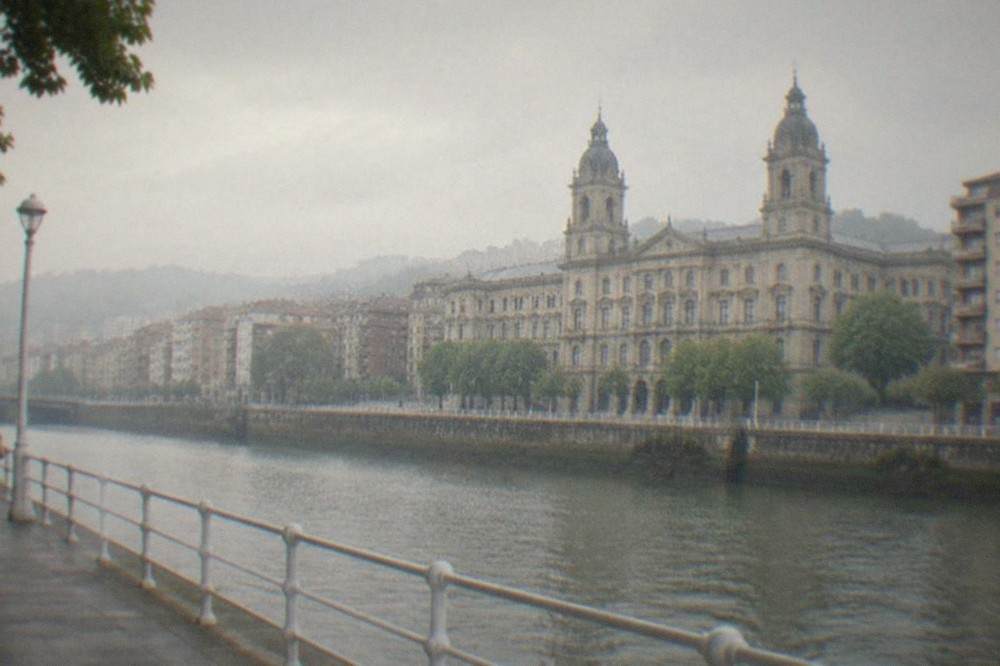
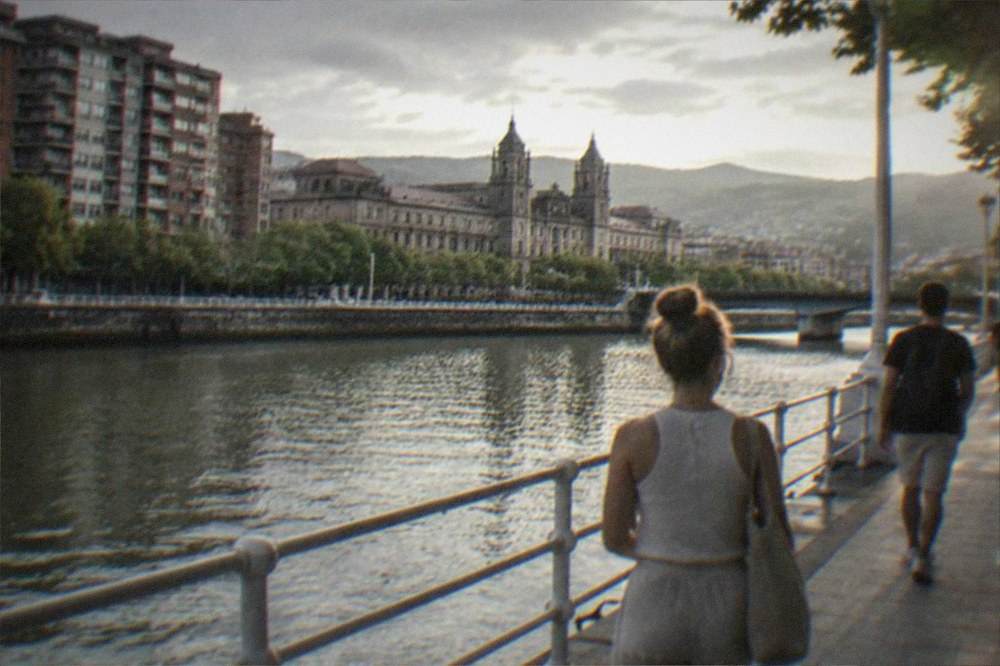
The University of Deusto is the district's signature building, a vast, ornate structure whose riverside facade is one of the most photographed in Bilbao when viewed from the opposite bank. The district's other claim to fame is quieter: it is one of the places Bilbao residents themselves choose to live and to eat out, which is why the bars along its main streets stay full on weekday evenings while the Old Town fills up on weekends. For a sense of how the district sits relative to its neighbours, our Abando area guide and Indautxu area guide cover the districts immediately across and downstream.
What Are The Best Things To Do In Deusto On A Visit?
The best things to do in Deusto are walking the Canal de Deusto towpath, viewing and photographing the University of Deusto's riverside facade, crossing the Deusto Bridge on foot for the estuary panorama, eating pintxos in the neighbourhood's local bars, and using the district as a calm base for reaching the Guggenheim and the Abandoibarra waterfront on foot. It is a half-day district for most visitors, not a full-day one.
Start with the canal. The Canal de Deusto is a working shipping channel, and the towpath beside it gives you the unusual sight of commercial barges sliding past at eye level while joggers and dog-walkers share the path. The walk connects, at its downstream end, toward the Euskalduna Palace and the Abandoibarra promenade, which means a natural Deusto route is: cross into the district, walk the canal, loop back along the riverfront, and finish at the Guggenheim Museum Bilbao without ever needing transport.
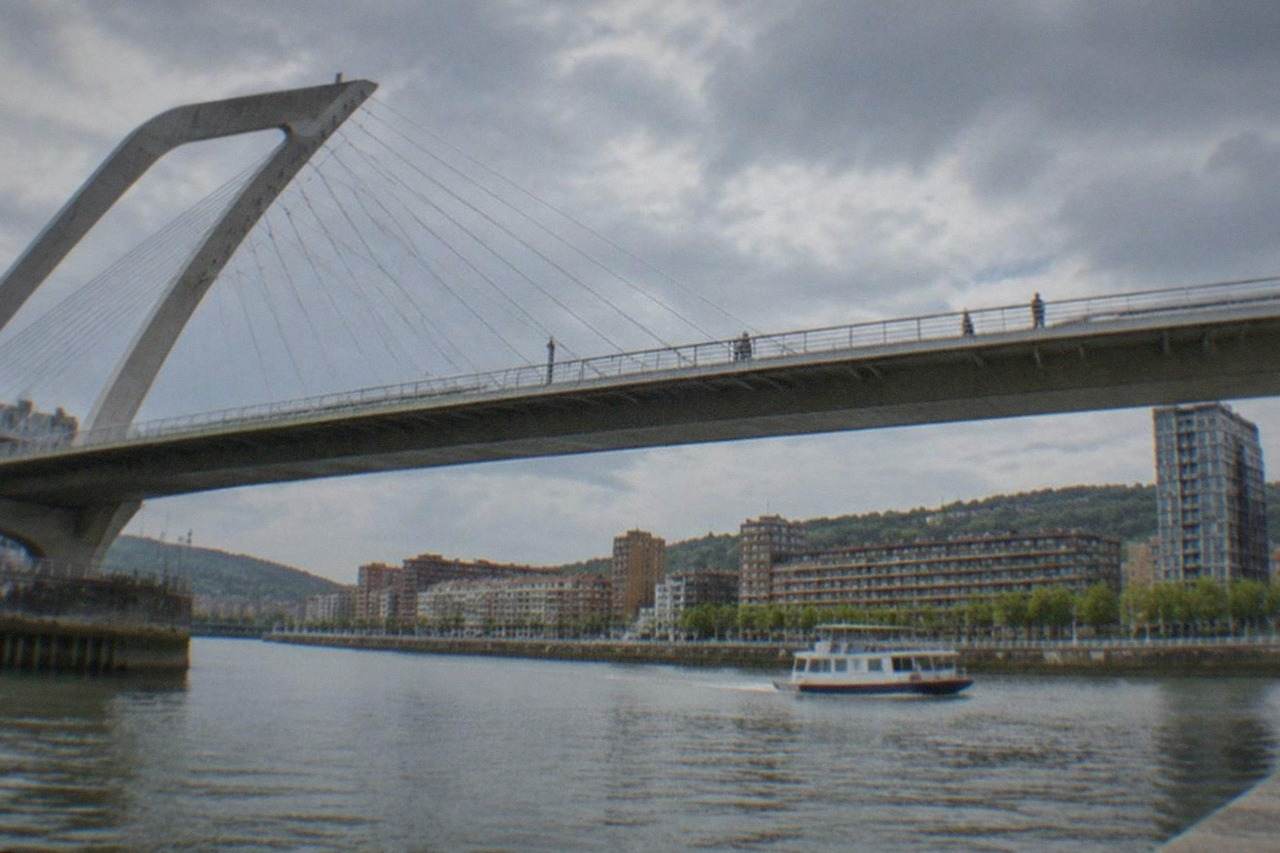
The University of Deusto building is the view most people come for, even if they do not know its name: seen from the Abandoibarra bank, its towers and arched windows line the skyline west of the Guggenheim. You cannot treat the university as a tourist attraction in the museum sense, but the exterior and the riverside approach are genuinely worth the twenty minutes it takes to appreciate them. The Deusto Bridge itself, the road bridge linking the district to the centre, is the standard crossing point and gives the best estuary photo angles in this part of the city.
Beyond that, Deusto rewards unstructured wandering more than checklist sightseeing. Its residential streets hold churches, small squares and school playgrounds rather than monuments. That is precisely the point: this is the district to visit when you want to see the Bilbao that exists between the postcard sights, and it pairs naturally with the fuller rundown in our things to do in Bilbao overview.
A district this local is best introduced by someone who knows it, and a guided walk or a food crawl does exactly that:
For travellers who prefer a shorter, history-led orientation before striking out alone, a small-group walking tour of the city's past is a sound first-morning move:
Where Do Deusto Locals Eat And Drink?
Deusto eats like the rest of Bilbao, Spain: standing at the bar, small plates, and short menu cards, but with prices and crowds calibrated to residents rather than visitors. Pintxos in traditional bars across the city typically run about 2 to 5 euro each, drinks about 2 to 3.50 euro, and a full crawl of four to six pintxos with drinks lands around 25 to 45 euro per person, so a Deusto evening out is noticeably cheaper than the same evening in the Old Town.
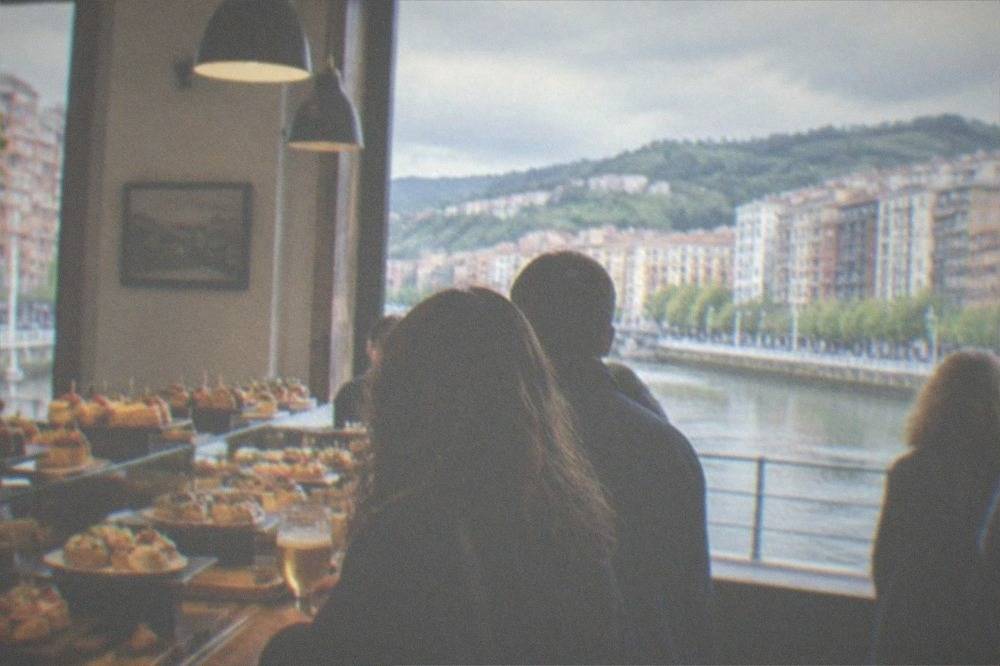
The pintxo is the Basque Country's answer to tapas, and the difference matters enough that we cover it separately in our guide to the best pintxos in Bilbao. In Deusto you order at the bar, point at what looks good, and pay by the toothpick count or the plate count depending on the house. The bars here skew traditional: tortilla de patatas, bacalao in its various forms, croquetas, and whatever the kitchen decided to make that morning.
| Item at a traditional bar | Typical price range |
|---|---|
| Simple cold pintxo (gilda, jamon, tortilla wedge) | 2-4 EUR |
| Hot or elaborate pintxo (seafood gratin, creative bite) | 3-6 EUR |
| Small beer (zurito) or glass of txakoli | 2-3.50 EUR |
| Full crawl, 4-6 pintxos plus drinks, per person | 25-45 EUR |
Two practical notes. First, many traditional bars in Bilbao close in the late afternoon before reopening for the evening, so a 5pm arrival can find shutters down where a 1pm or 8pm arrival finds a full bar. Second, the txikiteo, the moving bar-to-bar crawl, is the local way to eat here: one pintxo and one drink per bar, then move on. Sitting at a table for the whole evening is possible but it misses the point, and it often costs more.
Eating well in a neighbourhood like this is easier with a guide who already knows which bars are worth the stop, and the crawl below is built around exactly that idea, pairing neighbourhood spots with local drinks:
The guided option is not the only one. Our Bilbao food guide covers the sit-down end of the spectrum, including the Michelin-starred end, which Deusto itself does not host but which sits within easy reach across the river.
How Do You Get To And Around Deusto?
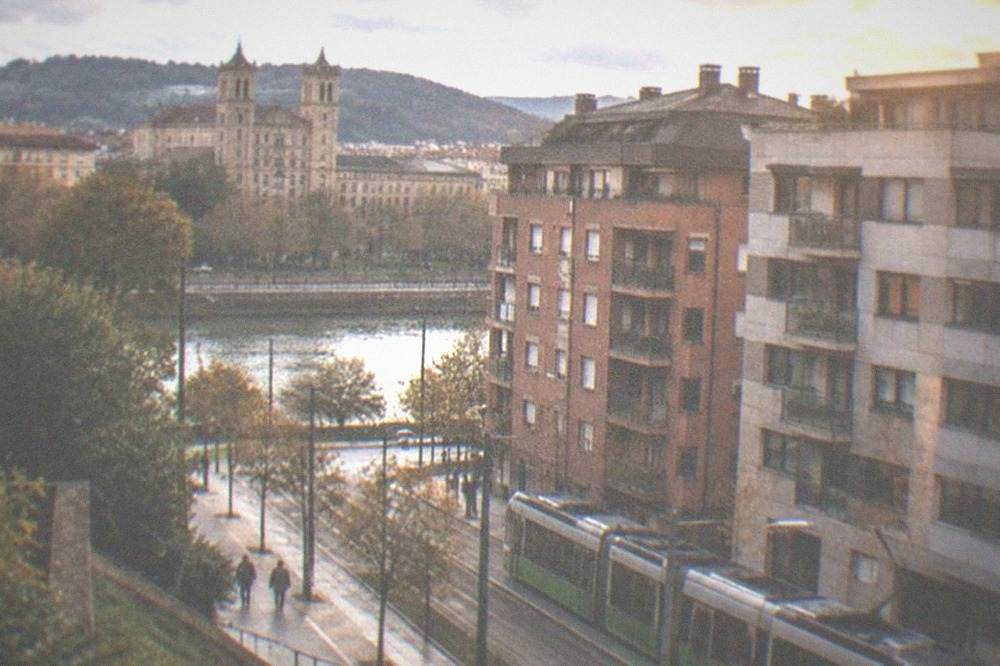
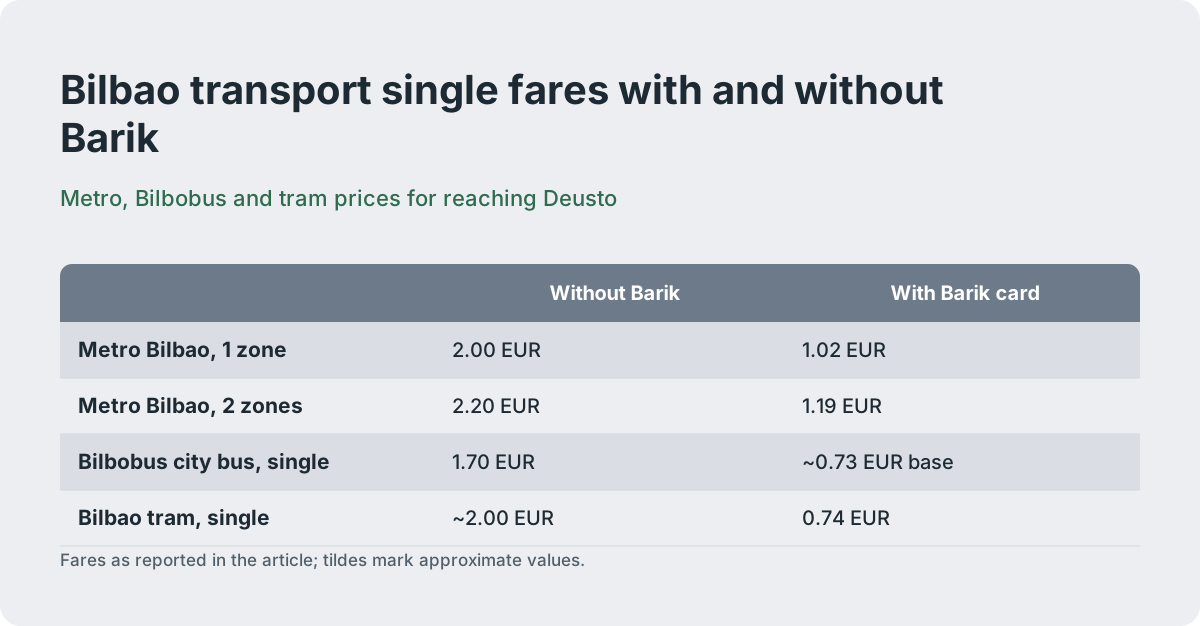
Deusto sits directly across the Deusto Bridge from central Bilbao, Spain, and the practical ways in are on foot across the bridge from the Abando side, by tram along the Evaristo Basterrextxea avenue corridor, or by Bilbobus city bus, with Metro Bilbao stations a short walk from the district's western edge. A Barik card cuts every fare: metro Zone 1 trips cost 1.02 euro with Barik versus 2.00 euro without, and Bilbobus drops from 1.70 euro to roughly 0.73 euro base.
Walking is the honest answer for most visitors. The bridge crossing from the centre takes minutes and delivers you straight into the district, and Deusto's own streets are flat by Bilbao standards, which is rarer than it sounds in a city built on hills. The riverside and canal paths make walking genuinely pleasant rather than merely possible.
| Mode | Without Barik | With Barik Creditrans |
|---|---|---|
| Metro Bilbao, 1 zone | 2.00 EUR | 1.02 EUR |
| Metro Bilbao, 2 zones | 2.20 EUR | 1.19 EUR |
| Bilbobus city bus, single | 1.70 EUR | ~0.73 EUR base |
| Bilbao tram, single | ~2.00 EUR | 0.74 EUR |
The Barik card itself is commonly reported to cost 3 euro to buy, non-refundable with a minimum top-up, though that purchase price comes from secondary sources rather than an official fares page, so treat it as provisional. The tourist alternative is the Bilbao Bizkaia Card, which the card's own site prices at 10 euro for 24 hours, 15 euro for 48 hours and 20 euro for 72 hours, covering unlimited transport plus attraction discounts; the full breakdown is in our Bilbao Bizkaia Card guide.
| Bilbao Bizkaia Card | Price | Includes |
|---|---|---|
| 24 hours | 10 EUR | Unlimited transport in Bizkaia |
| 48 hours | 15 EUR | Same, plus two days of attraction discounts |
| 72 hours | 20 EUR | Same, longest validity tier |
For most Deusto-bound visitors the calculation is simple: if you are staying two days or more and using metro and buses daily, the card or a Barik pays for itself; if you are walking across the bridge for an afternoon, neither is necessary. The wider transport picture, including the airport bus and taxis, is in our getting around Bilbao transport guide.
Where Does Deusto Fit In A Bilbao Itinerary?
Deusto fits a Bilbao itinerary as a half-day add-on rather than a standalone day: the standard pattern is a morning at the Guggenheim and the Abandoibarra waterfront, a walk across the Deusto Bridge after lunch, an afternoon on the canal towpath and riverfront, and pintxos in the neighbourhood before walking back. Most first-time visitors with two or more days in Bilbao can slot it in without sacrificing anything essential.
If you are working from a tight plan, our one day in Bilbao and two days in Bilbao itineraries treat the Abandoibarra and Old Town as the core, and Deusto is the natural extension once those are covered. Visitors with three or more days, or anyone returning to Bilbao for a second trip, get the most out of the district because its pleasures are low-key and repeat-friendly: a canal walk, a slow bar-hop, an unhurried coffee.
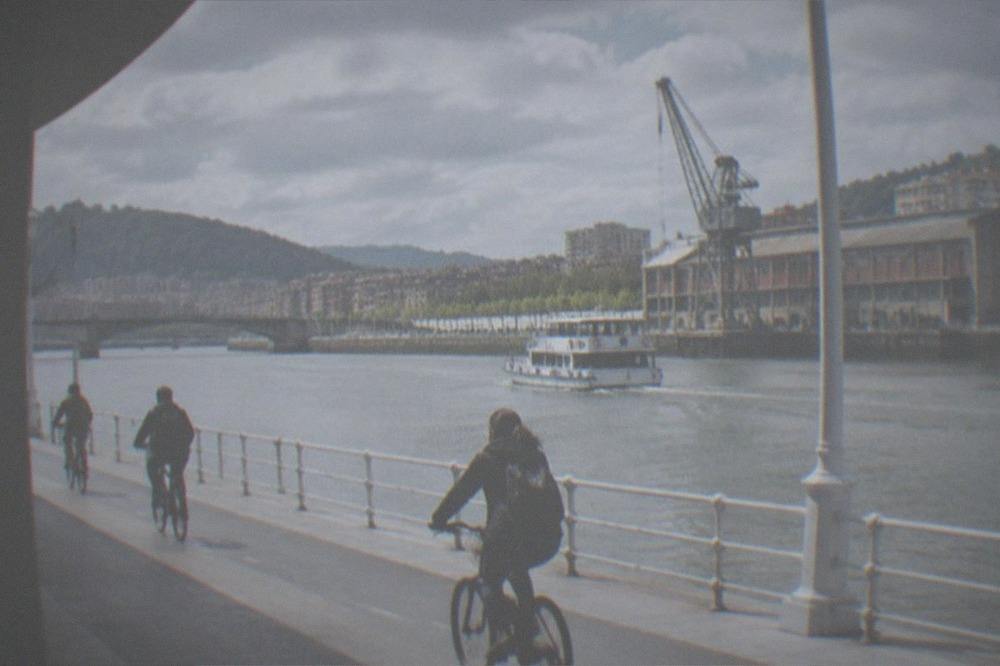
Cyclists should note that the flat riverfront and canal paths make Deusto one of the most bike-friendly corners of the city, and a guided ride is a good way to cover the waterfront quickly, with a small-group or private e-bike option that covers the city's highlights:
Deusto also works as a base rather than a stop. Its position west of the centre puts you on the right side of the city for day trips up the coast: the hermitage-crowned islet of San Juan de Gaztelugatxe and the beaches and food scene of San Sebastián are both reachable from intermodal stations a short ride away, and a coastal excursion makes a strong change of pace after a city day.
What Does A Visit To Deusto Cost?
A visit to Deusto itself costs almost nothing: the district's sights, the canal towpath, the riverfront and the bridge crossings are all free, so your real costs are food and transport, and those are modest. Pintxos run about 2 to 5 euro each, a Barik-based bus or tram ride costs under 1 euro, and there is currently no tourist tax in Bilbao at all, since the Bizkaia regional tax does not take effect until 1 January 2027.
That tax point deserves emphasis because it is new and widely misreported. The regional tourist tax, approved under Norma Foral 3/2026, takes effect on 1 January 2027 across Bizkaia municipalities. Bilbao's own council approved its rates in September 2026: 5 euro per night at 5-star hotels, 4 euro at 4-star, 2 euro at 3-star, 1.50 euro at 2-star, 1 euro at pensions, and 6.50 euro for tourist apartments, the maximum allowed. Visitors in 2026 pay none of it. Anyone booking for 2027 should expect it on the hotel bill.
| Bilbao tourist tax rate (from 1 January 2027) | EUR per night |
|---|---|
| 5-star hotels | 5 |
| 4-star hotels | 4 |
| 3-star hotels | 2 |
| 2-star hotels | 1.50 |
| Pensions | 1 |
| Tourist apartments (VUT) | 6.50 |
For attraction spending, the nearby anchors are the district's expensive neighbours. The Guggenheim's own site lists adult admission at 18 euro, open Tuesday to Sunday 10:00 to 19:00, extending to 20:00 during Easter week and from 15 June to 13 September. The Bilbao Fine Arts Museum is closed for final renovation works until it reopens on 6 October 2026, with a free entry week from 6 to 13 October, and adult admission of 12 euro from 14 October, as reported; a joint Artean pass with the Guggenheim is listed at 16 euro general. Full details on the city's collections are covered in the Bilbao museums roundup elsewhere on this site.
When Is The Best Time To Visit Deusto?
The best time to visit Deusto is July or August, when Bilbao's weather is at its warmest and driest: AEMET's normals for the Bilbao Aeropuerto station show July averaging 20.4 C with about 50 mm of rain and August 20.9 C with 76 mm, against November's 147 mm, the wettest month. But because Deusto is mostly outdoor walking and indoor bars, it works year-round, and the shoulder months trade a little rain for thinner crowds.
Bilbao's climate is temperate oceanic, Atlantic-influenced, which means mild temperatures and rain distributed across every month of the year rather than concentrated in one season. It is never Mediterranean-dry and never continental-freezing. The practical consequence for Deusto specifically is that the canal towpath and riverfront, the district's main draws, are exposed: there is shelter in the bars but not on the walk, so a rain layer matters from October onwards.
| Month | Mean temp (C) | Rain (mm) |
|---|---|---|
| January | 9.3 | 120 |
| April | 12.6 | 107 |
| July | 20.4 | 50 |
| August | 20.9 | 76 |
| October | 16.4 | 111 |
| November | 12.4 | 147 |
The full monthly table and what to pack for it are in our Bilbao weather guide. One timing note that interacts with Deusto's character: during Aste Nagusia, Bilbao's main festival, running 22 to 30 August 2026, the whole city including its residential bars gets busy and loud, which cuts against Deusto's quiet-quarter appeal even as it adds atmosphere.
Is Deusto A Good Place To Stay In Bilbao?
Deusto is a good place to stay in Bilbao if your priorities are quiet nights, local prices and space, and a workable trade-off is a slightly longer walk to the Old Town; it is a weaker choice if you want to be steps from the Guggenheim or the Casco Viejo's bars. Its position across the river from Abandoibarra puts the museum district within an easy walk while keeping you outside the main visitor zones.
The honest comparison is with the alternatives. The Casco Viejo puts you in the historic core with maximum atmosphere and maximum noise; Indautxu sits closest to the Guggenheim and the shopping streets; Abandoibarra is the waterfront museum strip itself. Deusto trades all of that for residential calm. Families and longer-stay visitors tend to like it; weekend partiers tend not to.
If you do stay in or near Deusto, two of the city's best guided introductions start from the centre and are worth booking for your first full day:
And if you want a slower, free-form introduction to the city before committing to anything, the Basque Free Tour: Historic Bilbao walk on GuruWalk runs on a tip-based basis, so it costs nothing upfront.
Common Questions About Deusto
Is Deusto worth visiting for a tourist in Bilbao?
Yes, as a half-day. Deusto's canal towpath, riverfront walk, University of Deusto facade and local pintxos bars make it a rewarding contrast to the Old Town and Abandoibarra, but it has no single headline attraction, so pair it with the Guggenheim-side waterfront rather than making a special trip.
How far is Deusto from the Guggenheim Museum Bilbao?
Deusto sits directly across the Nervion river from the Abandoibarra waterfront where the Guggenheim stands, and the walk between them crosses the Deusto Bridge and the riverside promenade. It is a short, flat riverside walk, which is exactly why the district pairs so well with a museum morning.
Can you walk along the Canal de Deusto?
Yes. The canal has a towpath alongside it that is one of the flattest and most pleasant walks in Bilbao, used by walkers, joggers and cyclists. Commercial vessels use the canal, so you may see barges pass as you walk.
Is Deusto a good place to eat pintxos in Bilbao?
Deusto's bars serve the same pintxos culture as the rest of Bilbao, typically at about 2 to 5 euro per pintxo with drinks at 2 to 3.50 euro, but with resident-oriented prices and thinner tourist crowds than Plaza Nueva or the Siete Calles. It is a strong choice for an evening txikiteo.
Do you need a car to visit Deusto?
No. Deusto is a walkable district reached on foot across the Deusto Bridge from the centre, and it is served by Bilbao's tram, Bilbobus and the wider transport network, where a Barik card cuts fares sharply. A car adds parking hassle for no benefit inside the district.
Deusto will never top a list of Bilbao's sights, and that is its value: it is the district where the city's riverside beauty, student energy and everyday eating sit side by side, a short bridge away from the Guggenheim and completely free to enjoy.