Cycling Routes Around Bilbao
Bilbao sits on a tidal estuary about 15 km from the Bay of Biscay, which gives the city a natural spine for cycling: flat riverside ground in the centre, green hills on either side, and a coast reachable by pedal or by a short metro hop.
Short answer
The best cycling routes around Bilbao follow the Nervion estuary through Abandoibarra and past the Guggenheim, extend along the river toward the sea at Getxo, and link up with Bizkaia's metro and Euskotren network for coastal loops. A temperate oceanic climate means mild temperatures year-round but rain in every season, so plan around the driest months of July and August.
Bilbao, in Biscay (Bizkaia) province in the Basque Country of northern Spain, is built along the tidal Nervion/Ibaizabal estuary roughly 15 km from the open Bay of Biscay. That geography does most of the work for a cyclist. The centre is flat and riverside, the hills of Artxanda and Pagasarri rise steeply on either side for anyone who wants climbing, and the Atlantic coast sits close enough that a coastal ride or a bike-plus-metro combination is a realistic half-day plan rather than an expedition. The city's own transport consortium, the CTB, runs an integrated network of metro, tram, buses and Euskotren trains across Bizkaia, and its Barik fare system makes the mixed bike-and-transit days that suit this region genuinely cheap.
Why Is Bilbao Such A Good City For Cycling?
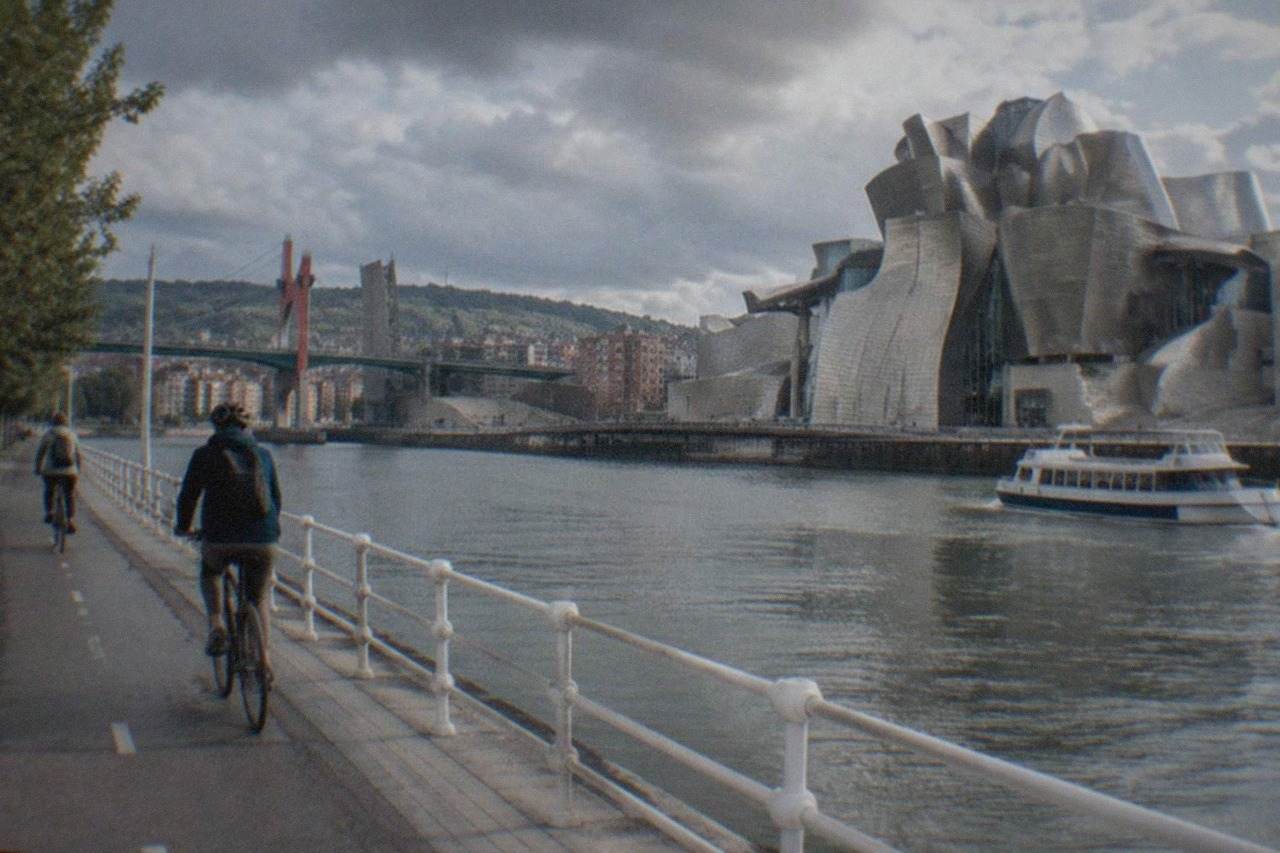
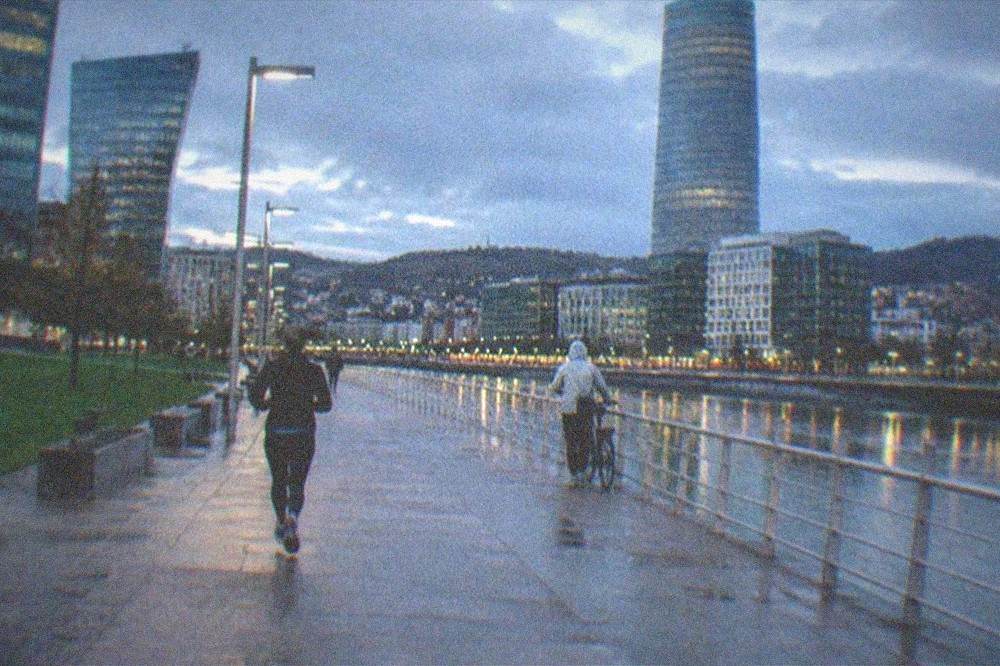
Bilbao works for cyclists because its main sights line up along one flat estuary corridor: the Abandoibarra district, the Guggenheim Museum, the Euskalduna Palace and Doña Casilda park all sit within a short, largely level ride of the Casco Viejo old town, so a visitor can cover the city's headline attractions on two wheels without fighting serious gradients. The estuary is the organising feature. Rather than a grid of arterial roads, the city offers a riverside thread that connects the Ensanche, the regenerated waterfront and the medieval Seven Streets of the old town in one continuous, mostly traffic-calmed line. Hills exist, and they are steep, but they are optional: the funicular and the lifts that locals use to reach Artxanda exist precisely because the valley floor and the hilltops are different worlds.
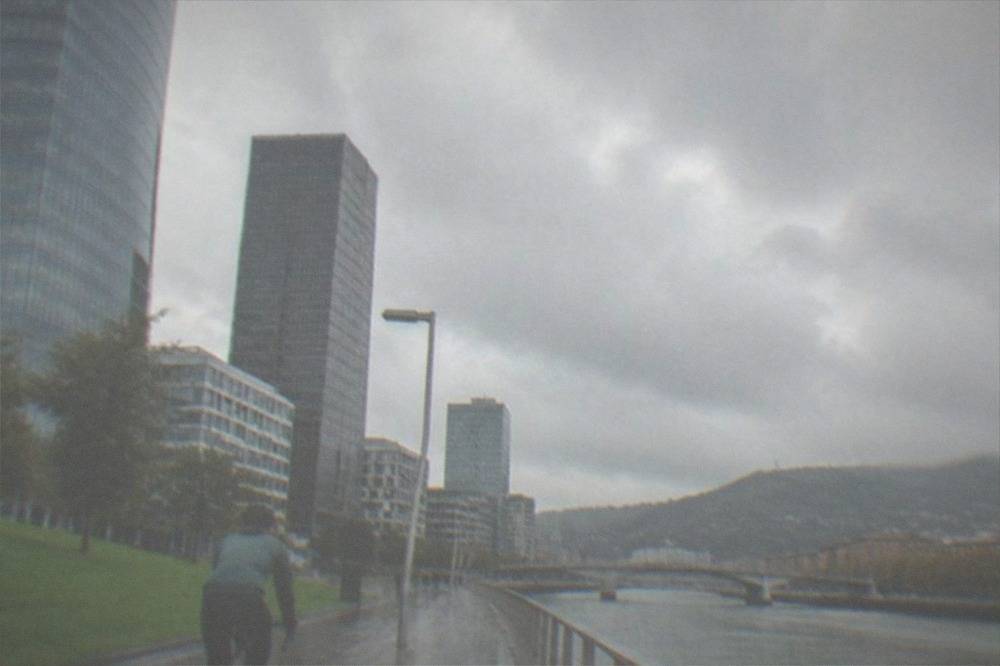
The regeneration story matters here too. Abandoibarra, the stretch of former dockland between the Euskalduna Palace and the Guggenheim, was rebuilt as a pedestrian-friendly district, and the riverside route through it is the single most useful cycling corridor in the city. It links the two museum anchors, passes under the Puente de la Salve and the Zubizuri footbridge, and continues toward the Bilbao Fine Arts Museum and Doña Casilda park. A rider who does nothing else can trace this corridor and see most of what first-time visitors come for.
The Basque cycling culture is the third reason. This is a region where road cycling is a mainstream sport, where the local professional scene and the mountain roads of Bizkaia and Gipuzkoa are part of everyday conversation, and where weekend riders head for the hills in numbers. That culture spills into the city: drivers are used to sharing space with bikes, and the infrastructure along the estuary and through the newer districts is designed with walking and cycling in mind rather than retrofitted as an afterthought. For a fuller picture of how the city's transport network fits together, read the getting around Bilbao transport guide, and for where the neighbourhoods actually sit, the Casco Viejo old town guide and the Abandoibarra district guide cover the two ends of the central ride.
Which Cycling Routes Around Bilbao Suit A Short Ride?
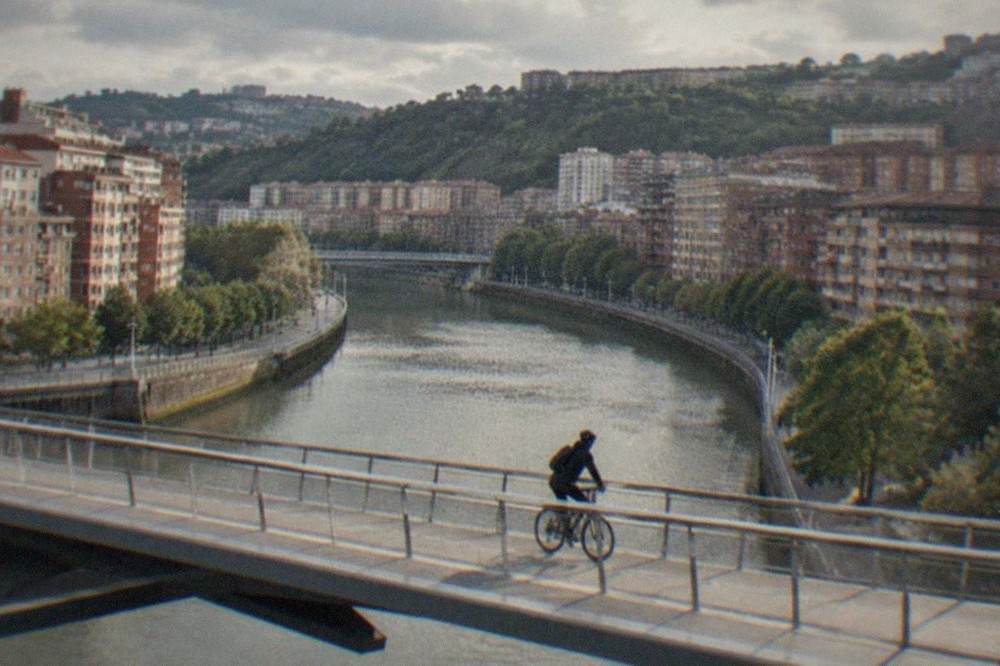
The three short rides worth riding are the central estuary loop through Abandoibarra and the Casco Viejo, the riverside extension west toward the Euskalduna and San Mames area, and the climb-and-coast option up to the Artxanda viewpoint using the funicular for the return leg, and all three stay within the city itself with no route-finding harder than following the water. The estuary loop is the foundation: start anywhere on the river, ride one bank out and the other bank back, and you have a circuit that passes the Guggenheim, the Zubizuri, the Ribera Market frontage and the Santiago Cathedral quarter without ever leaving flat ground. The extension west carries you past the Euskalduna Palace toward the San Mames stadium area, which is a natural turnaround point with a metro station and the stadium museum if you want a break.
The Artxanda option is the one that changes the character of the day. The hill above the west bank holds the city's classic panoramic viewpoint, reached either by road on a bike or by the Funicular de Artxanda, whose reported one-way fare is EUR3.50 with a round trip at EUR6.00 (a single-source figure from the operator's fares page, so treat it as reported rather than guaranteed). Riding up is a genuine climb; riding down is one of the best descents in the city. Combining the two, pedal up and roll down, or ride up and take the funicular down with the bike, gives a half-day ride with a viewpoint payoff. The Artxanda funicular guide covers the mechanical alternative in detail.
For riders who want the coast in the same day, the estuary corridor continues downstream toward the mouth at Portugalete and Getxo. This is the ride that turns a city circuit into a proper outing: the river narrows, industry gives way to residential waterfront, and the route ends near the Vizcaya Bridge, the UNESCO-listed transporter bridge whose gondola crosses the estuary for a EUR0.60 daytime pedestrian fare. The Getxo guide and the Vizcaya Bridge guide cover what to do once you arrive. If riding the whole way out feels like too much, the metro runs the same corridor, and the pack's transit figures put a metro ride from central Bilbao to the Getxo area at roughly 28-29 minutes, which makes a ride-out, metro-back day entirely practical.
| Short ride | Character | Terrain | Natural turnaround |
|---|---|---|---|
| Central estuary loop | City sights, museums, old town | Flat, riverside | Casco Viejo / Ribera Market |
| Westward riverside extension | Modern Bilbao, architecture | Flat | San Mames stadium area |
| Artxanda climb-and-coast | Viewpoint, climbing | Steep ascent, fast descent | Artxanda viewpoint |
| Estuary-to-coast extension | Waterfront, industrial heritage | Mostly flat, longer | Vizcaya Bridge, Getxo |
A note on honesty: this page describes the shape of the network, the fares and the transit connections that are verified in this site's research pack. It does not invent kilometre markers, gradient percentages or official route names, because none of those are in the verified sources. Any specific route you ride should be checked against a current map or a local cycling app on the day.
How Do You Combine Cycling With Metro And Train In Bizkaia?
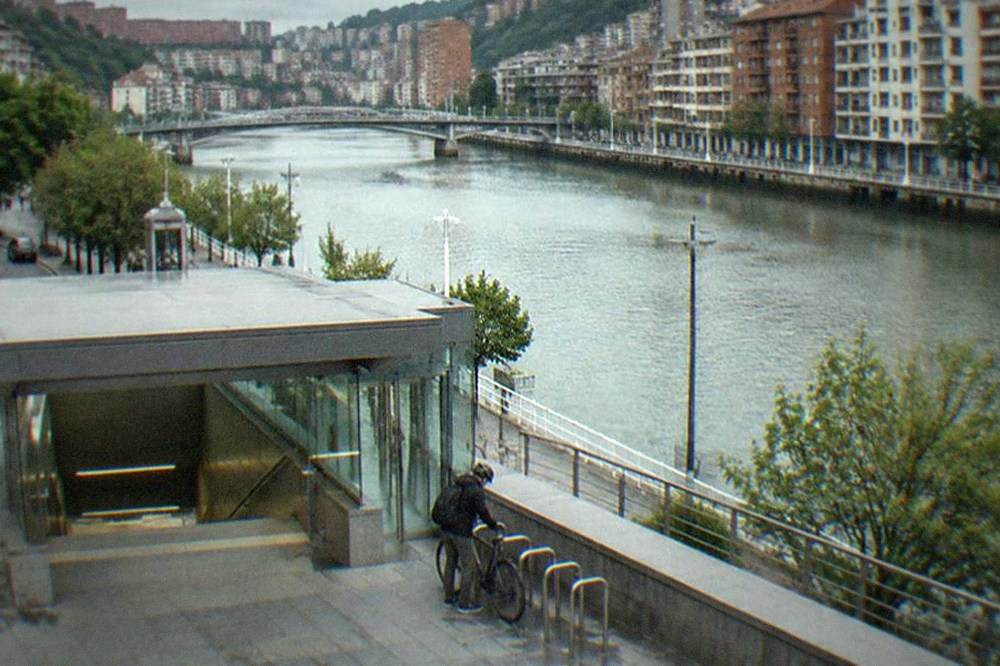
Bilbao's metro, Euskotren trains, tram and buses all run on the CTB's integrated Barik fare system, so a cyclist can ride the flat centre, then hop a train or metro to a coastal or inland starting point for the price of a zonal Creditrans fare, currently EUR1.02 for one zone, EUR1.19 for two zones and EUR1.30 for three zones with a Barik card. The Barik card is the practical key to this. Without one, a single metro journey costs EUR2.00 for one zone, EUR2.20 for two and EUR2.25 for three, with two-hour validity; with one, every journey drops to roughly half. The card itself costs about EUR3 to buy, non-refundable, though that purchase price comes from a commonly cited secondary source rather than an official CTB page, so treat it as reported. The Bilbao Bizkaia Card guide covers the separate tourist card option, which bundles unlimited transport with attraction discounts at EUR10 for 24 hours, EUR15 for 48 and EUR20 for 72.
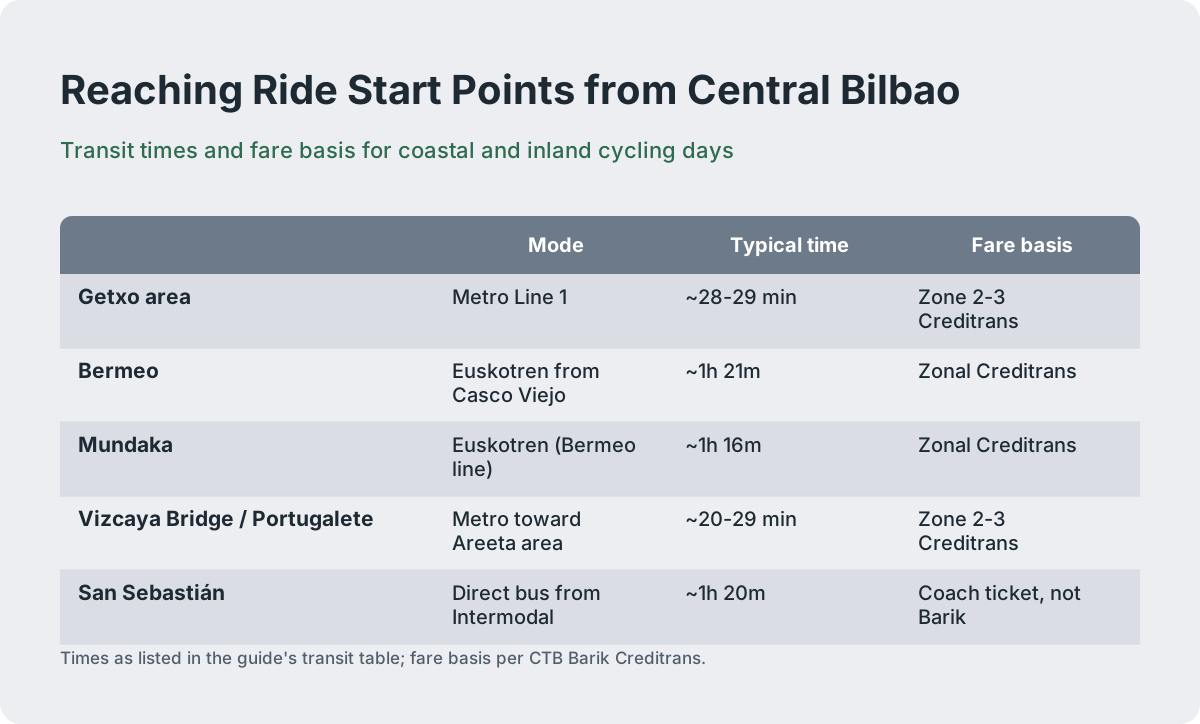
The destinations that matter most to a cyclist planning a coastal or inland day are all on this network. The pack's transit figures show the metro reaching the Getxo area in about 28-29 minutes from central Bilbao, Euskotren reaching Bermeo in roughly an hour and twenty minutes from the Casco Viejo station, and the same line reaching Mundaka in about an hour and sixteen minutes. That last pair is the classic surfing-coast combination: a train out, a ride around the Urdaibai estuary and the Mundaka headland, and a train back. The Mundaka guide and the Urdaibai biosphere reserve guide cover the riding country at the far end.
| Journey from central Bilbao | Mode | Typical time (per this site's research) | Barik fare basis |
|---|---|---|---|
| Getxo area | Metro Line 1 | ~28-29 min | Zone 2-3 Creditrans |
| Bermeo | Euskotren from Casco Viejo | ~1h 21m | Zonal Creditrans |
| Mundaka | Euskotren (Bermeo line) | ~1h 16m | Zonal Creditrans |
| Vizcaya Bridge / Portugalete | Metro toward Areeta area | ~20-29 min | Zone 2-3 Creditrans |
| San Sebastián | Direct bus from Intermodal | ~1h 20m | Coach ticket, not Barik |
Two cautions keep this honest. First, the pack does not verify bike-carry rules on specific metro or Euskotren services, so check the operator's current policy before planning a journey with a bike aboard, especially at peak times. Second, the San Sebastián row in the table is a bus journey, not a rail one, and the bus is the practical public option for that route; there is no direct high-speed train from Bilbao to San Sebastián. For a full comparison of the two cities as bases, the Bilbao vs San Sebastian guide goes deeper.
What Should You Know About Bilbao's Weather Before A Long Ride?
Bilbao has a temperate oceanic climate, Atlantic-influenced and rainy in every season, with AEMET's 1981-2010 normals for the Bilbao Aeropuerto/Loiu station (1082) showing an annual mean of 14.7 C and 1,134 mm of rain per year; the warmest and driest months are July and August, at 20.4 C and 20.9 C mean with 50 mm and 76 mm of rain respectively, while November is the wettest at 147 mm. This is not a Mediterranean city, and it is not a continental one. What that means for a cyclist is simple: the riding season is long, the temperature rarely punishes, but rain is a planning variable in every single month, and the difference between a good riding month and a soggy one is measured in rainfall, not in heat.
| Month | Mean temp (C) | Rain (mm) | Riding note |
|---|---|---|---|
| January | 9.3 | 120 | Cool and wet; short city rides |
| February | 9.7 | 86 | Drier than January, still chilly |
| March | 11.5 | 90 | Spring riding begins |
| April | 12.6 | 107 | Showers; green hillsides |
| May | 15.7 | 78 | Good balance of warmth and rain |
| June | 18.4 | 60 | Long days, reliable riding |
| July | 20.4 | 50 | Driest month; best for long routes |
| August | 20.9 | 76 | Warmest; festival crowds in the city |
| September | 19.2 | 73 | Quiet roads, mild air |
| October | 16.4 | 111 | Autumn rain returns |
| November | 12.4 | 147 | Wettest month; indoor days |
| December | 9.9 | 122 | Short, wet days; lights required |
The practical reading of that table: July is the driest month at 50 mm, August the warmest at a 20.9 C mean, and the May-to-September window is where the long coastal and hill rides sit most comfortably. November is the month to plan around, at 147 mm of rain. But the oceanic pattern also means a wet morning in June does not predict a wet afternoon, and a rain jacket is a year-round item on a Bilbao ride. The Bilbao weather guide unpacks the seasonal patterns, and the packing guide covers what to carry. One calendar note for late-summer riders: Aste Nagusia, the city's main festival, runs 22-30 August 2026, and the centre is busier and noisier during those nine days, which is either a reason to come or a reason to be on the coast, depending on your taste. The Aste Nagusia festival guide has the detail.
Which Guided Bike And E-Bike Tours Operate In Bilbao?
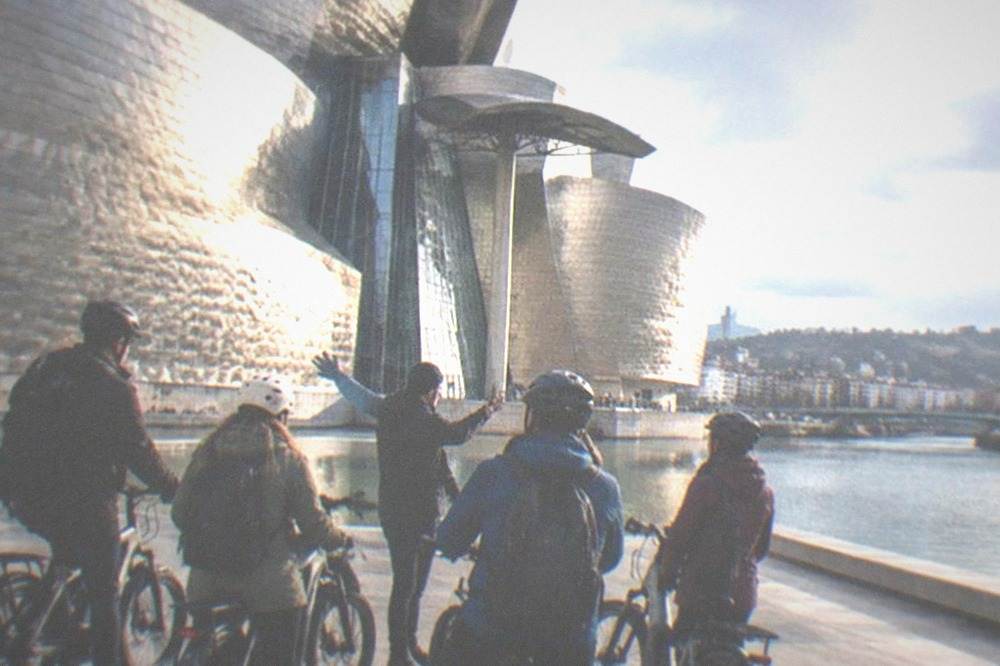
Several verified guided options exist, led by a small-group or private e-bike highlights tour and a second e-bike highlights product, plus a two-hour classic-bike city highlights tour, and all of them cover the central estuary sights with a local guide while leaving the pricing and current ratings to the operator's live listing. This site's policy is not to type a tour's price, rating or review count into prose, because those figures change and the compiler renders them from the live product record. What can be said is what each product is and who it suits.
The e-bike option is the one that removes the gradient question entirely. A small-group or private e-bike tour suits a visitor who wants the Abandoibarra, Guggenheim and old town corridor plus the viewpoints without arriving sweaty, and the private variant suits families or groups who want to set the pace. The classic-bike version on a standard bicycle suits riders who are comfortable with a bit of pedal work and want a shorter loop. For museum-goers, a guided Guggenheim tour is also on the roster, and the Guggenheim Museum Bilbao guide covers the standalone visit, where the museum's own site lists an EUR18 adult ticket with Tuesday-to-Sunday hours of 10:00 to 19:00, extending to 20:00 during Easter week and from 15 June to 13 September.
Between the two e-bike products the differences are mostly structural: one is sold primarily as a small-group or private option and the other as a fixed highlights tour, so the choice comes down to group size, departure flexibility and the exact stops on the day. Both cover the same flat corridor, and both suit riders who would rather not earn their hills. Checking live availability on both is the only reliable way to compare current pricing and departure times, since those render from the operator's listing rather than from this page. The wider set of guides lives on Bilbao Travel Guide.
Guided tours are not the only way to ride, and for confident cyclists they may be less interesting than a self-planned coastal day. But they solve three real problems: route-finding in a city whose cycling signage is patchy in places, the hill question for less fit riders, and the time cost of working out the estuary corridor alone. If you prefer two wheels only for the flat parts, the Bilbao bike rental guide covers the self-guided option, and the three days in Bilbao itinerary shows where a riding morning fits into a fuller stay.
What Day Trips Pair Well With A Cycling Day?
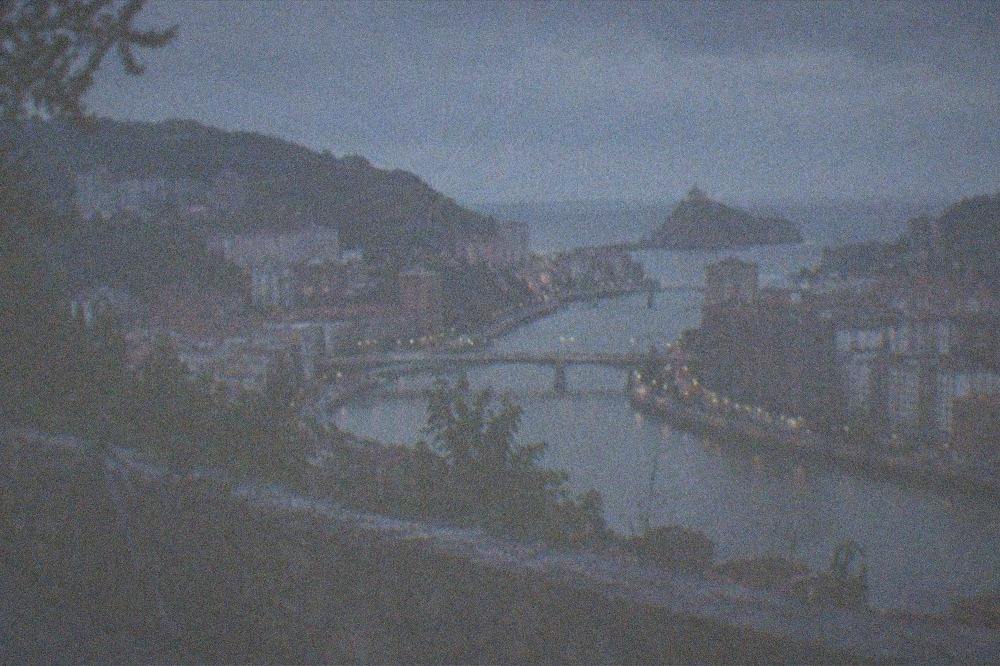
The strongest cycling-adjacent day trips from Bilbao are the Gaztelugatxe and Urdaibai coast, reachable by Euskotren to Bermeo or Mundaka in roughly an hour and twenty minutes, and the Getxo and Portugalete estuary mouth, reachable by metro in under half an hour, with the dramatic hermitage of San Juan de Gaztelugatxe the single most famous objective on the coast. Gaztelugatxe is the headliner, the islet hermitage reached by a stone causeway and a long staircase of steps, known to many visitors as the Game of Thrones "Dragonstone" location. The access rules matter and they are date-specific: a free timed reservation is required only on official controlled-access days, which in 2026 ran roughly daily from mid-June to about 20 September plus certain Easter and holiday weekends, with a daily cap of 1,462 visitors on controlled days and booking, always free, through the tiketa.eus platform for up to 10 people per reservation. On all other days access is free without a reservation, and as of 21 September 2026 access had reverted to free and reservation-free through the end of September, per a live news report. The Gaztelugatxe guide and the Game of Thrones companion page cover the calendar in detail.
For a cyclist, the coastal logic is simple: the train carries you to Bermeo or Mundaka, and the riding around the Urdaibai estuary, the Mundaka headland and the fishing-port streets is the reward. Bermeo itself is a working fishing port with a harbour that rewards a slow roll, and Mundaka is the surf town at the mouth of the estuary, covered fully in the Mundaka surfing guide. If you would rather not plan any of this yourself, the guided day-trip products handle the access logistics, the coastal roads and the stops, and the strongest verified option for this coast is below.
A second guided variant covers the same coast with a different shape: a tour built around Gaztelugatxe access with Bermeo and Gernika stops, which suits riders who want the coast's headline sights without the full-day commitment of the longer products. Gernika itself adds the historical layer, the town whose name carries the Basque Country's most famous symbolic weight, and the Gernika guide covers it. Both tours leave the logistics to the operator, which matters most in the controlled-access window when the timed reservation system is in force.
The second band of options pushes further: San Sebastián and the Basque coast to the east, reachable by direct bus in about an hour and twenty minutes, makes a full-day trip that pairs a morning in Bilbao with an afternoon on La Concha beach, and the French Basque Country tours extend that logic across the border. These are bus-and-walk days rather than cycling days, but they belong in the same planning conversation because they compete for the same slots in a week's itinerary. The San Sebastián day trip guide covers the independent version.
How Much Does Getting Around Bilbao Cost Without A Bike?
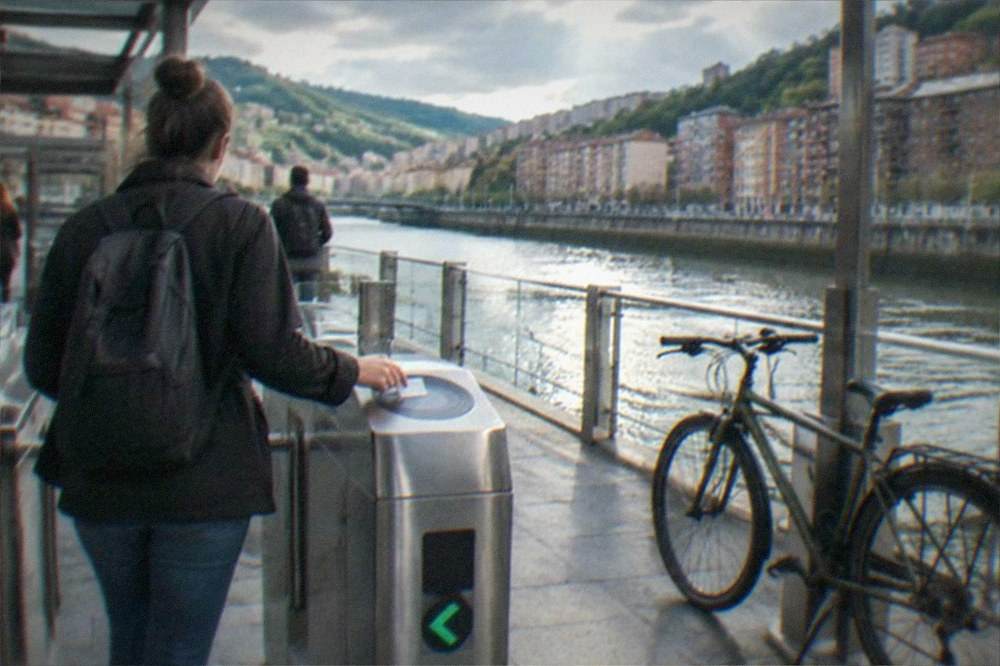
A single metro journey in Bilbao costs EUR2.00 for one zone without a Barik card, EUR2.20 for two zones and EUR2.25 for three, dropping to EUR1.02, EUR1.19 and EUR1.30 with a Barik Creditrans card, while a Bilbobus city bus single is EUR1.70, the tram is a flat EUR0.74 with Barik, and the tourist Bilbao Bizkaia Card runs EUR10 for 24 hours, EUR15 for 48 hours and EUR20 for 72 hours with unlimited transport included. These are the CTB's own tariff figures, content-checked directly against the consortium's fares page, and they frame the economics of a mixed bike-and-transit day. If you ride the flat centre and only take a train or metro at the edges, the Barik card pays for itself quickly; if you are in the city for two or three days and plan to move around constantly, the tourist card bundles the same mobility plus attraction discounts.
| Transport | Without Barik | With Barik Creditrans | Notes |
|---|---|---|---|
| Metro, 1 zone | EUR2.00 | EUR1.02 | 2-hour validity on singles |
| Metro, 2 zones | EUR2.20 | EUR1.19 | Covers many coastal trips |
| Metro, 3 zones | EUR2.25 | EUR1.30 | Outer Bizkaia |
| Bilbobus single | EUR1.70 | ~EUR0.73 base | Effective fare lower after discount |
| Bilbao Tram | ~EUR2.00 occasional | EUR0.74 flat | Euskotren Tranbia |
| Bizkaibus (zonal) | Higher occasional fares | EUR1.02-2.45 | 1-5 zones |
| Artxanda funicular | EUR3.50 one-way reported | Lower with Barik | Round trip EUR6.00 reported |
Two honesty notes attach to that table. The funicular fares are a single-source figure from the operator's fares page, not independently content-checked, so carry them as reported rather than guaranteed. And the Barik card's own purchase price, commonly reported at about EUR3 non-refundable, comes from a secondary source rather than an official CTB page, so expect to confirm it at a ticket machine. For airport arrivals, the Bizkaibus A3247 runs every 15 minutes, roughly 06:10-23:40 from the airport and 05:00-22:00 from the city, taking 15-25 minutes at EUR5 without a Barik card, and there is no metro or train link to Bilbao Airport, with the city council's own position being that none arrives before 2035. The Bilbao airport guide has the full arrival picture.
What Should You Pack And Plan For A Cycling Trip To Bilbao?
Plan for rain in any month, mild temperatures that rarely punish, and a city whose best riding sits on flat estuary ground with optional steep hills, which together mean a rain jacket, lights for winter months, and a decision about whether you want the hills at all; the verified climate data shows every month carrying between 50 mm and 147 mm of rain, so no season is dry, only drier. The packing guide covers the general wardrobe, but cycling adds specifics: layers that shed easily, because a cool river valley can open into a warm afternoon even in October, and a jacket that packs small because it will come out at some point.
The other planning items are logistical rather than meteorological. If you are arriving by air, the flights to Bilbao from the US guide covers the long-haul picture, and Spain's Schengen membership means no separate visa gate for travellers already inside the Schengen area. If you are staying several days and want to weigh a car against the transit-plus-bike approach, the renting a car in Bilbao guide and the Bilbao with a car and parking guide cover the driving alternative, which matters mainly for the coast: the pack's figures put Gaztelugatxe about 30-45 minutes away by car, against roughly an hour and ten minutes to two hours by bus with transfers. For budgeting the whole trip, the is Bilbao expensive guide has the numbers, including the tourist tax timing: a Bizkaia-wide regional tax takes effect on 1 January 2027, with Bilbao's approved rates running from EUR1 per night at pensions to EUR5 at five-star hotels and EUR6.50 for tourist apartments, so 2026 visitors pay none.
One accessibility note closes the planning section. The city's transport network is strongly accessible: Metro Bilbao stations carry elevators and tactile paving, the entire Bilbobus fleet is low-floor with ramps, and the Artxanda funicular offers step-free access with free travel for a wheelchair user's companion, per the official accessible-tourism writeup. The accessibility in Bilbao guide covers this fully, and it matters to cyclists too, because an accessible network is generally a network with lifts, ramps and level surfaces that make mixed mobility days easier for everyone.
Common Questions About Cycling Around Bilbao
Is Bilbao Good For Cycling?
Bilbao is good for cycling because its main attractions line a flat estuary corridor, its regenerated Abandoibarra waterfront was designed for walking and cycling, and its metro and Euskotren network let riders skip the distance and start at the coast or in the hills. The steep flanks of Artxanda and Pagasarri are optional, not obligatory.
Can You Cycle From Bilbao To The Sea?
Yes. The estuary corridor continues downstream toward Portugalete and Getxo at the river mouth, ending near the UNESCO-listed Vizcaya Bridge. For riders who do not want the full distance, the metro covers the same corridor in roughly 28-29 minutes to the Getxo area, which makes a ride-out, metro-back day practical.
When Is The Best Season For Cycling Routes Around Bilbao?
July and August are the warmest and driest months, with AEMET's 1981-2010 normals for the Bilbao airport station showing means of 20.4 C and 20.9 C and 50 mm and 76 mm of rain respectively. May, June and September are also good. November is the wettest month at 147 mm, and no month is fully dry, so pack rain gear year-round.
Do I Need A Barik Card To Combine Cycling With Public Transport In Bilbao?
A Barik card roughly halves transit costs: a one-zone metro journey is EUR2.00 without one and EUR1.02 with one, with the same proportional saving on trams, Bilbobus and Bizkaibus. The card is commonly reported to cost about EUR3 to buy, non-refundable, though that price comes from a secondary source. The separate Bilbao Bizkaia Card, at EUR10/24h, EUR15/48h and EUR20/72h, bundles unlimited transport with attraction discounts.
Can I Take My Bike On The Metro Or Train Around Bilbao?
The metro, Euskotren and tram networks cover the same corridors a cyclist wants, and the integrated Barik fares apply, but this site's research does not verify bike-carry rules on specific services, so check the operator's current policy before planning a journey with a bike aboard, particularly at peak times.
Are There Guided Cycling Tours In Bilbao?
Yes. Verified options include a three-hour small-group or private e-bike highlights tour, a second three-hour e-bike highlights product, and a two-hour classic-bike city tour, all with a local guide covering the central estuary sights. Current prices and ratings render from the operator's live listing at the point you check availability.
Whether you trace the estuary for an afternoon or ride the train to Mundaka and spend the day on the Urdaibai coast, the combination of flat city riding, cheap integrated transit and a green, Atlantic-washed hinterland is what makes cycling around Bilbao more varied than the city's industrial reputation suggests. Plan around the rain, take the hills only if you want them, and let the metro carry you home.