Solo Female Travel In Bilbao
Bilbao, in the Basque Country of northern Spain, is one of Western Europe's most manageable cities for a woman travelling alone: compact, well-policed, easy to navigate, and full of small bars where eating by yourself is completely normal.
Short answer
Bilbao is widely reported as one of Spain's safer major cities, it is compact enough to cross on foot, and its pintxos-bar culture makes solo dining effortless. This guide covers safety context, neighbourhoods, night transport, eating alone, and day trips.
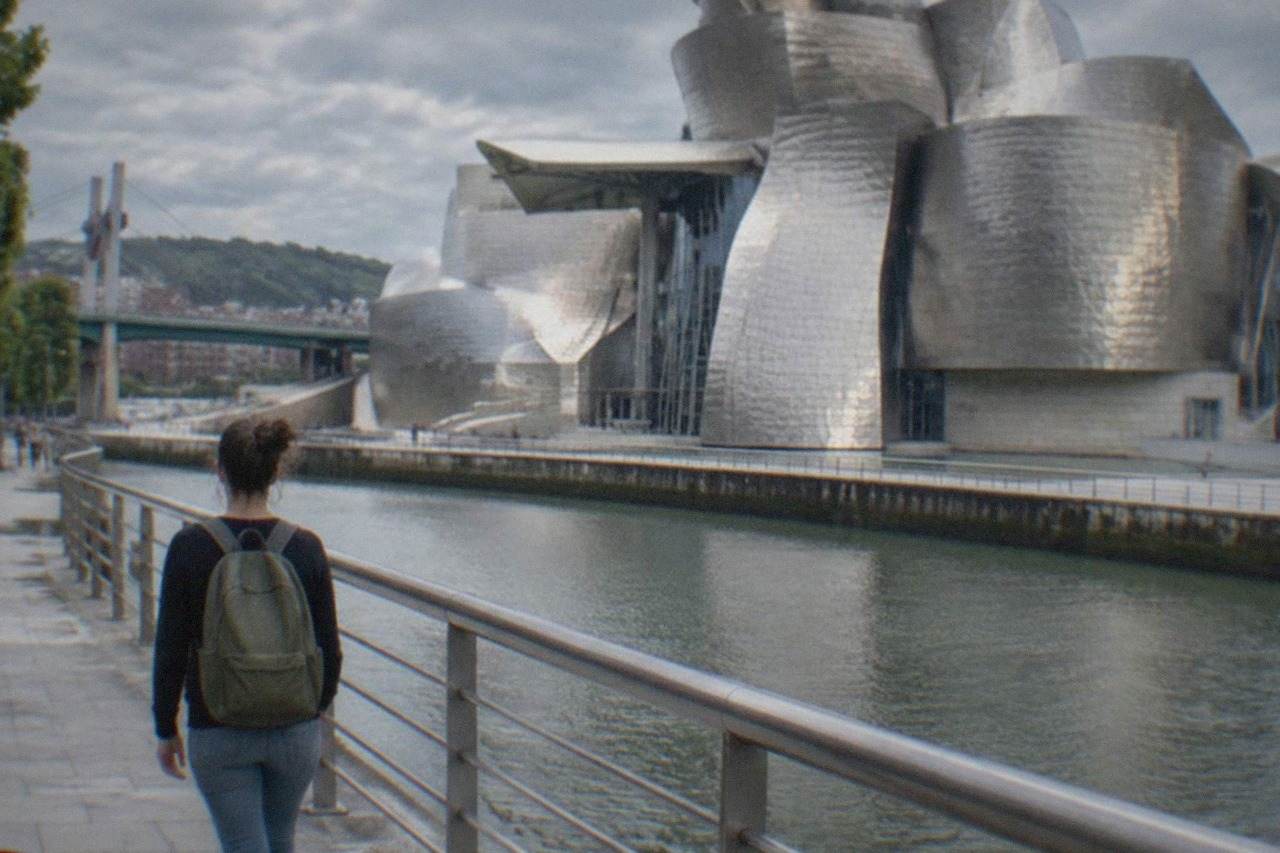
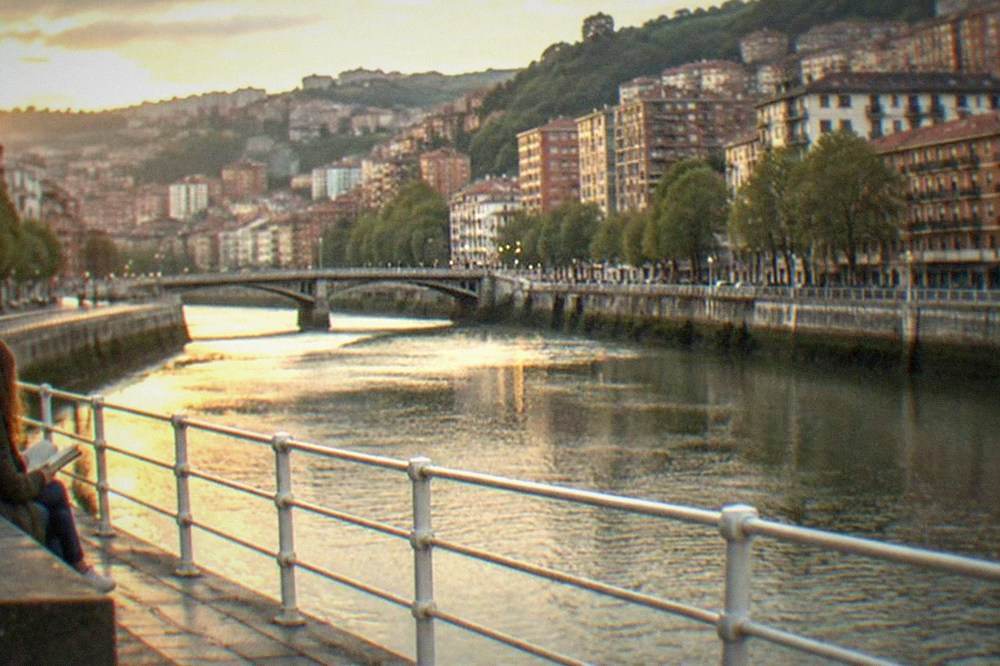
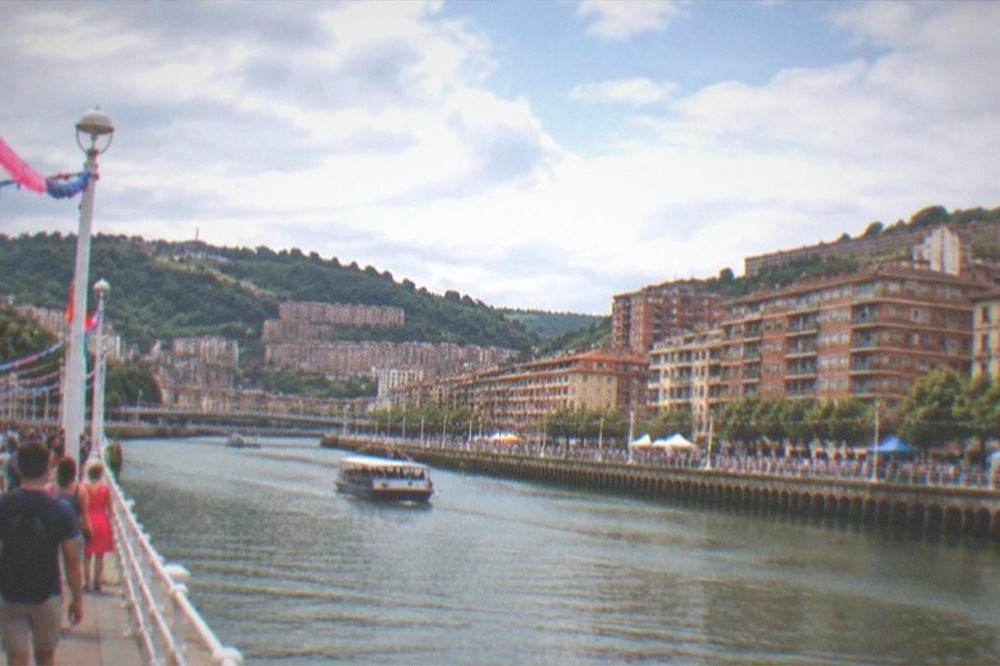
Bilbao, the largest city in the Basque Country of northern Spain, has quietly become one of the most practical city breaks in Europe for a woman travelling alone. It is small enough that a solo visitor can walk almost everywhere, its metro and trams run on a single rechargeable card, and its pintxos-bar culture means a table for one is not an event: standing at a bar with a small plate and a glass of txakoli is simply how the city eats. The estuary that shaped the city's industrial past now anchors its most pleasant walking routes, and the Guggenheim's titanium curves give the visit a single unmistakable focal point. This guide from Bilbao Travel Guide covers the questions women actually ask before booking: how safe the city really is, where to base yourself, how to get around after dark, how to eat alone without awkwardness, and which day trips work without a car.
Is Bilbao Safe For Solo Female Travellers?
Bilbao ranks among Spain's safer major cities according to local crime-balance reporting on 2025 data, and nothing in the official advisory picture singles it out: Spain is a founding Schengen member with no border check on arrival from another Schengen country, and the EU-wide emergency number 112 works everywhere in the city. Standard city precautions, watching your bag in crowds and keeping your phone off café tables, cover the realistic risk. No specific official travel advisory targets Bilbao.
The honest framing is that Bilbao's risks are the ordinary ones of any mid-sized European city, not a special category of danger. Local reporting on the municipal safety report describes presential crime dominated by low-level theft rather than violence, and resident perception surveys show most Bilbao residents feel safe in their own neighbourhoods. For a solo visitor that translates into a simple rule set: the Casco Viejo's Siete Calles and the Ribera Market area get crowded, and crowds are where distraction theft happens. Keep the day bag zipped and in front of you there, and the rest of the city asks very little of you.
A few scam patterns worth knowing are common to Spanish tourist cities rather than unique to Bilbao. Secondary sources describe fake plainclothes police asking to inspect a wallet, a request no genuine officer makes, and occasional overcharging in the most touristed bars, which a glance at the displayed prices defeats. None of this is verified as an official advisory, so treat it as standard-precaution advice rather than a warning about Bilbao specifically. The deeper safety page on this site, safety in Bilbao for visitors, goes into the reporting background in more detail.
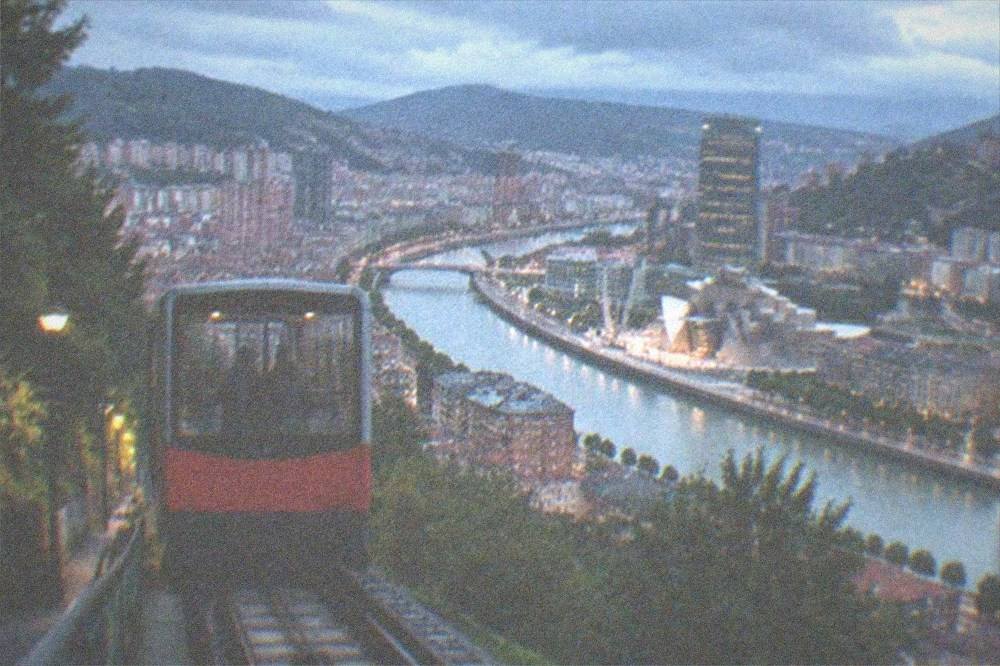
Practical safety also includes the boring infrastructure, and Bilbao scores well there. The whole Bilbobus fleet is low-floor and accessible, the metro stations have lifts and tactile paving, and the Funicular de Artxanda, which carries visitors up to the ridge viewpoint above the city, is wheelchair accessible with a lift at the upper station and free travel for a companion of a wheelchair user, per the official accessible-tourism writeup. If your plans include late nights, the Bilbao nightlife guide maps which districts stay lively and which go quiet, which is often the real safety question: a street with people on it at midnight is a different environment from an empty one.
Where Should A Woman Travelling Alone Stay In Bilbao?
For a solo traveller, Abando and Indautxu, the Ensanche core around the Gran Vía and Moyúa, are the strongest base: central, busy into the evening, and within walking distance of the Guggenheim, the tram, and both metro hubs. The Casco Viejo is atmospheric and safe but livelier at night; Abandoibarra is quiet, modern, and closest to the museums. All three work, but the Ensanche minimises the late-night walk home.
The reason location matters more for a solo visitor than for a couple is that last walk of the evening. Abando's grid of streets stays active because it is the commercial heart of the city; hotel and apartment options cluster around Moyúa, the tram runs along its spine, and the Abando interchange connects metro, suburban rail, and long-distance buses in one place. Indautxu, just west, adds quieter residential streets and the Indautxu sports-centre area without giving up the ten-minute walk to the museum district. The trade pages in where to stay in Bilbao break the districts down by budget and vibe.
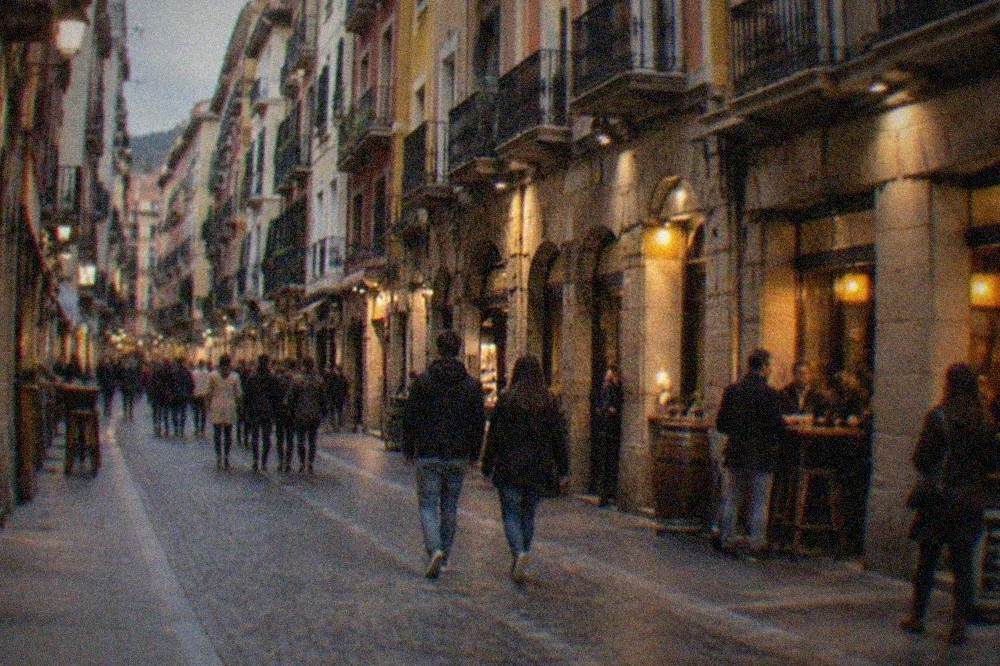
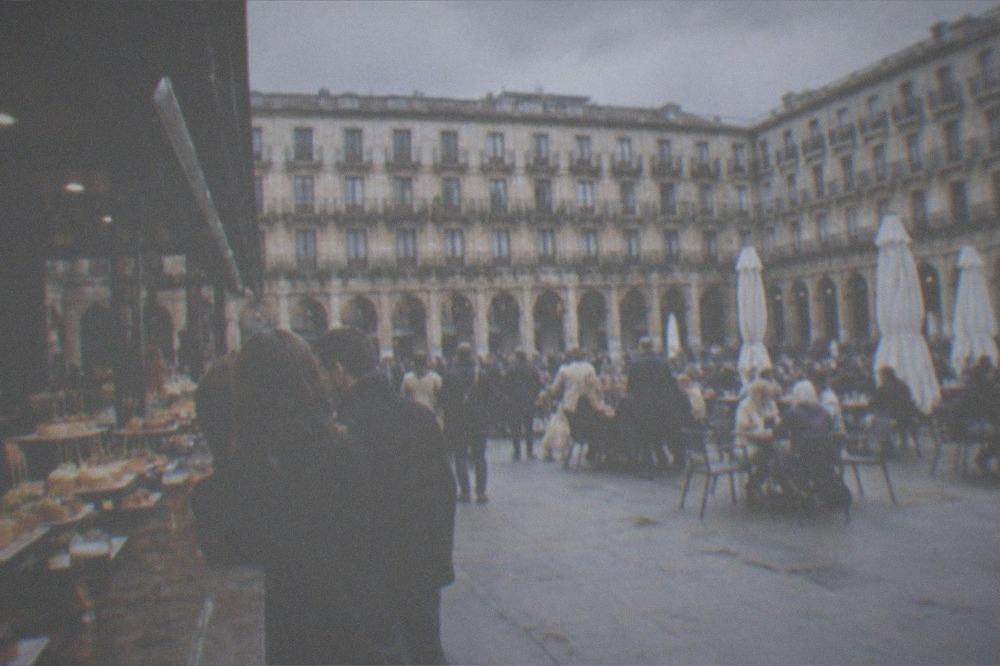
The Casco Viejo, the seven-street old town, is the most characterful option and the one most first-time visitors picture. Its lanes fill with the txikiteo, the standing-bar pintxos crawl, from early evening, which is a genuinely good environment for a solo traveller: a bar full of people eating alone is a bar where nobody notices you doing the same. The caveat is weekend noise rather than safety, so if you sleep lightly, ask for a room off Plaza Nueva rather than over it. Abandoibarra, the redeveloped riverfront between the Guggenheim and Euskalduna Palace, is the quietest of the three: new hotels, wide pavements, and the museums on the doorstep, but fewer late-night options.
One planning note that affects every 2027 booking: Bilbao's tourist tax does not exist in 2026. A Bizkaia-wide regional tax under Norma Foral 3/2026 takes effect on 1 January 2027, and Bilbao's council-approved rates, as reported, run from 1 euro per night in pensions up to 5 euros in five-star hotels, with 6.50 euros for tourist apartments. Reservations made before early February 2026 are generally exempt. If you book a 2026 stay, no tourist tax applies; if you book for 2027 onward, expect it on the bill.
| Neighbourhood | Best for a solo traveller | Evening character | Walk to Guggenheim |
|---|---|---|---|
| Abando / Ensanche | First visit, metro and tram access | Busy, commercial, lit | 15-20 min |
| Indautxu | Quieter stays, residential feel | Calm, local bars | 15-20 min |
| Casco Viejo | Atmosphere, pintxos on the doorstep | Lively, crowded weekends | 25-30 min |
| Abandoibarra | Museum-first visits, modern hotels | Quiet, riverfront walks | 5 min |
How Do You Get Around Bilbao Alone, Including At Night?
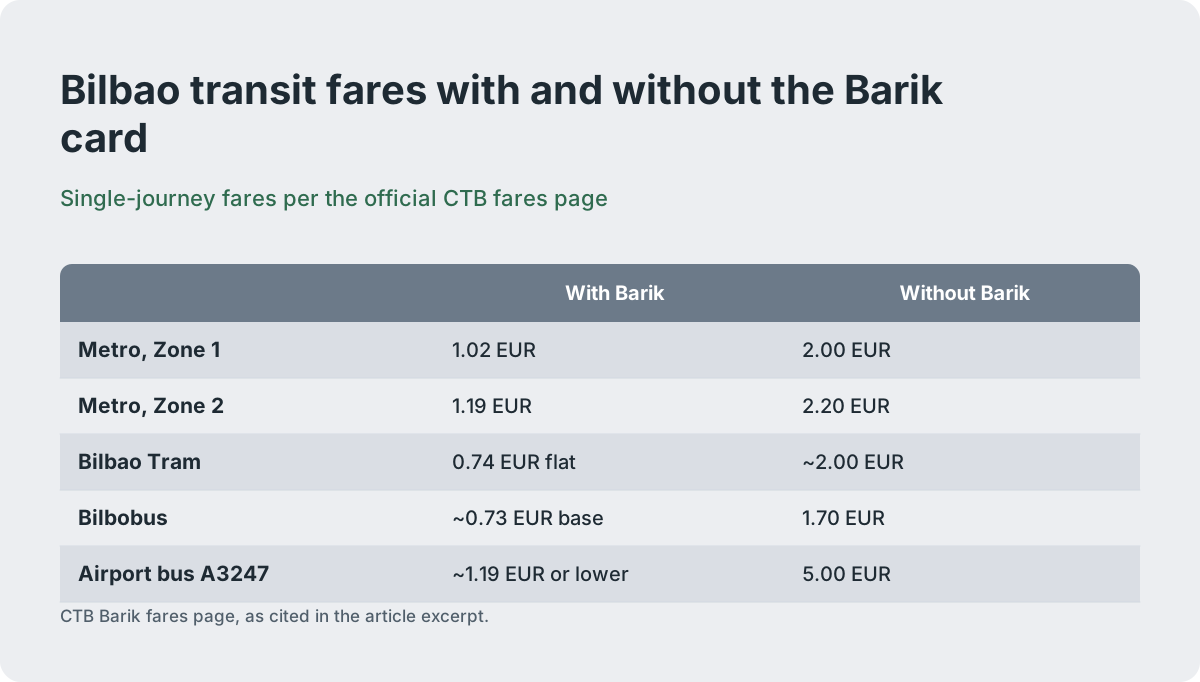
Bilbao is a one-card city: the Barik card covers metro, tram, Bilbobus city buses, Bizkaibus regional buses, and Euskotren trains, with a metro Zone 1 fare of 1.02 euros against 2.00 euros without the card, per the official CTB fares page. The metro's operating span and the tram's riverside route make late returns straightforward, and taxis are metered with no airport supplement. A solo traveller rarely needs anything else.
The arithmetic makes the case on its own. The CTB Barik fares page gives Metro Zone 1 at 1.02 euros with the card versus 2.00 euros for an occasional single, and Bilbobus at a base of roughly 0.73 euros with Barik against 1.70 euros without. The tram is 0.74 euros flat on Barik. The card itself is commonly reported to cost 3 euros to buy, non-refundable, though that purchase price comes from a secondary source rather than an official CTB page, so check at the machine when you arrive. For a stay of three days or more it pays for itself quickly. The full fare table and how the zones work are laid out in getting around Bilbao.
| Mode | Fare with Barik | Fare without Barik | Notes |
|---|---|---|---|
| Metro, Zone 1 | 1.02 EUR | 2.00 EUR | Occasional ticket valid 2 hours |
| Metro, Zone 2 | 1.19 EUR | 2.20 EUR | Covers Getxo on Line 1 |
| Bilbao Tram | 0.74 EUR flat | ~2.00 EUR | Riverside route past the Guggenheim |
| Bilbobus | ~0.73 EUR base | 1.70 EUR | Entire fleet low-floor and accessible |
| Airport bus A3247 | ~1.19 EUR or lower | 5.00 EUR | Every 15 minutes, 15-25 min journey |
For the evenings, the practical pattern is simple. The tram runs the length of the Abandoibarra riverfront, so museum-district evenings end with a lit, well-used walk to the stop rather than a deserted one. The metro's two lines cross the city with an interchange at Moyúa and Casco Viejo, and stations have lifts and wide validators, per Metro Bilbao's own accessibility materials. If you stay in the Casco Viejo, everything in the Siete Calles is a short walk from the Casco Viejo metro entrance. Taxis complete the picture: white with a red stripe, metered, and the run from the airport to the centre runs about 24-29 euros with no airport supplement and the Artxanda tunnel toll included, per the airport guidance. The Bilbao airport guide covers the arrival options in full.
What Should A Solo Female Traveller Actually Do In Bilbao?
The core solo itinerary is a walkable triangle: the Guggenheim and the Abandoibarra riverfront, the Casco Viejo's seven streets and Plaza Nueva, and the Ribera Market, with the Artxanda funicular for the panoramic view. The Guggenheim opens Tuesday to Sunday 10:00-19:00, extending to 20:00 from 15 June to 13 September, and an adult ticket costs 18 euros, per the museum's own hours-and-admission page. Everything else on the list is either free or a few euros.
The Guggenheim anchors the visit, and it rewards the solo traveller unusually well: the building's exterior, Maman the spider, and the riverside lawns are free public space, so you can spend a whole morning on the waterfront before deciding whether to go inside. The museum's own site lists the 18-euro adult ticket, the 9-euro student and senior reductions, free entry for under-18s, and the extended summer hours. A joint Artean pass with the Bilbao Fine Arts Museum is listed at 16 euros general and 8 euros reduced, though note the Fine Arts Museum's own reported closure from 31 August to 5 October 2026 for final renovation works, with a reopening on 6 October 2026 and a free entry week from 6 to 13 October, a single-source report worth confirming before you plan around it.
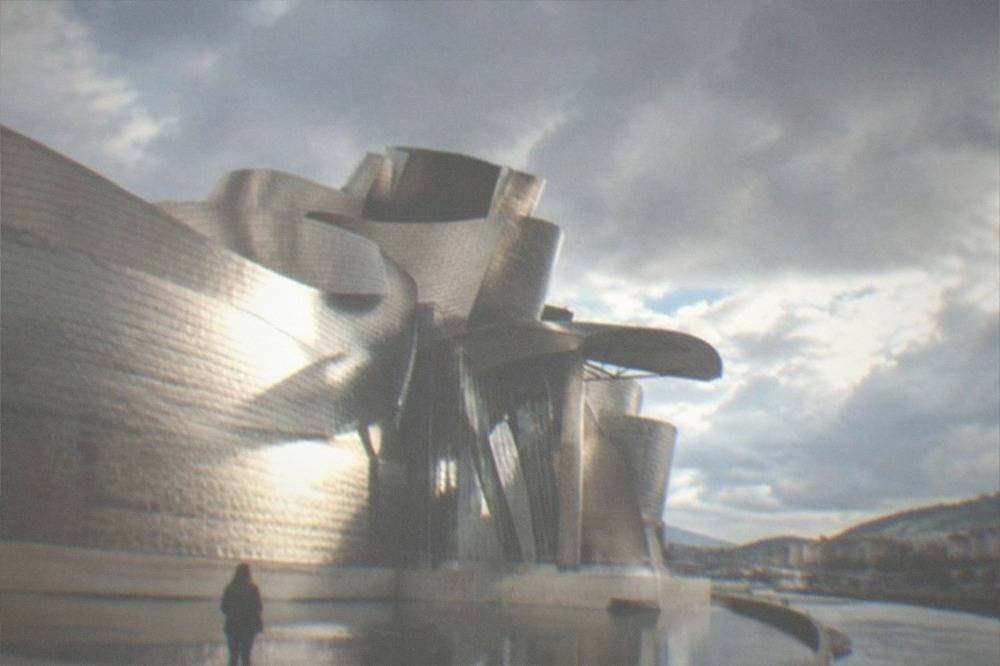
The Casco Viejo is the second pole. The Siete Calles, the Gothic Santiago Cathedral, and Plaza Nueva form a compact quarter where the default activity is wandering between bars. The Ribera Market, on the estuary edge of the old town, is one of Europe's largest covered markets and the natural morning stop. The full museum landscape, including the reopened Euskal Museoa, which returned on 10 June 2026 after a four-year, 20.3-million-euro renovation, is mapped in the Bilbao museums guide, and the day-by-day structure lives in the solo traveller itinerary.
For the view, the Funicular de Artxanda climbs from the Campo Volantín riverside to the ridge above the city; the reported fare is 3.50 euros one way or 6.00 euros round trip, a single-source figure, so confirm at the lower station. The ride takes about three minutes and runs every ten minutes at peak times, per the official accessible-tourism writeup, and the upper station's viewpoint terrace is the classic place for a solo traveller's sunset hour because it is a destination with a purpose rather than a lonely one.
A guided walk on your first morning solves the orientation problem, handing you a route, a story, and a temporary group before you have found your feet:
If you would rather cover the whole city in one stretch, the e-bike version reaches further, from the old town out to the riverfront and the hills, with the same small-group format that makes a solo traveller part of a group rather than a stranger in one:
Where Do You Eat And Drink Alone In Bilbao?
Pintxos bars are the solo traveller's best friend: the entire culture is built on standing at a counter, ordering one or two small plates, and moving on, so a woman eating alone in Bilbao is unremarkable rather than conspicuous. Plaza Nueva and the Siete Calles are the densest ground, and a typical crawl of four to six pintxos with drinks runs roughly 25-45 euros per person in the traditional bars. The counter, not the table, is where you eat.
The mechanics matter for a first-timer. In a traditional bar you point at the cold display, order hot items to the kitchen, and pay at the end or per round depending on the house; the prices are displayed, and the overcharging pattern noted by secondary sources only bites those who never look. Recent guides put traditional-bar pintxos at roughly 2-5 euros each, with simpler counter items at the low end and elaborate hot preparations higher, and drinks like txakoli or a zurito of beer at 2-3.50 euros. Those are planning ranges, not promises: check the board in each bar. The bar-by-bar shortlist, including long-standing Plaza Nueva names like Gure Toki and Sorginzulo, lives in the best pintxos in Bilbao guide.
If the crawl feels like hard work on day one, a guided food walk does the choosing for you and hands you a temporary group into the bargain, which is why it is the single most useful first-evening booking for a solo traveller:
The seated-restaurant scene is just as workable alone. The Basque Country has a serious dining culture, from neighbourhood grills to Michelin-starred rooms, and the 2026 Michelin guide kept Bizkaia's representation strong, with Azurmendi holding three stars and Bilbao one-stars including Ola, Nerua inside the Guggenheim, Mina, Zarate, and the newly starred Islares near the museum. Booking a table for one is normal and unremarkable; the best restaurants in Bilbao and Bilbao food guide pages sort the options by occasion and budget, and the money question is answered separately in is Bilbao expensive.
Which Day Trips Work For A Solo Traveller Without A Car?
The strongest car-free day trips from Bilbao are San Sebastián by direct bus, about 1 hour 20 minutes each way, the Gaztelugatxe-Bermeo-Gernika coastal combination by train and tour, and the Vizcaya Bridge at Portugalete by metro, about 20-29 minutes on Line 1 to Areeta. A guided small-group day tour removes the connection-planning entirely and gives a solo traveller a group for the day, which is why the coastal tours are the most booked option among visitors travelling alone.
Public transport makes the coast easy. The Euskotren from Zazpikaleak in the Casco Viejo reaches Bermeo in about 1 hour 20 minutes, with Mundaka a few minutes further on the same line, and Bizkaibus routes connect the same towns from central stops. San Sebastián is best done by the direct bus from the Bilbao Intermodal station, roughly 1 hour 20 minutes, since the train between the cities is a slow scenic route of nearly three hours. The Vizcaya Bridge, the UNESCO-listed transporter bridge between Portugalete and Getxo, is a metro ride away, with a pedestrian gondola crossing at 0.60 euros one way in daytime hours and a high walkway ticket reported at 11 euros round trip, a single-source figure. The full coastal options are laid out in the Gaztelugatxe and Getxo guides.
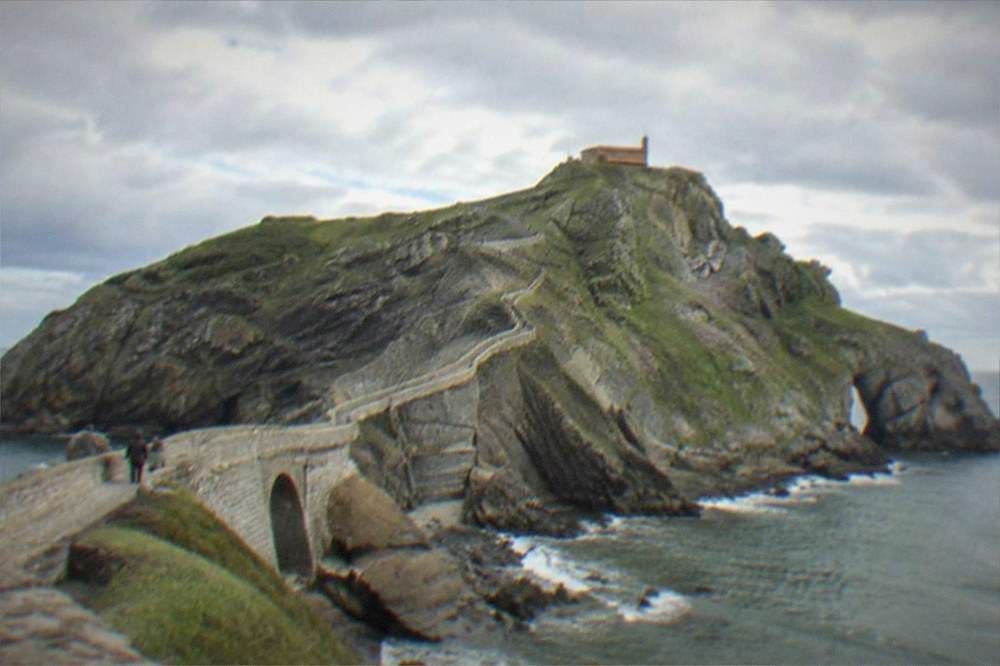
One access rule matters more than any other for Gaztelugatxe, the hermitage on its rocky islet. A free timed reservation is required only on official controlled-access days, roughly mid-June to about 20 September daily plus Easter and holiday weekends on the yearly calendar; on all other days access is free without a reservation. The daily cap on controlled days is 1,462 visitors, booking is via tiketa.eus with a maximum of 10 people per reservation, and as of 21 September 2026 access had reverted to free and uncontrolled through the end of September, per live reporting. A tour that includes access handles the reservation for you:
| Day trip | Best route without a car | Journey time | Solo-friendly note |
|---|---|---|---|
| San Sebastián | Direct bus from Bilbao Intermodal | ~1h 20m | Frequent departures, walkable city at the far end |
| Bermeo and Mundaka | Euskotren from Zazpikaleak | ~1h 20m | Same line, surf town and fishing port in one day |
| Gaztelugatxe | Guided day tour, or Bizkaibus toward Bakio | Tour 6h; bus ~1h 10m+ | Free timed ticket on controlled days only |
| Vizcaya Bridge | Metro Line 1 to Areeta | ~20-29 min | Gondola crossing 0.60 EUR daytime |
| Gernika | Euskotren toward Bermeo | Short hop on the same line | Small town, easy half day |
When Should You Go, And What Should You Pack?
The best months for a Bilbao visit are July and August, the warmest and driest in AEMET's normals for station 1082 at 20.4 and 20.9 degrees mean and 50 and 76 mm of rain, with June and September close behind; November is the wettest at about 147 mm. The climate is temperate oceanic, Atlantic-influenced, never Mediterranean, so pack a compact rain layer year-round and expect mild, not hot, summers.
The numbers deserve a look because they surprise visitors who expect southern-Spanish weather. AEMET's 1981-2010 normals for Bilbao Aeropuerto/Loiu put the annual mean at 14.7 degrees and annual rainfall at 1,134 mm, spread across every month, with even the driest month, July, averaging 50 mm. What that means practically is layers: a light jacket for mornings, something rainproof in the day bag, and comfortable shoes for the city's slopes. The seasonal detail is in the Bilbao weather guide, and the clothing logic in what to pack for Bilbao.
| Month | Mean temp | Rainfall | Solo-visit verdict |
|---|---|---|---|
| March | 11.5 C | 90 mm | Mild, fewer crowds |
| May | 15.7 C | 78 mm | Pleasant shoulder season |
| July | 20.4 C | 50 mm | Warmest, driest, busiest |
| August | 20.9 C | 76 mm | Aste Nagusia festival month |
| September | 19.2 C | 73 mm | Best balance of weather and space |
| November | 12.4 C | 147 mm | Wettest month, indoor days |
Timing around events changes the character of a solo trip completely. Aste Nagusia, the nine-day festival running 22-30 August 2026, fills the city with concerts, fireworks, and the txosna street bars, and it is a fantastic environment for a solo traveller precisely because the streets stay full and social until late; the programme is detailed in the Aste Nagusia guide. Music-first visitors planning further ahead should know BBK Live runs 8-10 July 2027 at Kobetamendi, with no lineup announced yet, per the BBK Live guide.
Money and language cause less friction than visitors tend to expect. The currency is the euro, tipping is casual, small change in bars and a bit more at a sit-down meal, and the details are in Bilbao currency, tipping and money. Both Spanish and Basque are in daily use, and signage can be either; the practical notes are in Basque or Spanish in Bilbao. How long to stay is a question of pace, and the full menu of options, including the LGBTQ visitor angle covered separately in the Bilbao LGBTQ travel guide, starts at the things to do in Bilbao overview.
Common Questions About Solo Female Travel In Bilbao
Is Bilbao safe for solo female travel?
Bilbao ranks among Spain's safer major cities according to local crime-balance reporting on 2025 data, and no official advisory singles the city out. Standard precautions against pickpocketing in crowded areas like the Casco Viejo cover the realistic risk, and the EU-wide emergency number is 112.
Is Bilbao safe at night for a woman alone?
The central districts, Abando, Indautxu, the riverfront, and the busy lanes of the Casco Viejo, stay active and lit into the evening, and the tram and metro cover late returns. As anywhere, prefer routes with people on them over empty shortcuts.
Where should a solo female traveller stay in Bilbao?
Abando and Indautxu are the strongest base for a first solo visit: central, busy in the evening, and connected to the metro, tram, and the Abando interchange. The Casco Viejo is more atmospheric but noisier on weekends, and Abandoibarra is the quietest, closest to the Guggenheim.
Is it awkward to eat alone in Bilbao?
No. Pintxos-bar culture is built around standing at a counter, and eating alone at the bar is the norm rather than the exception. A typical crawl of four to six pintxos with drinks runs roughly 25-45 euros per person in traditional bars, per recent guides, but check each bar's displayed prices.
Do I need a car for day trips from Bilbao as a solo traveller?
No. San Sebastián, Bermeo, Mundaka, Gernika, and the Vizcaya Bridge are all reachable by bus, metro, or Euskotren train, and guided small-group day tours handle the coastal combinations, including the free timed reservation for Gaztelugatxe on controlled-access days.
What is the best time of year for solo female travel in Bilbao?
July and August are the warmest and driest months in AEMET's normals, and August adds the Aste Nagusia festival. June and September offer a better balance of weather and crowds, while November is the wettest month at about 147 mm of rain.