Bilbao Public Holidays
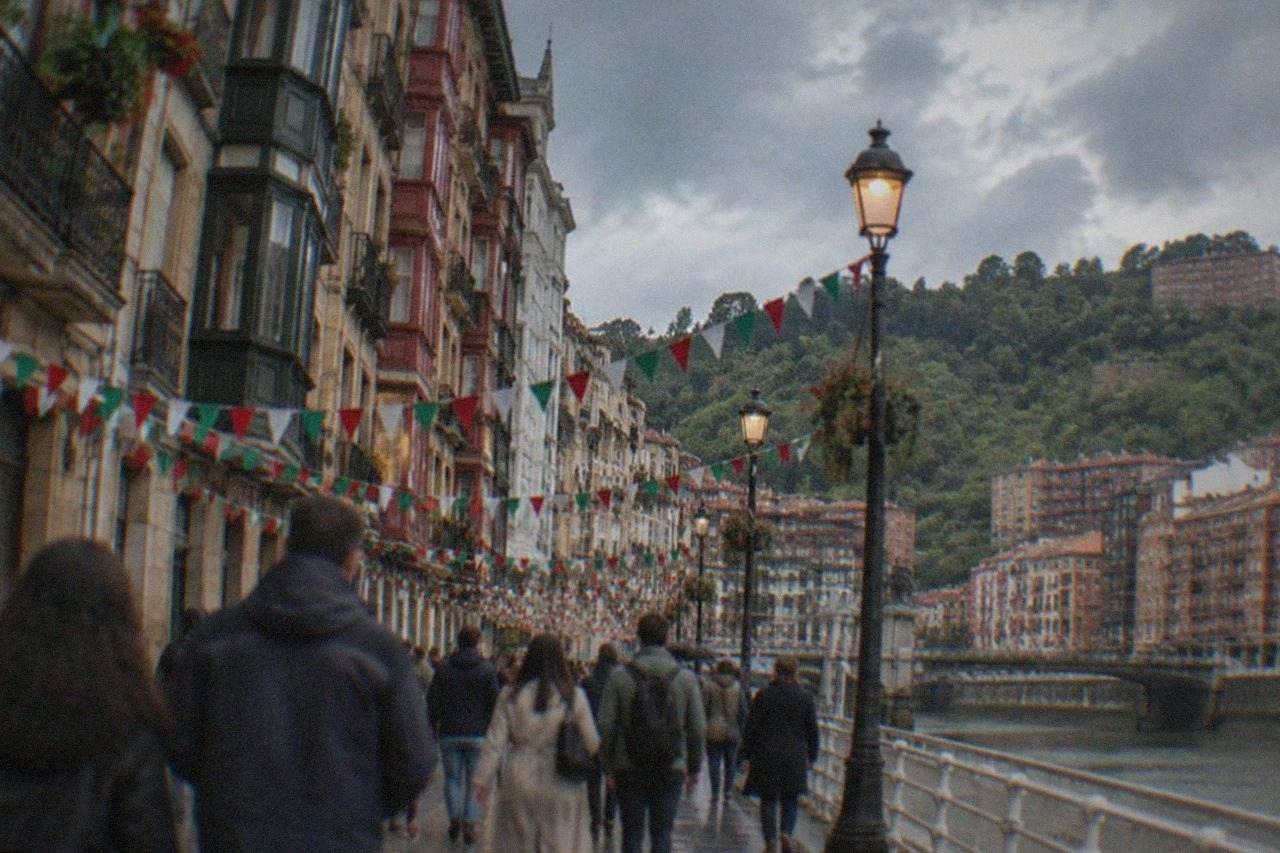
Bilbao, in the Basque Country of northern Spain, runs on two calendars at once: the national Spanish holiday list and a local festival cycle that can double the city's energy, or empty its shops, depending on the date. This guide maps both for 2026 and 2027.
Short answer
Bilbao observes Spain's national public holidays plus Basque regional ones, and layers its own festival calendar on top, headlined by Aste Nagusia from 22 to 30 August 2026. Museums mostly stay open on holidays but shift hours, shops close on major feast days, and a few dates around Gaztelugatxe are reserved for local events.
Bilbao, the largest city in Biscay (Bizkaia) province in the Basque Country (Euskadi) of northern Spain, keeps a holiday calendar that catches many first-time visitors off guard. The city sits on the tidal Nervion estuary about 15 km from the Bay of Biscay, and its festive year blends national Spanish public holidays, Basque regional observances and a dense local festival cycle. Some dates fill the streets with concerts and fireworks; others quietly shut down the shops while the bars stay full. Planning around them is the difference between arriving during the city's biggest party and arriving to find everything shuttered.
What Public Holidays And Festivals Does Bilbao Observe In 2026 And 2027?
Bilbao follows the full Spanish national holiday calendar plus Basque regional holidays, and then adds its own festival year on top, with Aste Nagusia (22 to 30 August 2026) as the centrepiece. The practical pattern to remember is that museums and transport mostly keep running on public holidays, while many retail shops close, and the biggest disruption to sightseeing comes not from official holidays but from the city's festivals, when hotel demand and street crowds spike sharply.
The national framework applies everywhere in Spain: Bilbao is part of Spain and a Schengen-area city, so there is no separate entry or visa consideration tied to holidays. What makes Bilbao's calendar distinctive is the regional and municipal layer. The Basque Country keeps its own regional holiday, and Bilbao's municipal festival, Aste Nagusia, transforms the city for nine days each August in a way few Spanish cities of its size match. In 2026 it runs 22 to 30 August, opening with the traditional txupin rocket and proclamation in Plaza Arriaga at 19:00 on 22 August, followed by daily concerts in Abandoibarra, nightly fireworks at 22:30 from 22 to 29 August, and the txosna street-bar culture of the konpartsak neighbourhood groups.
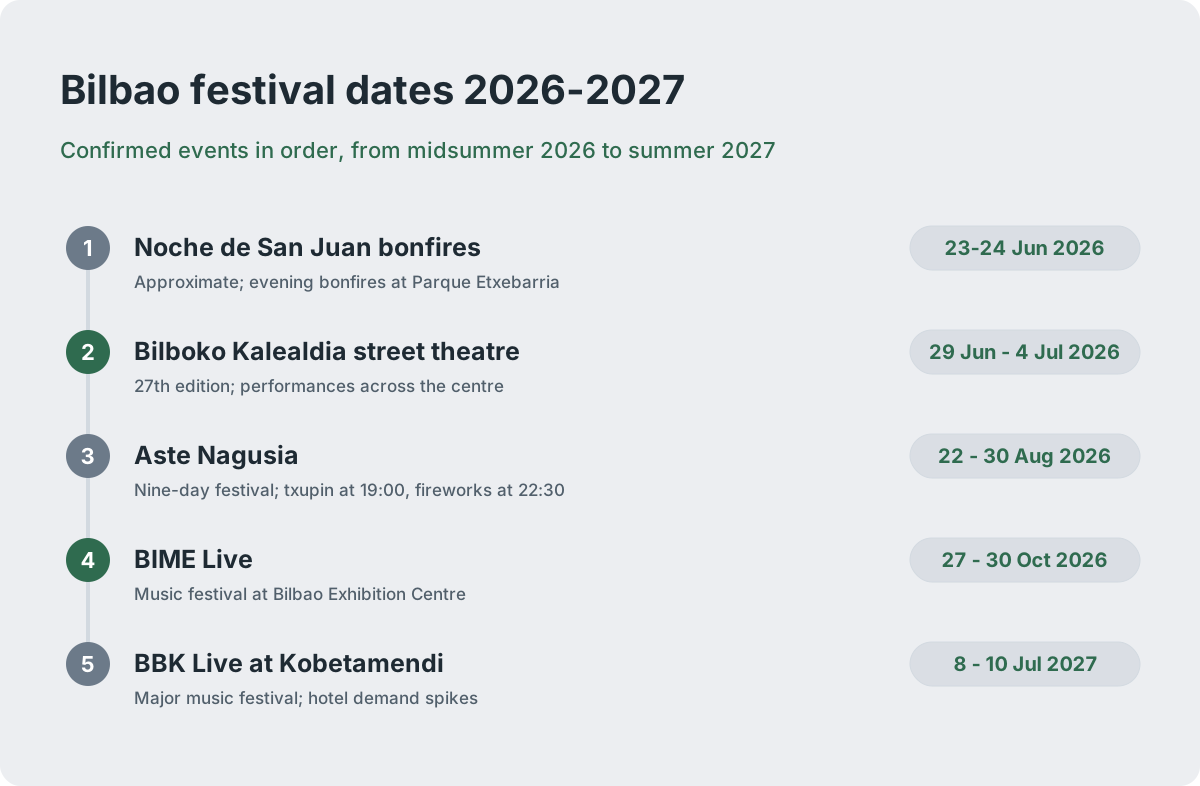
Beyond Aste Nagusia, the confirmed 2026 and 2027 festival dates that matter for planning are firm. BBK Live, the city's major music festival, takes over the Kobetamendi hilltop site on 8 to 10 July 2027, with no lineup announced yet. Bilboko Kalealdia, the street-theatre festival, fills the city centre from 29 June to 4 July 2026. BIME Live runs 27 to 30 October 2026 at the Bilbao Exhibition Centre, and the midsummer Noche de San Juan bonfires fall around 23 to 24 June each year, with Parque Etxebarria among the main sites.
| Date (2026-2027) | Event | What changes for visitors |
|---|---|---|
| 23-24 Jun 2026 (approx.) | Noche de San Juan bonfires | Evening bonfires, notably at Parque Etxebarria |
| 29 Jun - 4 Jul 2026 | Bilboko Kalealdia (27th edition) | Street theatre performances across the centre |
| 22 - 30 Aug 2026 | Aste Nagusia | Nine-day city festival; concerts, fireworks, txosnas |
| 27 - 30 Oct 2026 | BIME Live | Music festival at Bilbao Exhibition Centre |
| 8 - 10 Jul 2027 | BBK Live, Kobetamendi | Major music festival; hotel demand spikes |
One planning note that almost no guide carries yet: a regional tourist tax across Bizkaia, approved under Norma Foral 3/2026, takes effect on 1 January 2027, with Bilbao's own rates running from EUR1 per night in pensions up to EUR5 in five-star hotels and EUR6.50 for tourist apartments. Visitors in 2026 pay no tourist tax at all, and reservations made before early February 2026 are generally exempt from the 2027 charge. If your holiday trip straddles the year boundary, that date matters to your bill.
When Is Aste Nagusia, And What Happens During Bilbao's Big Festival?
Aste Nagusia 2026 runs from 22 to 30 August, nine days of concerts, fireworks, street parties and neighbourhood txosna bars, opening with the txupin ceremony in Plaza Arriaga at 19:00 on 22 August. It is the single busiest and most atmospheric week of Bilbao's year: expect crowded hotels, late nights, evening fireworks, and a city that runs on festival time rather than office time.
The festival's structure is unusually local. The txupin launch and the proclamation (with pregonera Onintza Enbeita and txupinera Ainhoa Urrejola in 2026) open proceedings in Plaza Arriaga, and from there each neighbourhood kompartsa runs its own txosna, a decorated street bar that doubles as a social club, with music and activities for families as well as night owls. The XXXIX International Fireworks Competition runs 22 to 29 August at 22:30, with an exhibition display on the 29th, so the sky over the estuary lights up on nine consecutive evenings. Daily concerts in Abandoibarra, the riverside district between the Guggenheim and the Euskalduna Palace, are free and draw big crowds.
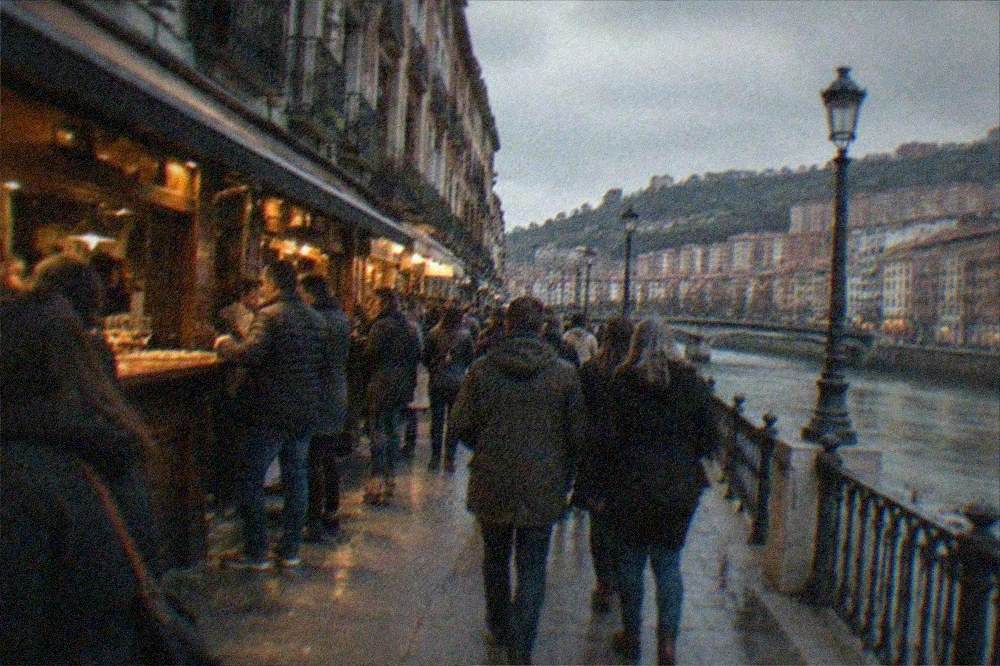
For visitors, Aste Nagusia cuts both ways. It is the best possible week to feel the city's personality, and the worst week to expect quiet museums or easy restaurant tables. Book accommodation far ahead, and expect the pintxos bars of the Casco Viejo and Plaza Nueva to be at capacity from early evening. If you prefer calm, the weeks immediately before or after the festival give you the same summer weather with a fraction of the crowds.
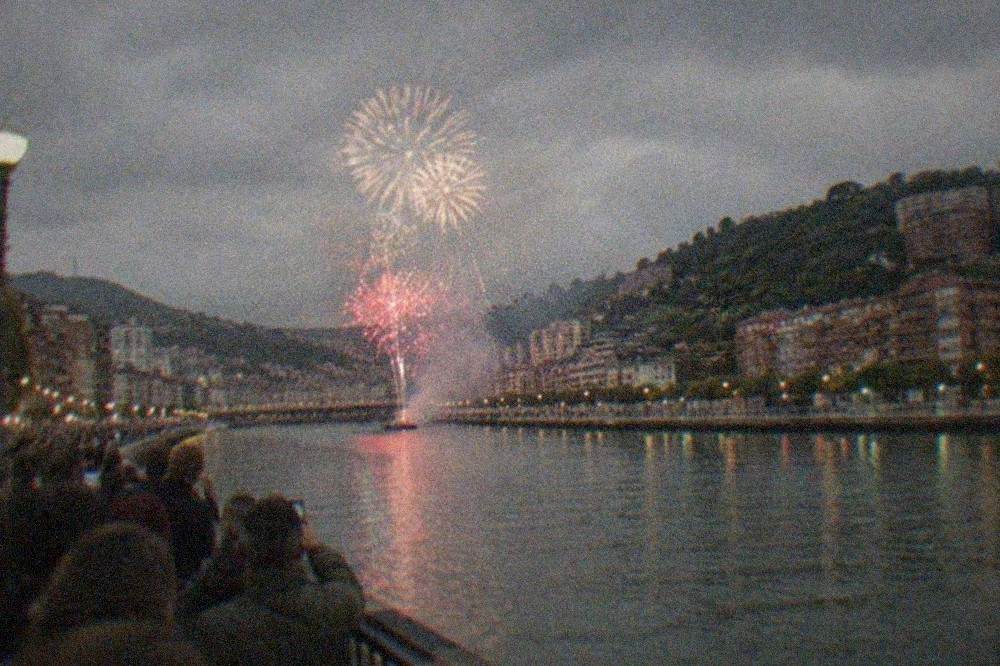
Aste Nagusia is also the moment when day trips out of the city make the most sense as a mid-festival escape valve. The Basque coast is at its best in late August, and organised coastal excursions let you trade the festival noise for sea air and still be back for the 22:30 fireworks.
Do Bilbao's Museums And Attractions Change Their Hours On Holidays?
Yes, and the changes are specific rather than general: the Guggenheim Museum Bilbao keeps Tuesday-to-Sunday hours of 10:00 to 19:00, extends to 20:00 during Easter week and from 15 June to 13 September, and even opens on several holiday Mondays, while the Bilbao Fine Arts Museum is closed entirely from 31 August to 5 October 2026 for its renovation finale, reopening on 6 October 2026 with a free entry week from 6 to 13 October.
The Guggenheim's own hours-and-admission page is the model of how Bilbao handles holidays. The museum closes only on 25 December and 1 January, and closes early (17:00) on 24 and 31 December. Against that, it opens on a list of Mondays that would normally be closed because they fall on or near holidays: 30 March and 6 April 2026 around Easter, every Monday from 15 June to 7 September in summer, 12 October, and 7 and 28 December. Adult admission is EUR18, with the audio guide included, and ticket desks close 30 minutes before the museum itself. The takeaway: a holiday Monday in Bilbao is often a museum day, not a dead day.
The Bilbao Fine Arts Museum is the big exception to plan around in 2026. It is closed from 31 August to 5 October 2026 for the final phase of its expansion, then reopens on 6 October 2026 with roughly 1,000 works on display in a building that has grown by about 6,000 square metres. The reopening week, 6 to 13 October, is free entry, and from 14 October adult general admission is EUR12 (reduced EUR6, under-18s free), with a joint Artean pass covering both the Fine Arts Museum and the Guggenheim at EUR16 general or EUR8 reduced. The reopening date is reported by the museum's own planning page and coverage of the project; treat it as the current stated plan rather than a guarantee, and check before you travel.
| Attraction | Holiday pattern | Key 2026 dates |
|---|---|---|
| Guggenheim Museum Bilbao | Tue-Sun 10:00-19:00; to 20:00 Easter week and 15 Jun-13 Sep | Closed 25 Dec and 1 Jan; open holiday Mondays incl. 12 Oct, 7 and 28 Dec |
| Bilbao Fine Arts Museum | Closed 31 Aug-5 Oct 2026 for renovation | Reopens 6 Oct; free week 6-13 Oct; EUR12 admission from 14 Oct |
| San Mames stadium museum and tour | Tue-Sun 10:00-20:00 Mar-Oct (daily Jul-Aug); 10:00-19:00 Nov-Feb | Closed Mondays Nov-Feb; restricted on match days |
| Euskal Museoa (Basque Museum) | Reopened 10 Jun 2026 after a EUR20.3M renovation | New layout; sections opened through Sep-Oct 2026 |
San Mames, the Athletic Club stadium, follows its own seasonal rhythm: the museum and tour run 10:00 to 20:00 Tuesday to Sunday from March to October (daily in July and August), and 10:00 to 19:00 from November to February with Monday closures. Self-guided visits with an audio guide in Spanish, Basque, English and French cost EUR15 for adults, and the guided Museum+Tour combination is EUR22. Match days restrict access, so if your holiday trip coincides with a fixture, expect the museum to close hours before kick-off.
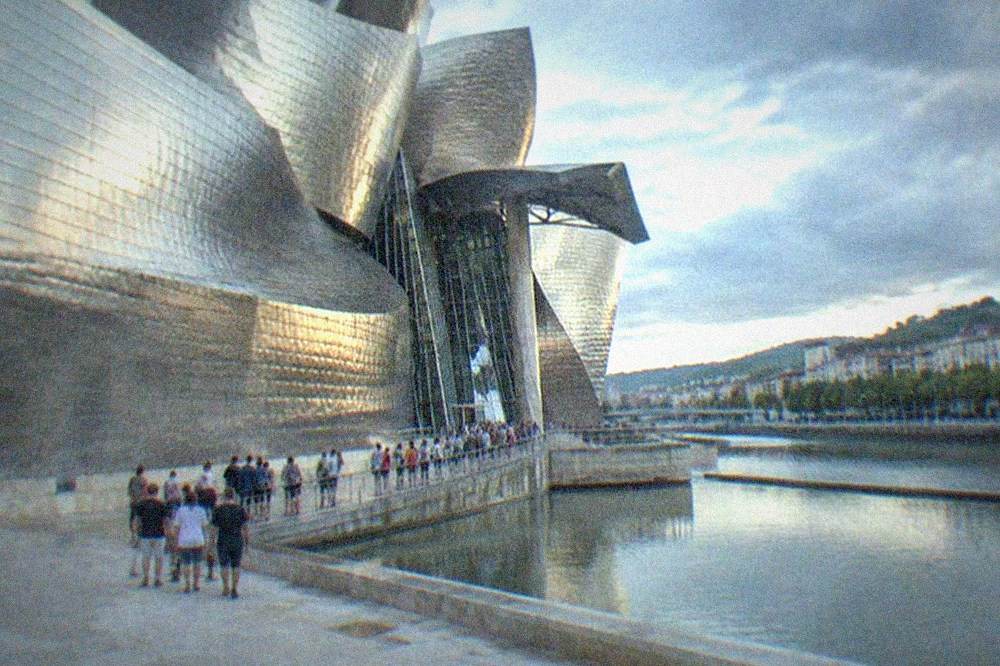
Holiday weeks are exactly when a guided museum visit earns its keep, since timed commentary cuts through the crowds. The Guggenheim's small-group VIP experience is the standout option for holiday periods.
What Should You Know About Easter And Christmas In Bilbao?
Easter week and the Christmas period are the two holiday windows when Bilbao's rhythm changes most visibly: the Guggenheim extends its closing hour to 20:00 during Easter week (30 March to 12 April 2026) and opens on the Easter Monday holidays, while at Christmas the museum closes only on 25 December and 1 January, closes early on 24 and 31 December, and opens on 7 and 28 December, Mondays that would normally be dark.
Semana Santa in Bilbao is a quieter affair than in Andalusia: there are processions, but the city's version is restrained, and the bigger draw is the museum-and-pintxos circuit running on extended hours. The Guggenheim's Easter-week extension to 20:00 gives you a later evening option than almost anywhere else in the city, and the 12 October holiday later in the year gets the same treatment, with the museum opening on a day when much of the city's retail shuts. Gaztelugatxe, the hermitage islet on the coast, treats Easter and its surrounding weekends as controlled-access days requiring a free timed reservation, so a holiday-week excursion there needs booking ahead via the official tiketa.eus platform.
Christmas runs differently. The key structural facts come straight from the Guggenheim's calendar: full closure on 25 December and 1 January, early closing at 17:00 on 24 and 31 December, and openings on 7 and 28 December, which sit alongside the 6 and 8 December public holidays that anchor the Spanish festive fortnight. The Fine Arts Museum's reopening on 6 October 2026 means that by Christmas it is fully back in operation, making the 2026 festive season the first in years with both major museums at full strength. New Year's Eve in Bilbao is a street and square affair centred on the Casco Viejo, and the 28 December Guggenheim opening falls inside the puente, the long Spanish holiday bridge week, when family crowds are at their thickest.
| Holiday window | Guggenheim hours | Practical effect |
|---|---|---|
| Easter week (30 Mar - 12 Apr 2026) | Open to 20:00; open Mon 30 Mar and 6 Apr | Extended evenings; book timed tickets |
| 15 Jun - 13 Sep 2026 | Open to 20:00, incl. summer Mondays | Peak season hours |
| 24 and 31 Dec | Early close at 17:00 | Plan museum visits for mornings |
| 25 Dec and 1 Jan | Closed | Museums dark; city celebrations instead |
| 7 and 28 Dec | Open (normally closed Mondays) | Holiday bridge weeks busy |
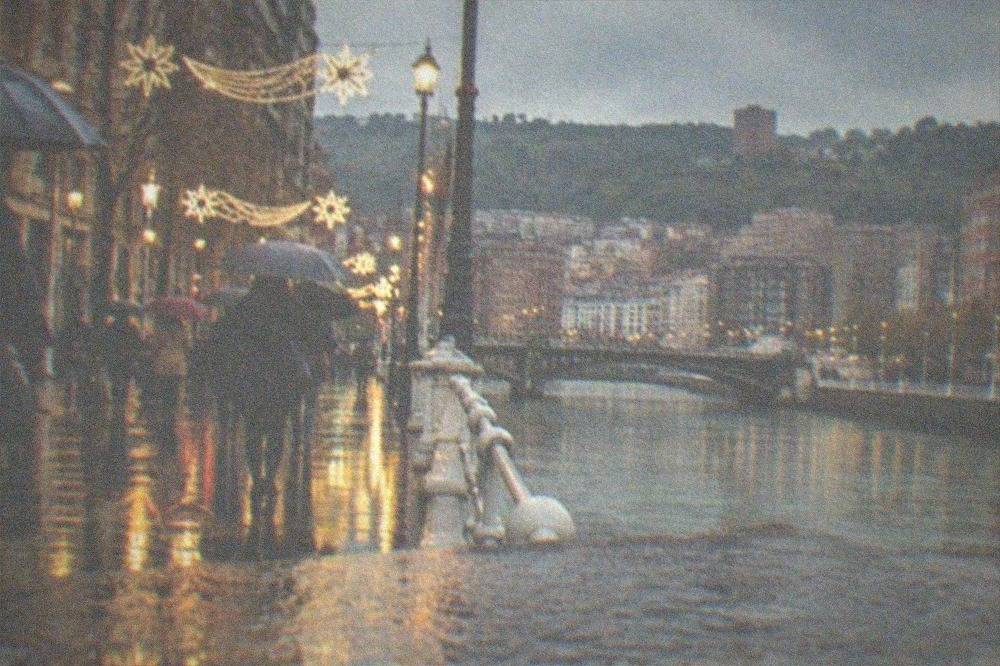
Weather shapes these windows too. Bilbao's climate is temperate oceanic, never Mediterranean: AEMET's normals for the Bilbao Aeropuerto/Loiu station (1082) show a January mean of 9.3 C with 120 mm of rain and an August mean of 20.9 C, with November the wettest month at 147 mm. Pack for rain at Christmas and Easter alike; the Bilbao weather guide and the what to wear and pack guide cover this in detail.
How Do Holidays Affect Transport And Getting Around Bilbao?
Public transport in Bilbao largely keeps running through public holidays, with the Bizkaibus A3247 airport line running every 15 minutes (roughly 06:10 to 23:40 from the airport, 05:00 to 22:00 from the city, at EUR5 without a Barik card), while the metro, tram and Bilbobus operate on reduced Sunday-style schedules on many feast days, so the main planning task is checking Sunday timetables rather than expecting shutdowns.
The airport connection is the one that matters most on a holiday arrival. The A3247 runs a full service on most holidays, with only minor special adjustments around 24, 25 and 31 December, and a taxi to the centre costs roughly EUR24 to 29 with no airport supplement. Inside the city, the fare structure stays constant across the calendar: the CTB Barik fares page gives Metro Zone 1 at EUR1.02 with a Barik card (EUR2.00 without), Bilbobus at EUR1.70 single (about EUR0.73 with Barik), and the tram at EUR0.74 with Barik. The Bilbao Bizkaia Card, at EUR10 for 24 hours, EUR15 for 48 hours and EUR20 for 72 hours, bundles unlimited transport with museum discounts and is a sensible holiday-week purchase when you are riding more than usual.
Two transport facts deserve holiday-specific attention. First, Bizkaia is simplifying its fare zones from five to three and expanding free transfers from 2027, with pilots running through 2026, so holiday-season schedules and transfer rules in late 2026 may look slightly different from the printed norm. Second, there is no metro or direct rail link to Bilbao Airport, and the city council's own position is that none arrives before 2035, so no holiday timetable will ever rescue a missed bus; plan the A3247 or a taxi. The airport guide and the getting around Bilbao transport guide carry the full detail.
| Mode | With Barik | Without Barik | Holiday note |
|---|---|---|---|
| Metro Bilbao (Zone 1) | EUR1.02 | EUR2.00 (2h validity) | Sunday-style schedules on many feast days |
| Bilbobus city bus | ~EUR0.73 base | EUR1.70 | Reduced frequency on holidays |
| Bilbao Tram | EUR0.74 flat | ~EUR2.00 | Runs to museum district |
| Bizkaibus A3247 airport | ~EUR1.19 or lower | EUR5 | Every 15 min; minor 24/25/31 Dec adjustments |
| Funicular de Artxanda | Lower with Barik | EUR3.50 one-way, EUR6.00 return | Runs every 10-15 min |
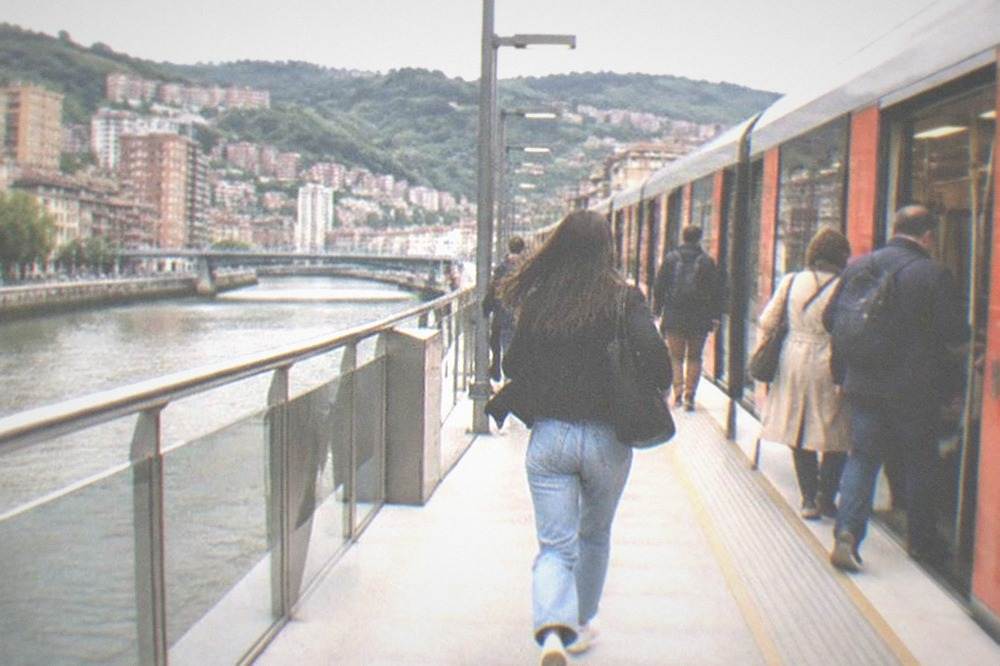
Holiday weeks are also the natural moment for a guided walk, since a local guide knows which bars and squares are actually open on feast days. The small-group Old Town walking tour is the reliable choice for orienting yourself on a holiday arrival, when reduced bus frequencies make a central, walkable base pay off.
Once the walking orientation is done, the evening belongs to food. A guided Basque food and wine tasting turns a holiday evening into a structured txikiteo, moving between bars the way locals do on any feast day, with the advantage of a guide who knows which kitchens are actually serving on the holiday schedule.
Which Holiday Dates Should You Avoid Or Plan Around In Bilbao?
Five specific date types deserve a red circle on any Bilbao itinerary: the Aste Nagusia window (22 to 30 August 2026) if you want quiet, the Fine Arts Museum's closure (31 August to 5 October 2026), the Gaztelugatxe romeria days of 24 June, 31 July, 29 and 31 August and 30 December, when the site is reserved for local events, and the Christmas closures of 25 December and 1 January, when the Guggenheim goes dark and the city turns entirely to celebration.
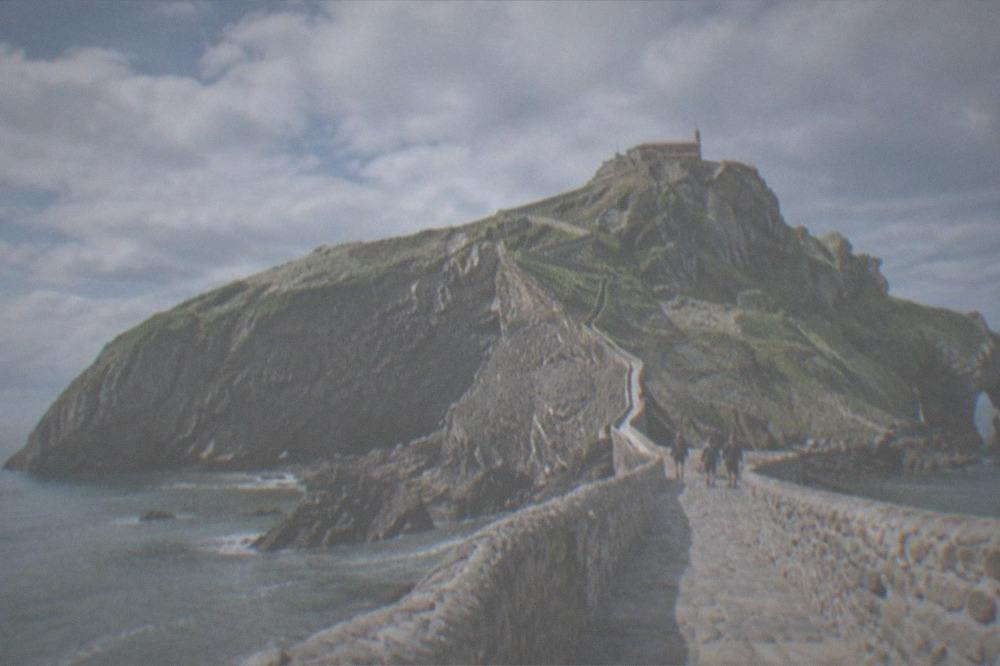
The Gaztelugatxe dates are the least known and the most consequential for day-trippers. On the local romeria festival days, 24 June, 31 July, 29 August, 31 August and 30 December, the hermitage islet is reserved for socio-cultural events and tourists are advised not to visit. Separately, on official controlled-access days, roughly mid-June to about 20 September daily plus Easter and holiday weekends per the yearly calendar, a free timed reservation is required, with a daily cap of 1,462 visitors and bookings of up to 10 people per reservation via tiketa.eus. As of the most recent reporting, access reverted to free and reservation-free from 21 September 2026 through the end of September. A holiday-week visit therefore needs both a calendar check and, often, a booking.
The Fine Arts Museum closure is a 2026-specific trap. Anyone visiting between 31 August and 5 October 2026 with a two-museum plan finds half of it closed, and the compensation is the free reopening week of 6 to 13 October, which is arguably the best-value museum window of the entire year. Aste Nagusia is the opposite problem: nothing closes, but everything fills, and the visitors who suffer are the ones who arrive without accommodation booked. The is Bilbao expensive guide and the where to stay guide cover the cost and booking side.
| Date | What happens | Advice |
|---|---|---|
| 24 Jun, 31 Jul, 29 Aug, 31 Aug, 30 Dec | Gaztelugatxe romeria days, reserved for local events | Do not plan a tourist visit |
| Mid-Jun to ~20 Sep (controlled days) | Free timed reservation required, 1,462/day cap | Book via tiketa.eus well ahead |
| 31 Aug - 5 Oct 2026 | Bilbao Fine Arts Museum closed | Shift museum plans or aim for the 6-13 Oct free week |
| 22 - 30 Aug 2026 | Aste Nagusia | Book hotels early; embrace or avoid |
| 25 Dec and 1 Jan | Guggenheim closed | Plan city-centre strolls instead |
For travellers using the holiday calendar to pick a whole trip window, the sweet spots are clear from the data. Late June offers San Juan bonfires plus the Kalealdia street festival before the peak crowds; early October 2026 offers the Fine Arts Museum reopening and its free week; and the weeks either side of Aste Nagusia give full summer hours at the Guggenheim with manageable crowds. The how many days in Bilbao guide helps size the trip once you have picked the window.
A coastal excursion is the classic holiday add-on, and the Dragonstone coast tour is the one most often paired with festival-season trips, since it covers Gaztelugatxe in a single half-day.
How Do You Plan A Bilbao Trip Around The Festival Calendar?
Plan by working backwards from three anchors: pick Aste Nagusia (22 to 30 August 2026) if you want the festival at full volume and book months ahead, pick the early-October museum reopening week (6 to 13 October 2026) for the best value and new galleries, or pick any shoulder window outside the controlled-access season if your priority is Gaztelugatxe and the coast without reservation logistics.
The method matters more than the specific dates, because the calendar shifts every year. Start with the fixed anchors: BBK Live 2027 is 8 to 10 July at Kobetamendi, and Aste Nagusia always lands in late August, nine days from the txupin opening. Then layer the museum calendar, which in 2026 means the Fine Arts closure window and the reopening free week. Finally, layer the coastal access calendar, checking the official controlled-access dates before committing to a Gaztelugatxe day. A trip that respects all three layers rarely gets caught out.
Accommodation strategy follows directly. Festival weeks push demand across the whole city, from the Ensanche hotels near the Guggenheim to the guesthouses of the Casco Viejo, and the 2027 tourist tax adds a small per-night cost from 1 January onward, EUR5 at five-star properties down to EUR1 at pensions and EUR6.50 for tourist apartments. Budget travellers should note that 2026 itself remains tax-free. For the eating side of a holiday trip, the best pintxos in Bilbao guide and the Bilbao food guide map the bars that anchor every festival evening, and the Aste Nagusia festival guide goes deeper on the big week itself.
For the final word on which window suits you, the Bilbao versus San Sebastian comparison and the things to do in Bilbao overview round out the picture, and the editorial desk at Bilbao Travel Guide keeps the festival pages current as each year's dates are confirmed.
Common Questions About Bilbao Public Holidays
What Public Holidays Does Bilbao Observe?
Bilbao observes Spain's national public holidays plus Basque regional ones, and layers its own municipal festival calendar on top, headlined by Aste Nagusia from 22 to 30 August 2026. The Guggenheim's calendar is a good proxy for the official list: it closes only on 25 December and 1 January, opens early on 24 and 31 December, and opens on holiday Mondays including 12 October and 7 and 28 December.
Is Everything Closed In Bilbao On Public Holidays?
No. Museums largely stay open, with the Guggenheim even opening on several holiday Mondays, and public transport keeps running on reduced, Sunday-style schedules. What closes most reliably is retail shopping, while bars and pintxos houses stay busy. The one major closure to plan around in 2026 is the Bilbao Fine Arts Museum, closed from 31 August to 5 October for its renovation finale.
When Is Aste Nagusia In Bilbao?
Aste Nagusia 2026 runs from 22 to 30 August, nine days. The txupin opening ceremony takes place at 19:00 on 22 August in Plaza Arriaga, followed by daily concerts, nightly fireworks at 22:30 from 22 to 29 August, and the txosna street bars of the neighbourhood konpartsak. It is the busiest week of Bilbao's year, so book accommodation well in advance.
Do I Need A Reservation For Gaztelugatxe During Holidays?
Only on official controlled-access days, which run roughly daily from mid-June to about 20 September plus Easter and holiday weekends per the yearly calendar. The reservation is free via tiketa.eus, capped at 1,462 visitors per day and 10 people per booking. On romeria days, 24 June, 31 July, 29 and 31 August and 30 December, the site is reserved for local events and tourists are advised not to visit.
Does The Tourist Tax Apply During Holiday Visits?
Not in 2026. The Bizkaia regional tourist tax under Norma Foral 3/2026 takes effect on 1 January 2027, with Bilbao's rates running from EUR1 per night in pensions to EUR5 in five-star hotels and EUR6.50 for tourist apartments. Reservations made before early February 2026 are generally exempt, so a holiday trip booked early may avoid the charge even in 2027.
What Is The Best Holiday Period To Visit Bilbao?
For festival atmosphere, Aste Nagusia in late August is unmatched. For value and new sights, the Bilbao Fine Arts Museum's free reopening week from 6 to 13 October 2026 is the standout window. For quiet sightseeing with full summer museum hours, the weeks either side of Aste Nagusia offer the same extended Guggenheim hours without the festival crowds.