LGBTQ+ Travel In Bilbao
Bilbao, in Spain's Basque Country, is a compact, walkable, low-drama city for LGBTQ+ travelers: crime data is moderate, the big festivals are public and inclusive, and the transport system is cheap and integrated.
Short answer
Bilbao is a safe, easy city for LGBTQ+ travelers. It sits in Biscay province, Basque Country, northern Spain, has a temperate oceanic climate, no tourist tax until 2027, and a well-rated public transport network.
Bilbao, the largest city in Biscay (Bizkaia) province in the Basque Country (Euskadi), northern Spain, has quietly become one of the most relaxed city-break destinations in the country for LGBTQ+ travelers. It is a mid-sized city of 346,933 residents (Eustat's municipal register, 1 January 2025) built along the tidal Nervion/Ibaizabal estuary, roughly 15 km from the Bay of Biscay. Nothing about the place demands a special LGBTQ+ playbook: the same planning that serves any visitor, transport fares, festival dates, neighbourhood choice, safety data, serves queer travelers too, and the verified numbers below are the ones worth packing. This page on Bilbao Travel Guide sticks to what official sources and dated reporting actually say.
Is Bilbao Safe For LGBTQ+ Travelers?
Bilbao ranks among Spain's safer major cities, with crime dominated by petty theft rather than violence: 2025 municipal data recorded 29,696 street-level crimes, of which roughly 55 percent were non-violent thefts, while robberies with intimidation fell about 8.85 percent to 1,359 cases. Spain itself is a founding Schengen member, so travelers from the Schengen area face no separate visa gate, and no official advisory singles Bilbao out.
Those figures come from the city's 2025 crime balance as reported by Cadena SER and other Basque media, and they describe a city where the realistic risk is a lifted phone in a crowded bar, not violence. Home burglaries in Bilbao ran at a rate of 1.22 per 1,000 inhabitants, below the average for large Spanish cities. A municipal safety perception survey from 2025 put residents' overall safety rating at 5.58 out of 10, with around 80 percent believing crime in Bilbao is the same or lower than elsewhere, and roughly nine in ten reporting no personal victimization. Perception, as always, lags the data.
For LGBTQ+ visitors specifically, the practical read is this: Spain is one of Europe's most legally protective countries, and Bilbao behaves like the rest of it. Standard city precautions cover almost everything. Keep valuables out of back pockets in the Casco Viejo's Siete Calles, around Ribera Market, and near the Guggenheim, the areas where pickpocketing concentrates. Ignore anyone posing as a plainclothes officer who asks to inspect your wallet, genuine police do not do that. Check the bill in tourist-heavy pintxos bars before paying.
| Safety indicator, Bilbao 2025 | Figure | What it means for visitors |
|---|---|---|
| Street-level (presential) crimes | 29,696, down 0.18% on 2024 | Broadly stable year on year |
| Thefts (hurtos), share of total | ~16,496 cases, ~55% | Petty theft is the dominant risk |
| Robberies with violence/intimidation | 1,359, down ~8.85% | Rare and falling |
| Home burglaries | 429, rate 1.22 per 1,000 | Below average for large Spanish cities |
| Homicides | 3 | Very low for a city of 346,933 |
| Residents reporting no victimization | 89-92% | The lived experience matches the data |
More context on neighbourhoods, night hours and common-sense habits sits in the site's dedicated Bilbao safety guide, and solo travelers will find overlap with the solo female travel guide, whose precautions apply to anyone touring alone.
What Is The LGBTQ+ Scene Like In Bilbao?
Bilbao's scene is small, sociable and concentrated rather than district-sized: nightlife clusters around the Casco Viejo and the Ensanche, the city's biggest public festivals, Aste Nagusia (22-30 August 2026) and BBK Live (8-10 July 2027), are citywide and open, and there is no gay ghetto because the whole centre functions as one. That is the honest framing the sources support. Bilbao is not Madrid or Barcelona, and no verified data in this site's research describes a dedicated LGBTQ+ commercial district, so this guide will not invent venue lists or pride dates it cannot source.
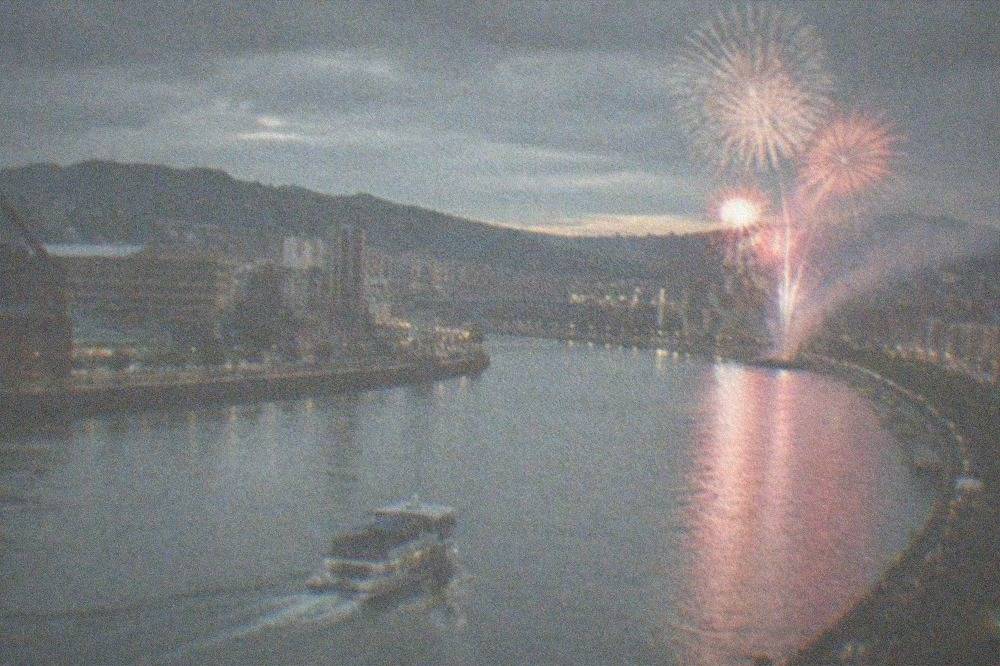
What the city shows instead is a public culture that is loud, communal and unhierarchical. Aste Nagusia, the nine-day August festival, opens with the txupin rocket at 19:00 on 22 August in Plaza Arriaga and runs through concerts in Abandoibarra, fireworks on the Nervion, and the txosnas, the street bars run by neighbourhood konpartsak, which are the festival's real social engine. Everyone is in the street together. For dates, timing and how the festival actually works hour by hour, see the Aste Nagusia festival guide.
The nightlife baseline is in the Bilbao nightlife guide: pintxos bars run late, the Casco Viejo's Plaza Nueva is the classic starting point for a txikiteo crawl, and the riverside Abandoibarra stretch between the Guggenheim and Euskalduna Palace is where the evening crowd drifts after dinner. A guided introduction does the orientation work for you: the small-group Old Town walk covers the Siete Calles with a local guide in two hours, and it pairs naturally with a first-night pintxos crawl.
Where Should LGBTQ+ Travelers Stay In Bilbao?
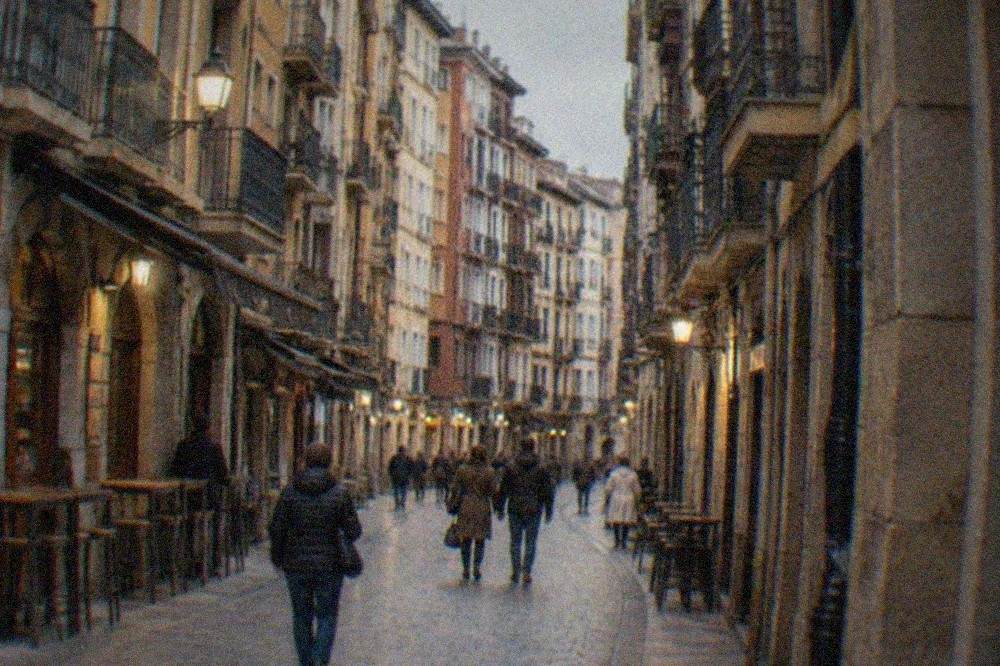
Visitors, LGBTQ+ travelers included, do well in the Ensanche (Abando) or the Casco Viejo: the Ensanche puts you on top of the metro, the tram and the Gran Via shopping spine, while the Casco Viejo trades a slightly older housing stock for the densest concentration of pintxos bars and the shortest stumble home. Both are central, walkable and served by the same integrated transport fares.
The trade-offs are practical, not social. Bilbao has no neighbourhood where queer travelers need to be discreet, so the choice comes down to the usual variables: budget, noise tolerance and transport. The where to stay guide breaks down every central district, and the is Bilbao expensive guide puts honest numbers on what a trip costs. One dated planning note belongs here: a Bizkaia-wide regional tourist tax (Norma Foral 3/2026) does not take effect until 1 January 2027, so 2026 visitors pay none. From that date, Bilbao's approved municipal rates run from EUR 1 per night in pensions to EUR 5 in five-star hotels, with EUR 6.50 for tourist apartments, per adult per night.
| Area | Character | Best for | Watch out for |
|---|---|---|---|
| Ensanche (Abando) | Grid streets, Gran Via, main transport hub | First-timers, transport access | Business-oriented, quieter at street level late |
| Casco Viejo | Seven medieval streets, pintxos bars, Ribera Market | Nightlife, atmosphere, short walks | Older buildings, festival-season noise |
| Abandoibarra | Riverside museums, promenade, modern hotels | Museum-focused stays, couples | Fewer late bars of its own |
| Indautxu | Local residential, good restaurants | Longer stays, lower room rates | Less postcard-famous, fewer sights at the door |
When Is The Best Time To Visit Bilbao?
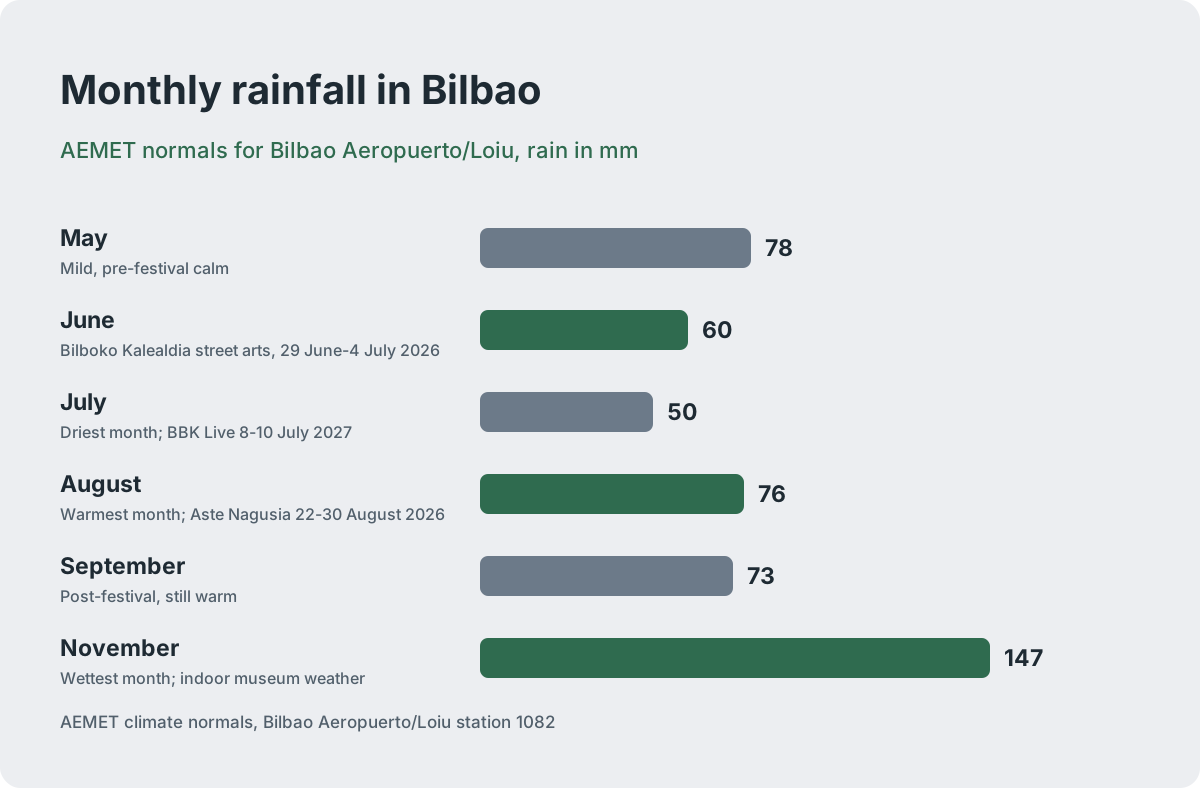
July and August are the statistically best months: AEMET's normals for Bilbao Aeropuerto/Loiu (station 1082) show July at a mean of 20.4 C with just 50 mm of rain and August at 20.9 C with 76 mm, while November is the wettest month at 147 mm. For festivals, target Aste Nagusia, 22-30 August 2026, or BBK Live, 8-10 July 2027 at Kobetamendi, whose lineup had not been announced at time of writing.
The climate is temperate oceanic, Atlantic-influenced, never Mediterranean: 1,134 mm of rain falls across a typical year, and no month is dry in the Andalusian sense. What that means for planning is layers and a compact umbrella, not a different wardrobe. The Bilbao weather guide and the packing guide cover this in detail. Shoulder seasons trade a few degrees for thinner crowds: May averages 15.7 C and 78 mm, September 19.2 C and 73 mm.
| Month | Mean temp (C) | Rain (mm) | Notes for LGBTQ+ visitors |
|---|---|---|---|
| May | 15.7 | 78 | Mild, pre-festival calm |
| June | 18.4 | 60 | Bilboko Kalealdia street arts, 29 June-4 July 2026 |
| July | 20.4 | 50 | Driest month; BBK Live 8-10 July 2027 |
| August | 20.9 | 76 | Warmest month; Aste Nagusia 22-30 August 2026 |
| September | 19.2 | 73 | Post-festival, still warm |
| November | 12.4 | 147 | Wettest month; indoor museum weather |
Aste Nagusia deserves the headline slot for queer visitors specifically because of its format: nine days of open-air concerts, fireworks and street bars that belong to everyone at once. The BBK Live guide covers the music festival, and note honestly that no 2027 lineup had been announced as of the research date, so do not buy flights around an artist you read about somewhere else.
How Much Does A Trip To Bilbao Cost?
A Bilbao trip is mid-priced by Spanish city standards: with no tourist tax in 2026, the main fixed costs are transport (a Barik card cuts a metro Zone 1 ride to EUR 1.02 from EUR 2.00 cash), the Bilbao Bizkaia Card at EUR 10/24h, EUR 15/48h or EUR 20/72h for unlimited transport plus attraction discounts, and the Guggenheim at EUR 18 adult admission.
The tourist card math is straightforward. The Bilbao Bizkaia Card site states the card is personal and non-transferable, activates on first transport use, and bundles unlimited travel on Metro Bilbao, the tram, Bilbobus, Bizkaibus, Euskotren and the funiculars, plus Bilbao Turismo guided walks and skip-the-line access at the main museums. Whether it pays off depends on ride volume: three or more transit rides a day plus one museum fast pass generally clears the 24-hour EUR 10 tier. The Bilbao Bizkaia Card guide runs the full comparison, and the transport guide covers the Barik card itself, commonly reported at EUR 3 to buy with a minimum top-up often around EUR 5.
| Cost item | Price | Source basis |
|---|---|---|
| Metro Zone 1, with Barik | EUR 1.02 | CTB Barik fares page |
| Metro Zone 1, cash single | EUR 2.00 (2h validity) | CTB fares page |
| Bilbobus single | EUR 1.70 (about EUR 0.44 effective with Barik) | Bilbao city fares |
| Tram, with Barik | EUR 0.74 flat | CTB Barik fares page |
| Bilbao Bizkaia Card | EUR 10 / 24h, EUR 15 / 48h, EUR 20 / 72h | Official card site |
| Guggenheim adult admission | EUR 18 | Museum's own site |
| Tourist tax | None in 2026; from 1 Jan 2027, EUR 1-5/night by hotel class, EUR 6.50 for tourist apartments | Norma Foral 3/2026, Bilbao municipal approval Sept 2026 |
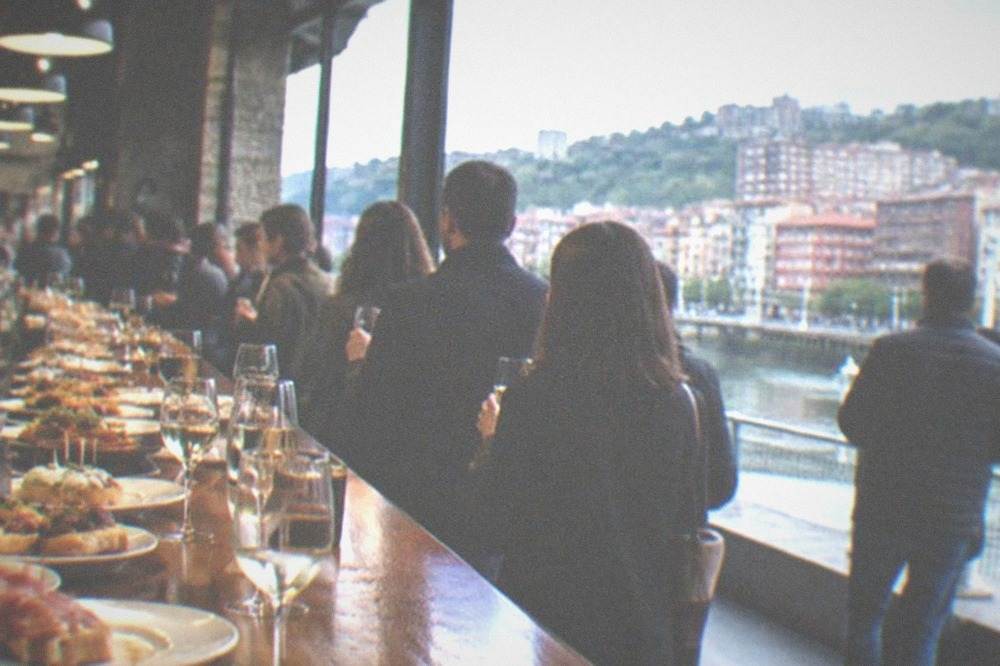
Eating is where Bilbao rewards curiosity over budget discipline. Pintxos at traditional bars generally run EUR 2-5 per piece with drinks around EUR 2-3.50, and a full crawl of four to six stops with drinks lands around EUR 25-45 per person, figures consistent across 2026 food guides. The pintxos guide and the food guide map the bars worth the calories, and the tipping and money guide settles the bill etiquette, which is relaxed: rounding up is normal, a service charge is not added.
What Should LGBTQ+ Travelers Know About Basque Culture?
Basque culture is proudly distinct from Spanish culture: the Basque Country (Euskadi) has its own language, Euskara, co-official with Spanish and visible on every street sign in Bilbao, its own culinary institution, the pintxos bar, and a social identity built around shared tables rather than formality. Visitors who learn two words, kaixo (hello) and eskerrik asko (thank you), will notice the warmth of the response.
The deeper background is in the Basque language guide, which explains why you will hear and see both languages everywhere and why locals switch between them mid-sentence without noticing. Culturally, the operative norm for visitors is sociability: eating and drinking are standing, moving, communal activities, and the txikiteo, the bar-to-bar pintxos crawl, is the city's default social format, which naturally suits travelers who arrive without an established circle. Nobody asks your business at a bar counter in Bilbao; they ask what you are drinking.
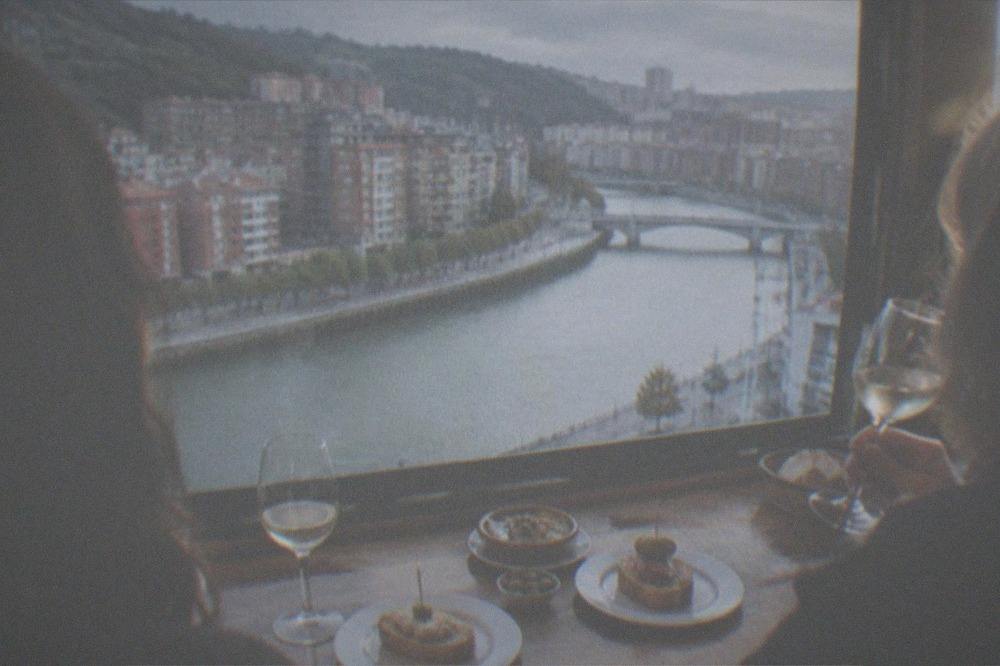
The food tour format leans into exactly this. A guided crawl does the bar selection and the ordering in Spanish and Euskara for you:
Which Day Trips From Bilbao Are Worth Booking?
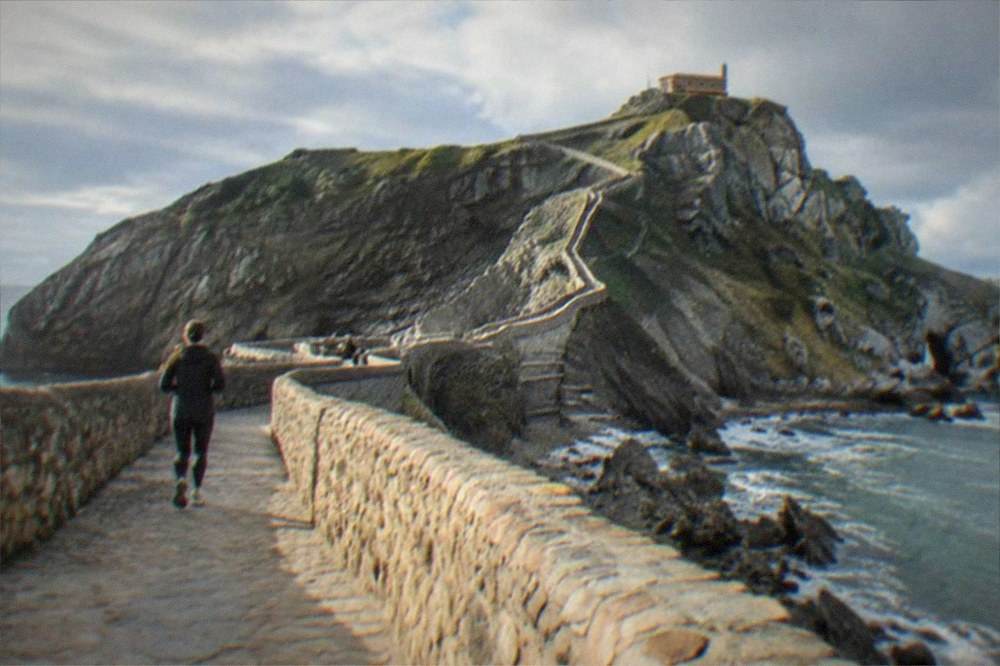
The two headline day trips from Bilbao are San Juan de Gaztelugatxe, the cliff-top hermitage reached by a narrow stone causeway from the mainland (a free timed reservation is required only on official controlled-access days, capped at 1,462 visitors daily, booked via tiketa.eus), and the Vizcaya Bridge at Portugalete, a UNESCO World Heritage transporter bridge where the gondola crossing costs EUR 0.60 one-way.
Gaztelugatxe is the one visitors tend to regret skipping, partly because its access rules trip people up. The reservation is free and only mandatory on the calendar's controlled-access days, roughly mid-June to about 20 September daily plus Easter and holiday weekends; on all other days entry is free without a reservation, and as of 21 September 2026 access had reverted to free and unticketed through the end of September. Reservations allow up to 10 people, and a no-show slot is cancelled after 60 minutes. The Gaztelugatxe guide carries the full calendar logic, and the Game of Thrones angle, the site doubled as Dragonstone, is covered in the Game of Thrones guide.
The simplest way to handle all of it is a tour that includes the entry ticket:
Beyond the islet, the coast stacks up quickly: Bermeo's fishing port, Mundaka's surf break, the Gernika of the bombing and the Basque liberty tree, and the beaches of Getxo under the Vizcaya Bridge, all reachable by Euskotren, metro and Bizkaibus with the same Barik fares. The Getxo guide, the Mundaka guide and the Gernika guide cover each in detail, and the San Sebastián day trip guide handles the biggest excursion of all, about an hour and twenty minutes each way by direct bus. For deciding whether Bilbao or San Sebastián should be your base at all, the comparison guide is the honest tiebreaker.
| Day trip | Getting there | Headline draw | Verified access detail |
|---|---|---|---|
| San Juan de Gaztelugatxe | Tour bus or Bizkaibus via Bakio | Cliff hermitage, Dragonstone filming site | Free timed ticket on controlled days only, 1,462/day cap, tiketa.eus |
| Vizcaya Bridge, Portugalete | Metro to Areeta, ~20-29 min | UNESCO transporter bridge, gondola EUR 0.60 one-way | Walkway ticket reported at EUR 11 round-trip, single-source figure |
| San Sebastián | Direct bus, ~1h 20m | Beaches, old town, pintxos capital | No direct high-speed train |
| Bermeo and Mundaka | Euskotren from Casco Viejo, ~1h 21m | Fishing port, surf break | Bermeo-Mundaka train link ~4 min |
| La Rioja wineries | Guided tour or car | Haro and Laguardia wineries, tastings | Full-day format on the bookable tours |
Common Questions About LGBTQ+ Travel In Bilbao
Is Bilbao safe for LGBTQ+ travelers?
Yes, by the available data. Bilbao's 2025 crime balance shows a city where roughly 55 percent of street crime is non-violent theft and robberies with violence fell about 8.85 percent year on year. Spain is a founding Schengen member with strong legal protections, and no official advisory singles Bilbao out. Standard city precautions against pickpocketing in the Casco Viejo and around the Guggenheim cover the realistic risks.
Is there a gay district in Bilbao?
Not a dedicated one. Bilbao's nightlife clusters around the Casco Viejo and the Ensanche, and the city's social life runs through shared pintxos bars and citywide festivals rather than a segregated scene. Aste Nagusia in August is the biggest communal event on the calendar.
When is the best time to visit Bilbao?
July and August, statistically: AEMET's normals for station 1082 show July at 20.4 C and 50 mm of rain, August at 20.9 C and 76 mm. Aste Nagusia runs 22-30 August 2026, and BBK Live runs 8-10 July 2027, with no lineup announced at time of writing. November is the wettest month at 147 mm.
Do I need to book Gaztelugatxe in advance?
Only on official controlled-access days, roughly mid-June to about 20 September daily plus Easter and holiday weekends per the yearly calendar. The ticket is free, booked via tiketa.eus, capped at 1,462 visitors per controlled day, and allows up to 10 people per reservation. On all other days access is free with no reservation.
Is there a tourist tax in Bilbao?
Not in 2026. A Bizkaia regional tourist tax under Norma Foral 3/2026 takes effect on 1 January 2027, with Bilbao's approved rates running from EUR 1 per night in pensions to EUR 5 in five-star hotels and EUR 6.50 for tourist apartments, per adult per night. Reservations made before early February 2026 are generally exempt.
How many days do I need in Bilbao?
Two to three days covers the Guggenheim, the Casco Viejo, the pintxos circuit and one day trip comfortably. The site's how-many-days guide breaks down one-, two- and three-day options, and the main money page at /things-to-do-in-bilbao/ lists everything bookable in one place.
Bilbao rewards travelers who plan around verified numbers rather than folklore: the festival dates, the fare table, the Gaztelugatxe calendar and the 2027 tax change are all checkable, and now you have them in one place.