Bilbao For Digital Nomads
Bilbao, in Biscay (Bizkaia) province, Basque Country, northern Spain, has quietly become one of Europe's most workable mid-sized cities for remote workers: cheap integrated transport, a temperate oceanic climate, serious food and a day-trip coastline within an hour.
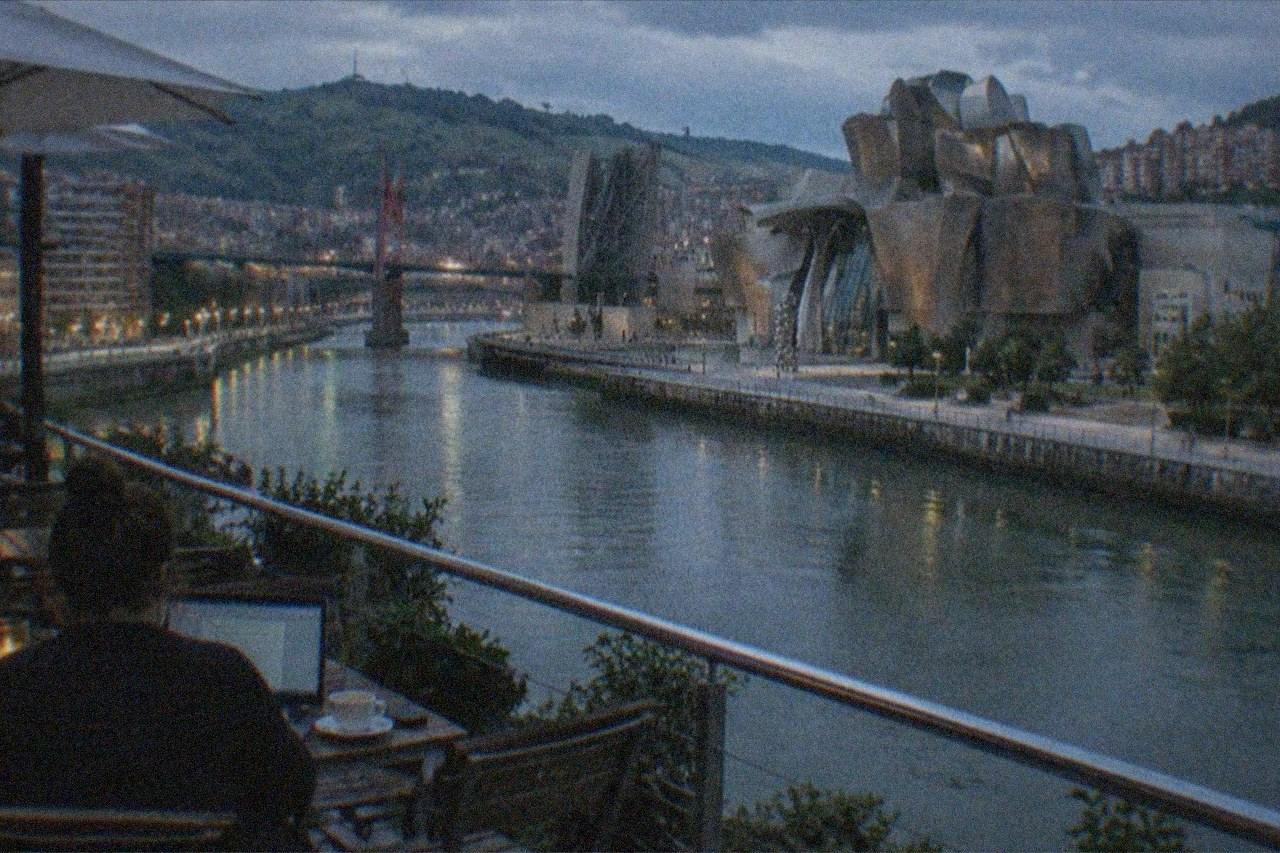
Short answer
Bilbao works well as a digital nomad base because it is affordable by Western European standards, its Metro, tram, bus and funicular network runs on one Barik card, and the Basque coast, Rioja wine country and San Sebastián are all reachable as day trips. There is no tourist tax in 2026, but one takes effect across Bizkaia on 1 January 2027.
Bilbao, in Biscay (Bizkaia) province, Basque Country (Euskadi), northern Spain, is a city of 346,933 residents (Eustat, 1 January 2025) built along a tidal estuary about 15 km from the Bay of Biscay. For a digital nomad it offers something rare: a genuinely liveable mid-sized European city with an integrated public transport system, an oceanic climate that never bakes, and a coastline, wine region and another famous food city all within day-trip range. This guide covers the practical side, transport, costs, weather, neighbourhoods and weekends, using official figures throughout.
Why Is Bilbao A Good Base For Digital Nomads?
Bilbao suits remote workers because it combines a walkable, mid-sized urban core with big-city infrastructure: a metro, tram, funicular and bus network on one fare card, a major airport with direct European links, and a cost of living lower than Barcelona or Madrid while remaining a Western European capital of culture and food. The city sits on the tidal Nervion/Ibaizabal estuary in the Basque Country, northern Spain, and its population of 346,933 (Eustat, 1 January 2025) makes it large enough for coworking and nomad infrastructure without the tourist crush of Spain's biggest destinations.
Spain is a founding Schengen member, so nomads from within the Schengen area move here with no additional border formalities, and the standard 90/180-day Schengen rules apply to those outside it. Bilbao Ekintza's 2025 tourism report cites 1,396,841 visitor entries and 2,723,725 overnight stays in hotels and tourist apartments combined, a scale that keeps short-term rental supply functioning year-round without the saturation pressure of a resort city.
The practical case is transport and geography. The airport bus runs every 15 minutes, the metro reaches the beach towns of Getxo in under half an hour, and the Basque coast begins where the city ends. For a longer comparison of the two cities nomads most often weigh against each other, read Bilbao versus San Sebastian as a base, and for the wider regional picture see our Basque Country primer.
What Does It Cost To Live And Work In Bilbao?
The biggest dated cost change is tax, not rent: there is no tourist tax in Bilbao in 2026, but a Bizkaia-wide regional tourist tax (Norma Foral 3/2026) takes effect on 1 January 2027, with Bilbao's approved municipal rates running from 1 euro per night in pensions to 5 euros in 5-star hotels and 6.50 euros for tourist apartments. For a nomad booking a tourist apartment, that is a real 6.50 euro-per-night line item from 2027 onward, and reservations made before early February 2026 are generally exempt as reported. The tax is per adult per night with a capped number of nights and exemptions for minors and medical stays, so a three-month stay will not pay it indefinitely.
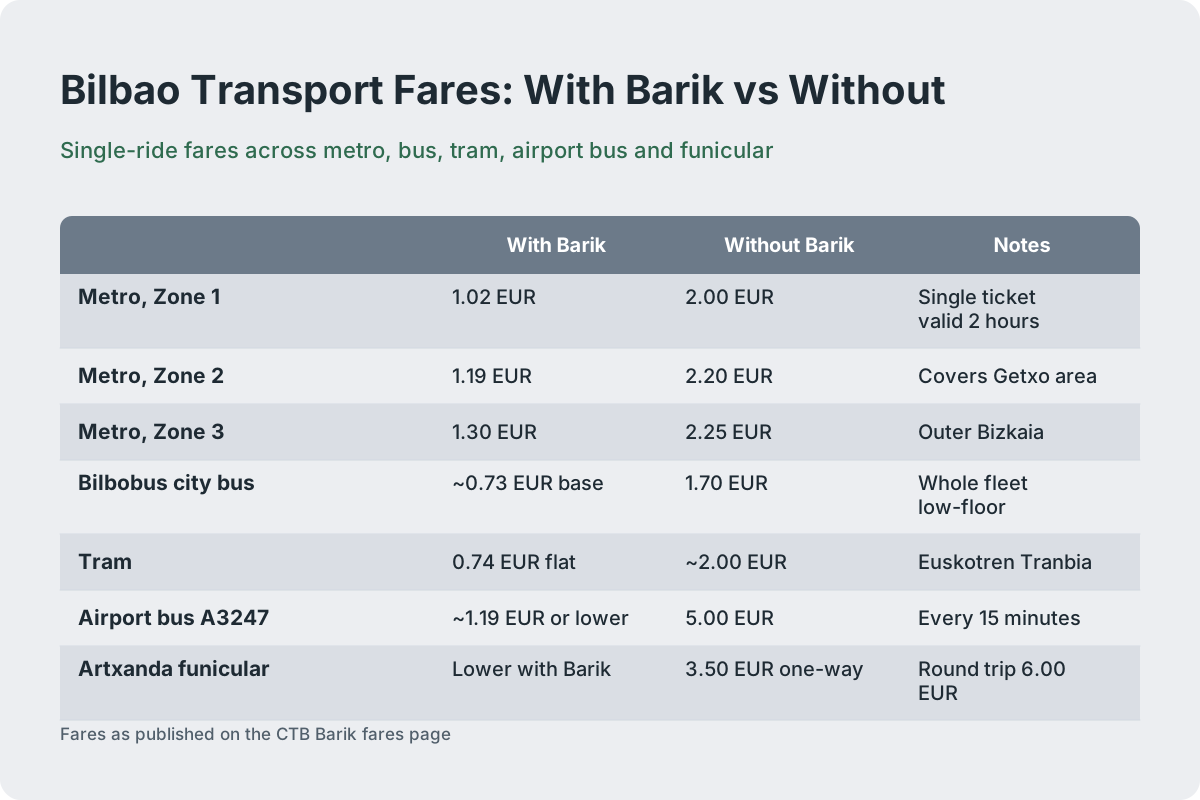
Everything else in the transport budget is small and officially published. The CTB Barik fares page gives Metro Zone 1 rides at 1.02 euros with a Barik card against 2.00 euros for a single ticket, and the Bilbao Bizkaia Card site states 24-hour unlimited transport plus attraction discounts at 10 euros, 48 hours at 15 euros and 72 hours at 20 euros. A monthly commuting nomad will want the ordinary Barik card rather than the tourist card, but both are documented on official pages.
| Cost item | Official figure | Source basis |
|---|---|---|
| Tourist tax, 2026 | None in force | Norma Foral 3/2026, in force 1 Jan 2027 |
| Tourist tax, tourist apartment, 2027 | 6.50 EUR/night | Bilbao municipal rates, Sept 2026 approval |
| Tourist tax, 5-star hotel, 2027 | 5 EUR/night | Bilbao municipal rates |
| Tourist tax, 3-star hotel, 2027 | 2 EUR/night | Bilbao municipal rates |
| Tourist tax, pension, 2027 | 1 EUR/night | Bilbao municipal rates |
| Metro Zone 1, with Barik | 1.02 EUR | CTB Barik fares page |
| Metro Zone 1, single ticket | 2.00 EUR | CTB fares page |
| Bilbao Bizkaia Card, 24h | 10 EUR | bilbaobizkaiacard.com |
| Bilbao Bizkaia Card, 72h | 20 EUR | bilbaobizkaiacard.com |
For a fuller budget breakdown including food and museum admissions, our is Bilbao expensive guide goes line by line, and the money, currency and tipping guide covers payment habits. On the food side, the one cost every nomad here eventually submits to is the pintxo crawl, and the best pintxos in Bilbao guide maps the bars worth the spend.
How Do You Get Around Bilbao Without A Car?
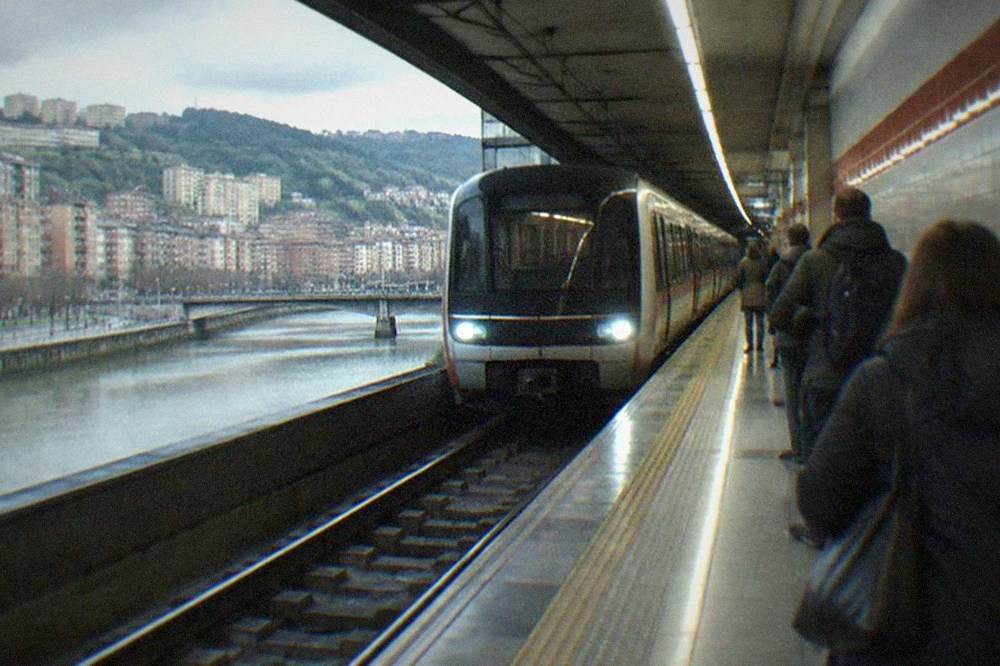
Bilbao is one of Europe's easiest car-free mid-sized cities: Metro Bilbao, Bilbobus, the tram, Euskotren trains, Bizkaibus interurban buses and the Artxanda funicular all accept the same Barik card, with a Zone 1 metro ride at 1.02 euros and the whole network integrated under the Consorcio de Transportes de Bizkaia. The CTB Barik fares page gives the full zonal structure, and the card itself is commonly reported to cost 3 euros to buy, a figure that comes from secondary sources rather than an official CTB page, so treat it as provisional. Our transport guide covers the network in depth.
The airport is the entry point most nomads care about. The Bizkaibus A3247 runs every 15 minutes, roughly 06:10 to 23:40 from the airport and 05:00 to 22:00 from the city, takes 15 to 25 minutes and costs 5 euros without a Barik card. A taxi to the centre runs approximately 24 to 29 euros depending on the fare band, with no airport supplement. There is no metro or train link to the airport, and the city council's own position is that none arrives before 2035, so plan on the bus.
| Transport mode | Fare with Barik | Fare without Barik | Notes |
|---|---|---|---|
| Metro, Zone 1 | 1.02 EUR | 2.00 EUR | Single ticket valid 2 hours |
| Metro, Zone 2 | 1.19 EUR | 2.20 EUR | Covers Getxo area |
| Metro, Zone 3 | 1.30 EUR | 2.25 EUR | Outer Bizkaia |
| Bilbobus city bus | ~0.73 EUR base | 1.70 EUR | Whole fleet low-floor accessible |
| Tram | 0.74 EUR flat | ~2.00 EUR | Euskotren Tranbia |
| Airport bus A3247 | ~1.19 EUR or lower | 5.00 EUR | Every 15 minutes |
| Artxanda funicular | Lower with Barik | 3.50 EUR one-way | Round trip 6.00 EUR |
Accessibility is a quiet strength for anyone planning a longer stay with mobility considerations: Metro Bilbao stations have elevators at both levels, the entire Bilbobus fleet is low-floor with ramps, and the Guggenheim lists full wheelchair access with loaner chairs on its own accessibility pages. Details are in our accessibility in Bilbao guide.
Where Should A Digital Nomad Stay In Bilbao?
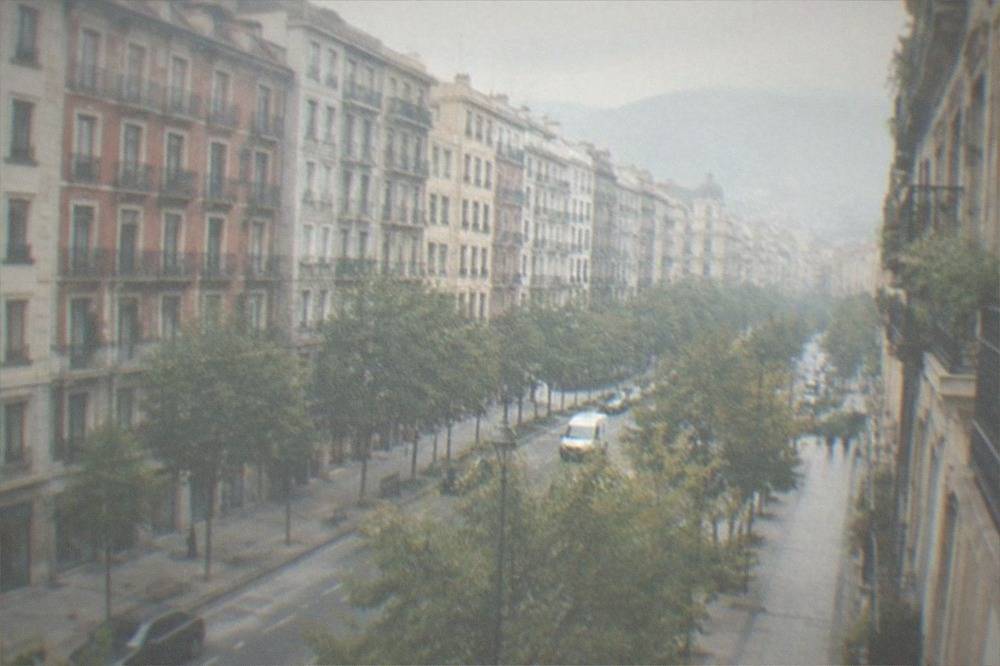
Most nomads land in one of three areas: the Casco Viejo (Old Town) for character and pintxo bars, Abando and the Ensanche for walkable central convenience, or Indautxu for a quieter residential feel near the Guggenheim and Doña Casilda park, with all three connected to the rest of the city by metro, tram and bus in minutes. The choice matters more here than in many cities because Bilbao's core is compact and the estuary splits the neighbourhoods, so a 15-minute walk covers most of daily life. Our where to stay in Bilbao guide compares the districts properly, and the Old Town area guide and Abando guide go street by street.
Two practical notes shape a longer stay. First, the tourist apartment category is the one Bilbao's 2027 tourist tax hits hardest, at 6.50 euros per night, the maximum allowed, while hotels pay between 1.50 and 5 euros depending on star rating, so the accommodation type a nomad books changes the tax bill from 2027. Second, the rental market is a normal residential city's market rather than a resort market, which is part of why the city has avoided the anti-tourist tension seen elsewhere in Spain; the safety in Bilbao guide covers the 2025 crime data if that factors into your neighbourhood choice.
For a first-week orientation, a small-group walking tour is an efficient way to learn the city's layout before committing to a neighbourhood.
What Is The Weather Like In Bilbao Through The Year?
Bilbao has a temperate oceanic climate, Atlantic-influenced, never Mediterranean: AEMET's Bilbao Aeropuerto/Loiu station (1082) 1981-2010 normals show monthly means running from 9.3 C in January to 20.9 C in August, an annual mean of 14.7 C and 1,134 mm of rain spread across the year, with July the warmest and driest month at 20.4 C and 50 mm. For a nomad this means no air-conditioning emergencies in summer and no frozen commute in winter, but it does mean a rain jacket lives in your daypack most months. The full breakdown, including what to pack, is in our Bilbao weather guide and packing guide.
| Month | Mean temp C | Precipitation mm |
|---|---|---|
| January | 9.3 | 120 |
| February | 9.7 | 86 |
| March | 11.5 | 90 |
| April | 12.6 | 107 |
| May | 15.7 | 78 |
| June | 18.4 | 60 |
| July | 20.4 | 50 |
| August | 20.9 | 76 |
| September | 19.2 | 73 |
| October | 16.4 | 111 |
| November | 12.4 | 147 |
| December | 9.9 | 122 |
Read the table before generalising: November is the wettest month at 147 mm, roughly three times July's total, and the shoulder months of May, June and September combine mild temperatures with moderate rainfall. The practical nomad calendar is therefore late spring through early autumn for outdoor work, and the rainy months for museum seasons, indoor coworking and cheaper accommodation. The city's indoor options are unusually strong: the Guggenheim's own site lists Tuesday to Sunday 10:00 to 19:00 opening (to 20:00 in summer), the Fine Arts Museum reopens 6 October 2026, and the Euskal Museoa reopened in June 2026 after four years of works. Our museums guide and rainy day itinerary cover the indoor programme.
Where Do Nomads Work: Cafes, Coworking And Connectivity?
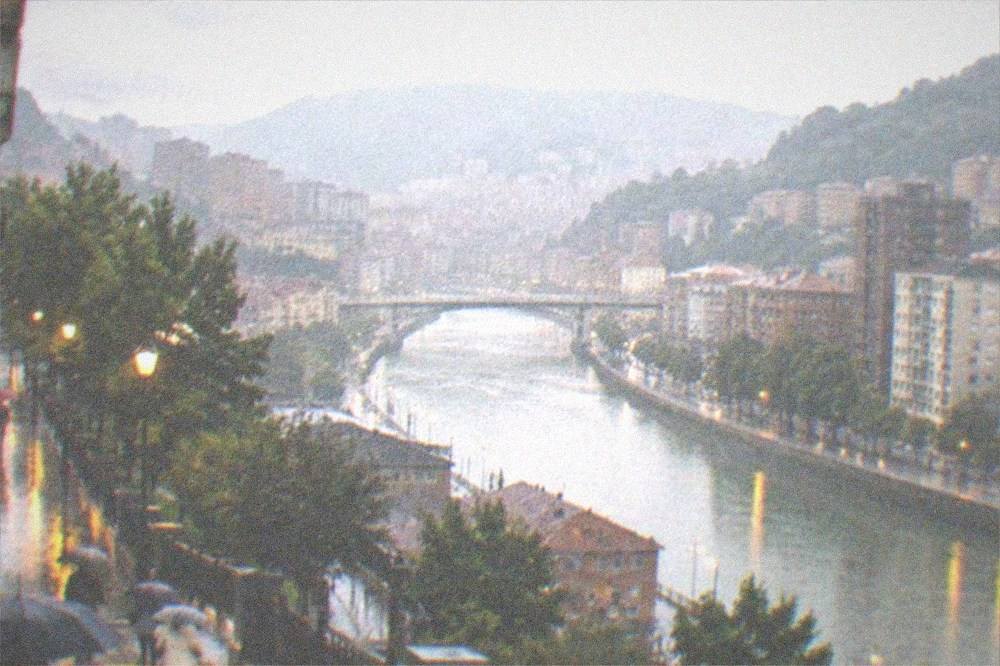
Bilbao's working infrastructure is that of a business city rather than a resort: a compact central core where wifi-enabled cafes cluster around the Ensanche and Abando, an airport with direct European flights for monthly trips, and a city whose transport card, museums and food scene all function year-round rather than seasonally. The city's business identity, banks, the Euskalduna conference centre, the engineering firms along the estuary, means weekday cafe culture assumes people work on laptops, and the Bilbao wifi and connectivity guide and SIM card and data guide cover the practical setup for a long stay.
Language is a common question and the answer is simple: both Spanish and Basque are official, and daily life runs in Spanish with Basque signage everywhere. English levels in service jobs are solid in the centre; our language guide sets expectations honestly. For nomads flying in from further afield, the flights to Bilbao from the US guide covers routing, and the airport guide handles arrival logistics.
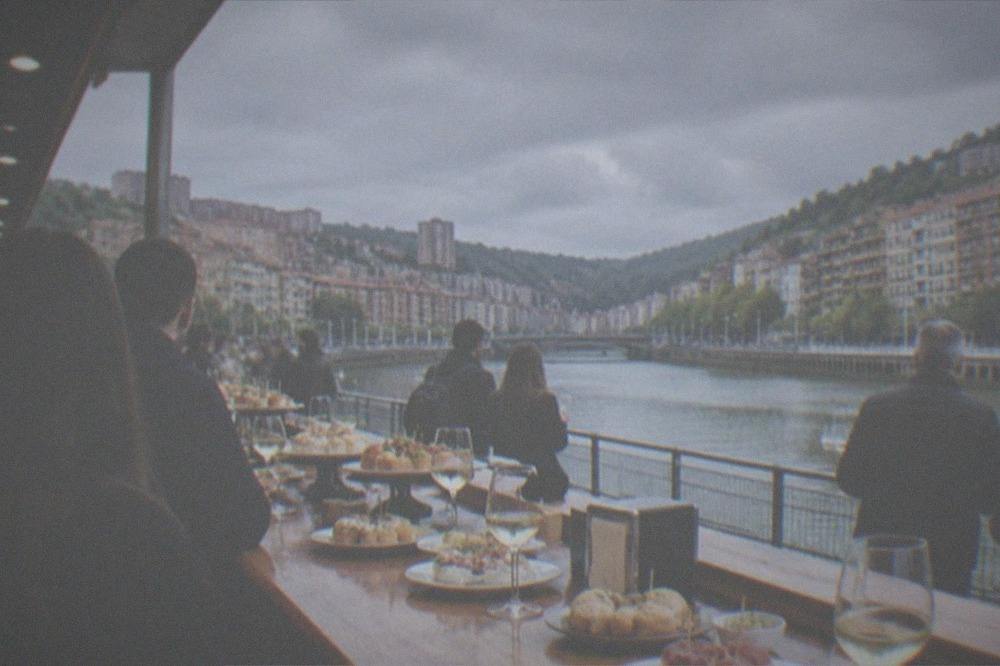
One habit worth building early is the long-lunch work break. Bilbao's pintxo bars fill between 13:00 and 15:00, and the txikiteo crawl tradition treats an evening bar-hop as a normal weekday activity. A guided introduction to the food culture is one of the better first-week investments a new arrival can make.
What Do You Do On Weekends And Days Off From Bilbao?
Weekend options from Bilbao span the Basque coast at Gaztelugatxe and Mundaka, the Rioja wine region around Haro and Laguardia, and San Sebastián within about an hour and twenty minutes by direct bus, with public transport reaching most of them on the same Barik zonal fares as the city metro. The Euskotren train runs from Casco Viejo to Bermeo in about an hour and twenty minutes, direct buses reach San Sebastián in roughly the same time, and Gaztelugatxe is a 30 to 45 minute drive or a longer bus combination, which is why many nomads take an organised day tour for that one. Our Gaztelugatxe guide, San Sebastián day trip guide and Rioja wine day trip guide cover the three headline escapes.
Gaztelugatxe has one rule that changes planning: a free timed reservation is required only on official controlled-access days, roughly mid-June to about 20 September daily plus Easter and holiday weekends, with a daily cap of 1,462 visitors on those days, and booking is always free via tiketa.eus with a maximum of 10 people per reservation. On all other days access is free without a reservation, and as of 21 September 2026 access reverted to free and uncontrolled through the end of September. A tour with the ticket included removes the calendar risk entirely.
| Day trip | Typical public transport | Approximate one-way time | Notes |
|---|---|---|---|
| Getxo and the Vizcaya Bridge | Metro Line 1 | ~28-29 min | Gondola crossing 0.60 EUR daytime |
| Bermeo | Euskotren from Casco Viejo | ~1h 21m | Combine with Mundaka |
| Mundaka | Euskotren | ~1h 16m | Surf town, near Bermeo |
| San Sebastián | Direct bus from Intermodal | ~1h 20m | Most practical public option |
| Gaztelugatxe | Bizkaibus or tour | ~1h 10m+ by bus | Free timed ticket on controlled days |
| Vitoria-Gasteiz | Direct bus | ~1h-1h 32m | Bus usually fastest |
Festivals anchor the social calendar. Aste Nagusia 2026 ran 22 to 30 August, nine days with the txupin opening at 19:00 in Plaza Arriaga, and it is the city's biggest annual event; our Aste Nagusia guide explains it. BBK Live 2027 runs 8 to 10 July 2027 at Kobetamendi, with no lineup announced yet, and the BBK Live guide tracks what is confirmed. For evening life closer to home, the nightlife guide maps the districts.
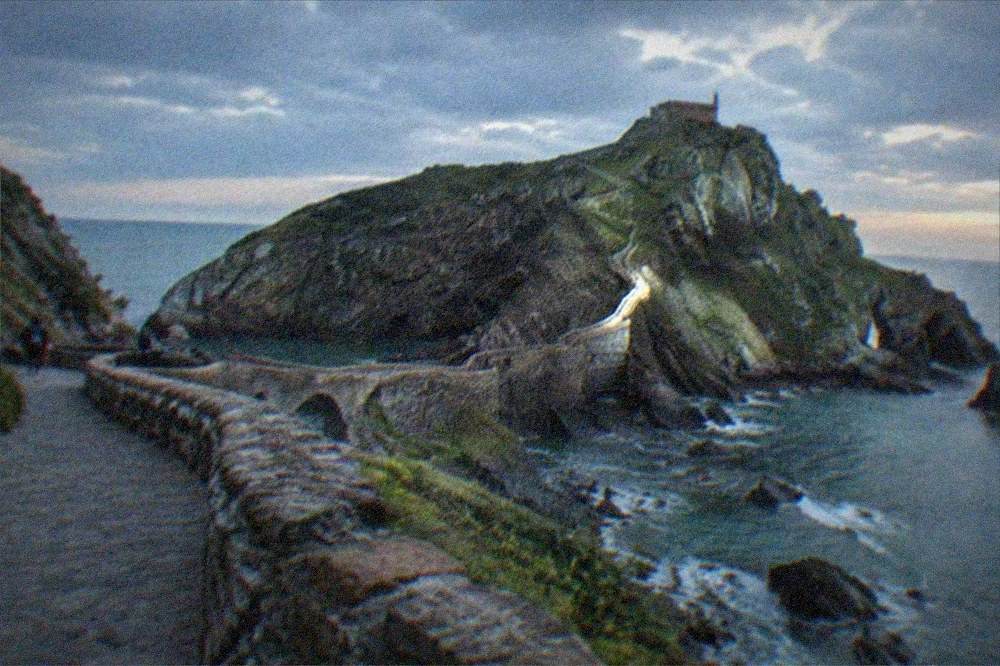
For the signature coastal escape, the ticket-included Gaztelugatxe tour is the one most nomads book first, since it handles the reservation system that trips up independent travellers in summer.
How Many Days Or Weeks Should You Give Bilbao?
A first taste of Bilbao works in two or three days, but the nomad case really opens up from two weeks onward, because that is when the day-trip radius, the neighbourhood rhythm and the transport economics of a Barik card start paying for themselves, and because the city's museums, food calendar and festivals reward a stay that crosses a weekend. Our how many days in Bilbao guide breaks down one, two and three-day itineraries, and the first timer's guide covers the arrival sequence.
A useful framing: treat Bilbao as a base rather than a box to tick. The things to do in Bilbao overview page lists the headline attractions, but the nomad advantage is doing them slowly, a museum on a rainy Tuesday, the funicular to Artxanda for a sunset, the Saturday market at Ribera, and saving the fine weekends for the coast. The food guide and best restaurants in Bilbao cover the eating programme, and this Bilbao Travel Guide site as a whole is organised for exactly that kind of slow, practical stay.
Common Questions About Bilbao For Digital Nomads
Is there a tourist tax in Bilbao?
No tourist tax applies in 2026. A Bizkaia-wide regional tourist tax (Norma Foral 3/2026) takes effect on 1 January 2027, with Bilbao's approved rates running from 1 euro per night in pensions to 5 euros in 5-star hotels and 6.50 euros for tourist apartments, charged per adult per night with exemptions and a capped duration.
Is Bilbao good for digital nomads?
Yes. It combines a compact, walkable core with an integrated metro, tram, bus and funicular network on one Barik card, a temperate oceanic climate, a serious food scene, and a day-trip radius covering the Basque coast, Rioja wine country and San Sebastián.
How do I get from Bilbao Airport to the city centre?
The Bizkaibus A3247 runs every 15 minutes, roughly 06:10 to 23:40 from the airport, takes 15 to 25 minutes and costs 5 euros without a Barik card. A taxi costs approximately 24 to 29 euros. There is no metro or train link to the airport, and none is expected before 2035.
What is the best time of year to work remotely from Bilbao?
July and August are the warmest and driest months, with means of 20.4 C and 20.9 C and 50 to 76 mm of rain. November is the wettest at 147 mm. May, June and September offer mild temperatures with fewer crowds, and the rainy months pair well with the city's museum season.
Do I need to speak Spanish or Basque to live in Bilbao?
Daily life runs in Spanish, with Basque co-official and visible on all signage. English is workable in central cafes and museums but less reliable in residential neighbourhoods, so basic Spanish makes a long stay much smoother.
What should I do on weekends from Bilbao?
The headline escapes are Gaztelugatxe and the Urdaibai coast, the Rioja wine region, and San Sebastián, all reachable in roughly one to two hours by public transport or an organised day tour. Note that Gaztelugatxe requires a free timed reservation only on official controlled-access days, mainly mid-June to about 20 September.
Bilbao rewards the nomad who treats it as a working city with a coastline attached, and the planning pages above cover every layer of that stay, from the first airport bus to the last pintxo of the week.