Best Hiking Trails Near Bilbao
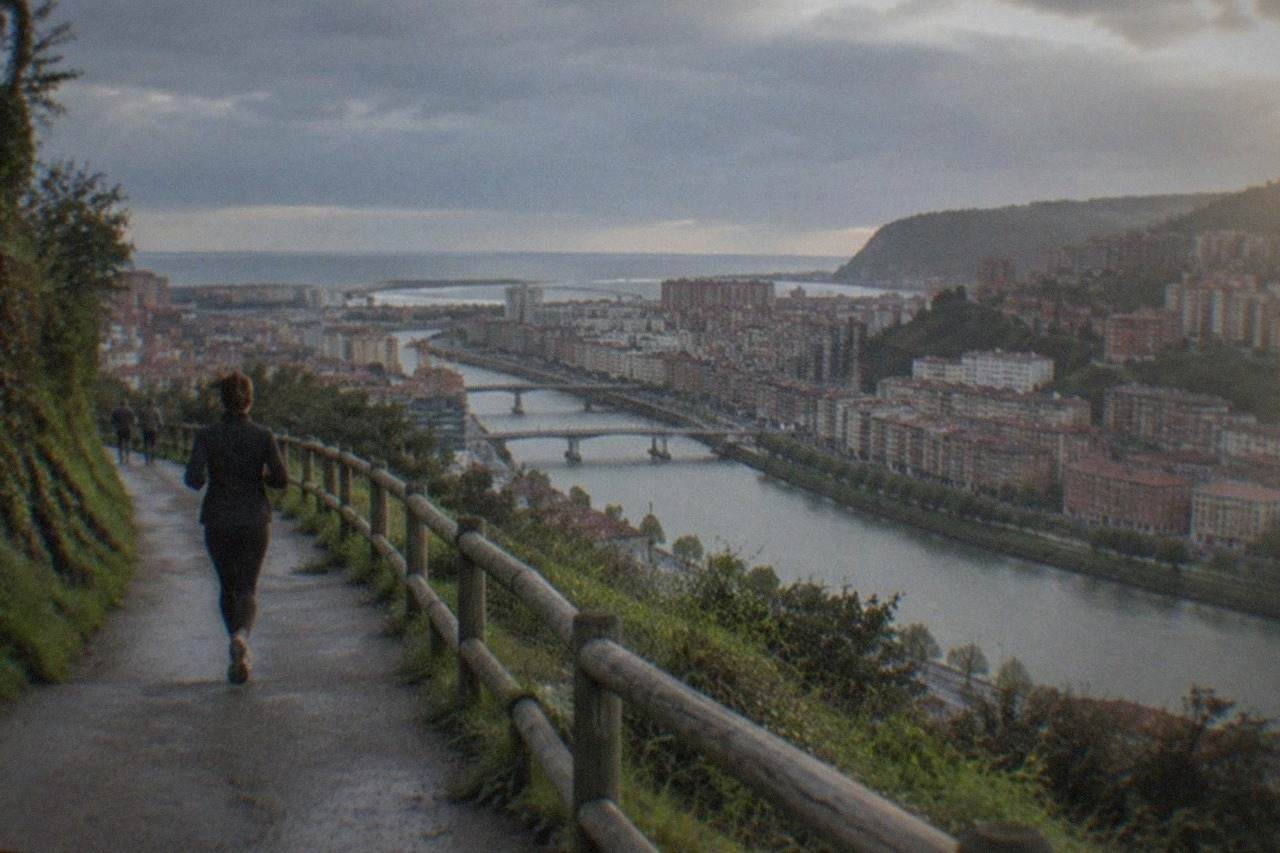
Bilbao, in Biscay province in the Basque Country of northern Spain, sits about 15 km up a tidal estuary from the Bay of Biscay, which puts walkers within a short ride of sea cliffs, green mountains and one of the most photographed footpaths in Spain.
Short answer
The best hiking near Bilbao splits into three families: the coastal walks around Gaztelugatxe, Bermeo and Mundaka on the Urdaibai coast, the clifftop and beach paths of Getxo and Sopelana reached by Metro, and the inland hills and vineyard country further afield. Almost all are reachable by public transport with a Barik card.
Bilbao, in Biscay (Bizkaia) province in the Basque Country of northern Spain, is a hiker's city that is rarely treated as one. The city itself lies on the tidal Nervion/Ibaizabal estuary roughly 15 km from the open Bay of Biscay, and that geography is the whole point: within a short Metro, train or bus ride you can stand on an Atlantic clifftop, walk a causeway to a hermitage perched on a rocky islet, or climb a green hill that overlooks the entire estuary. AEMET's Bilbao Aeropuerto/Loiu (station 1082) normals give the city an annual mean of 14.7 C and 1,134 mm of rain a year, which tells you two things about hiking here: the landscape stays improbably green all summer, and a waterproof layer belongs in your pack in every month of the year. This guide lays out the trail families worth your time, how to reach each one by public transport, when to go, and how the access rules at the most famous site actually work.
Why Is Bilbao Such A Good Hiking Base?
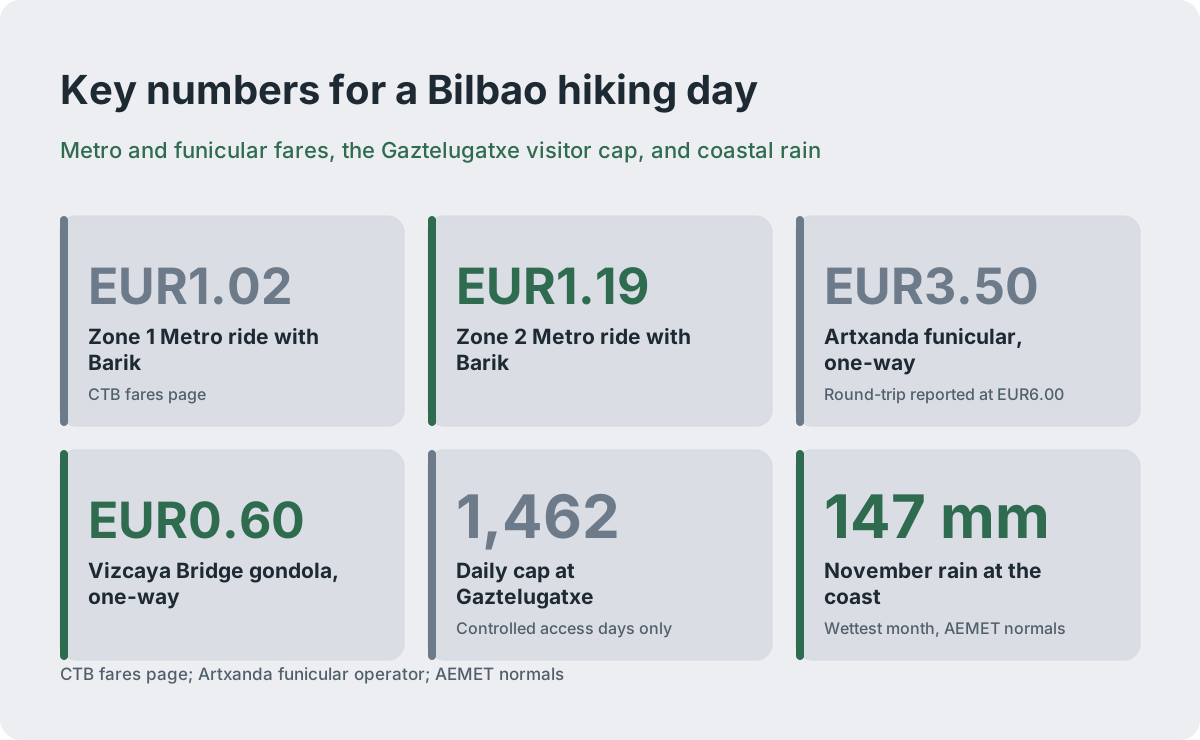
Bilbao works as a hiking base because the city's transport system reaches the trailheads directly: Metro Line 1 runs to the coast at Getxo, Euskotren runs to Bermeo and Mundaka on the Urdaibai coast, and Bizkaibus serves the villages around Gaztelugatxe, all on one integrated Barik fare. With a Barik Creditrans card, the CTB fares page gives a Zone 1 Metro ride at EUR1.02 and a Zone 2 ride at EUR1.19, so a day of coastal walking costs less than a coffee back home. You do not need a rental car for any of the walks in this guide, which is unusual for a hiking destination and is the single biggest reason to base yourself in the city rather than in a coastal village.
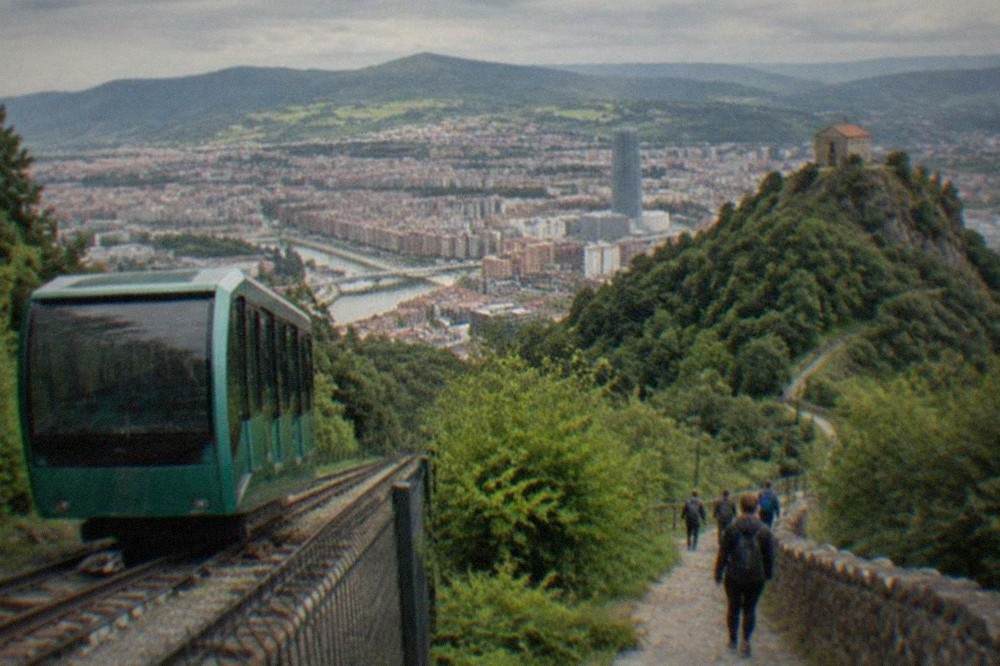
The second reason is the estuary itself. Bilbao sits in a valley surrounded by hills, and the Artxanda ridge rises directly behind the city centre. The Funicular de Artxanda, with a reported one-way fare of EUR3.50 and round-trip of EUR6.00, lifts you to the top in about three minutes according to the operator's own service description, and from there a network of paths runs along the ridge. It is the rare city where a genuine viewpoint walk is a ten-minute hop from your hotel.
The third reason is variety. In one week based in Bilbao you can walk sea cliffs, an estuary promenade, a UNESCO-listed industrial bridge crossing, a surf-town headland and vineyard foothills, all without changing accommodation. The Bilbao Travel Guide transport coverage explains the network in more depth if you are planning a multi-walk stay.
Which Are The Best Hiking Trails Near Bilbao?
The best hiking trails near Bilbao fall into four families: the Urdaibai coast around Gaztelugatxe, Bermeo and Mundaka; the Metro-reached cliffs and beaches of Getxo and Sopelana; the Artxanda ridge directly behind the city; and the longer inland routes into Rioja vineyard country for hikers who want a full-day commitment. Each family has a different character, a different public transport link and a different best season, so the right choice depends less on fitness than on what kind of landscape you want at the end of the ride.
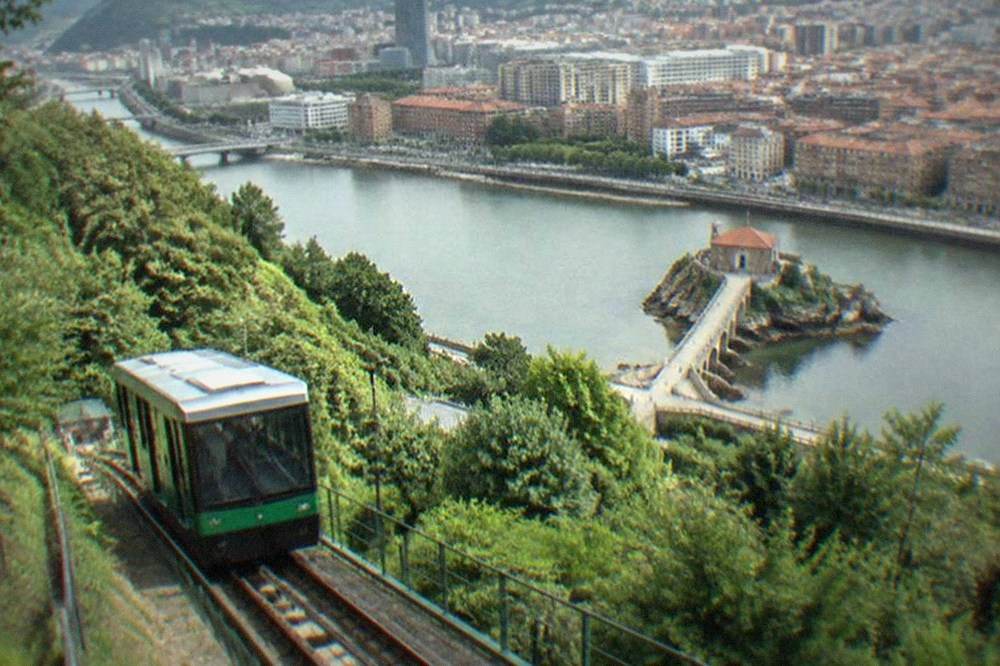
The Urdaibai family is the headline act. The Urdaibai Biosphere Reserve protects the estuary behind Mundaka and Bermeo, and the footpaths around it link fishing harbours, sandy estuaries and the rocky spur of San Juan de Gaztelugatxe, the hermitage reached by a stone causeway and a long staircase. The Euskotren train from Casco Viejo reaches Bermeo in roughly an hour and twenty minutes on the schedule data in the site's transport research, and Mundaka is a short further hop on the same line, so the whole coast opens up from the Old Town without a car.
The Getxo and Sopelana family is the easy half-day option. Metro Line 1 runs from Abando toward the coast, with the journey to the Getxo area taking roughly 28 to 29 minutes on current schedules. From there the promenade links the Vizcaya Bridge, a UNESCO World Heritage Site inscribed in 2006 and the first industrial heritage site in Spain on the list, to the beaches and clifftop paths west toward Sopelana. The Artxanda family is the before-breakfast option, and the Rioja family is the full-day one.
| Trail family | Character | Main access | Best for |
|---|---|---|---|
| Urdaibai coast (Gaztelugatxe, Bermeo, Mundaka) | Sea cliffs, harbour paths, hermitage staircase | Euskotren from Casco Viejo, roughly 1h20 to Bermeo | A full coastal day |
| Getxo and Sopelana cliffs | Promenade, beaches, estuary mouth | Metro Line 1, roughly 28-29 min from Abando | A half-day walk |
| Artxanda ridge | Hillside paths above the city | Funicular de Artxanda, about a 3-minute ride | A morning or sunset leg-stretch |
| Rioja vineyard country | Rolling inland hills, villages | Day trip by bus or guided excursion | Hikers who want a long day out |
If you would rather walk with someone who knows the paths, the coast walk option paired with Gaztelugatxe access is the one most walkers book:
How Do You Hike To San Juan De Gaztelugatxe?
You hike to San Juan de Gaztelugatxe on foot from the surrounding roads and car parks, and the hermitage causeway itself is free, but on official controlled access days, roughly mid-June to about 20 September plus Easter and holiday weekends, you must reserve a free timed ticket in advance through tiketa.eus, with a daily cap of 1,462 visitors on those days. On all other days access is free and unrestricted, with no reservation needed. The booking itself is always free, allows up to 10 people per reservation, and a reservation is typically cancelled if you arrive more than 60 minutes after your slot.
The controlled-access calendar is the detail that catches people out. The provincial authority's system protects the site during peak periods, and as of the most recent reporting, access reverted to free and reservation-free from 21 September 2026 through the end of September. Certain romeria and festival dates, including 24 June, 31 July, 29 and 31 August, and 30 December, are reserved for local socio-cultural events, and visitors are asked to stay away on those specific days. Check the current calendar before you plan a walk.
The walk itself is a commitment of staircases rather than distance. The stone path descends to the causeway and then climbs to the hermitage, and the exposed sections mean wind and rain matter more here than on sheltered inland paths. Wear real shoes with grip: the steps are worn smooth in places, and AEMET's normals show rain in every single month of the year at the nearby coast, with November the wettest at 147 mm. Combine the hike with the harbour paths at Bermeo or the estuary at Mundaka and you have the best full walking day in the province.
| Gaztelugatxe access question | Answer |
|---|---|
| Does it cost anything? | No, entry is always free |
| When is a reservation required? | Controlled access days, roughly mid-June to about 20 September, plus Easter and holiday weekends |
| Daily cap on controlled days | 1,462 visitors |
| Where do you book? | tiketa.eus, free, max 10 people per reservation |
| What happens if you are late? | Reservations are typically cancelled 60 minutes after the slot |
| Days to avoid for local events | 24 June, 31 July, 29 and 31 August, 30 December |
The fuller Gaztelugatxe picture, including how the site's screen-history fame changed foot traffic, is covered on the site's Gaztelugatxe guide.
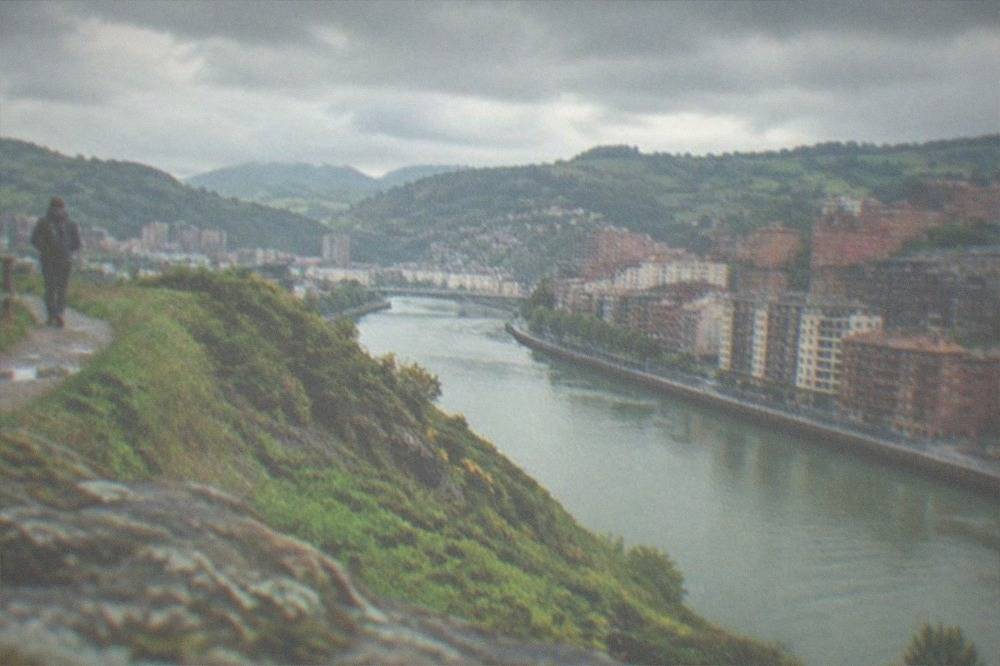
Where Can You Walk Along The Coast Near Bilbao?
The two best coastal walking areas near Bilbao are the Getxo promenade and clifftop paths reached by Metro Line 1 in under half an hour, and the Sopelana beach and cliff stretches further west, both of which connect into longer continuous routes along the Bay of Biscay. The Getxo end of the walk starts at the Vizcaya Bridge, where the gondola crossing costs EUR0.60 one-way on the regular daytime fare, and the promenade runs from there past beaches toward the open cliffs. It is the most accessible serious coastal walking in the province, and you can do it in trainers.
The Vizcaya Bridge is worth a pause on any walking day. It is a UNESCO World Heritage Site, inscribed in 2006, and it holds the distinction of being the first industrial heritage site in Spain on the list. The gondola hangs from the bridge and carries pedestrians across the estuary between Portugalete and Getxo; the operator also sells a walkway ticket reported at EUR11 adult round-trip, EUR9 reduced, for those who want to cross the top span instead, though that figure is a single-source claim and the bridge's own site is the place to confirm it before you go.
Sopelana stretches the walk west into wilder country. The clifftop paths above the beaches are exposed to the Atlantic wind, which is exactly what makes them good: the same ocean influence that keeps the grass improbably green also keeps the views wide. The site's Sopelana beach guide and Getxo guide cover the individual stretches, and the Urdaibai Biosphere Reserve guide covers the estuary side of the coast.
| Coastal walking area | How to get there from central Bilbao | What the walk is like |
|---|---|---|
| Getxo promenade and Vizcaya Bridge | Metro Line 1, roughly 28-29 min from Abando | Flat promenade, estuary views, beach sections |
| Sopelana cliffs and beaches | Metro toward Sopelana on the Line 1 corridor | Exposed clifftop paths, long sandy beaches |
| Bermeo harbour paths | Euskotren from Casco Viejo, roughly 1h20-1h25 | Fishing harbour, coastal paths toward Mundaka |
| Mundaka estuary and headland | Euskotren toward Bermeo, roughly 1h15-1h35 total | Estuary views, surf watching, gentle hills |
Can You Hike From The City Centre Without Any Transport At All?
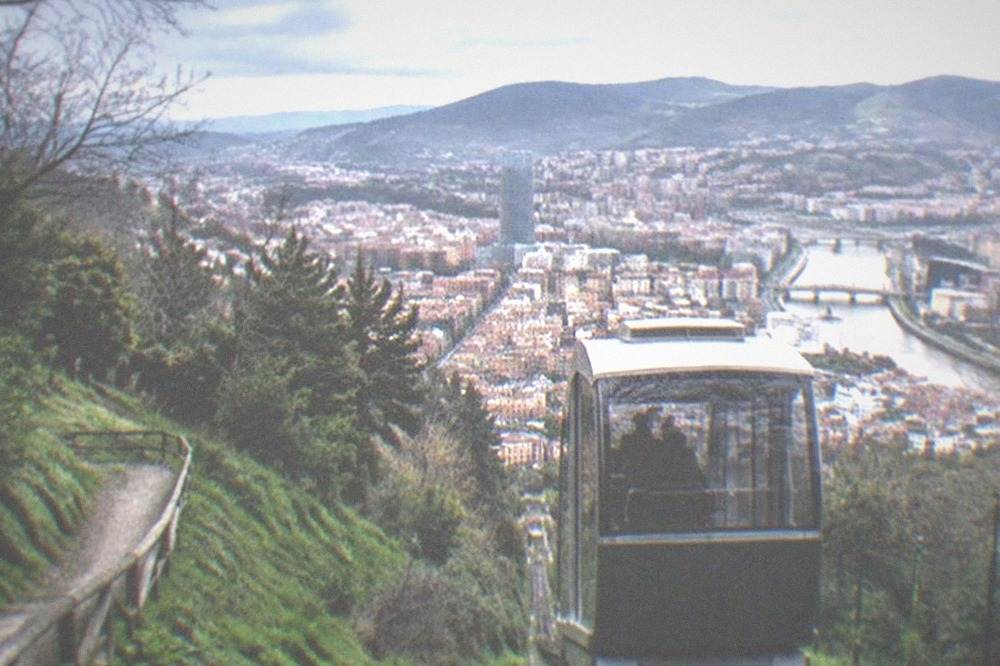
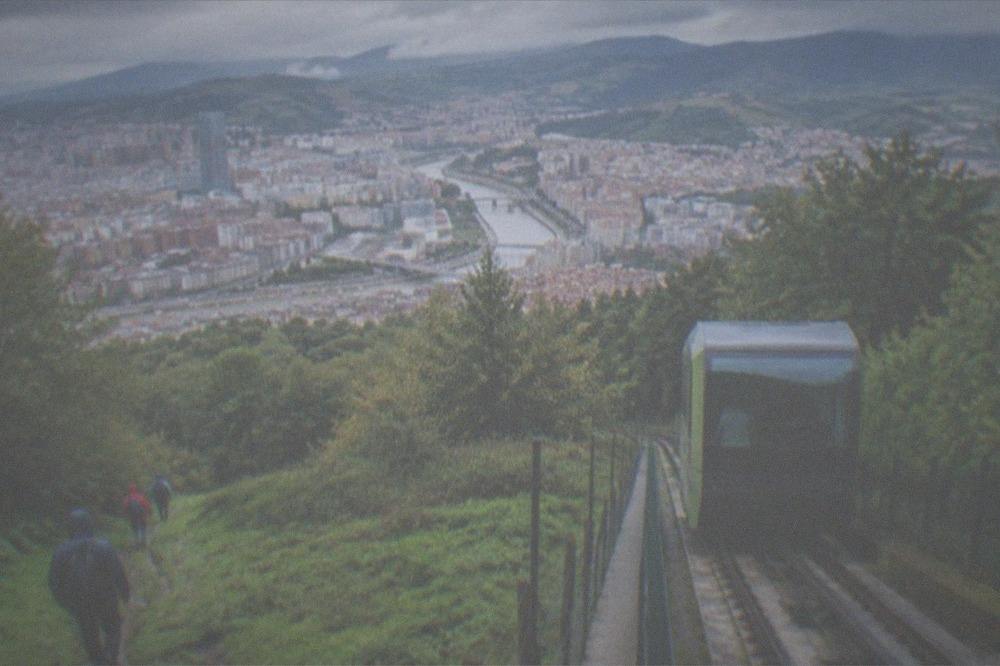
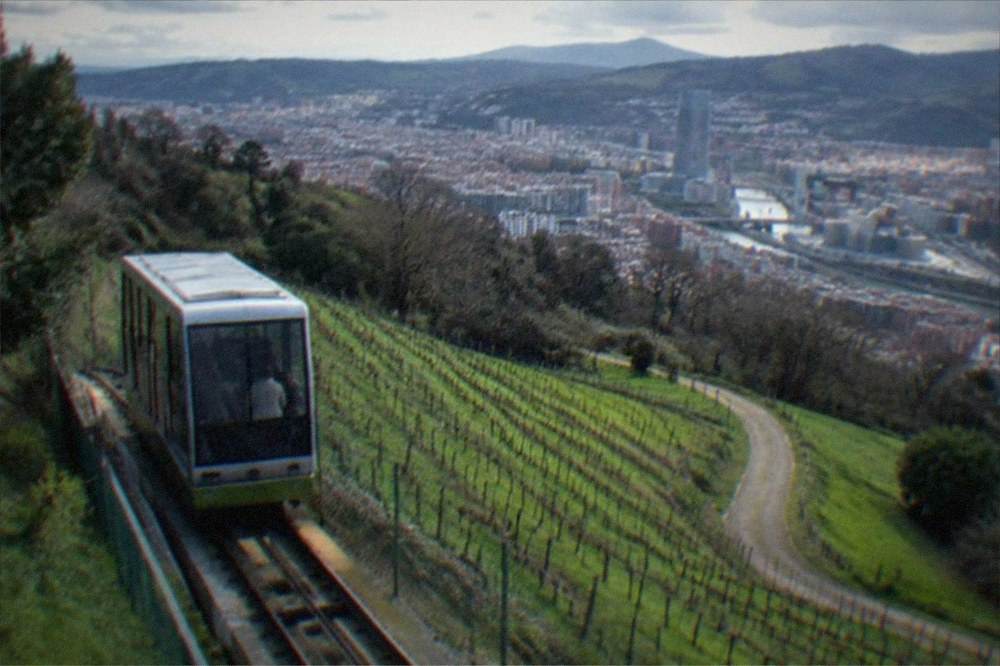
Yes, the Artxanda ridge rises directly behind central Bilbao and is the city's built-in hike, reachable either on foot from the Casco Viejo side or by the Funicular de Artxanda, whose reported fares are EUR3.50 one-way and EUR6.00 round-trip, with a companion of a wheelchair user travelling free per the accessible-tourism listing. The funicular ride takes about three minutes and runs every 10 minutes at peak times and every 15 minutes otherwise, according to the service's own description on the regional accessible tourism site. From the top, paths run along the ridge with the whole estuary city laid out below.
This is the walk to do on a jet-lagged arrival day or a spare morning. The ridge paths connect viewpoints over the Guggenheim-era waterfront, and because the funicular is step-free at both stations according to the accessibility writeup, the viewpoint itself works for walkers with reduced mobility too. The site's Artxanda funicular guide and accessibility in Bilbao guide go deeper on both the ridge and the step-free options.
The other no-transport option is the estuary itself. The riverfront walk from the Casco Viejo through Abandoibarra past the Guggenheim is flat, paved and continuous, and it behaves like a warm-up lap for the real hills. It is not a hike, but it is the walk that shows you why the city's hiking is so good: every step of it is ringed by the ridges you will be standing on tomorrow.
What Should You Pack For A Hike Near Bilbao?
Pack for a temperate oceanic climate, not a Mediterranean one: a waterproof jacket in every month, layered clothing, and grippy shoes are the non-negotiables, because AEMET's Bilbao Aeropuerto/Loiu (station 1082) 1981-2010 normals show rain in all twelve months, from 50 mm in July to 147 mm in November, and an annual total of 1,134 mm. Even the driest month, July, averages 50 mm of rain. The Basque coast does not have a dry season in the Mediterranean sense; it has a drier season, and the difference matters for what goes in your pack.
The layering advice follows directly from the temperature table. Monthly means run from 9.3 C in January to 20.9 C in August, but those are means, not hiking-day highs, and the coastal wind takes several degrees off how any temperature feels on an exposed clifftop. A windproof outer layer earns its place on every coastal walk, and the exposed staircase at Gaztelugatxe is the single spot where wind matters most. The site's Bilbao packing guide covers the city wardrobe, but the hiking version is simpler: shoes with grip, waterproof, warm layer, water.
Footwear deserves a specific word. The stone steps at Gaztelugatxe are worn smooth, and the coastal paths are dirt and grass that turn slick quickly after rain. Trail shoes with a real outsole are enough for every walk in this guide; you do not need boots unless you are heading into the inland hills after wet weather.
| Month | Mean temp (C) | Mean rain (mm) | What it means for hikers |
|---|---|---|---|
| January | 9.3 | 120 | Cold, wet, short days; ridge walks fine, coast bracing |
| March | 11.5 | 90 | Green and fresh, changeable |
| May | 15.7 | 78 | Prime spring walking conditions |
| July | 20.4 | 50 | Warmest, driest; still pack a waterproof |
| August | 20.9 | 76 | Peak warmth, busier coastal paths |
| September | 19.2 | 73 | Warm sea, thinner crowds, excellent walking |
| November | 12.4 | 147 | Wettest month; expect mud on dirt trails |
When Is The Best Season For Hiking Near Bilbao?
The best months for hiking near Bilbao are May through July and September: May and June combine mild mean temperatures of 15.7 C and 18.4 C with moderate rainfall of 78 mm and 60 mm, July is the driest month at 50 mm, and September keeps a warm 19.2 C mean while the summer crowds thin out. August is the warmest month at 20.9 C mean but it is also the busiest on the coastal paths and the one month when Gaztelugatxe's controlled-access reservation system is in force every day. November is the month to avoid for serious walking: it is the wettest of the year at 147 mm.
Spring deserves more credit than it gets. The 78 mm May figure sounds like a lot to walkers from drier climates, but it is what keeps the coastal meadows green through the whole summer, and a May morning on the Urdaibai cliffs, with the estuary below and the hills bright, is as good as Atlantic walking gets. The trade-off is changeability: a spring day can move from sunshine to squall in an hour, which is exactly why the waterproof stays close at hand.
Autumn is the connoisseur's season. September means warm sea temperatures, a still-long day, and the first fresher air on the ridge paths, and by October the hillside colour starts turning on the Artxanda slopes. Winter walking is entirely possible, and the ridge behind the city is at its most dramatic under clearing skies between fronts, but the dirt coastal paths hold water and the daylight window is tight. The site's Bilbao weather guide carries the full month-by-month picture.
| Season | Conditions for hiking | Verdict |
|---|---|---|
| Spring (Mar-May) | Mild means 11.5-15.7 C, rain 78-90 mm, very green | Excellent, changeable |
| Summer (Jun-Aug) | Warmest and driest, 50-76 mm rain, busiest coast | Best weather, book Gaztelugatxe early |
| Autumn (Sep-Nov) | 19.2 C falling to 12.4 C, rain rising to 147 mm | September superb, November wet |
| Winter (Dec-Feb) | Means 9.3-9.9 C, rain 86-122 mm | Ridge walks yes, coastal mud likely |
How Do You Reach The Trailheads Without A Car?
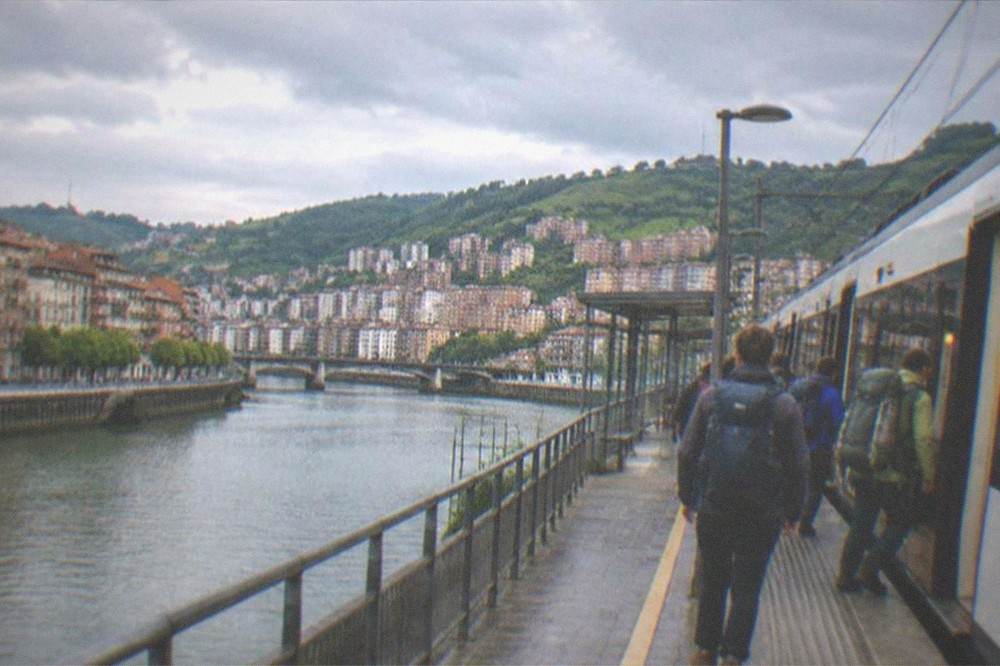
You reach every trailhead in this guide by public transport on the integrated Barik system: Metro Line 1 to the Getxo and Sopelana coast, Euskotren from Casco Viejo to Bermeo and Mundaka, Bizkaibus lines toward the Bakio and Gaztelugatxe side, and the funicular or a steep footpath up Artxanda, with Barik Creditrans fares of EUR1.02 for one zone and EUR1.19 for two zones on the Metro per the CTB fares page. The Barik card itself is commonly reported to cost EUR3 to buy and is non-refundable, though that purchase price comes from a secondary source rather than an official CTB page, so treat it as provisional.
For a short stay, the tourist alternative is the Bilbao Bizkaia Card, whose official site lists 24 hours at EUR10, 48 hours at EUR15 and 72 hours at EUR20, including unlimited transport plus attraction discounts. The card is personal and non-transferable, and for a two-day hiking plan that mixes Metro, Euskotren and the funicular, the 48-hour tier usually pays for itself. The site's Bilbao Bizkaia Card guide and getting around Bilbao transport guide break down the arithmetic.
One planning note matters more than any fare: there is no Metro or train link to Bilbao Airport, and the city council's own position is that none arrives before 2035. The Bizkaibus A3247 airport bus runs every 15 minutes, takes roughly 15 to 25 minutes to the centre, and costs EUR5 without a Barik card. If you are flying in for a hiking weekend, budget for that bus or a taxi, at roughly EUR24-29 to the centre, and start walking from day one.
| Transport to trailheads | Barik Creditrans fare | Notes for walkers |
|---|---|---|
| Metro, 1 zone (central Bilbao, Abando area) | EUR1.02 | Cheapest hops within the city |
| Metro, 2 zones (toward Getxo coast) | EUR1.19 | The coastal walking line |
| Metro, 3 zones (outer coastal stations) | EUR1.30 | Sopelana-side beaches |
| Bilbao Tram (flat) | EUR0.74 | Useful for the Abandoibarra riverfront start |
| Bizkaibus (1-5 zones) | EUR1.02-2.45 | Reaches villages the rail lines miss |
| Airport bus A3247 (no Barik) | EUR5 flat | Every 15 min, about 15-25 min ride |
For walkers who want a long day in vineyard country instead, the Rioja side of the region is the one place where a guided excursion beats public transport, because the winery villages sit beyond the easy rail network:
And for the full coastal classic with a guide handling the Gaztelugatxe timing and the Bermeo and Mundaka legs, this is the excursion the site recommends for that exact plan:
The two options suit different days entirely. The vineyard excursion is a slow, food-centred day on rolling inland terrain, while the coastal classic is about the staircase, the causeway and the sea air, so most walkers pick based on whether the holiday needs mountains or waves. Both, and the Basque coast walk above, can be compared side by side in the final selection below.
Common Questions About Hiking Near Bilbao
Is Gaztelugatxe free to hike?
Yes. The causeway and hermitage are always free to walk. A free timed reservation is required only on official controlled access days, roughly mid-June to about 20 September plus Easter and holiday weekends, booked through tiketa.eus with a daily cap of 1,462 visitors on those days.
Can you hike near Bilbao without a car?
Yes, every walk in this guide is reachable by public transport. Metro Line 1 serves the Getxo and Sopelana coast, Euskotren runs from Casco Viejo to Bermeo and Mundaka, Bizkaibus covers the villages around Gaztelugatxe, and the Artxanda ridge sits behind the city centre with funicular access.
What is the best month for hiking near Bilbao?
May through July and September are the best hiking months. July is the driest at 50 mm of rain on AEMET's 1981-2010 normals, May and June are mild and green, and September keeps a warm 19.2 C mean with thinner crowds. November is the wettest month at 147 mm.
How hard is the walk to San Juan de Gaztelugatxe?
The walk is moderate: the challenge is the long stone staircase and the exposed sections rather than distance. The steps are worn smooth, so grippy shoes matter, and the Atlantic wind can be strong on the causeway even in summer.
Do I need hiking boots for trails near Bilbao?
Trail shoes with a real outsole are enough for the coastal paths, the Artxanda ridge and the Gaztelugatxe staircase. Boots only earn their weight on inland hill routes after wet weather, when the dirt paths hold water.
Is the Artxanda ridge walk suitable for reduced mobility?
The viewpoint level is. The Funicular de Artxanda is wheelchair accessible with ramp access at the lower station and a lift at the top, and a companion of a wheelchair user travels free according to the regional accessible-tourism listing. The ridge dirt paths themselves are unsurfaced.
Bilbao rewards walkers who treat it as a base rather than a stopover: one city, one Barik card, and a coastline, a ridge and a biosphere reserve all within a short ride of your hotel door.