Laguardia And Rioja Alavesa
Laguardia is the stone-crowned capital of Rioja Alavesa, the Alava-side slice of the Rioja wine region that begins about an hour south of Bilbao, in the Basque Country of northern Spain. Most visitors from Bilbao go on a booked wine day trip or with a rental car, spend the day in two or three villages and wineries, and return the same evening.
Short answer
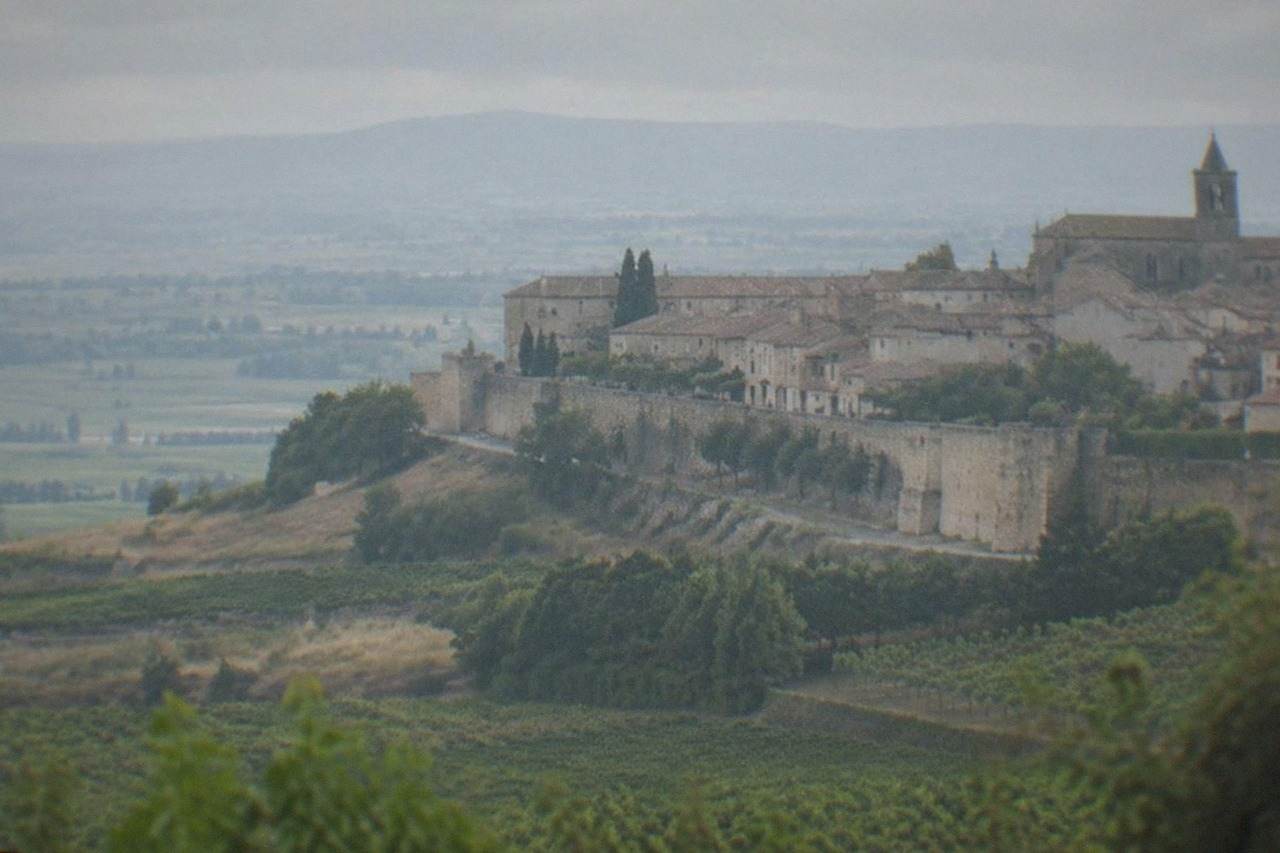
Laguardia is the walled, hilltop capital of Rioja Alavesa, the Alava-province slice of the Rioja wine region that begins about an hour south of Bilbao, in the Basque Country of northern Spain. Most visitors from Bilbao go on a booked wine day trip or with a rental car, spend the day in two or three villages and wineries, and return the same evening.
Laguardia is the walled, hilltop capital of Rioja Alavesa, the Alava-province slice of the Rioja wine region, reached on a straightforward day trip south from Bilbao in the Basque Country (Euskadi), northern Spain. The village sits above rows of Tempranillo vines, and beneath its cobbled lanes run centuries-old cellars where wine is still stored the traditional way. For travellers basing themselves in Bilbao, this is the closest serious wine country: a landscape of medieval villages, family bodegas and hillside views that contrasts completely with the industrial-estuary city an hour or so north. This guide from Bilbao Travel Guide covers how the trip works, what to book, what each village offers and what the practical constraints are.
What Is Laguardia And Rioja Alavesa?
Laguardia is a medieval walled village of roughly a thousand residents and the main town of Rioja Alavesa, the southernmost district of Alava province, which is itself one of the three provinces of the Basque Country, northern Spain. Rioja Alavesa produces wines sold under the Rioja designation, and the village of Laguardia functions as its tourist and winemaking centre, with bodegas inside and outside the walls.
The name causes confusion, so it is worth being precise. Rioja is a wine region that straddles three provinces: Rioja Alavesa belongs to Alava in the Basque Country, while the neighbouring Rioja Alta and Rioja Baja lie in the neighbouring region of La Rioja. The Alavesa side is the part accessible from Bilbao, and it is the part Basque institutions promote. The village itself is officially called Biasteri in Basque and Laguardia in Spanish, though English-language travel writing overwhelmingly uses the Spanish name.
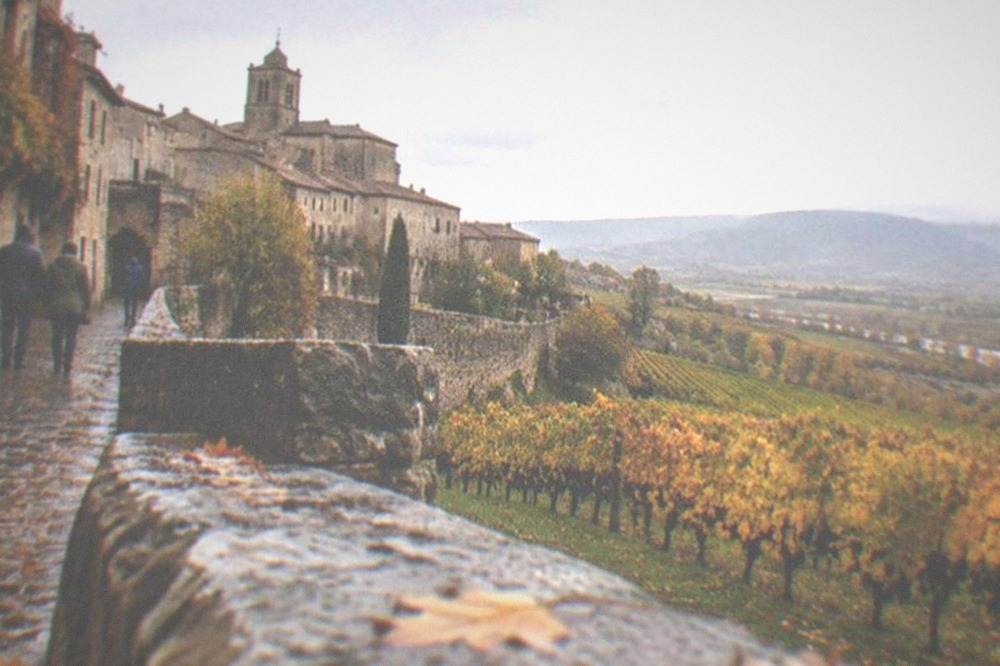
The setting explains the wine. Rioja Alavesa sits at higher elevation than much of the rest of the Rioja region, on soils of limestone and clay, and the Atlantic influence that keeps Bilbao green and mild, AEMET's Bilbao Aeropuerto/Loiu station (1082) records 1,134 mm of rain a year at 14.7 C annual mean, softens into something drier and more continental as you climb south over the mountain roads. Vineyards replace green hills with ordered rows of low bushes. The visual change is abrupt enough that travellers comment on it.
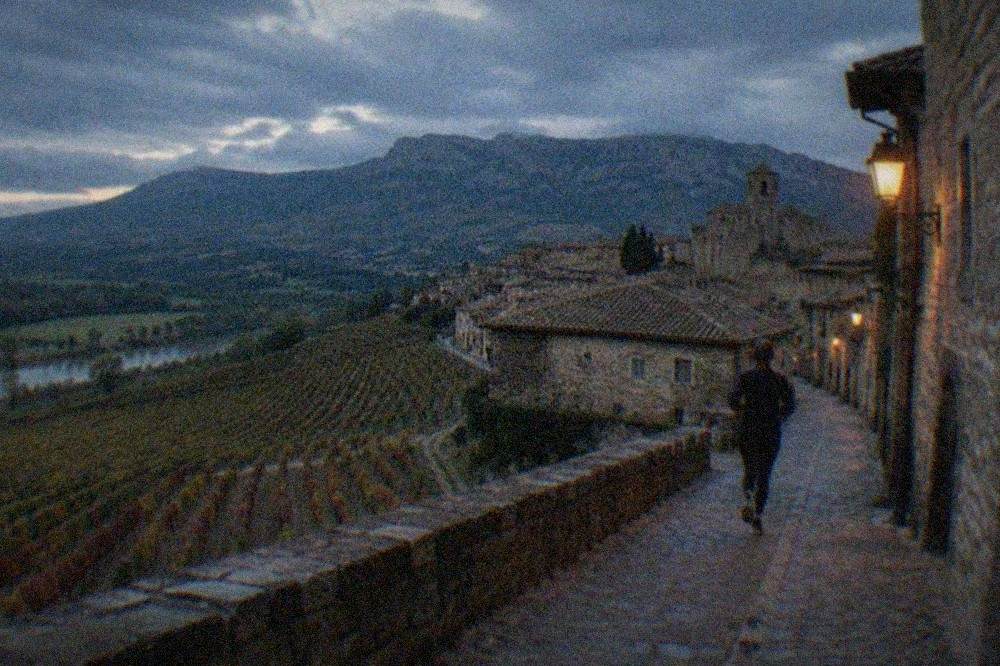
What you actually do there is simple: walk the walls, taste in two or three bodegas, eat a long lunch, and repeat. The village is small enough to see on foot in a couple of hours, and the wineries are the real draw. Some are architectural landmarks in their own right, and several of the region's most celebrated producers sit within a short drive of Laguardia's gates.
How Do You Get From Bilbao To Laguardia And Rioja Alavesa?
The practical answer is a booked wine day trip or a rental car, because public transport between Bilbao and the villages of Rioja Alavesa is thin: interurban buses serve Laguardia itself, but winery-to-winery travel without a vehicle is genuinely hard, so the usual choices are a guided tour or driving. A booked tour removes the driving-after-tasting problem entirely, which matters on a wine day.
The driving question deserves honesty. Tastings add up, and Spanish drink-driving limits are enforced. A tour with transport included solves this completely, and Bilbao has a healthy supply of them. The Rioja wine day trip planner on this site covers the options in more depth, including what different tour formats include.
For independent travellers, a rental car gives the most freedom, and the car rental guide for Bilbao covers the practicalities of picking one up in the city or at the airport. The route south is mountain-road driving for part of the way, then opens into vineyard country. Parking in Laguardia is outside the historic walls, which are closed to through traffic; the village is compact and pedestrian.
If you would rather compare the market before committing, the main booked options from Bilbao include a full-day wineries trip with tastings in Haro and Laguardia, a shorter Rioja and Laguardia tour, and a semi-private premium version visiting three wineries. The choice usually comes down to how many tastings you want and whether a small group matters to you.
The best-known full-day option pairs the two sides of the wine region: the Haro station district on the La Rioja side and Laguardia on the Alavesa side, with tastings at both. You can Check availability on the operator's live listing, where current dates and inclusions are shown.
Which Wineries Should You Book In Rioja Alavesa?
The wineries most first-time visitors from Bilbao end up at are the architecturally significant producers in the Laguardia area, the traditional family cellars beneath the village itself, and the historic bodega district of Haro just across the regional border, and a good day combines one of each type rather than three of the same. Book ahead: the best-known cellars fill their English-language tasting slots days in advance in high season.
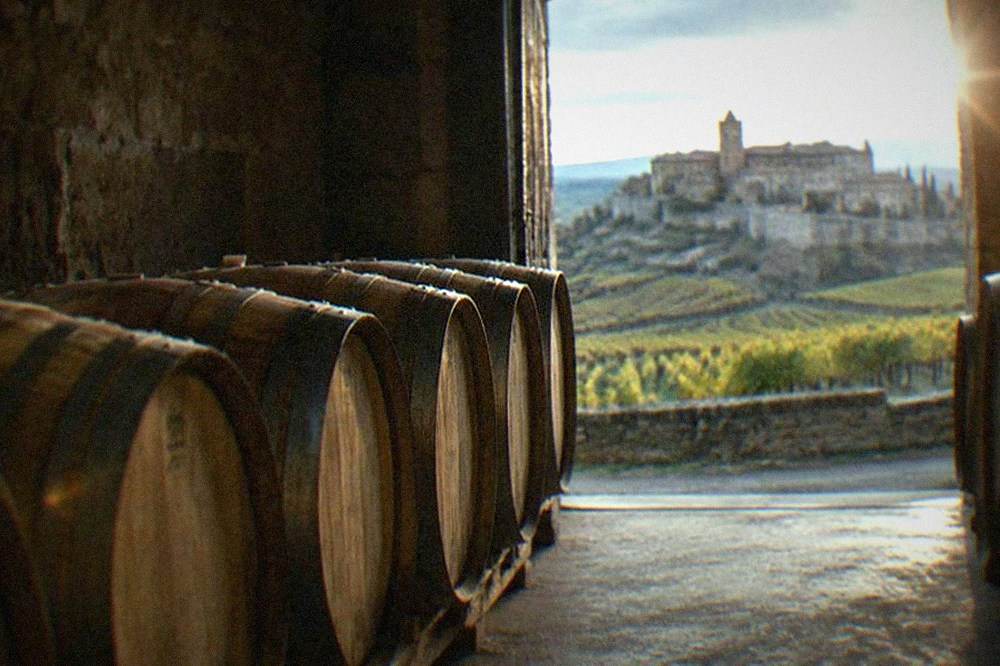
Laguardia's own cellars are the distinctive experience. Several bodegas in the village date back centuries, with barrel vaults dug into the hill beneath the houses, and a handful still use the traditional methods that made the village's name. Tasting in a candle-lit, chalk-smelling cellar a staircase below a cobbled street is the memory most people take home.
Outside the walls, the modern showpiece bodegas are the other half of the story. Rioja Alavesa has attracted some of Spain's most ambitious winery architecture, with buildings designed to be photographed as much as worked in. Their tours are slicker, the views over the vines are better, and the tastings are generous.
A useful way to frame the choice:
| Winery type | Where | What the visit gives you | Best for |
|---|---|---|---|
| Traditional village cellar | Beneath Laguardia's old town | Old vaults, old-method wines, intimate scale | History and atmosphere |
| Modern architect-designed bodega | The Laguardia and Elciego area | Striking buildings, vineyard views, polished tours | Photography and comfort |
| Haro station district | Haro, La Rioja side | Clusters of famous producers within walking distance of each other | Tasting several classics in one stop |
| Family boutique producer | Villages across Rioja Alavesa | Small-lot wines, personal hosting, quieter rooms | Wine lovers who already know Rioja |
Tasting fees themselves vary by cellar and by tier of tasting, so check the room rather than planning around a fixed number. What is fixed is the booking logic: the famous names sell out first, the small family cellars often cannot take walk-ins at all, and a midday arrival without a reservation is the classic mistake on this route.
The full-day tour that strings Haro and Laguardia together is the simplest way to cover both types without driving. It is the related pick for this page for exactly that reason.
If your priority is a smaller group and more cellar time, the semi-private version visiting three premium wineries is the upgrade path, and the shorter Laguardia-focused tour suits anyone who wants wine without committing a whole day.
What Should You See In Laguardia Village Itself?
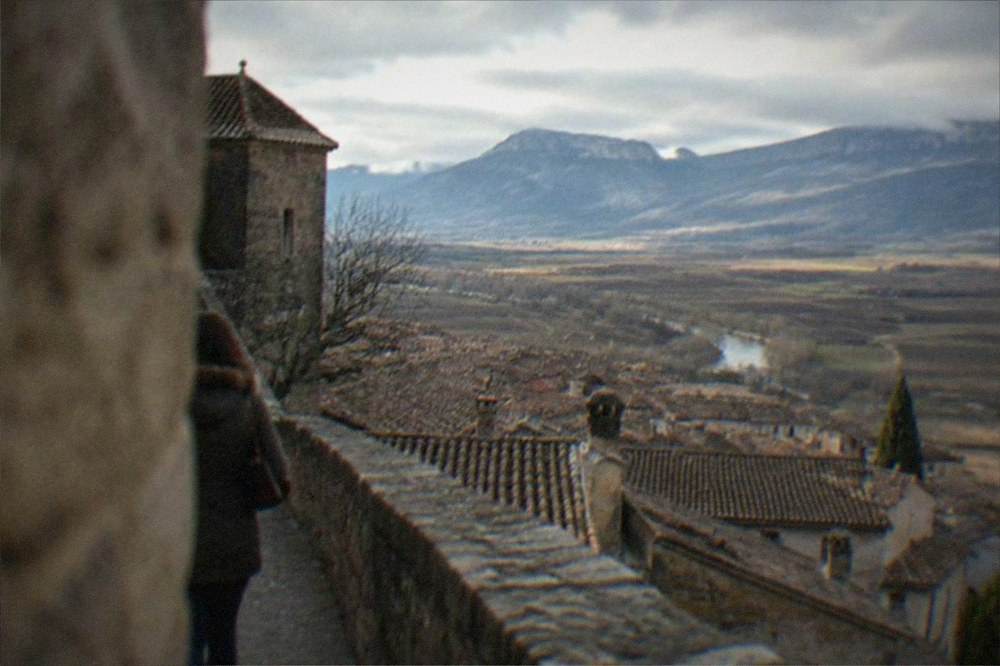
Laguardia's old town is a compact walled rectangle of cobbled lanes, stone houses and church towers that you can walk end to end in well under an hour, and the essentials are the two fortified churches, the underground cellars accessible on guided visits, the views from the walls toward the Sierra de Cantabria, and the main street's pintxo bars for lunch. The village rewards slow wandering more than any ticketed sight.
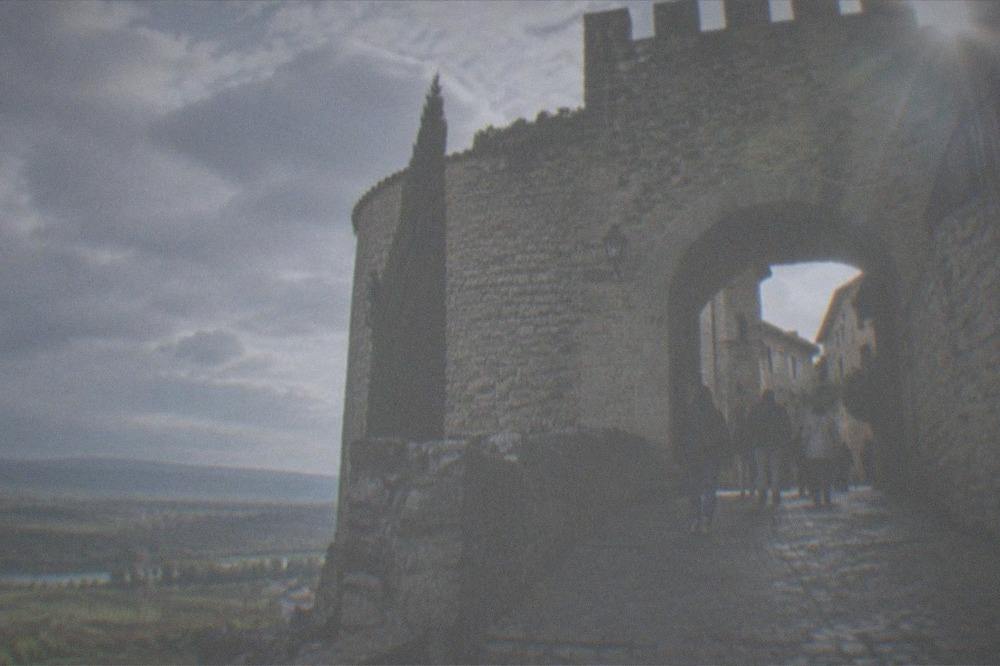
The walls define everything. They are why the village exists as it does: buildings packed tight, streets barely a car wide, cellars dug down because there was no room to build out. Walking the perimeter road outside the walls gives the best overall impression, with vineyards on one side and the village rising on the other.
Inside, the two churches anchor the skyline. The larger one, Santa Maria de los Reyes, is known for its carved Gothic portal, unusually well preserved and still carrying traces of its original polychrome paint. The other, San Juan Bautista, sits at the opposite end of the old town and forms part of the defensive fabric. Both are working parish churches, so opening hours revolve around services; check locally rather than assuming all-day access.
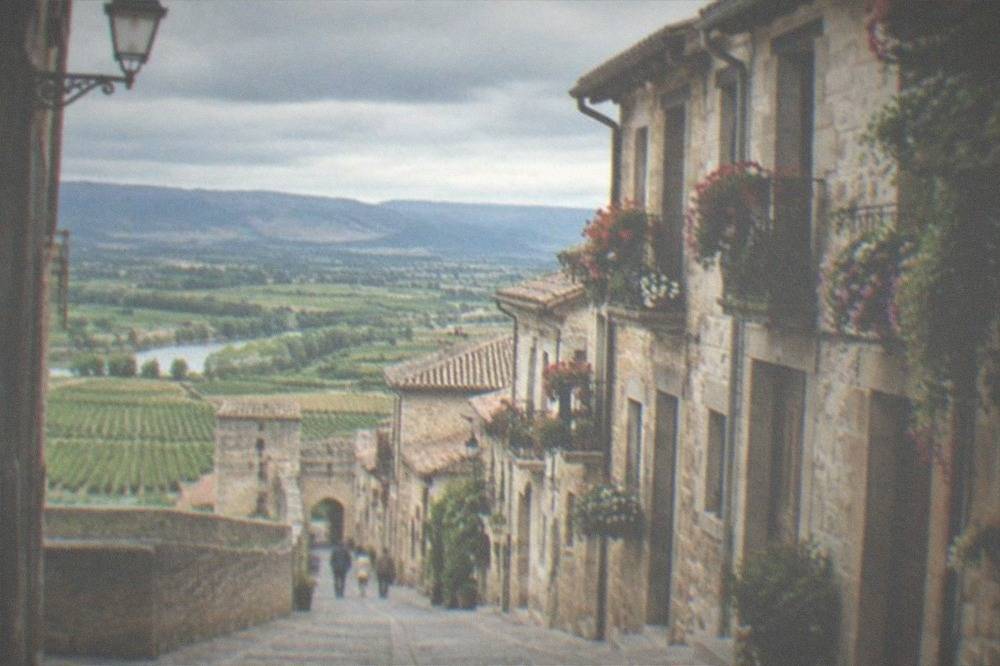
Lunch is a serious business here. Rioja Alavesa's restaurant scene punches above its villages' size, and the main street through Laguardia has both sit-down restaurants and pintxo bars. The Basque pintxo culture you find in Bilbao's Old Town travels south with you, though the wine list improves and the pace slows. Order by the glass: this is the one region where the house red is the point of the trip.
One practical note: the village's cellars and the tourist office run guided visits of the underground galleries, and these are the only way to see several of them. If a cellar tour matters to you, book it for a specific time before you commit to a lunch reservation, because the two compete for the same midday hours.
When Is The Best Time Of Year To Visit Rioja Alavesa From Bilbao?
September and October are the best months for a Rioja Alavesa day trip: the grape harvest is under way, the vines turn colour, the summer heat has eased, and the village is busy but not yet in its winter quiet. Spring, roughly April to June, is the other strong window, with mild weather and green vines, while July and August bring heat and the biggest crowds, and winter is quiet with shortened winery hours.
The climate logic works differently here than in Bilbao itself. AEMET's Bilbao Aeropuerto/Loiu station (1082), 1981-2010 normals, give the city a temperate oceanic pattern: 20.4 C mean in July, 9.3 C in January, with rain in every month. Rioja Alavesa, over the mountains and inland, runs hotter in summer and colder in winter than those coastal-adjacent figures. A July visit can be genuinely hot in the vineyards; a January visit can be frosty in the mornings.
| Month | Bilbao mean temp (C) | Bilbao precip (mm) | What it means for a Rioja Alavesa day trip |
|---|---|---|---|
| January | 9.3 | 120 | Cold mornings inland, quiet cellars, shortest opening hours |
| March | 11.5 | 90 | Bare vines, crisp walking weather, low crowds |
| April | 12.6 | 107 | Bud break in the vineyards, mild days, some rain |
| June | 18.4 | 60 | Long days, green vines, tasting rooms filling up |
| July | 20.4 | 50 | Hot inland, book early, best terrace weather |
| September | 19.2 | 73 | Harvest season, the region at its most alive |
| October | 16.4 | 111 | Turning vine leaves, harvest tail-end, golden light |
| November | 12.4 | 147 | Quietest month, some cellars reduce visits |
The harvest, vendimia in Spanish and vendimia in Basque usage too, is the calendar's peak. It typically occupies the September weeks, though exact dates shift with the year's weather, and the pack for this site does not carry a verified date for any specific year's harvest, so treat September as the window rather than a fixed week. During it, the roads carry grape trailers and the bodegas smell of fermentation, which is either the best or the worst time to visit depending on how you feel about working wineries versus polished ones.
One Bilbao-side consideration: the city's own festival calendar affects your base, not the vineyards. Aste Nagusia runs 22-30 August 2026 in Bilbao, nine days of concerts and crowds, and anyone combining the festival with a wine day should expect higher city hotel demand that week, not changes in Laguardia itself.
How Much Does A Rioja Alavesa Day Trip From Bilbao Cost?
The cost of a Rioja Alavesa day trip from Bilbao splits into three parts: the transport or tour price, which is set by the product you book and is shown on the operator's live listing; the tasting fees and any cellar visits, which vary by winery and tier; and food, which in the villages runs at ordinary Basque restaurant prices rather than city-centre tourist rates. There is no tourist tax on your Bilbao accommodation in 2026, so that line item is zero this year.
On the tax point, precision matters. A Bizkaia-wide regional tourist tax, Norma Foral 3/2026, takes effect on 1 January 2027, and Bilbao's approved municipal rates run from 1 euro per night at pensions up to 5 euro at five-star hotels, with 6.50 euro for tourist apartments. A 2026 visitor pays none of it; a 2027 visitor does. If your trip straddles New Year, budget accordingly.
| Cost line | What to expect | Notes |
|---|---|---|
| Booked wine day tour from Bilbao | Price shown on the operator's live listing | Includes transport and stated tastings; check inclusions before booking |
| Rental car for the day | Standard Bilbao rental rates | Fuel and any motorway tolls extra; book early in harvest season |
| Winery tasting fee | Varies by cellar and tasting tier | Premium tastings cost more; check each cellar's own list |
| Laguardia cellar tour | Modest ticketed fee | Guided visits of the underground galleries; book a time slot |
| Lunch in the villages | Ordinary Basque restaurant prices | Menus del dia offer good value midweek |
| Bilbao tourist tax | Zero in 2026 | Regional tax starts 1 January 2027 at 1 to 6.50 euro per night by category |
The booked-tour option is where most of the money goes for most visitors, and it buys back the two things independent travel cannot: a sober driver and pre-arranged tasting slots. The premium three-winery semi-private tour costs more and delivers more cellar time; the standard full-day Haro-and-Laguardia trip is the volume choice. Both render current prices on their listings, so compare there rather than against any figure quoted second-hand.
If a full day of wine is more than your budget or your liver wants, the shorter Laguardia-focused tour is the compromise, and combining it with a self-guided afternoon in Bilbao keeps the day affordable. The is Bilbao expensive guide covers the city-side costs if you are building a whole trip budget.
Can You Visit Rioja Alavesa Without A Car?
Yes, but with limits: you can reach Laguardia village itself by interurban bus from Bilbao and you can walk the old town and book a cellar visit on foot, but the wineries are scattered across the district and public transport between them is thin, so a car-free visit means choosing one base village and booking tours whose transport is included. Most car-free visitors from Bilbao solve the problem with a booked day tour.
The village-only version is genuinely pleasant. Arrive in Laguardia, walk the walls, take a cellar tour, eat a long lunch, taste at a bodega within walking distance of the gates, and go home. It is a real Rioja Alavesa experience, just a narrower one than the three-winery version.
The full-district version without a car is where it breaks down. The famous modern bodegas sit outside the villages, along roads with infrequent buses, and a day spent waiting for connections is a day not spent tasting. This is why the guided-tour market here is so strong: the transport is the product as much as the wine.
For anyone who wants wine country but no car and no long day, there is a middle path: the Vizcaya Bridge, Gaztelugatxe and wine tasting combination tour packs a UNESCO-listed transporter bridge, the Dragonstone islet and a tasting into one outing from Bilbao, mixing coast and wine in a way the pure Rioja trips do not.
And for travellers who want only a taste of the region without leaving the Bilbao orbit at all, the city's own food and wine tours, including a chef-led gastronomical walk, pour Rioja by the glass without any travel at all. The things to do in Bilbao overview collects those city options alongside the day trips.
How Does A Laguardia Day Fit Into A Wider Bilbao Trip?
A Laguardia and Rioja Alavesa day works best as the one inland excursion in a Bilbao itinerary that otherwise leans coastal: pair it with a coastal day such as Gaztelugatxe or San Sebastián, a city day for the Guggenheim and the Old Town, and a flexible day for weather, and you have a balanced four-to-five-day Basque Country trip. Wine days are weather-proof, which makes them ideal for the region's wetter months.
The logic is climatic. Bilbao's temperate oceanic pattern, 1,134 mm of rain a year in the AEMET normals, means any coastal or hiking day carries weather risk, while a cellar day carries almost none. In November, the wettest month at 147 mm on the Bilbao station normals, a Rioja Alavesa day indoors among barrels is a better bet than a cliff walk. The Bilbao weather guide unpacks the seasonal pattern if you are choosing dates.
The neighbouring day trips divide cleanly. San Sebastián and the coastal villages sit east along the shore, covered in the San Sebastian day trip guide. Gaztelugatxe and the Urdaibai estuary sit northeast, and the Gaztelugatxe guide covers the hermitage's free timed-ticket rules on controlled-access days. Vitoria-Gasteiz, the Basque capital, lies between Bilbao and the wine country and pairs with Rioja on some tours; the Vitoria-Gasteiz day trip guide covers it.
| Day-trip direction from Bilbao | Signature stop | Character | Weather sensitivity |
|---|---|---|---|
| South to Rioja Alavesa | Laguardia and the bodegas | Wine, villages, long lunches | Low, mostly indoors |
| East to San Sebastián | The old town and La Concha | Coast, pintxos, elegant city | Moderate |
| Northeast to Gaztelugatxe | The hermitage causeway | Cliffs, sea, dramatic scenery | High, exposed to wind and rain |
| South to Vitoria-Gasteiz | The medieval old town | Capital city, green, relaxed | Low to moderate |
| West to the Vizcaya Bridge | The UNESCO transporter bridge | Industrial heritage, estuary | Low |
The pairing that most rewards planning is Rioja Alavesa plus a city day. Bilbao's museum quarter, anchored by the Guggenheim, is the reason many people come to the city at all, and the Guggenheim Museum Bilbao guide covers its 18 euro adult ticket and Tuesday-to-Sunday hours, with evening extensions in summer. A morning of titanium architecture and an afternoon booking a wine day for later in the week is a common pattern.
For a full comparison of the two headline cities of the Basque Country before you commit days to either, the Bilbao versus San Sebastian guide lays out the trade-offs, and the best base in the Basque Country guide does the same for trip-planning overall.
What Are The Common Mistakes On A Laguardia And Rioja Alavesa Day Trip?
The four recurring mistakes are arriving without winery reservations, trying to fit too many bodegas into one day, underestimating how the tastings and a long lunch interact with an evening drive back to Bilbao, and visiting in deep winter expecting full opening hours, and every one of them is avoidable with a booking the week before.
Reservations first. The celebrated cellars in the Laguardia area run finite daily slots, and English-language tours are the scarcest. A same-morning attempt to taste at a famous bodega is a coin toss at best in season. Book the wineries before you book the lunch.
Pace second. Three wineries plus a cellar tour plus a long lunch is not a day, it is a marathon, and by the fourth tasting most palates are gone anyway. Two well-chosen tastings with a proper meal between them beats four rushed ones. The tours that visit three wineries space them deliberately; independent travellers should copy that spacing.
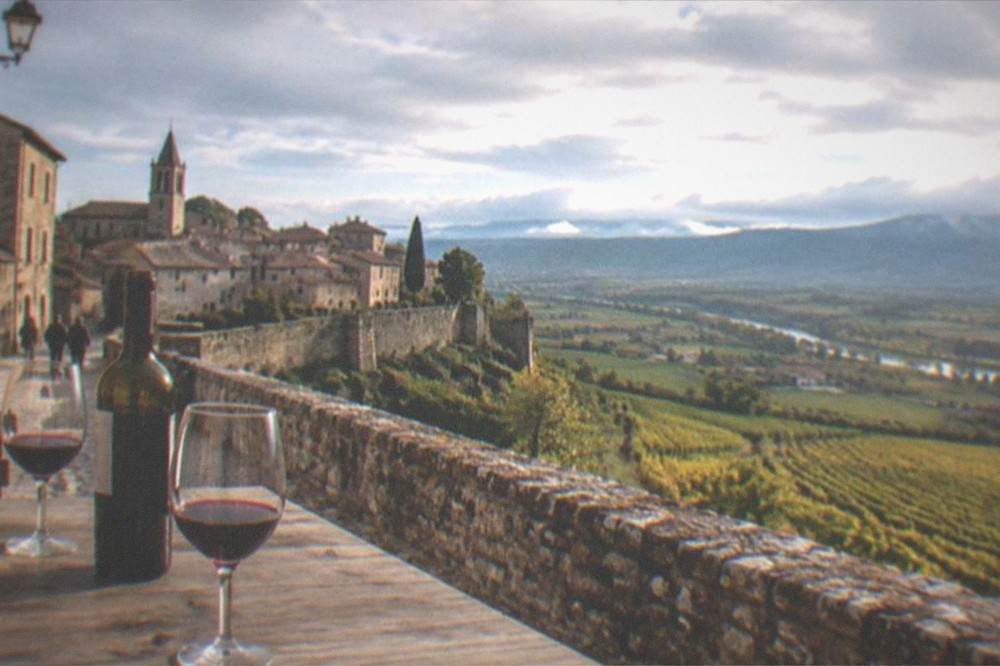
Third, the drive-back problem. If you have a car, plan the day so the last tasting is light or the last stop is food, not more wine. If that discipline sounds fragile on holiday, that is precisely the argument for the booked tour with transport included.
Fourth, seasonal expectations. In the quietest winter weeks some cellars cut visiting days and the village empties by early evening, which some travellers love and others find flat. The harvest crowds of September are the opposite trade. Neither is a mistake exactly, but knowing which you are booking into is the difference between a plan and a surprise.
Whichever way you build the day, the underlying arithmetic is simple: Rioja Alavesa is the Basque Country's wine cellar, it sits close enough to Bilbao to be an easy excursion, and a single well-booked day delivers the heart of it.
Common Questions About Laguardia And Rioja Alavesa
Is Laguardia In The Basque Country Or In La Rioja?
The village of Laguardia is in the Basque Country: it is the main town of Rioja Alavesa, which is the Alava-province slice of the wider Rioja wine region. The neighbouring provinces of the region, Rioja Alta and Rioja Baja, lie in the separate autonomous community of La Rioja. The wines from the Alavesa side are sold under the Rioja designation all the same.
Can You Do Laguardia And Rioja Alavesa As A Day Trip From Bilbao?
Yes, it is one of the standard day trips from Bilbao, usually on a booked wine tour with transport and tastings included, or with a rental car. The tour listings carry the exact durations and inclusions. Public transport reaches Laguardia village itself, but moving between scattered wineries without a vehicle is impractical.
Do You Need To Book Wineries In Rioja Alavesa In Advance?
Yes for the best-known bodegas, especially for English-language tours and in the September harvest season and summer months. Small family cellars often cannot take walk-ins at all. Book your winery slots before you book lunch, because both compete for the same midday hours.
What Is The Best Month To Visit Laguardia?
September and October are the strongest months: the harvest is under way or just finished, the vines are turning, and the summer heat has eased. April to June is the other good window. July and August bring heat and crowds, and winter is quiet with reduced winery hours.
Is There A Tourist Tax On A Trip To Bilbao And Rioja Alavesa?
Not in 2026. The Bizkaia regional tourist tax, Norma Foral 3/2026, takes effect on 1 January 2027, with Bilbao's approved rates running from 1 euro per night at pensions to 5 euro at five-star hotels and 6.50 euro for tourist apartments. A 2026 visitor pays none of it.
Can You Visit Rioja Alavesa Without A Car?
Partly. You can reach Laguardia village by interurban bus from Bilbao and enjoy the walls, a cellar tour and lunch on foot, but the wineries are scattered and inter-winery public transport is thin. Most car-free visitors take a booked day tour whose transport is included.