Bilbao In The Off Season
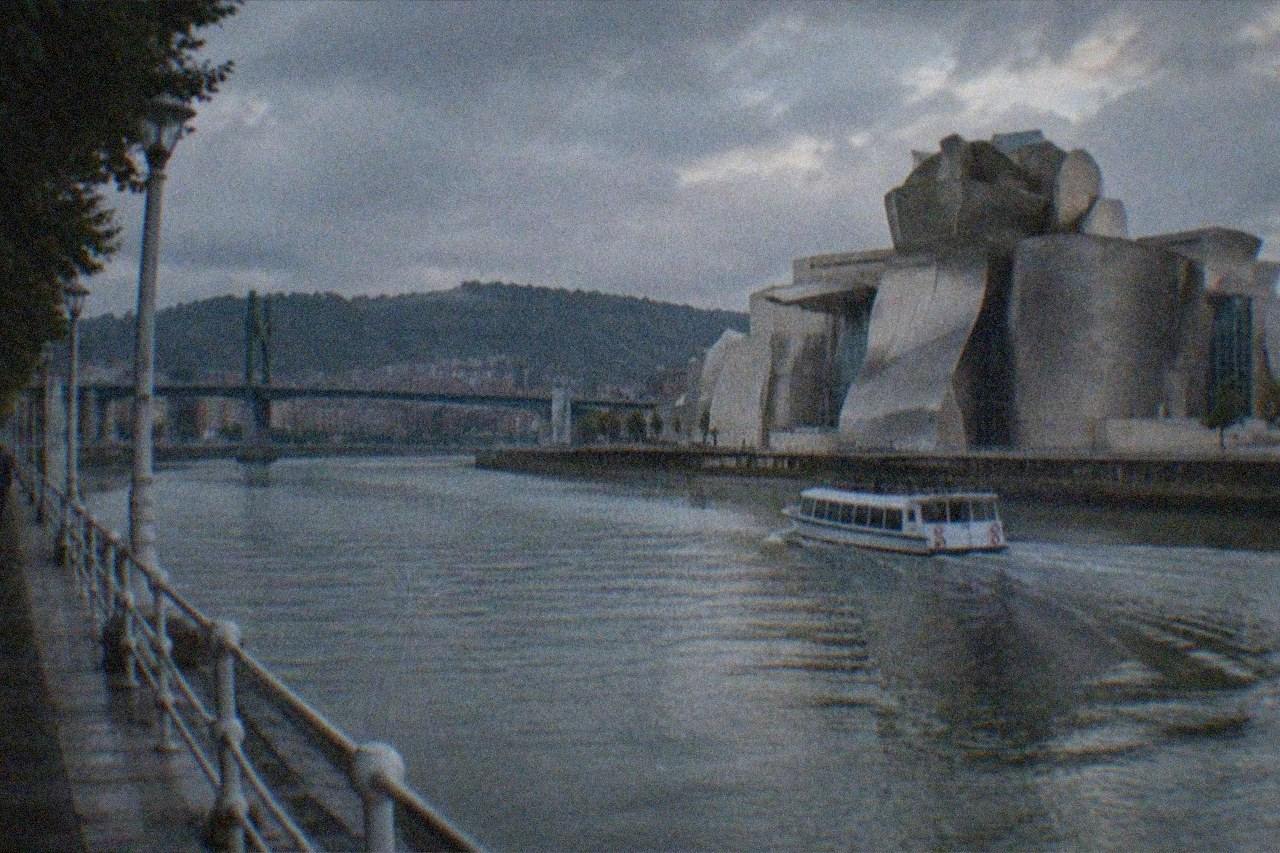
Bilbao in the off season is a different, arguably better, city: museum queues shrink, pintxos bars calm down, and the Atlantic light does strange things to the titanium. Here is how to plan it.
Short answer
The Bilbao off season runs roughly October to April. Expect 9 to 16 C, regular rain, open museums, and the same pintxos scene at lower effort. Three days covers the city; add a coastal day trip.
Bilbao, in Biscay province in the Basque Country of northern Spain, is one of Europe's most rewarding cold-weather cities. It sits on the tidal Nervion estuary about 15 km from the Bay of Biscay, which means its off season is not a shutdown: it is a stretch of months when the Guggenheim keeps its full opening hours, the pintxos bars of the Seven Streets stay exactly as crowded as the locals want them, and the biggest change is the price and availability of hotel rooms. AEMET's Bilbao Aeropuerto/Loiu station (1082), 1981-2010 normals, put the annual mean temperature at 14.7 C with 1,134 mm of rain a year, so the honest pitch is simple: come between October and April for the culture and the food, pack a proper rain layer, and you will see the city the way residents actually live it. This itinerary spreads across three days, with a coastal day trip option, and everything in it works in rain.
When Is The Bilbao Off Season, And What Is The Weather Actually Like?
The Bilbao off season runs roughly from October through April, and the weather is temperate oceanic, Atlantic-influenced, never Mediterranean: AEMET's 1981-2010 normals for Bilbao Aeropuerto/Loiu (station 1082) show monthly means from 9.3 C in January to 20.9 C in August, with 1,134 mm of rain across the year. November is the wettest month at about 147 mm, July the driest at about 50 mm, and the rain arrives in fronts rather than in all-day downpours.
That last point matters more than any average. The Atlantic here delivers long drizzly spells and sudden clearings, not the monsoon-style dumps of continental climates, and the city is built for it: arcaded streets in the Ensanche, covered market halls, a metro system that puts most of the museum district underground. A rainy afternoon in Bilbao is a solved problem in a way it simply is not in a beach town.
| Month | Mean temp (C) | Mean rain (mm) | Off-season character |
|---|---|---|---|
| October | 16.4 | 111 | Warm-ish, autumn light, first big rains |
| November | 12.4 | 147 | Wettest month; museums at their quietest |
| December | 9.9 | 122 | Christmas lights, cider houses warming up |
| January | 9.3 | 120 | Coldest month; rarely freezes |
| February | 9.7 | 86 | Drier, quiet, good value |
| March | 11.5 | 90 | Blossom in Doña Casilda park |
Two scheduling notes from the verified facts. First, the Bilbao Fine Arts Museum is closed 31 August to 5 October 2026 for final renovation works and reopens on 6 October 2026 with a free entry week from 6 to 13 October, so an early-off-season visit lands you in a freshly expanded museum. Second, a regional tourist tax takes effect across Bizkaia only on 1 January 2027, with Bilbao's own rates running from 1 euro a night in pensions up to 5 euros in five-star hotels and 6.50 euros for tourist apartments: visitors in the 2026 off season pay none of it, and it should be dated whenever a hotel mentions it.
What Should You Do On Day One Of An Off-Season Bilbao Itinerary?
Day one belongs to the Abandoibarra museum district and the estuary: start at the Guggenheim, which the museum's own site lists at 18 EUR adult admission, open Tuesday to Sunday 10:00 to 19:00, then walk the river to the Zubizuri and Puente de la Salve, and finish with pintxos around Plaza Nueva in the Casco Viejo. Off season you can do all of it at walking pace, because the summer coach groups are gone.
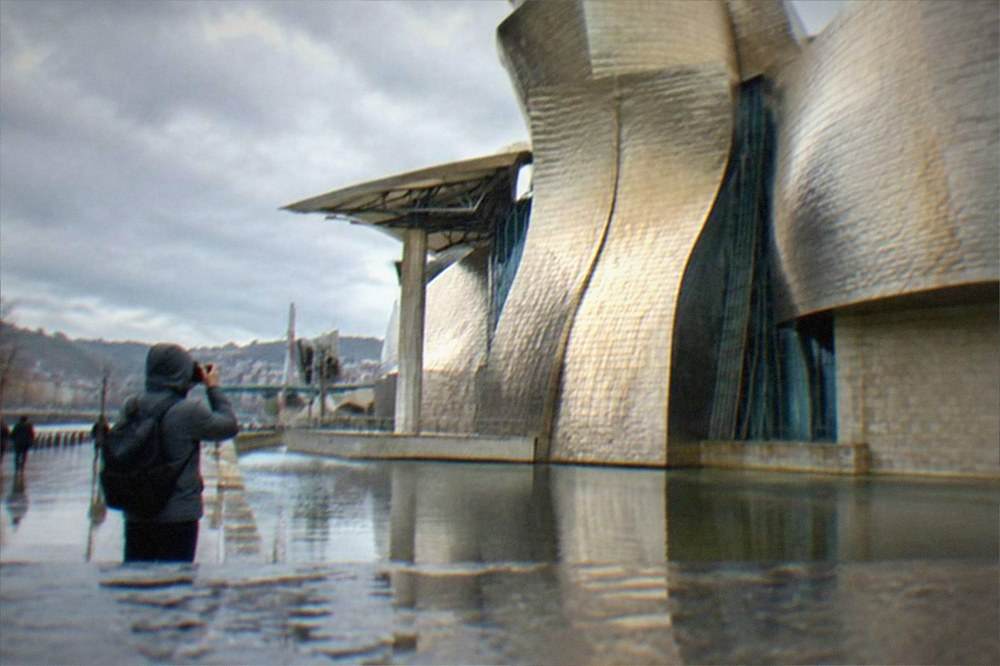
Begin at the Guggenheim and budget at least half a day. The museum's own hours-and-admission page confirms the 18 EUR adult ticket, the 9 EUR student and senior rates, free entry for under-18s, and the extended 20:00 summer closing that ends in mid-September, so off-season visits run to the standard 19:00 close. Every ticket includes the audio guide, and the ticket desks shut 30 minutes before closing. A cold, wet morning is the single best time to see Jeff Koons's Puppy and Louise Bourgeois's spider outdoors: the titanium cladding of the Gehry building does its strangest work under low Atlantic cloud, and the riverside terraces empty out.
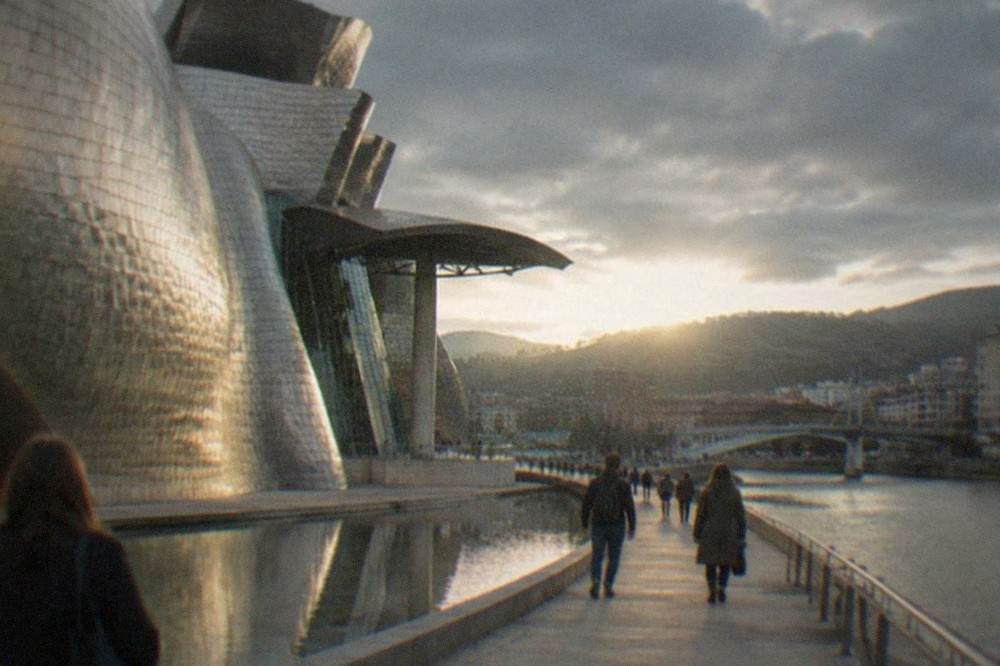
From the museum, follow the estuary walk east. The route passes Euskalduna Palace, the Zubizuri footbridge, and eventually the Puente de la Salve, and the whole stretch takes in the architecture that made this city famous without a single ticket. Our Bilbao architecture walking itinerary covers it in detail if you want the full route. When the rain arrives, drop into the Bilbao Fine Arts Museum or the Azkuna Zentroa, both a short walk inland and both fully indoors.
The evening is for the Old Town. The Seven Streets of the Casco Viejo hold the densest concentration of pintxos bars in the city, and Plaza Nueva is the classic starting point. A guided walk takes the guesswork out of it, and a small-group option is a good fit for a first cold evening.
For eating, the honest off-season move is a food tour on night one and independent crawling thereafter. The bars run their full menus in winter, and the guides who work the cold months are the year-round locals rather than seasonal staff.
Whichever format you pick for the first evening, book it for the night you arrive rather than the last: it calibrates the neighbourhood, the prices and the ordering customs early, and everything you do at the bar afterwards gets easier. The rest of this itinerary assumes you have already eaten your way through Plaza Nueva once with someone who knows the room.
How Do You Fill Two More Days In Bilbao Without Summer Crowds?
Day two splits between the Ensanche district, the Ribera Market, and a trip up the Artxanda funicular for the city view, while day three goes to the museums you skipped and a San Mames stadium tour, which the club's own site prices at 15 EUR self-guided or 22 EUR guided for adults, open Tuesday to Sunday 10:00 to 20:00 from March to October. Rain reshuffles this freely, and nothing on either day depends on good weather.
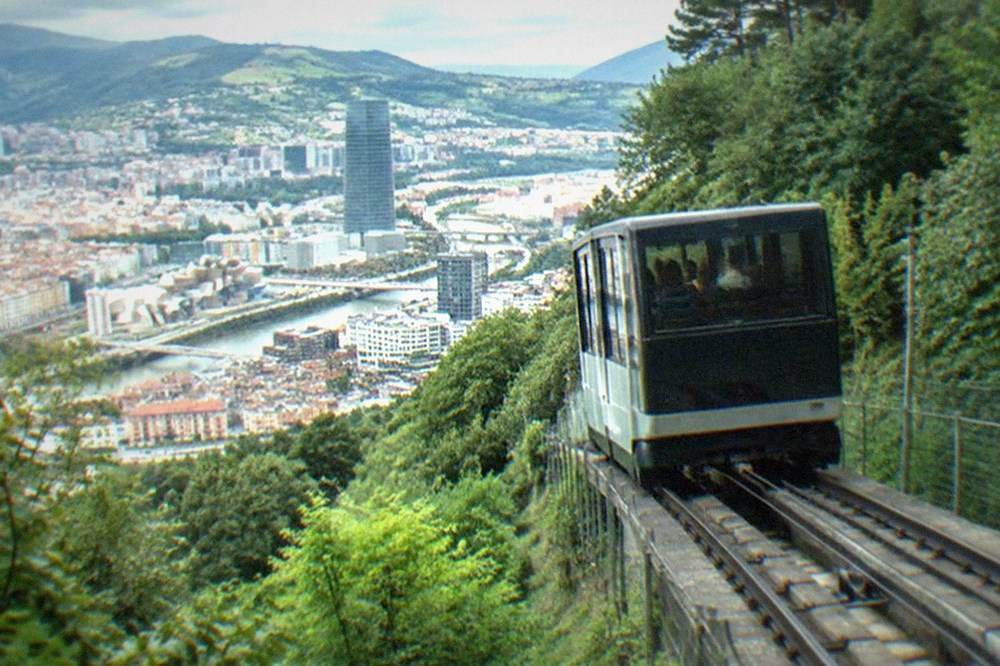
Day two starts with coffee in the Ensanche, the planned expansion grid that carries the city's shopping and banking heart. The Mercado de la Ribera at the edge of the Old Town is the indoor fallback for any weather, and the Mercado del Ensanche does the same job mid-grid. From Moyua square, the Artxanda funicular climbs the hill behind the city: the commonly reported fare is 3.50 EUR one way or 6.00 EUR round trip, though the operator's fares subpage is a single-source claim, so treat those figures as reported rather than official-page confirmed. The hilltop view of the estuary folding through the city is the one thing that genuinely needs a clear spell, so check the sky and go when it opens.
The afternoon belongs to the river from water level. A short city boat tour runs in all but the worst weather, and the covered boats make it a rain-proof hour.
Day three is the culture day. San Mames, the Athletic Club stadium, offers self-guided audio tours in Spanish, Basque, English and French at 15 EUR for adults and 5 EUR for children aged 5 to 14, with guided Museum+Tour versions at 22 EUR and 8 EUR, per the club's own practical-information page. Hours from November to February are 10:00 to 19:00, closed Mondays, which is exactly the kind of winter detail that catches summer-season advice out. Pair it with the reopened Euskal Museoa, which came back on 10 June 2026 after a four-year, 20.3-million-euro renovation, or the Basilica of Begoña above the Old Town.
| Day | Morning | Afternoon | Evening |
|---|---|---|---|
| Day 1 | Guggenheim Museum | Estuary walk, Zubizuri, Salve bridge | Pintxos in Plaza Nueva |
| Day 2 | Ensanche, Ribera Market | Artxanda funicular, river boat | Cider house or wine bar |
| Day 3 | San Mames stadium tour | Fine Arts Museum or Euskal Museoa | Dinner in Abando |
If three days feels short, our three days in Bilbao itinerary stretches the same material. Families should adapt with the kids-focused plan, and the dedicated rainy day Bilbao itinerary is the natural companion page for this season: nearly every stop in it is indoors by design, which is exactly the flexibility an Atlantic winter rewards.
Which Day Trips Work Best From Bilbao In The Off Season?
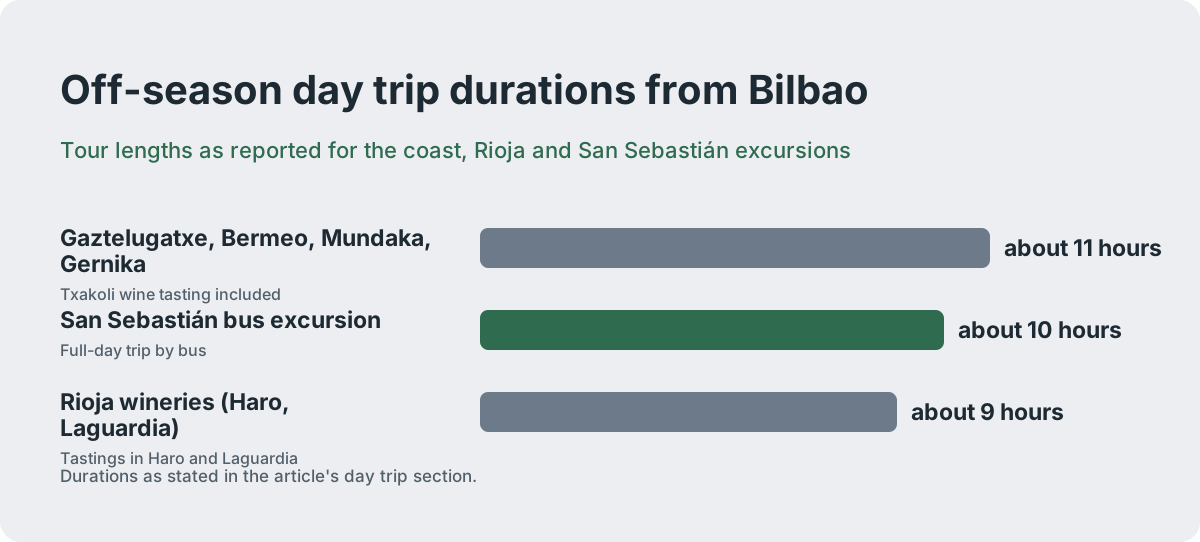
The best off-season day trips from Bilbao are the Basque coast and Rioja, because both are built around indoor pleasures: a Gaztelugatxe, Bermeo, Mundaka and Gernika tour runs about 11 hours with a txakoli wine tasting included, a Rioja wineries trip runs about 9 hours with tastings in Haro and Laguardia, and San Sebastián works as a full-day bus excursion of about 10 hours. Coastal weather is rawer than the city's, so dress for wind, not just rain.
Gaztelugatxe is the headline. The hermitage on its rocky islet, reached by a stone causeway and a few hundred steps, is the Dragonstone filming location and the single most photographed spot in the province. The verified access rule for your planning: a free timed reservation via tiketa.eus is required only on official controlled-access days, roughly mid-June to about 20 September daily plus Easter and holiday weekends, with a daily cap of 1,462 visitors on those days; on all other days, including the entire off season, access is free without a booking. A handful of romeria festival dates in June, July, August and December are reserved for local events.
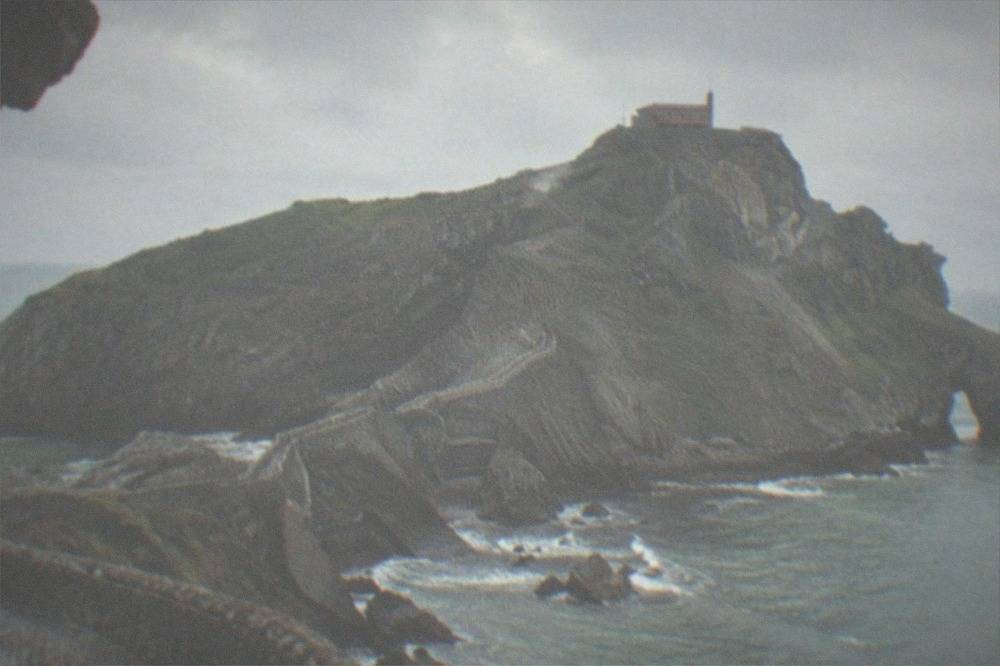
A guided day trip solves the awkward public-transport connections to the coast, and the versions that bundle Bermeo's fishing port, Mundaka's surf estuary and Gernika's history with a txakoli tasting are ideal winter formats, since the wine stop is indoors. Our full Gaztelugatxe guide covers the steps, the tides and the reservation calendar in detail.
Rioja is the second strong off-season option. The wineries of Haro and Laguardia are temperature-controlled, barrel-ageing cellars, which makes November arguably the best month to visit them, and the Rioja wine day trip guide explains the routes. San Sebastián works too: the connection is covered in our San Sebastian day trip guide, and a pintxos lunch there in a quiet February is a different experience from the August scrum.
| Day trip | Season fit | Weather exposure | Best for |
|---|---|---|---|
| Gaztelugatxe, Bermeo, Mundaka, Gernika | Excellent in autumn and spring | High at the islet, low elsewhere | The classic coast loop |
| Rioja wineries (Haro, Laguardia) | Excellent all winter | Very low, cellars are indoor | Wine and villages |
| San Sebastián | Good, quieter off season | Medium, mostly indoor eating | Food-focused day out |
| Vizcaya Bridge and Getxo | Good half-day, any season | Medium, promenade walk | UNESCO engineering |
The Vizcaya Bridge deserves its own mention. The UNESCO-listed transporter bridge at Portugalete, inscribed in 2006 as the first industrial heritage site in Spain on the list, charges 0.60 EUR for the pedestrian gondola crossing, with the elevated walkway ticket reported at 11 EUR adult round trip, a figure that remains single-source, so check the operator's own page before you go.
Even with two of your three days committed to the city itself, the off season rewards booking one guided commitment per day and leaving the rest loose: schedules hold better in cold months, groups run smaller, and a cancellation window is easier to use when a tour is not the only thing on the calendar. The cost question, below, is where the off-season arithmetic gets interesting.
What Does Bilbao Cost In The Off Season?
Getting around off-season Bilbao is cheap: the CTB Barik fares page gives Metro Zone 1 at 1.02 EUR with a Barik card versus 2.00 EUR without, Bilbobus at 1.70 EUR single, the tram at 0.74 EUR flat with Barik, and the Bilbao Bizkaia Card at 10 EUR for 24 hours, 15 EUR for 48 and 20 EUR for 72 including unlimited transport. Museum entry adds 18 EUR at the Guggenheim and 12 EUR at the Fine Arts Museum from 14 October 2026.
The Barik arithmetic is the thing to get right. The card itself is commonly reported to cost 3 EUR to buy, non-refundable, but that purchase price comes from a secondary source rather than an official CTB page, so treat it as provisional. The fares it unlocks are official-page verified: the CTB Barik fares page confirms 1.02 EUR for a Zone 1 metro trip, 1.19 EUR for Zone 2 and 1.30 EUR for Zone 3, against 2.00, 2.20 and 2.25 EUR for occasional paper tickets valid two hours.
| Transport | Without Barik | With Barik (Creditrans) |
|---|---|---|
| Metro Zone 1 | 2.00 EUR | 1.02 EUR |
| Metro Zone 2 | 2.20 EUR | 1.19 EUR |
| Metro Zone 3 | 2.25 EUR | 1.30 EUR |
| Bilbobus city bus | 1.70 EUR | ~0.73 EUR base |
| Tram (flat) | ~2.00 EUR | 0.74 EUR |
| Airport bus A3247 | 5.00 EUR | lower with Barik |
The Bilbao Bizkaia Card site states the 10/15/20 EUR tiers for 24, 48 and 72 hours, covering unlimited metro, tram, bus, Bizkaibus, Euskotren and funicular travel plus discounts and skip-the-line access at the main museums. For a three-day museum-heavy itinerary the 72-hour card at 20 EUR usually wins if you are riding transport several times a day; for a compact city-only stay, a topped-up Barik is cheaper. Our Bilbao Bizkaia Card guide runs the full comparison, as does the getting around Bilbao transport guide.
Accommodation is where the off season pays for the trip. The verified facts here are the tax ones: nothing is charged in 2026, and from 1 January 2027 the regional tax adds 1 EUR a night in pensions, 1.50 EUR in two-star hotels, 2 EUR in three-star, 4 EUR in four-star and 5 EUR in five-star hotels, with tourist apartments at 6.50 EUR, the maximum allowed. Reservations made before early February 2026 are generally exempt. Room rates themselves vary by date, so treat any specific nightly figure as a live question for the booking platform rather than a fact for this page.
Where Should You Stay And Eat In Off-Season Bilbao?
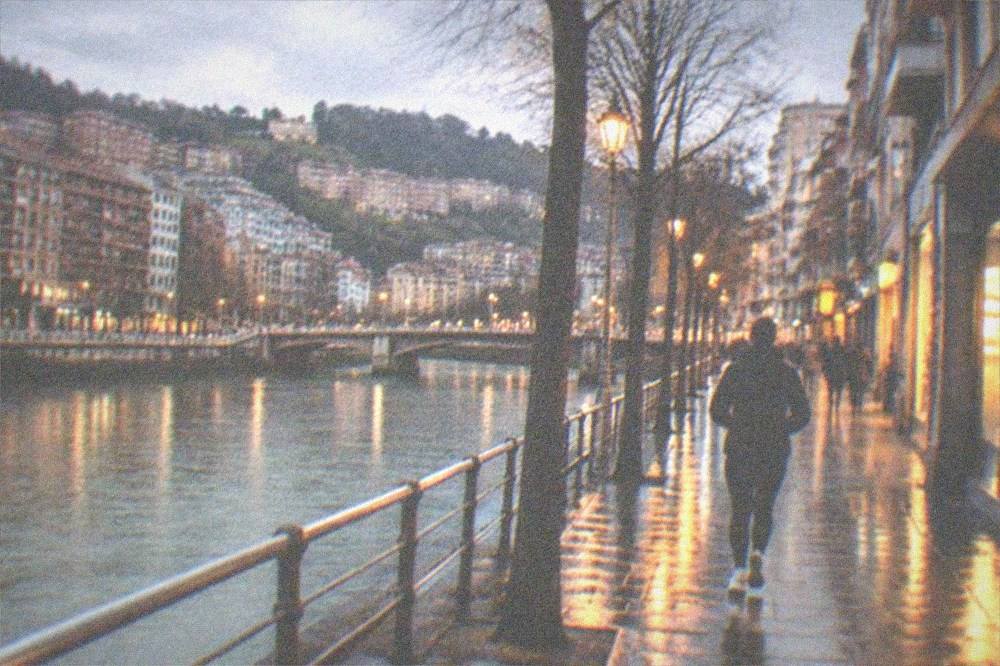
Stay in Abando or the Casco Viejo for an off-season visit: Abando puts you on the flat grid next to the transport hubs and the Ensanche pintxos bars, while the Old Town puts the Seven Streets, Ribera Market and Plaza Nueva on your doorstep, and both keep full restaurant service through winter, unlike a beach district. Eat standing up at the bar in the Old Town and sitting down in Abando, and let the season push you toward hot pintxos, stews and cider houses rather than seafood platters.
The neighbourhood choice matters more in winter than in summer, because you will walk less between stops. Our where to stay in Bilbao guide covers the trade-offs street by street. The short version: Abando for comfort and connections, the Old Town for atmosphere and eating density, Indautxu as the value middle ground.
Winter food in Bilbao leans hot. The pintxo bars around Plaza Nueva, including long-standing names like Gure Toki, El Glovo and Sorginzulo, run their full winter menus, and the 2025 Bizkaia pintxo championship was won by La Bodeguita del 12 in Abando with a black pudding and cornbread creation, which tells you the competitive standard of a ordinary Tuesday barra. Typical pintxo prices run about 2 to 5 EUR per piece at traditional bars with drinks at 2 to 3.50 EUR, planning ranges rather than promises, so check the board in each room.
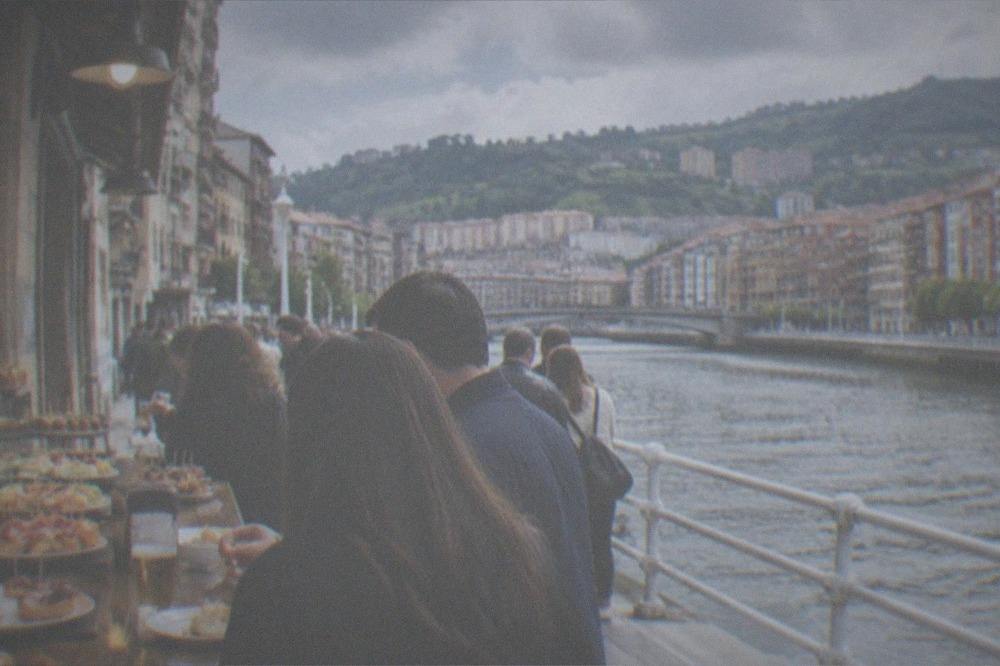
Two seasonal food notes worth planning around. Txakoli, the lightly sparkling white wine of the coast, is a year-round local pour and the anchor of the coastal day trip above. And the cider house season, txotx, runs through the cold months: our cider house txotx season guide explains the ritual, where the barrel is tapped straight into your glass and the fixed-menu cod omelette and steak follow. It is the single most off-season-native dining experience in the region.
A guided food and wine walk is the efficient way to calibrate all of this on your first evening, and the pairing-focused version below is the one that fits a cold night best.
What Should You Pack For An Off-Season Trip To Bilbao?
Pack for 9 to 16 C with intermittent rain: a real waterproof layer rather than a compact umbrella, because the estuary wind defeats umbrellas, plus one warm midlayer, closed waterproof shoes for wet stone streets, and nothing heavier than a light down jacket, because AEMET's normals show January at a mean of 9.3 C and the city rarely freezes. Leave the summer wardrobe and the beach kit at home.
The rain number that matters is not the monthly total but the distribution. With 1,134 mm a year falling on roughly 150 to 180 rain days, the realistic off-season pattern is light rain on many days rather than heavy rain on a few, which is why locals live in soft shells and why the city's covered arcades and market halls are such a feature. Footwear is the second decision: the Casco Viejo's cobblestones and the riverside promenades hold surface water, and wet stone is the most common minor hazard of a Bilbao winter.
| Item | Why | Priority |
|---|---|---|
| Waterproof shell jacket | Wind-driven estuary rain defeats umbrellas | Essential |
| Waterproof shoes | Wet cobblestones in the Old Town | Essential |
| Warm midlayer | 9 to 12 C afternoons, colder on the coast | Essential |
| Compact umbrella | Works only in sheltered streets | Low |
| Thin gloves and hat | For the Artxanda viewpoint and the coast | Medium |
| Foldable day bag | Museums, market hauls, rain layers | Medium |
The full Bilbao packing guide goes deeper, and the Bilbao weather guide explains the month-by-month pattern if you are choosing between November and March. One honest seasonal caveat for photographers: the low winter light on the Guggenheim's titanium is spectacular, but the Artxanda panorama and the Gaztelugatxe causeway both need a weather window, so keep those flexible in the plan.
Common Questions About Bilbao In The Off Season
Is Bilbao worth visiting in winter?
Yes. The Guggenheim and the other major museums keep full winter hours, the pintxos bars run their complete menus, hotel rates drop, and AEMET's normals show January at a mean of 9.3 C, cold but rarely freezing. The main trade-off is rain: expect some on most visits between October and April.
What is the wettest month in Bilbao?
November, at about 147 mm of rain on average in AEMET's 1981-2010 normals for the Bilbao Aeropuerto/Loiu station. July is the driest at about 50 mm. The annual total is 1,134 mm.
Is anything closed in Bilbao in the off season?
The main museums stay open, though the Guggenheim closes Mondays outside its published exception dates, and the San Mames museum and tour runs 10:00 to 19:00 from November to February, closed Mondays. The Bilbao Fine Arts Museum is closed only for its renovation window, 31 August to 5 October 2026, reopening 6 October 2026 with a free week.
Do I need a reservation for Gaztelugatxe in winter?
Usually not. A free timed reservation is required only on official controlled-access days, roughly mid-June to about 20 September daily plus Easter and holiday weekends. Outside those dates, including almost the entire off season, access is free without a booking. Check the official calendar for your specific date.
Is there a tourist tax in Bilbao?
Not in 2026. A Bizkaia-wide tourist tax takes effect on 1 January 2027, with Bilbao's approved rates running from 1 EUR a night in pensions to 5 EUR in five-star hotels and 6.50 EUR for tourist apartments. Reservations made before early February 2026 are generally exempt.
How many days does off-season Bilbao need?
Three days covers the city comfortably, with a fourth for a coastal or Rioja day trip. Shorter visits can compress the same material into a one-day or two-day plan, trimming one museum and the coastal stop rather than rushing all of them.
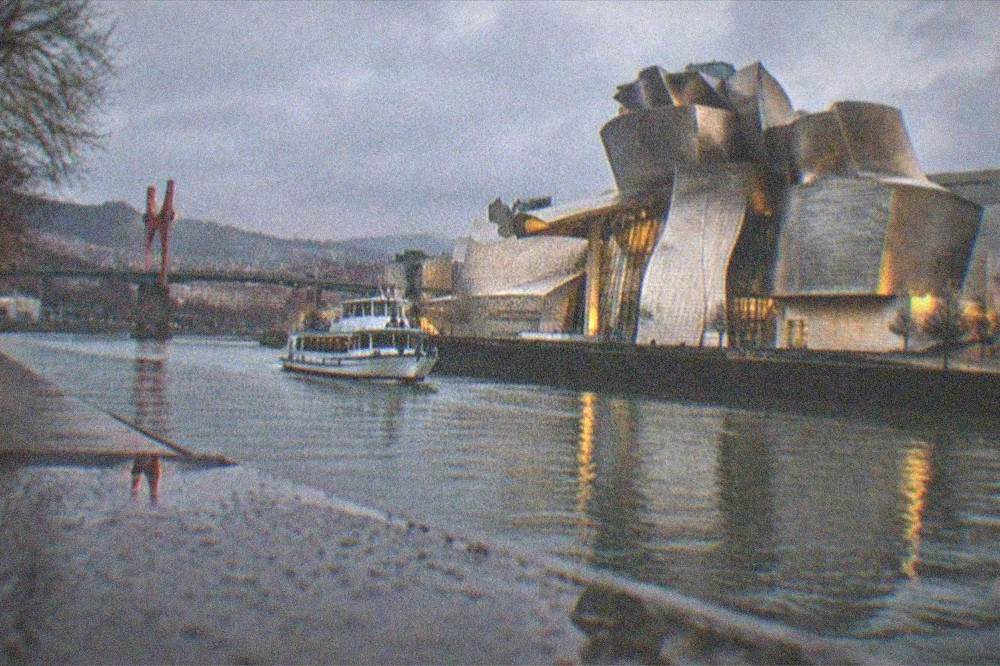
The off season is when Bilbao stops performing for visitors and simply gets on with being itself, and this Bilbao Travel Guide rates that as the better half of the year: fewer queues at the Guggenheim, a table without a wait in Plaza Nueva, a cider house at full tilt, and a coast that belongs to whoever showed up. Bring the rain shell, keep the weather window flexible for Artxanda and Gaztelugatxe, and let the museums do the heavy lifting on the grey days.