Staying Connected In Bilbao: Wi-Fi, SIM Cards And Mobile Data
Bilbao, in the Basque Country of northern Spain, is an easy city to stay connected in: hotel and café Wi-Fi is standard, EU roaming applies, and prepaid SIM and eSIM options cover everything else.
Short answer
Most visitors to Bilbao stay connected with a combination of free hotel and café Wi-Fi plus a roaming plan or a prepaid Spanish SIM or eSIM. EU visitors roam at domestic rates under EU rules; the airport bus, metro and museum queues are the moments where offline preparation matters most.
Bilbao, the largest city in Biscay (Bizkaia) province in the Basque Country (Euskadi), northern Spain, is a compact, well-networked city where staying connected is rarely a struggle. Hotels, cafés, museums and the airport all offer some form of Wi-Fi, EU roaming rules cover most European visitors at domestic rates, and prepaid SIM cards and eSIMs fill the gap for everyone else. The real planning question is not whether you will have signal, but where the dead spots are: the metro platforms, the coastal day trips, the moment your battery dies in the middle of the Seven Streets. This guide covers the practical layers, from the airport arrivals hall to the hermitage at Gaztelugatxe, and pairs them with the offline preparation that makes a Bilbao trip run smoothly.
Do You Need A SIM Card Or An eSIM For Bilbao?
Most short-stay visitors to Bilbao do not need a Spanish SIM card at all: EU roaming rules let European travelers use their home plan at domestic prices, and free hotel and café Wi-Fi covers the heavy data use such as maps, streaming and photo backups. Travelers from outside the EU usually get better value from an eSIM bought before departure or a prepaid SIM bought in the city.
The honest answer depends on where your home plan is billed. If your carrier is inside the European Union, the "roam like at home" principle applies in Spain: you use your normal allowance, subject to your operator's fair-use policy. Spain has been part of that framework since its beginning, and there is no border-style adjustment when you arrive in the Basque Country.
For everyone else, the choice is between a physical prepaid SIM and an eSIM. A physical SIM means a shop visit on day one, typically at a phone retailer or a kiosk near the larger shopping streets, with the activation handled in person. An eSIM, by contrast, is bought and installed before you fly, and activates when your phone first sees a Spanish network. Both approaches connect to the same national networks; the difference is convenience and how much of your first afternoon you spend in a shop.
A practical pattern many travelers settle on is hybrid: an eSIM for navigation and messaging from the moment the plane lands, plus hotel Wi-Fi for the data-heavy work each evening. Download offline maps of Bilbao and the Bizkaia coast before you leave home, and the eSIM becomes a safety net rather than a necessity. For a wider look at how the city receives new arrivals, the Bilbao airport guide covers the whole arrival process.
Where Can You Find Free Wi-Fi In Bilbao?
Free Wi-Fi in Bilbao is concentrated in hotels, cafés, the larger museums and the airport, and in practice it tends to be available anywhere you stop for more than a few minutes. The Guggenheim Museum Bilbao, the Azkuna Zentroa cultural centre and the city's hotel sector all provide guest connectivity. Public open-air citywide Wi-Fi is not a reliable layer here, so plan around indoor hotspots.
The rhythm of a Bilbao day suits this. Mornings start with coffee, and café Wi-Fi handles the news and the weather check. Museums take the midday hours, and the major institutions have guest networks. Evenings run through the Old Town on a pintxos crawl, and that is the stretch where you are genuinely offline: standing room, a drink in one hand, and no reason to look at a screen.

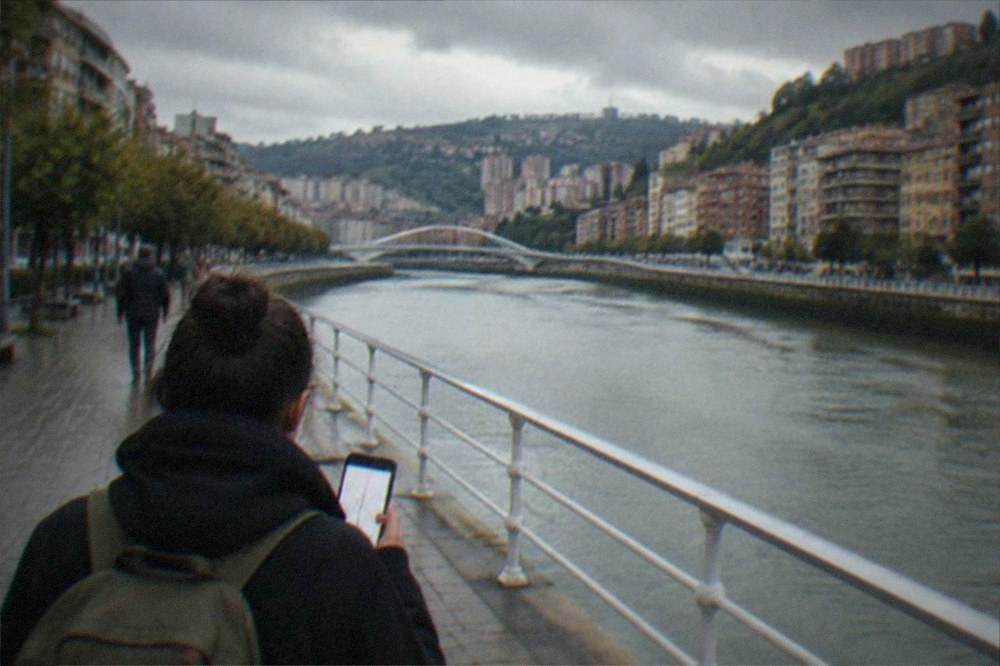
The gap in the coverage map is the street. Unlike some cities that blanket central squares with municipal Wi-Fi, Bilbao does not advertise a citywide outdoor network, so step-by-step navigation between stops should come from your mobile data or a downloaded offline map. The metro is another partial gap: stations are modern and well signed, but do not count on streaming video on a platform.
That offline stretch is exactly why a guided evening works so well here. A local guide handles the bar selection, the ordering and the route between them, no signal required, and the pintxos and drinks tour with a local is the most popular format for it. Check availability
The bars themselves are worth choosing on their own merits, with or without a guide: the best pintxos in Bilbao guide maps the classic route around Plaza Nueva and the Seven Streets, and it downloads to a phone in seconds.
How Do You Get Online At Bilbao Airport (BIO)?
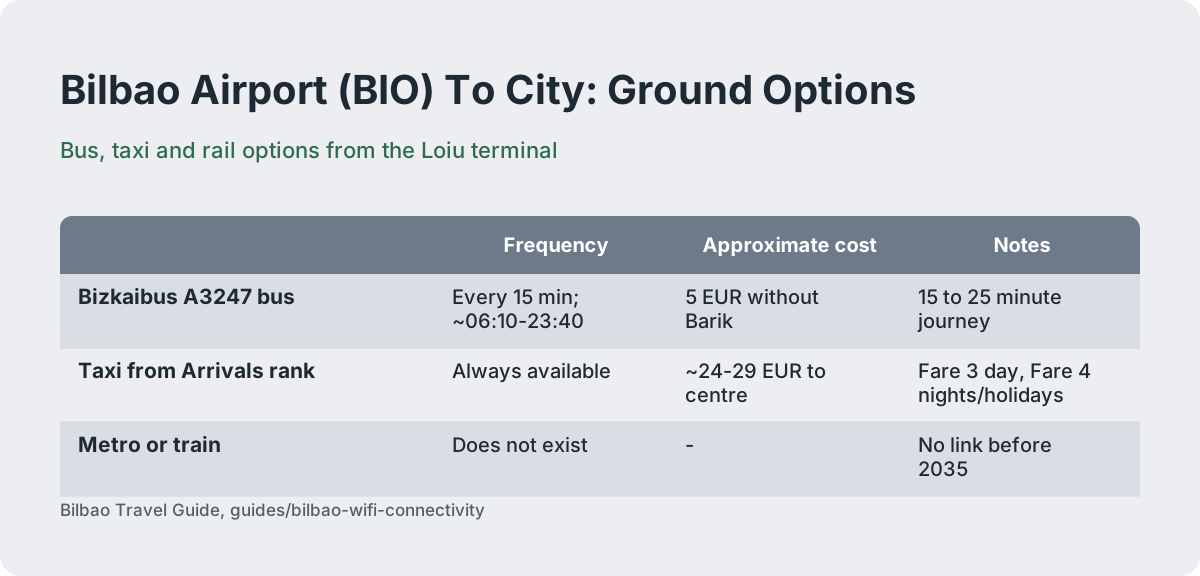
Bilbao Airport (BIO) in Loiu offers passenger Wi-Fi in the terminal, and the airport bus into the city runs every 15 minutes, roughly 06:10 to 23:40 from the airport, with a 15 to 25 minute journey and a 5 EUR fare without a Barik card. There is no metro or train link to BIO, and the city council's own position is that none arrives before 2035.
That bus, the Bizkaibus A3247, is the workhorse of the arrival. You pay the driver or the airport Bizkaibus desk by cash or card, so no local SIM is needed for the first leg. A taxi from the rank outside Arrivals costs approximately 24 to 29 EUR to the centre depending on the fare band, with no airport supplement and the Artxanda tunnel toll included in the guidance prices. Ride-hailing apps exist in the city, but they need data, which is the one argument for having your eSIM active before you land.
| Airport ground option | Frequency / availability | Approximate cost | Notes |
|---|---|---|---|
| Bizkaibus A3247 bus | Every 15 min; ~06:10-23:40 from airport | 5 EUR without Barik (less with Barik) | Stops include Gran Vía and Plaza Moyúa |
| Taxi from Arrivals rank | Always available | ~24-29 EUR to centre | Fare 3 daytime weekday, Fare 4 nights/holidays |
| Metro or train | Does not exist | - | No link before 2035 per city council |
The airport itself is in the middle of a transformation: a 364 million EUR expansion approved in September 2026 will add roughly 25,000 square metres of terminal space and double the boarding bridges from six to twelve, with completion around 2032 and a target of about 8 million passengers a year. For now, the terminal is small, which is good news for connectivity: everything is a short walk apart, and the arrivals desk for the airport bus is easy to find. More detail on fares and timing lives in the getting around Bilbao transport guide.
How Does Roaming Work For Visitors To Bilbao?
Visitors whose home mobile plan is with a European Union operator roam in Spain at domestic prices under EU "roam like at home" rules, with the usual fair-use limits their own carrier sets, and Spain's Schengen membership means there is no border gate when arriving from another Schengen country. Visitors from the United States, the United Kingdom and other non-EU markets should expect roaming surcharges unless they buy a Spanish SIM or an eSIM.
The Basque Country is not a separate telecom zone: a plan that works in Madrid or Barcelona works identically in Bilbao, Getxo and the Rioja vineyards. What varies is coverage quality in the valleys and on the coast, and in a city squeezed between hills, signal strength indoors can depend on which side of the street you are standing on. This is normal urban behavior, not a Bilbao problem, but it is a reason to download rather than stream.
One planning note that has nothing to do with phones but everything to do with arrival logistics: Bilbao has no tourist tax in force in 2026. The Bizkaia regional tax approved under Norma Foral 3/2026 takes effect on 1 January 2027, with Bilbao's own rates running from 1 EUR per night at pensions to 5 EUR at five-star hotels and 6.50 EUR for tourist apartments, so a 2026 stay pays nothing and a 2027 stay does. Budgeting apps and hotel booking confirmations will not mention it for a 2026 trip because it does not exist yet.
Where Does Mobile Signal Fail Around Bilbao?
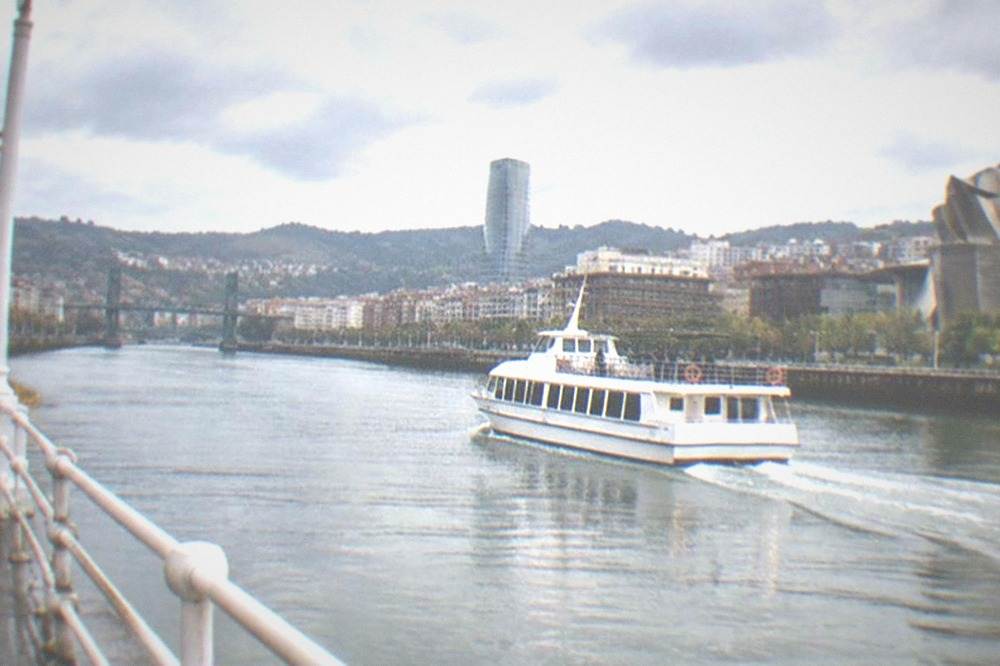
The places around Bilbao where you should not count on mobile data are the metro platforms and tunnels, the estuary boat trips, the upper reaches of the Artxanda hills, and the coastal stretches around Gaztelugatxe and the Urdaibai estuary, where terrain and distance from the city thin out coverage. Each is a place where an offline map, a downloaded ticket or a screenshot of a reservation is the difference between a smooth stop and a stressful one.
The pattern is terrain-driven. Bilbao sits on a tidal estuary about 15 km from the Bay of Biscay, with hills pressing in on both sides. Radio signals behave accordingly: strong on the flat centre, patchier in the steep side streets of the Old Town's upper reaches, and variable once you drive out along the coast toward Bermeo and Mundaka. Other pages covering the same trip are gathered on Bilbao Travel Guide.
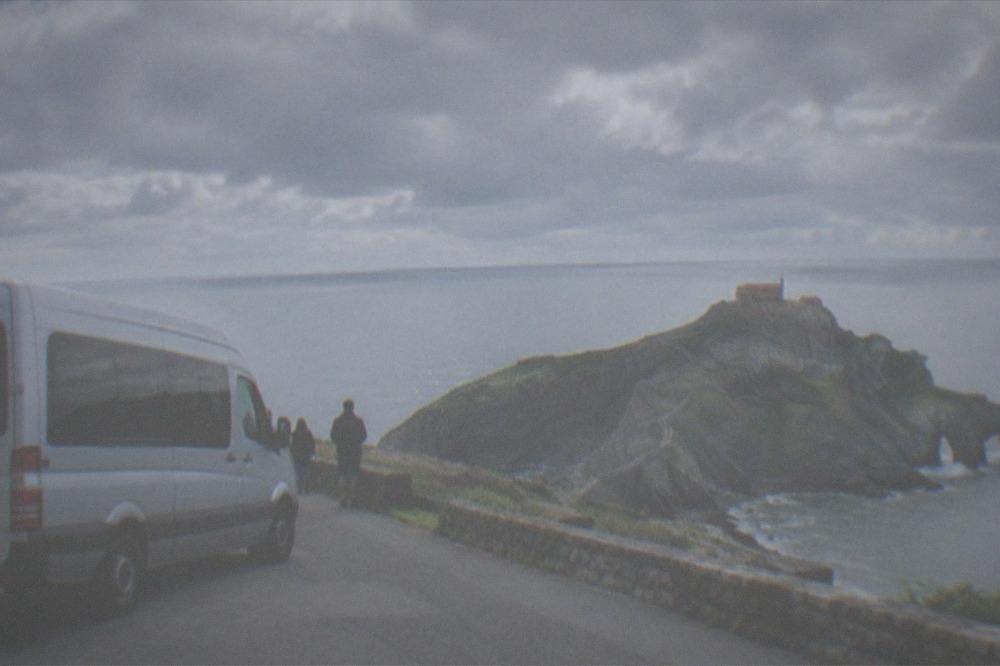
The single most important offline preparation for this region is the Gaztelugatxe reservation. A free timed ticket is required only on official controlled-access days, roughly mid-June to about 20 September daily plus Easter and holiday weekends per the yearly calendar, and entry is free without a reservation on all other days. On controlled days the site caps visitors at 1,462 per day, bookings are made through the tiketa.eus platform, and each individual reservation covers a maximum of 10 people. The QR code arrives by email, and the access control point expects it printed or on a phone, so save it offline before you leave the city.
| Gaztelugatxe access rule | Detail |
|---|---|
| Reservation required | Only on official controlled-access days (roughly mid-June to ~20 Sept daily, plus Easter and holiday weekends) |
| Cost | Always free, booked via tiketa.eus |
| Daily cap on controlled days | 1,462 visitors |
| Group size per reservation | Maximum 10 people |
| Late arrival | Reservation typically canceled 60 minutes after the slot |
| Local event days | 24 June, 31 July, 29 and 31 August, 30 December reserved for romerías; tourists advised not to visit |
The same logic applies to the Vizcaya Bridge at Portugalete, a UNESCO World Heritage Site inscribed in 2006 and the first industrial heritage site in Spain on the list. The gondola crossing costs 0.60 EUR one way for pedestrians in daytime hours, and the walkway ticket is reported at 11 EUR adult round-trip with a 9 EUR reduced rate, a single-source figure worth confirming on the operator's own page before you go. Screenshots of any booking, plus an offline map of the metro connection, cover the trip. The Gaztelugatxe guide has the full access walkthrough.
How Do You Stay Connected On Day Trips From Bilbao?
Day trips from Bilbao to San Sebastián, the French Basque Country, the Rioja wine region and the Bizkaia coast all run through areas with normal Spanish mobile coverage, so an eSIM or roaming plan that works in the city works on the road. The bus to San Sebastián takes about an hour and twenty minutes, the drive to Gaztelugatxe 30 to 45 minutes, and none of it needs more than a charged phone with tickets saved locally.
The coastal loop is the classic: Gaztelugatxe, Bermeo and Mundaka, reachable by Euskotren from the Casco Viejo station in about an hour and twenty minutes to Bermeo, or by car in roughly 35 minutes. Coverage along that line is ordinary rural Spain: present, occasionally slow, never a crisis. What actually fails people is not signal but preparation, turning up at the hermitage on a controlled-access day in July without the free timed ticket that the cap of 1,462 visitors makes mandatory.
Guided day tours sidestep the whole problem, because the operator holds the reservations and the route. The Biarritz, Saint-Jean-de-Luz and San Sebastián tour from Bilbao is the one that crosses an international border, and it is a reminder that EU roaming means the French Basque Country costs nothing extra on an EU plan.
For comparison shopping between the two great Basque cities, including how a split stay works, the Bilbao vs San Sebastian guide lays out the trade-offs, and the best base in the Basque Country page covers the wider region.
How Do You Plan A Bilbao Trip Offline?
Planning a Bilbao trip offline means downloading three things before you leave home: an offline map of the city and the Bizkaia coast, your museum tickets or booking confirmations as screenshots or PDFs, and the transport fares table, because the Barik card system makes every journey cheaper. The Guggenheim Museum Bilbao charges 18 EUR for an adult ticket and opens Tuesday to Sunday 10:00 to 19:00, extending to 20:00 during Easter week and from 15 June to 13 September.
The transport layer is where offline knowledge pays fastest. Bilbao's metro, buses, tram and Euskotren trains all run on the integrated Barik system, and the fare difference between tapping a Barik card and buying a single ticket is substantial: a Zone 1 metro trip costs 1.02 EUR with Barik against 2.00 EUR without, and the card is commonly reported to cost 3 EUR to buy, though that purchase price comes from a secondary source rather than an official fares page.
| Transport mode | Single ticket (no Barik) | Barik Creditrans fare | Notes |
|---|---|---|---|
| Metro Zone 1 | 2.00 EUR | 1.02 EUR | Single valid 2 hours |
| Metro Zone 2 | 2.20 EUR | 1.19 EUR | Covers many Getxo-area stations |
| Metro Zone 3 | 2.25 EUR | 1.30 EUR | Outer zone |
| Bilbobus city bus | 1.70 EUR | ~0.73 EUR base | Effective near 0.44 EUR after discount |
| Bilbao Tram | ~2.00 EUR | 0.74 EUR flat | Euskotren Tranbia |
| Funicular de Artxanda | 3.50 EUR one-way | Lower with Barik | Round-trip 6.00 EUR; under 6 free |
The tourist alternative is the Bilbao Bizkaia Card, which the card's own site prices at 10 EUR for 24 hours, 15 EUR for 48 hours and 20 EUR for 72 hours, covering unlimited transport plus attraction discounts, and it is personal and non-transferable. For a two- or three-day stay doing a lot of moving, the arithmetic is straightforward, and the Bilbao Bizkaia Card guide works through it.
| Bilbao Bizkaia Card | Price | Included |
|---|---|---|
| 24 hours | 10 EUR | Unlimited transport in Bizkaia, attraction discounts |
| 48 hours | 15 EUR | Same coverage, longer validity |
| 72 hours | 20 EUR | Same coverage, longest validity |
The museum layer is equally offline-friendly. The Guggenheim's own site lists the 18 EUR adult admission, a 9 EUR reduced rate for students aged 18 to under 26 and for seniors over 65, and free entry for under-18s, with every ticket including the audio guide. The Bilbao Fine Arts Museum is a special case right now: it is closed from 31 August to 5 October 2026 for the final phase of its renovation, reopens on 6 October 2026 with a free entry week through 13 October, and from 14 October charges 12 EUR general admission with a 16 EUR joint Artean pass covering the Guggenheim as well, all reported figures worth confirming on the museum's own page. The Bilbao museums guide tracks the full set.
Budgeting overall, including what connectivity and everything else costs on the ground, is covered in the is Bilbao expensive guide, and the money-and-tipping conventions, where cards are widely accepted in the city, sit in the currency and tipping guide.
Is It Safe To Use Public Networks In Bilbao?
Bilbao is one of Spain's safer major cities, with 2025 municipal crime data showing a slight decline in street crime to 29,696 recorded presential offences, dominated by thefts rather than violence, so the ordinary digital precautions matter more than any physical risk: use your hotel network rather than an unverified open hotspot for banking, and keep your phone out of back pockets in the crowded Old Town.
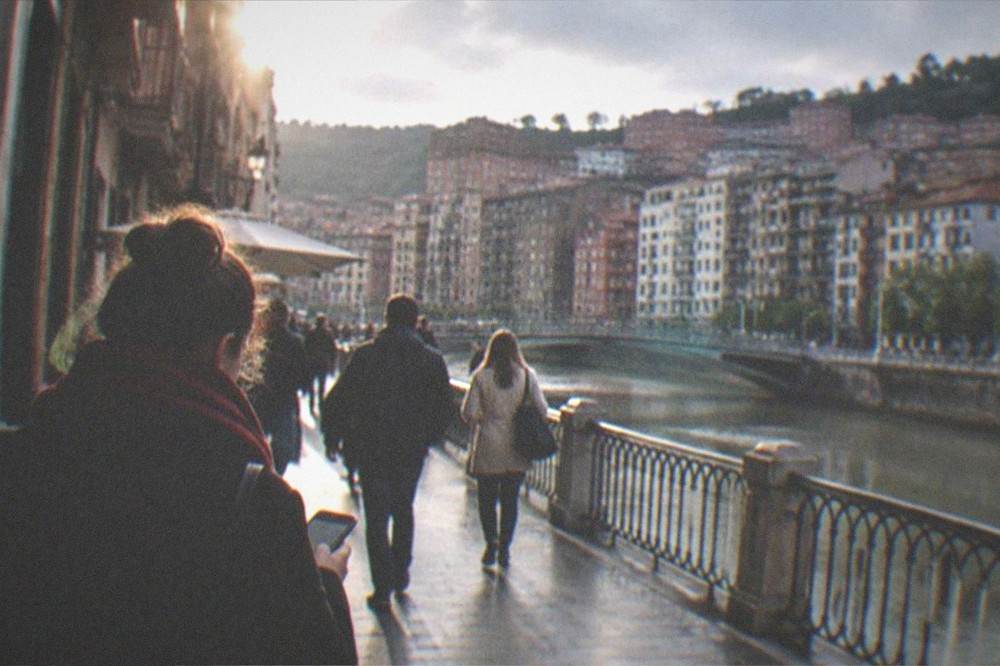
The digital risk profile is the standard European one. Public Wi-Fi in cafés is fine for maps and messaging; banking is better done on mobile data or a trusted network. The scams reported around Bilbao's tourist zones are old-fashioned rather than technical: pickpocketing around Casco Viejo, Ribera Market and the Guggenheim, occasional overcharging in tourist-heavy bars, and the fake-police routine in which someone posing as an officer asks to inspect your wallet, which genuine police never do. A phone is a theft target in any city; in Bilbao the 2025 figures put robberies with violence at 1,359 cases across the whole year, down almost 9 percent, in a city of 346,933 residents per Eustat's 1 January 2025 count.
The safety in Bilbao guide carries the full breakdown, and the accessibility in Bilbao page covers the transport network's step-free features, which matter to the same trip-planning process. For the evenings, the Bilbao nightlife guide maps the districts where a phone is genuinely useful for finding the next stop, and where it is better pocketed.
Between the two, the food tour remains the one most worth locking in early, because evening pintxos crawls fill up first and a reservation costs nothing to hold.
Common Questions About Staying Connected In Bilbao
Do You Need A SIM Card Or An eSIM For Bilbao?
Most short-stay visitors do not. EU travelers roam at domestic rates under EU rules, and hotel and café Wi-Fi covers heavy data use. Non-EU travelers usually get best value from an eSIM installed before departure or a prepaid SIM bought in the city.
Where Can You Find Free Wi-Fi In Bilbao?
Free Wi-Fi is concentrated in hotels, cafés, the larger museums and the airport. There is no reliable citywide outdoor municipal network, so use mobile data or an offline map for street navigation.
How Do You Get Online At Bilbao Airport (BIO)?
The terminal offers passenger Wi-Fi, and the Bizkaibus A3247 runs every 15 minutes to the centre for a 5 EUR fare without a Barik card, taking 15 to 25 minutes. There is no metro or train link to the airport, and none is expected before 2035.
Does EU Roaming Work In Bilbao?
Yes. Spain is an EU member and roaming works at domestic prices for EU-based plans under the roam-like-at-home rules, subject to your carrier's fair-use policy. Coverage extends across the Basque Country and into the French Basque Country on the same terms.
Where Does Mobile Signal Fail Around Bilbao?
Expect patchy signal in metro tunnels, on the estuary, in the hills around Artxanda and along parts of the Bizkaia coast. Download offline maps and save reservations, especially the free Gaztelugatxe timed ticket, before leaving the city.
Is Public Wi-Fi Safe In Bilbao?
Bilbao is one of Spain's safer major cities, but standard digital hygiene applies: use trusted networks for banking, keep your phone secure in crowded areas like Casco Viejo, and remember that genuine police never ask to inspect your wallet.
Staying connected in Bilbao is less a technical challenge than a packing task: an eSIM or roaming plan for the street, offline maps and saved tickets for the metro platforms and the coast, and the hotel network for the evening photo backup. Prepare those three layers before you land and the city takes care of the rest, from the arrivals hall at Loiu to the last pintxo of the night on Plaza Nueva.