Moving To Bilbao
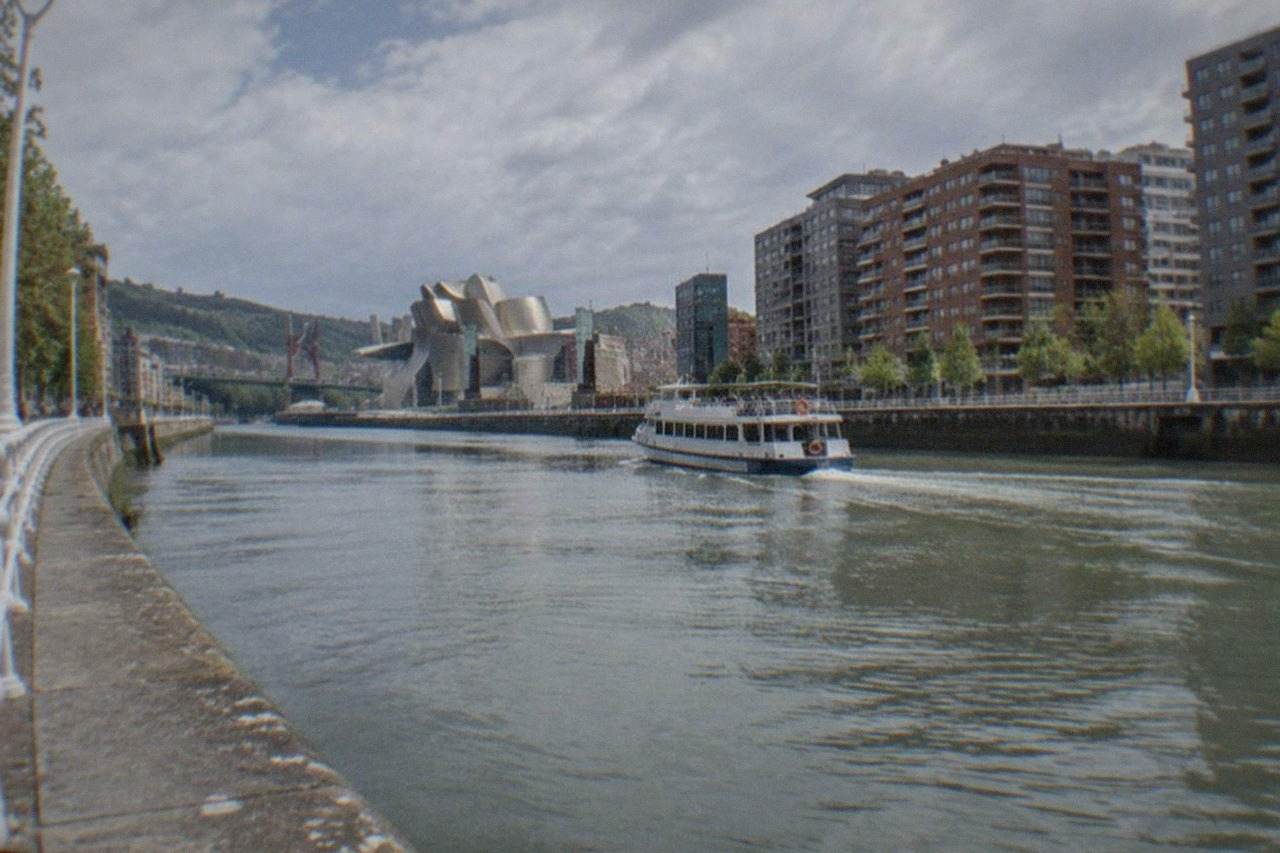
Bilbao, in Biscay province in the Basque Country of northern Spain, has gone from industrial port city to one of Europe's most liveable mid-sized cities. Here is what the verified numbers say about actually moving there.
Short answer
Bilbao is a temperate, mid-sized Basque city of about 347,000 people with cheap integrated public transport, no tourist tax until 2027, and a rain-heavy Atlantic climate. The Ensanche and Abando districts suit most newcomers, and Spanish is enough for daily life, though Basque is everywhere on signage.
Bilbao, in Biscay (Bizkaia) province in the Basque Country (Euskadi) of northern Spain, is a city of 346,933 residents as of 1 January 2025 according to Eustat's municipal register, spread along the tidal Nervion/Ibaizabal estuary about 15 km from the Bay of Biscay. It rebuilt itself around culture and services after its heavy industry collapsed, and the result is a compact, walkable city with one of Spain's cheapest integrated transport systems. Moving here means choosing between seven or eight distinct districts, learning how an Atlantic climate actually behaves, and deciding how much Basque you want in your life. This guide relies on official sources, so where a number matters, it comes from the official page that publishes it.
What Does It Actually Cost To Live In Bilbao?
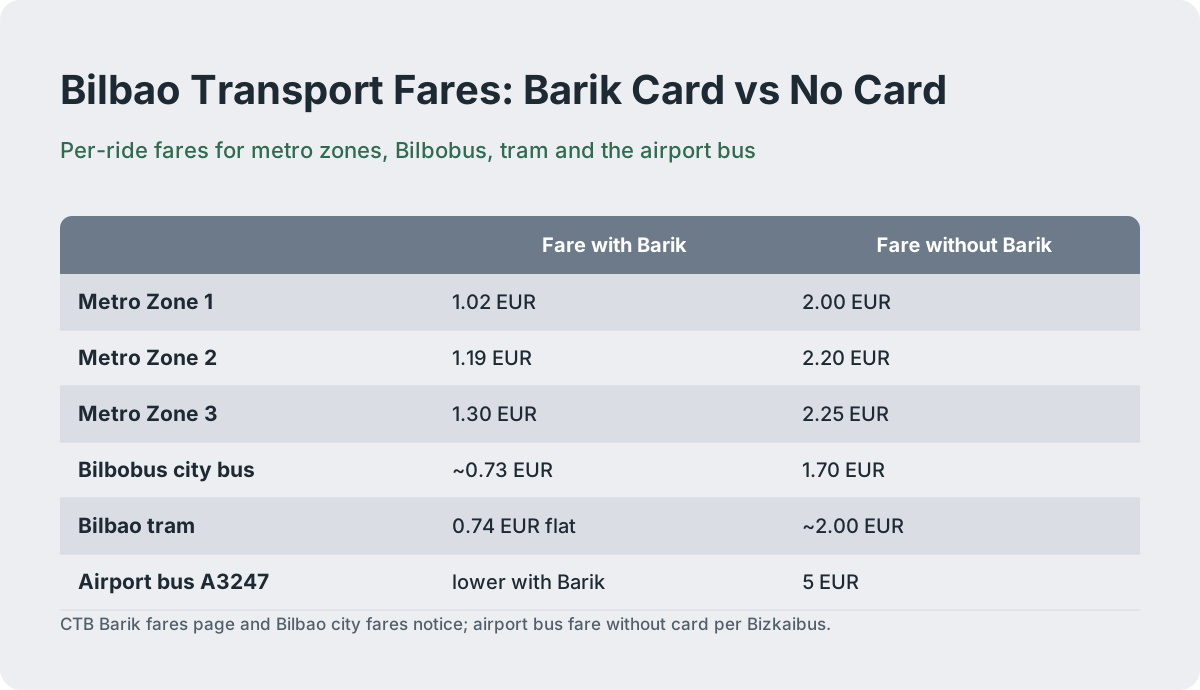
Day-to-day costs in Bilbao are low by northern Spanish standards once you hold a Barik card: metro rides in Zone 1 cost 1.02 EUR with the card against 2.00 EUR without it, a Bilbobus city bus drops to roughly 0.73 EUR, and the tram runs at 0.74 EUR flat. The big fixed costs are accommodation and the coming tourist tax regime, which from 1 January 2027 adds up to 6.50 EUR per night on tourist apartments.
Housing is the line item nobody can quote you reliably from a distance, and this guide will not invent a rent figure, because none is verified here. What is verifiable is everything around it. The CTB Barik fares page gives the transport numbers above, and the Barik card itself is commonly reported to cost 3 EUR to buy, non-refundable, though that purchase price comes from a secondary source rather than an official CTB page, so treat it as provisional. The Bilbao Bizkaia Card site states tourist pricing of 10 EUR for 24 hours, 15 EUR for 48 hours and 20 EUR for 72 hours, which is useful for visiting relatives rather than residents.
Culture is cheap once you live here. The Guggenheim's own site lists adult admission at 18 EUR, and the Bilbao Fine Arts Museum reopens on 6 October 2026 after its renovation with a free entry week from 6 to 13 October, then adult admission of 12 EUR from 14 October, with a joint Artean pass covering both museums at 16 EUR. A full cost picture also needs the tourist tax, covered in detail further down, because it changes the arithmetic for anyone planning to let a property on the short-term market.
| Item | Price | Basis |
|---|---|---|
| Metro Zone 1 single (with Barik) | 1.02 EUR | CTB Barik fares page |
| Metro Zone 1 single (no Barik) | 2.00 EUR | CTB fares page, 2h validity |
| Bilbobus city bus (with Barik) | ~0.73 EUR base | Bilbao city fares notice |
| Bilbao Tram (with Barik) | 0.74 EUR flat | CTB Barik fares page |
| Barik card purchase | 3 EUR (commonly reported) | Secondary source, provisional |
| Guggenheim adult admission | 18 EUR | Museum's own site |
| Fine Arts Museum adult (from 14 Oct 2026) | 12 EUR | Reported reopening rates |
| Artean joint museum pass | 16 EUR | Reported joint ticket |
For a fuller treatment of the spending picture, read is Bilbao expensive for visitors and residents, and for how the city handles money generally, the Bilbao currency, tipping and money guide covers the practical basics.
Which Neighbourhood In Bilbao Should You Move To?
Abando and the Ensanche are the default choice for most newcomers because they put you walking distance from the main shopping streets, the Abando transport hub and the Moyua metro interchange, while Indautxu offers a slightly calmer, more residential version of the same central package. Casco Viejo suits people who want the oldest streets and the strongest pintxos scene, and Deusto, across the river, trades centrality for a quieter, university-adjacent feel.
The city is small enough that no district is truly remote, but character varies sharply. The Ensanche is the grid-planned formal core of the modern city, commercial and stately, with the Alhondiga, now Azkuna Zentroa, as its cultural landmark. Indautxu wraps around it to the west with the San Mames stadium on its edge. Casco Viejo, the Seven Streets of the medieval town, is where the pintxos bars of Plaza Nueva concentrate, which is lively on weekends and loud on festival nights. Deusto and San Francisco are cheaper-feeling and more local, with San Francisco in particular carrying an unfair old reputation that no longer matches its current reality as one of the city's most diverse districts.
Choose on two axes: how much night-time noise you tolerate, and whether you want to be on the metro's two lines or the tram's single riverside track. The where to stay in Bilbao guide maps the same districts for visitors, but the logic transfers directly to renting.
| District | Character | Transit anchor | Best for |
|---|---|---|---|
| Abando / Ensanche | Formal, commercial, grid streets | Abando station, Moyua metro | First-time arrivals, walk-to-everything living |
| Indautxu | Residential, central, calmer nights | Indautxu metro, San Mames area | Families, long-term renters |
| Casco Viejo | Medieval, lively, pintxos core | Casco Viejo metro, Zazpikaleak | Nightlife tolerance, historic settings |
| Deusto | University district, quieter | Deusto tram and metro access | Students, budget-conscious renters |
| Abandoibarra | New riverside, museums, modern flats | Euskalduna and Moyua walk | Architecture lovers, new builds |
| San Francisco | Diverse, local, changing fast | Zabalburu rail and metro links | Value seekers, urbanists |
Once you have a base, the fastest way to understand what the wider region offers your new life is to get out into it. The three options below are the excursions locals use to show off Biscay.
How Do You Get Around Bilbao Without A Car?
You do not need a car in Bilbao: the metro runs two lines through the estuary valley, Bilbobus covers the whole city with a fully accessible low-floor fleet, the tram links Casco Viejo to the Guggenheim and Basurto, and the Barik card makes every mode cheaper, with a Zone 1 metro ride at 1.02 EUR and the tram at 0.74 EUR. The airport is the one weak link, with no metro or train connection and none expected before 2035.
The Consorcio de Transportes de Bizkaia integrates metro, tram, buses and Euskotren trains under one zonal fare structure, and the CTB Barik fares page is the authoritative source for all of it. Metro Bilbao stations generally have elevators from street to platform, and the Bilbobus fleet is fully accessible with ramps and reserved spaces, which matters if accessibility shapes your housing choice; the accessibility in Bilbao guide goes deeper. The Funicular de Artxanda lifts you to the ridge above the city for a reported 3.50 EUR one-way or 6.00 EUR round-trip, a single-source figure from the operator's fares page that has not been independently content-checked, so verify before relying on it.
The airport gap is real. The Bizkaibus A3247 runs every 15 minutes, roughly 06:10 to 23:40 from the airport and 05:00 to 22:00 from the city, taking 15 to 25 minutes at 5 EUR without a Barik card, and a taxi to the centre runs roughly 24 to 29 EUR. But there is no rail link of any kind, and the city council's own position is that none arrives before 2035. The Bilbao airport guide and the getting around Bilbao transport guide cover the details.
| Mode | Fare with Barik | Fare without Barik | Notes |
|---|---|---|---|
| Metro Zone 1 | 1.02 EUR | 2.00 EUR | 2h validity on occasional tickets |
| Metro Zone 2 | 1.19 EUR | 2.20 EUR | Covers Getxo and outer districts |
| Metro Zone 3 | 1.30 EUR | 2.25 EUR | Edge of the metro valley |
| Bilbobus | ~0.73 EUR | 1.70 EUR | Whole fleet low-floor and accessible |
| Tram | 0.74 EUR flat | ~2.00 EUR | Rivers only, Casco Viejo to Basurto |
| Airport bus A3247 | lower with Barik | 5 EUR | Every 15 min, no rail alternative |
What Is The Weather Like In Bilbao After You Move Here?
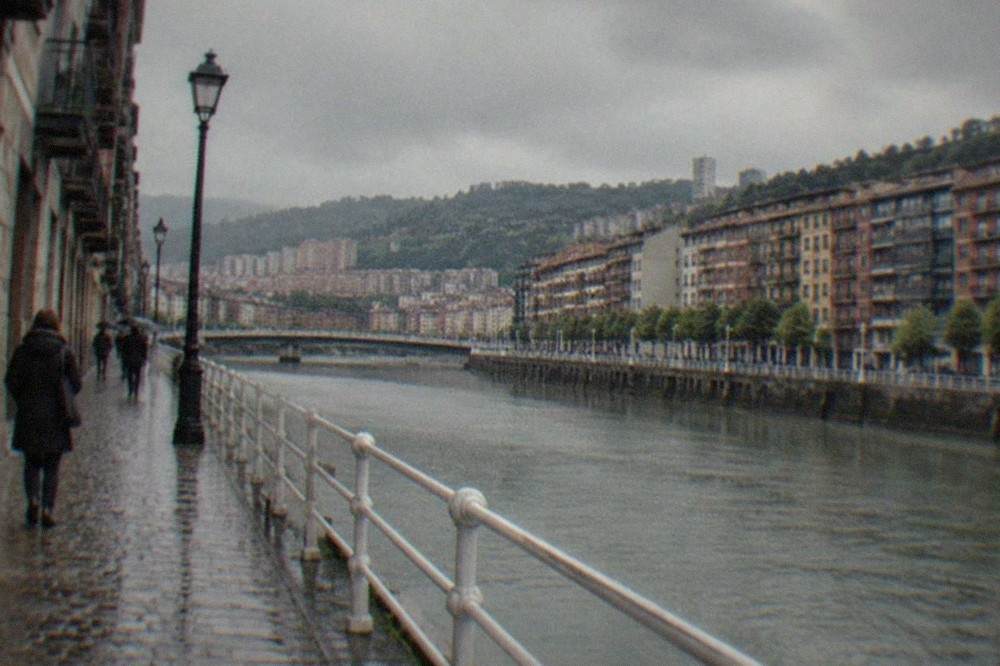
Bilbao has a temperate oceanic climate, Atlantic-influenced and never Mediterranean: AEMET's Bilbao Aeropuerto/Loiu station (1082), 1981-2010 normals, show monthly means from 9.3 C in January to 20.9 C in August, an annual mean of 14.7 C, and 1,134 mm of rain spread across every single month of the year. July and August are the warmest and driest pair, and November is the wettest month at 147 mm.
The number that relocators underestimate is the rain frequency, not the rain total. Rain falls in every month, including 60 mm in June and 50 mm in July, so the practical wardrobe is waterproof layers rather than summer-versus-winter extremes. The Bilbao weather guide and the packing guide translate the same normals into actual clothing advice. What the climate buys you in exchange is green: the hills around the city stay lush year-round in a way that Mediterranean Spain simply does not.
| Month | Mean temp C | Rain mm |
|---|---|---|
| January | 9.3 | 120 |
| March | 11.5 | 90 |
| May | 15.7 | 78 |
| July | 20.4 | 50 |
| September | 19.2 | 73 |
| November | 12.4 | 147 |
| Annual | 14.7 | 1,134 |
Do You Need Basque Or Spanish To Live In Bilbao?
Spanish is fully sufficient for daily life in Bilbao: everyone speaks it, all services operate in it, and the city's own residents move between both languages constantly. Basque (Euskara) is co-official, appears on every street sign, metro announcement and public form, and learning even courtesy-level Basque earns real goodwill, but no newcomer needs it to work, rent or navigate bureaucracy.
The relationship between the two languages is the single most distinctive cultural fact about living here. Street names, metro stations and municipal signage are Basque-first, and you will absorb vocabulary without trying, from "kalea" for street to "aterpe" for shelter. Children schooled in the Basque Country learn through models ranging from Spanish-medium to full Basque immersion, which matters enormously to families choosing schools, and the Basque or Spanish language guide explains the model system in full. For adults, the practical reality is that Spanish gets you 100 percent of daily life and Basque gets you belonging.
How Does Living In Bilbao Compare With San Sebastian?
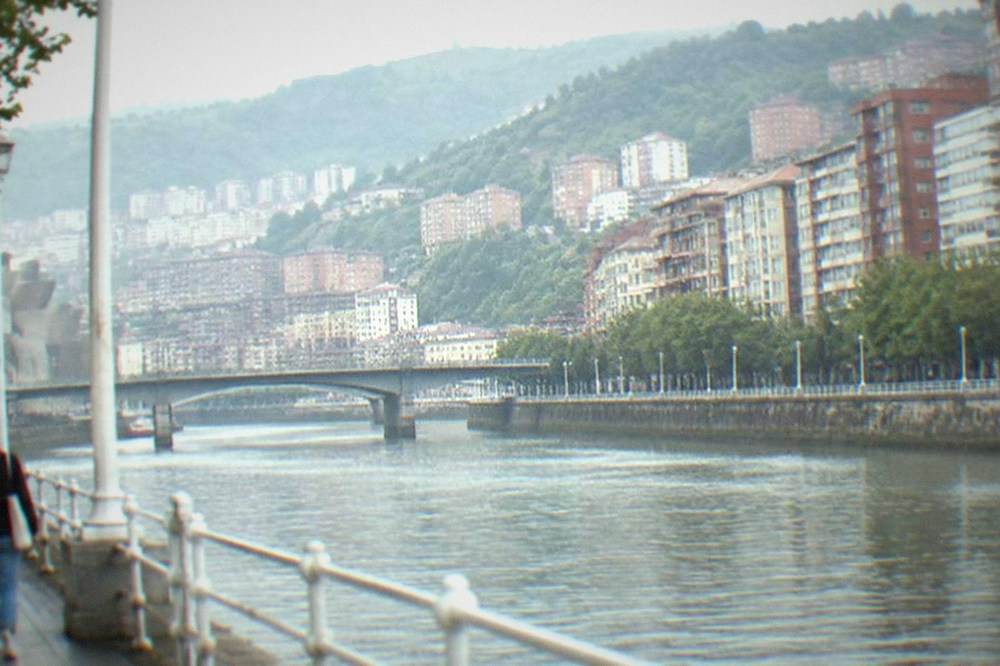
Bilbao is the bigger, more workaday and more affordable-feeling of the two Basque hubs: at 346,933 residents it is several times San Sebastián's size, with a deeper job market, a metro network San Sebastián lacks, and housing pressure that, while real, sits below its coastal neighbour's premium. San Sebastián wins on beach access and Michelin density, but Bilbao wins on everything that matters to a permanent resident, from transport to hospital access to the sheer range of ordinary life.
The comparison deserves honesty in both directions. San Sebastián's bay and its restaurant scene are genuinely superior, and weekend trips there are trivial, roughly 1 hour 20 minutes by direct bus from Bilbao's Intermodal station at roughly 8 to 19 EUR one-way. But relocation is about weekdays. Bilbao has the airport with its expanding route network, the metro, the bulk of the region's professional employment, and a cultural calendar anchored by Aste Nagusia, which in 2026 ran 22 to 30 August with the txupin opening at 19:00 in Plaza Arriaga. The Bilbao versus San Sebastian guide and the best base in the Basque Country guide work through the same trade-off for longer stays.
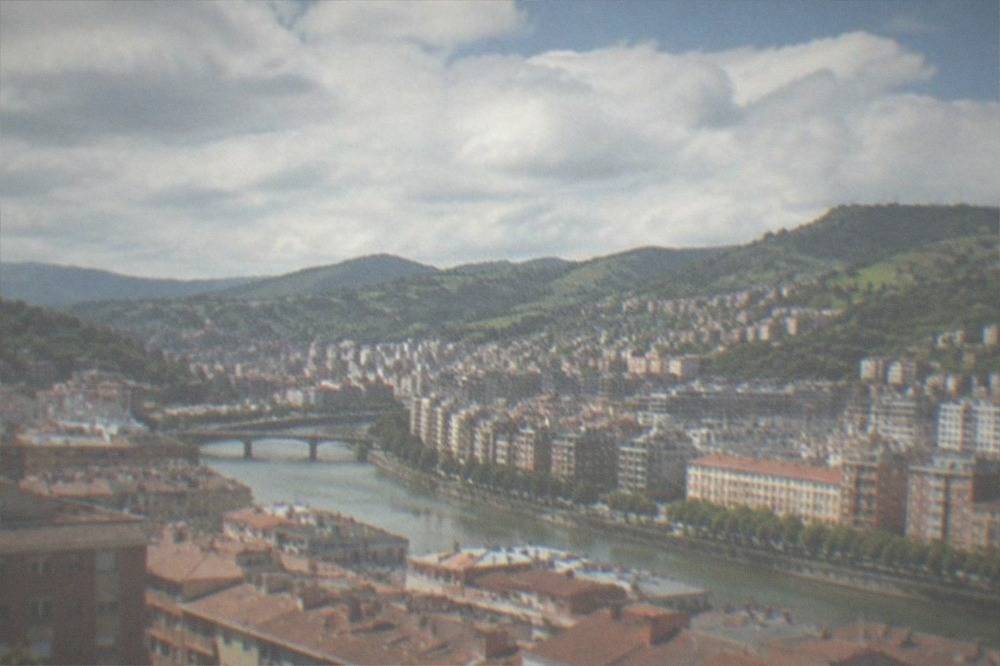
What Taxes And Rules Change For Bilbao Residents And Landlords?
The headline change is the Bizkaia tourist tax, approved as Norma Foral 3/2026 and taking effect on 1 January 2027: Bilbao's municipal rates run from 1 EUR per night for pensions to 5 EUR for five-star hotels, with tourist apartments and VUT rentals charged the maximum 6.50 EUR per night. Visitors in 2026 pay no tourist tax at all, and reservations generally made before early February 2026 are exempt even once the tax starts.
If you are moving to live and work, the tax does not touch you; it targets tourist stays, with minors and medical stays among the exemptions and a reported cap of roughly five to six nights per stay. If you are moving to buy a property and let it short-term, it changes your arithmetic directly, because 6.50 EUR per adult per night is the highest tier in the regional framework and Bilbao's council approved it in September 2026 with no municipal surcharge on top. Expected net revenue is reported at slightly over 12 million EUR a year after roughly 15 percent exemptions. Treat all of this as dated reporting of a 2027 regime, not as a fee anyone is collecting today. The full index of guides sits on Bilbao Travel Guide.
| Accommodation type | Approved nightly rate from 1 Jan 2027 |
|---|---|
| 5-star hotels | 5 EUR |
| 4-star hotels | 4 EUR |
| 3-star hotels | 2 EUR |
| 2-star hotels | 1.50 EUR |
| Pensions | 1 EUR |
| Tourist apartments / VUT | 6.50 EUR |
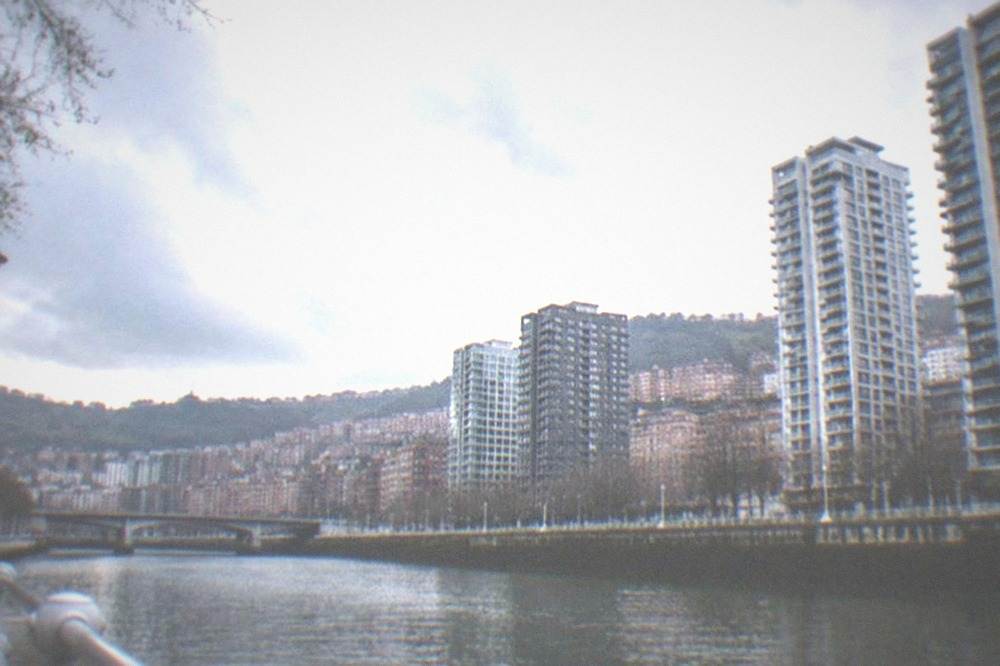
What Is Daily Life Like Once You Are Settled In Bilbao?
Daily life in Bilbao runs on a compact, food-centred rhythm: the pintxos bars of Plaza Nueva and the Ensanche, the Ribera Market in Casco Viejo, a cultural calendar that peaks with Aste Nagusia in late August and BBK Live in July, and an estuary that puts a riverside walk within ten minutes of almost anywhere in the city. The 2025 tourism balance from Bilbao Ekintza counted 1,396,841 visitor entries and 2,723,725 overnight stays across hotels and tourist apartments.
The food culture is the everyday glue. Recent guides consistently highlight Gure Toki and Sorginzulo on Plaza Nueva, El Glovo on Diputacion, and La Bodeguita del 12 in Abando, which took the 2025 Bizkaia traditional pintxo championship, and typical pintxo prices run roughly 2 to 5 EUR at traditional bars with drinks at 2 to 3.50 EUR, planning ranges rather than promises, so check the board in each bar. The best pintxos in Bilbao guide, the Bilbao food guide and the best restaurants guide cover the ground properly. On safety, the city's 2025 crime balance showed street crime slightly down year on year and home burglary rates below the average for large Spanish cities, and the safety in Bilbao guide has the detail.
Festivals structure the year. Aste Nagusia 2026 ran 22 to 30 August with nine days of concerts, fireworks and the txosna street bars, BBK Live 2027 is confirmed for 8 to 10 July at Kobetamendi with no lineup announced yet, and Bilboko Kalealdia brought street theatre to the centre from 29 June to 4 July 2026. The Aste Nagusia guide and the BBK Live guide track the calendar.
| Event | Confirmed dates | Anchor venue |
|---|---|---|
| Aste Nagusia 2026 | 22-30 August 2026 | Plaza Arriaga opening, citywide |
| Bilboko Kalealdia 2026 | 29 June - 4 July 2026 | Street theatre across the centre |
| BIME Live 2026 | 27-30 October 2026 | Bilbao Exhibition Center |
| BBK Live 2027 | 8-10 July 2027 | Kobetamendi, no lineup announced |
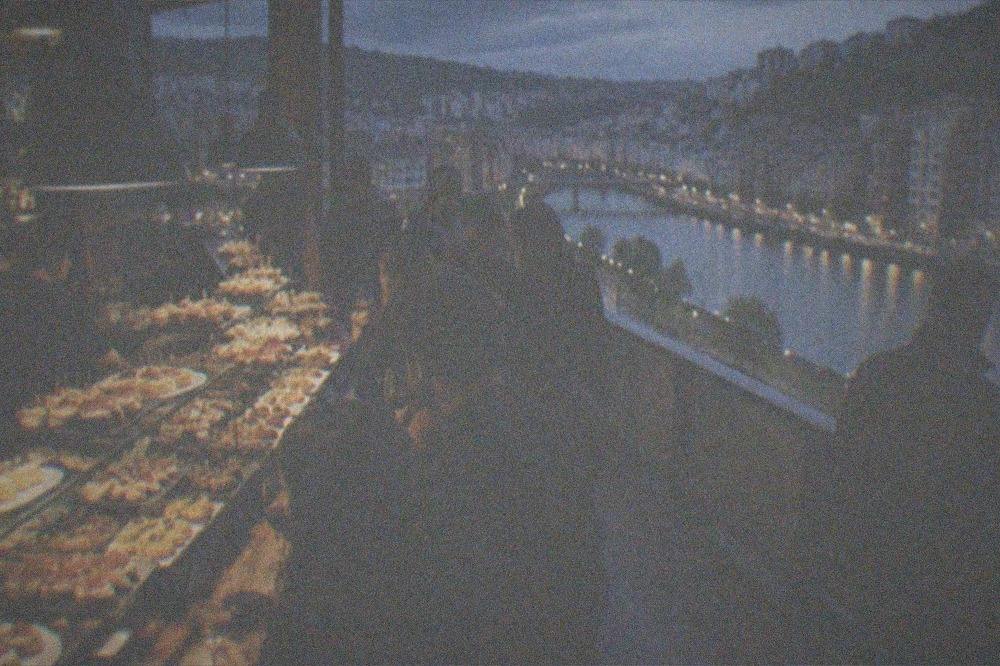
Showing visiting family the city is part of settling in, and a small-group walk is the easiest first move.
For the weekends you will want to fill, the region itself is the attraction. The things to do in Bilbao round-up indexes the full catalogue, and the how many days in Bilbao guide helps when guests ask how long to stay.
How Do You Explore The Basque Country From A Base In Bilbao?
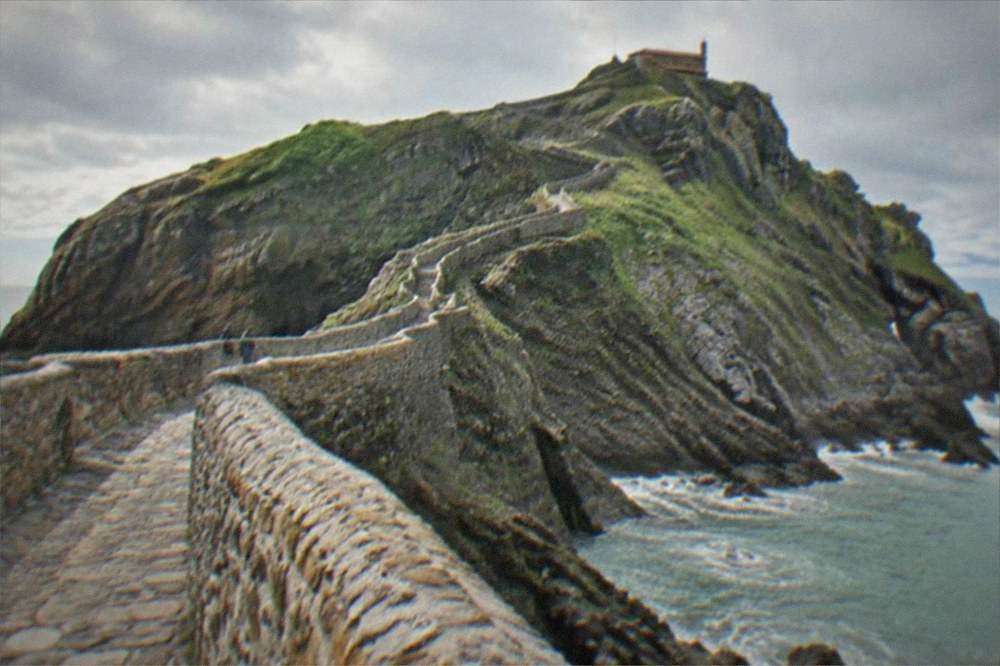
Bilbao is the natural base for the whole region: Gaztelugatxe, the Dragonstone hermitage on its rocky islet, is under an hour away by car with a free timed reservation required only on official controlled-access days, San Sebastián is roughly 1 hour 20 minutes by direct bus, the Rioja wine towns sit about an hour south, and the UNESCO-listed Vizcaya Bridge is a 20 to 29 minute metro ride to Areeta. No other Basque city gives you this reach without owning a car.
The Gaztelugatxe rules matter even for residents. On controlled-access days, roughly mid-June to about 20 September daily plus Easter and holiday weekends per the yearly calendar, the daily cap is 1,462 visitors and booking is via tiketa.eus, always free, with a maximum of 10 people per reservation. On all other days access is free without any reservation, and as of the most recent reporting it reverted to free, no-reservation access from 21 September 2026 through the end of September. Certain romeria dates, including 24 June and 31 July, are reserved for local events. The Gaztelugatxe guide carries the full calendar detail.
The Vizcaya Bridge, inscribed by UNESCO in 2006 as the first industrial heritage site in Spain on the list, crosses to Portugalete with a pedestrian gondola fare of 0.60 EUR one-way in daytime hours, and a reported walkway ticket of 11 EUR adult round-trip, a single-source figure that has not been independently content-checked, so confirm on site. The Vizcaya Bridge guide covers visits, and the San Sebastián day trip guide handles the coast's other magnet.
A food tour is the fastest way into the local culture, and a coastal day trip is the fastest way out of the city when the rain closes in.
If you would rather compare several full-day options side by side before committing, the three picks below cover the coastal loop, the coastal walk and a city bike tour, each with a different balance of driving, walking and tasting.
What Should Your First Months In Bilbao Look Like?
Plan your first months in Bilbao around three practical steps: buy a Barik card immediately because it cuts every fare roughly in half, pick your district based on noise tolerance and metro access rather than on rent listings alone, and treat the rainy Atlantic winter as the season to do your paperwork and museum visits while saving the coast and Rioja for the drier July and August window. The city rewards routine quickly because everything is within a 30-minute transit ride.
The bureaucratic sequence is the same as anywhere in Spain: register at the town hall, get a foreigner's number if you are a non-EU arrival, open a local bank account, and sort healthcare registration. Spain being a founding Schengen member means EU arrivals face no visa gate at all. For flights in, the flights to Bilbao from the US guide covers the long-haul connections, and US government guidance rates Spain at Level 2, exercise increased caution, with no Bilbao-specific warnings, so standard urban precautions are the whole of it.
Weekends are when the decision to move here pays off. The French Basque Country, Biarritz and Saint-Jean-de-Luz sit within a long day trip, and the Saint-Jean-de-Luz and Biarritz guide maps it. A cross-border excursion is also a good dry run for hosting visitors.
Common Questions About Moving To Bilbao
Is Bilbao a good city for relocation from elsewhere in Europe?
Yes for most profiles: it combines a 346,933-person regional job market, an integrated cheap transport network with a Zone 1 metro fare of 1.02 EUR by Barik, top-tier food culture, and no tourist tax burden on residents. The trade-off is an Atlantic climate with rain in every month, 1,134 mm annually per AEMET's normals.
Do I need to speak Basque to live and work in Bilbao?
No. Spanish covers 100 percent of daily life, services and work. Basque is co-official and everywhere on signage, and learning courtesy level helps you belong, but no newcomer needs fluency to rent, work or handle bureaucracy. Families choosing schools should look into the language-model system, since immersion levels vary.
Is there a tourist tax in Bilbao?
Not in 2026. The Bizkaia tourist tax under Norma Foral 3/2026 takes effect 1 January 2027, with Bilbao's approved rates running from 1 EUR per night for pensions to 5 EUR for five-star hotels and 6.50 EUR for tourist apartments. It applies to tourist stays, not to residents, and reservations generally made before early February 2026 are exempt.
Can you live in Bilbao without a car?
Yes, comfortably. The metro, Bilbobus, tram and Euskotren are integrated under one Barik fare system, and the city is compact and walkable. The one exception is the airport, which has no metro or train link and none expected before 2035, served instead by the A3247 bus every 15 minutes at 5 EUR.
Which is the best neighbourhood to live in Bilbao?
Abando and the Ensanche for centrality and walkability, Indautxu for a calmer residential version of the same, Casco Viejo for history and nightlife at the cost of noise, Deusto for students and quieter streets. No district is remote; the metro crosses the whole city in well under half an hour.
How wet is Bilbao really?
Wet by Spanish standards but never extreme: AEMET's 1981-2010 normals for station 1082 show 1,134 mm a year, spread across every month, with November wettest at 147 mm and July driest at 50 mm. Annual mean temperature is a mild 14.7 C, from 9.3 C in January to 20.9 C in August.
Moving to Bilbao is, in the end, a decision about a city that fixed itself once already and knows it: transport priced for residents, museums priced for a mid-sized city, a tax regime that only touches tourists, and rain that keeps everything green. Pick the district that matches your noise tolerance, buy the Barik card on day one, and let the estuary do the rest.