Cash, Cards And ATMs In Bilbao
Bilbao is a card-friendly northern Spanish city where contactless covers almost everything, but a small cash float still matters for pintxos bars, markets and the Barik transport card.
Short answer
You can pay by card almost everywhere in Bilbao, including pintxos bars, restaurants, museums and public transport, but carry a small cash float of roughly 20 to 50 euros for market stalls, a few older bars and small purchases. Avoid exchanging cash at the airport and withdraw from bank-owned ATMs in the city centre rather than standalone machines.
Bilbao, in Biscay (Bizkaia) province, Basque Country, northern Spain, is one of the easier European cities to visit without ever queuing at a currency exchange. Spain uses the euro, contactless acceptance is close to universal in the Ensanche and the Old Town, and the city's own transport system is built around a rechargeable card rather than coins. That said, a purely card-only trip still hits friction: some market stalls, a handful of Old Town pintxos counters and the smallest bars prefer coins, and the famous Barik travel card is a physical card you top up rather than something you tap with a phone. This guide from Bilbao Travel Guide walks through how much cash a Bilbao trip actually needs, where the ATMs are, which cards work, and where the payment traps hide.
Do You Need Cash In Bilbao, Or Is It A Card-First City?
Bilbao is a card-first city, and you can cover a normal day entirely by card, but a small cash float of roughly 20 to 50 euros still earns its place in your pocket. Hotels, museums, restaurants, the metro, the tram and the vast majority of pintxos bars all take cards, and contactless is standard. Cash matters mainly for market stalls, a few traditional Old Town bars, small tips and the odd kiosk that sets a card minimum.
The practical split is predictable by neighbourhood rather than by category. In Abando and the Ensanche, around the Guggenheim and along the Gran Via, card terminals appear on essentially every counter. In the Casco Viejo, the Seven Streets and the area around Ribera Market, a minority of the oldest bars still run cash-only counters or prefer exact change at busy times. The difference is rarely a policy you can look up; it is a habit of the house, and it changes bar to bar rather than street to street.
There is no city-wide card minimum, but individual shops sometimes post one, typically for purchases under a few euros. If you are doing a txikiteo, the Basque pintxos crawl, you will be making exactly those kinds of small purchases: one pintxo here, a zurito of beer there. A pocketful of small-denomination notes makes that smoother than a terminal receipt for every bite. Our best pintxos in Bilbao guide covers which bars cluster where, and the payment habit follows the same geography.
Where To Find ATMs In Bilbao And What They Charge
ATMs in Bilbao are dense and easy to find on the main commercial streets, especially around the Gran Via, Plaza Moyua and the Casco Viejo, and the machines attached to real bank branches are the ones to use because they are the least likely to load a stiff surcharge onto your withdrawal. Standalone, freestanding cash machines in convenience stores and tourist corridors are the ones that charge, and their fee screens appear only after your card is already inserted.
The rule of thumb that saves the most money is simple: withdraw from a machine physically attached to a bank, in daylight, in a busy area, and decline the machine's offer to convert the amount into your home currency. That last point is the single biggest fee trap in Spain. When a Spanish ATM offers to charge you in dollars, pounds or any other home currency, it is applying a dynamic currency conversion markup, and declining it keeps the transaction in euros so your own bank applies its rate instead. The same applies at card terminals in shops: if a handheld reader asks you to choose your currency, always choose euros.
How much to withdraw at a time is a balance. Larger, less frequent withdrawals reduce the number of per-transaction fees your own bank charges, but Bilbao is not a city where you want to walk around with hundreds in cash. A withdrawal of 100 to 200 euros covers a typical multi-day cash float for a visitor who is paying by card for everything else. If your home bank refunds foreign ATM fees, take the larger withdrawals; if it charges a flat fee per withdrawal, the same logic applies even more strongly.
Security around ATMs in Bilbao follows the same pattern as the rest of the city: the risk is petty theft, not violent crime. Bilbao's 2025 municipal crime balance, as reported by local media, counted 29,696 street-level crimes across the year, with thefts and pickpocketing making up roughly 55 percent of them, concentrated in crowded tourist zones rather than around bank machines. Our safety in Bilbao guide covers the detail. The short version for cash: withdraw inside or beside the branch, put the money away before stepping off, and do not count notes on the street.
If you are arriving through the airport, the same logic applies with more force. Airport exchange desks and airport cash machines are consistently the worst-priced option in any Spanish city, and Bilbao Airport is no exception. The airport is small, the Bizkaibus A3247 into the centre costs 5 euros for the occasional ticket without a Barik card, and you can be at a bank ATM in the Ensanche within half an hour of landing. Our Bilbao airport guide covers the transfer options in full.
Which Cards Work In Bilbao, And How To Avoid Card Fees?
Visa and Mastercard debit and credit cards work almost everywhere in Bilbao, including on public transport, and American Express works in hotels, department stores and larger restaurants but is refused often enough in small bars that it cannot be your only card. The fees that matter are not Spanish fees, they are your own bank's foreign transaction fee and the dynamic currency conversion markup, and you decline the second by always choosing to pay in euros.
Spain has no local surcharge on foreign cards at the point of sale, so the cost of paying by card in Bilbao is whatever your issuing bank charges back home. That makes the choice of which card to carry the single biggest fee decision of the trip. A card with no foreign transaction fee turns every terminal in the city into a flat, honest euro purchase. A card that charges two or three percent abroad quietly adds that to every pintxo and metro ride, which is why travellers who visit Spain often carry a dedicated no-foreign-fee card for the trip.
| Payment method | Where it works in Bilbao | Fee consideration |
|---|---|---|
| Visa / Mastercard debit | Nearly all shops, bars, restaurants, museums, transport | Your bank's foreign transaction fee, if any |
| Visa / Mastercard credit | Same coverage as debit, plus hotels and car hire | Foreign transaction fee plus possible cash-advance rules |
| American Express | Hotels, large stores, upscale restaurants | Refused in many small bars and shops |
| Contactless / phone wallet | Same terminals as chip cards, metro and tram validators | Same card fees apply, no extra local charge |
| Cash | Universal, required by a minority of old-town bars and stalls | None at point of sale |
Mobile wallets behave exactly like the physical card behind them. If your phone wallet carries a no-foreign-fee card, tapping it at a Bilbao terminal costs the same as the plastic. The one place phone wallets diverge is the Barik transport card, which is a physical rechargeable card rather than something you can emulate on a phone, and which we cover below. For connectivity, which any phone-payment strategy depends on, our Bilbao SIM card and data guide covers the options.
Booking tours by card deserves one honest note. Almost every paid tour in and around Bilbao is booked online before the trip, in your home currency environment, which means your card's foreign fee is applied at checkout by the operator's listing rather than at a Spanish terminal. The same choose-your-currency rule applies there too: if the checkout offers to bill you in your home currency instead of euros, pick euros. For a day trip across the French border, cards matter even more, because the same Visa or Mastercard works in both countries but you will be spending euros on one side and euros in Saint-Jean-de-Luz on the other, France being eurozone as well. The Biarritz, Saint-Jean-de-Luz and San Sebastián tour from Bilbao is the classic example of a trip where you barely need your wallet at all, since transport and guiding are prepaid; Check availability if that route appeals.
How The Barik Card And Bilbao Bizkaia Card Change What You Pay
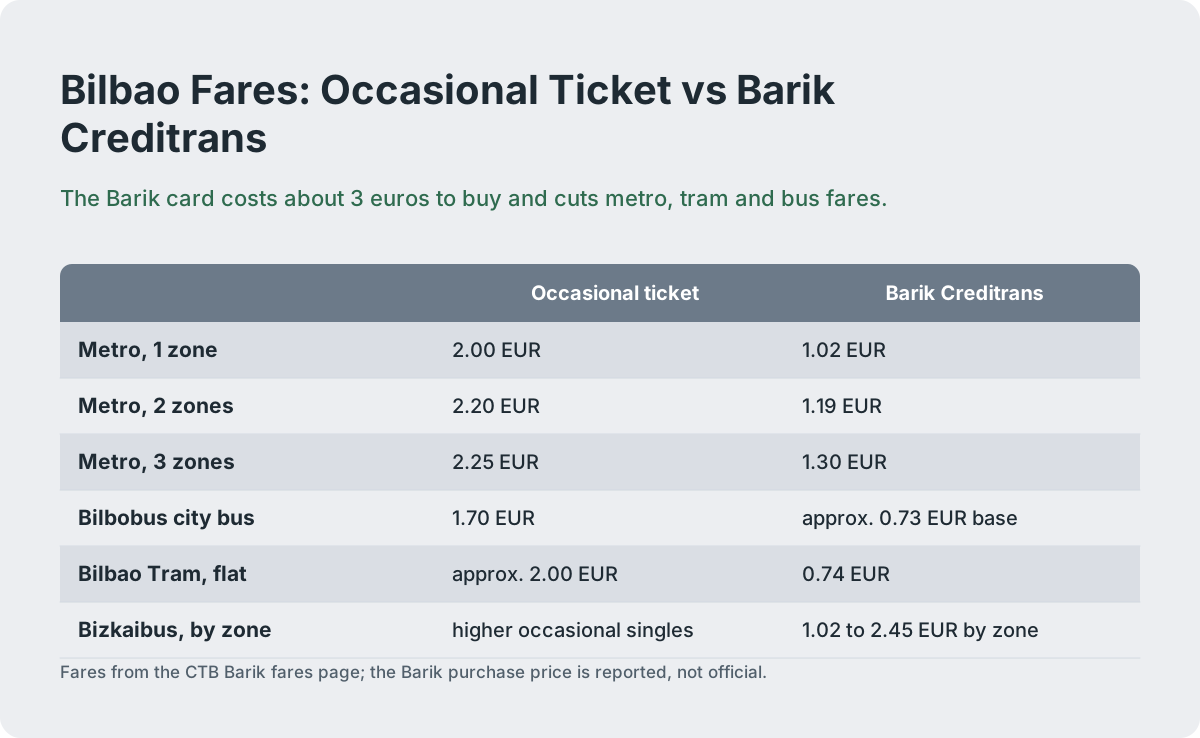
The Barik card is Bilbao's rechargeable transport card, and it cuts every metro, tram, bus and Euskotren fare sharply: a one-zone metro trip costs 1.02 euros with Barik against 2.00 euros paid as an occasional single, so the card pays for itself within a handful of rides. The separate Bilbao Bizkaia Card, at 10 euros for 24 hours, 15 for 48 and 20 for 72, adds unlimited transport plus museum and attraction discounts for short visits.
The CTB Barik fares page gives the full zonal structure, and the differences are large enough to plan around. Without a Barik card, a metro single costs 2.00 euros for one zone, 2.20 for two and 2.25 for three, with two hours of validity. With Barik Creditrans, the same journeys cost 1.02, 1.19 and 1.30 euros respectively. Bilbobus city buses cost 1.70 euros as an occasional single, around 0.73 euros at base with Barik and effectively lower after the frequent-user discount. The tram is a flat 0.74 euros with Barik against roughly 2.00 as an occasional single.
| Journey | Occasional ticket | With Barik Creditrans |
|---|---|---|
| Metro, 1 zone | 2.00 EUR | 1.02 EUR |
| Metro, 2 zones | 2.20 EUR | 1.19 EUR |
| Metro, 3 zones | 2.25 EUR | 1.30 EUR |
| Bilbobus city bus | 1.70 EUR | approx. 0.73 EUR base |
| Bilbao Tram, flat | approx. 2.00 EUR | 0.74 EUR |
| Bizkaibus, by zone | higher occasional singles | 1.02 to 2.45 EUR by zone |
The Barik card itself is commonly reported to cost about 3 euros to buy, non-refundable, usually with a minimum top-up, though that purchase price is not stated on the official CTB fares page, so treat it as reported rather than official. You top it up with cash or card at machines in metro and tram stations. For a visitor staying three or four days and moving around the city daily, the arithmetic is unambiguous: even a modest two metro rides and a tram trip per day recovers the card cost inside the first day.
The Bilbao Bizkaia Card sits on top of that for visitors who want simplicity over per-ride economy. The card's own site states the tiers: 10 euros for 24 hours, 15 for 48 hours, 20 for 72 hours, personal and non-transferable, covering unlimited travel on metro, tram, Bilbobus, Bizkaibus, Euskotren within the region and the funiculars, plus fast-track access at the main museums and a spread of shop and restaurant discounts. For a first-time visitor packing the Guggenheim, the Fine Arts Museum and a Getxo coastal trip into two days, the 48-hour tier at 15 euros is often the cleaner choice than micromanaging Barik top-ups. Our Bilbao Bizkaia Card guide compares the two cards in detail, and getting around Bilbao covers the network itself.
Contactless, Apple Pay And Mobile Payments In Bilbao
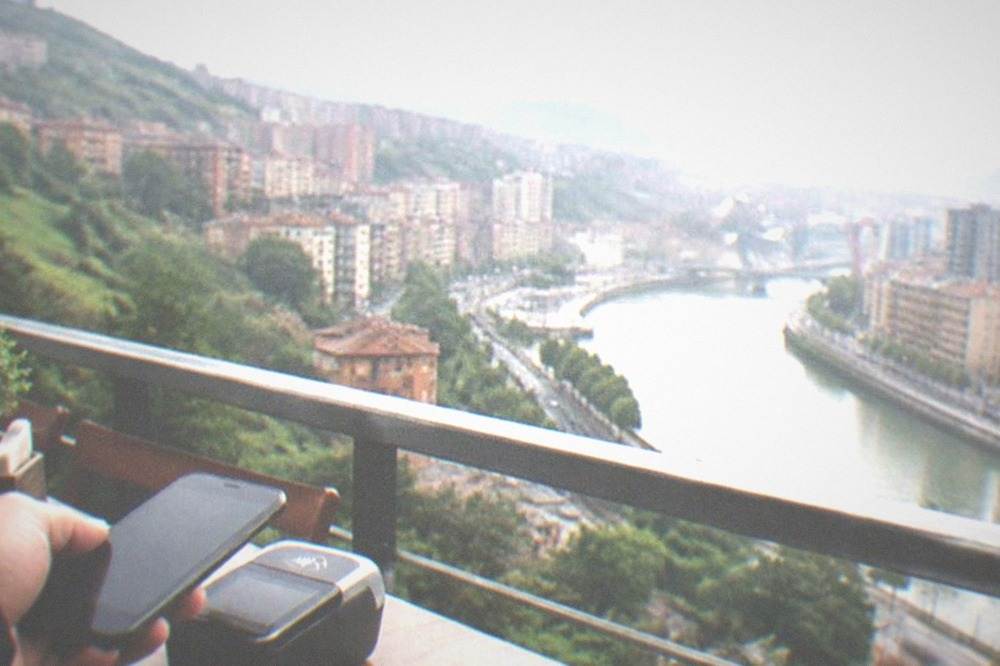
Contactless card and phone payments work on essentially every payment terminal in Bilbao, including handheld readers in restaurants, and the metro and tram validators accept contactless bank cards directly, so a phone wallet with a no-foreign-fee card behind it is the single most convenient way to pay in the city. The exceptions are the Barik ecosystem, which wants its own card, and a residual minority of cash-only old-town counters.
Spain adopted contactless early and completely, and Bilbao is no outlier. In practice this means the server in a pintxos bar brings a handheld terminal to the counter or the table, you tap, and the receipt is optional. Tips can sometimes be added on the terminal, though in many bars the tip is left in coins in a dish, which is one of the reasons the small cash float survives even in a card-first city. Our currency, tipping and money guide covers Basque tipping norms, which are lighter than in the United States and looser than in France.
Phone wallets carry one practical caveat: they need connectivity. A wallet with a transit card or a payment card works offline for small amounts, but the smooth experience assumes data, so travellers landing without a Spanish plan should sort connectivity before relying on the phone for everything. The eSIM options are covered in our SIM card and data guide.
How Much Cash Should You Actually Carry In Bilbao?
A comfortable cash float for Bilbao is 20 to 50 euros per person, held mostly in small notes and coins, enough for a market morning, a pintxos crawl, small tips and one or two cash-only bars, while everything else, hotels, museums, restaurants, transport and tours, goes on a no-foreign-fee card. Carrying several hundred euros buys nothing in Bilbao except the small risk of losing it.
The float is really a txikiteo fund. Pintxos in traditional bars generally run a few euros each, with drinks a couple of euros more, so a crawl of four to six stops with drinks sits somewhere in the 25 to 45 euro range per person at typical bars, and a cash float of 50 euros covers it with room to spare. If you are eating your way through the Old Town across several evenings, you will spend some of the float and refill it once, from a bank ATM, not from a standalone machine.
| Situation | Card or cash | Why |
|---|---|---|
| Hotel bill | Card | Standard, and Amex usually accepted |
| Guggenheim entry (18 EUR adult) | Card | Museum terminals, plus Bizkaia Card fast-track |
| Pintxos crawl, Plaza Nueva | Both | Most bars take cards, a few prefer coins |
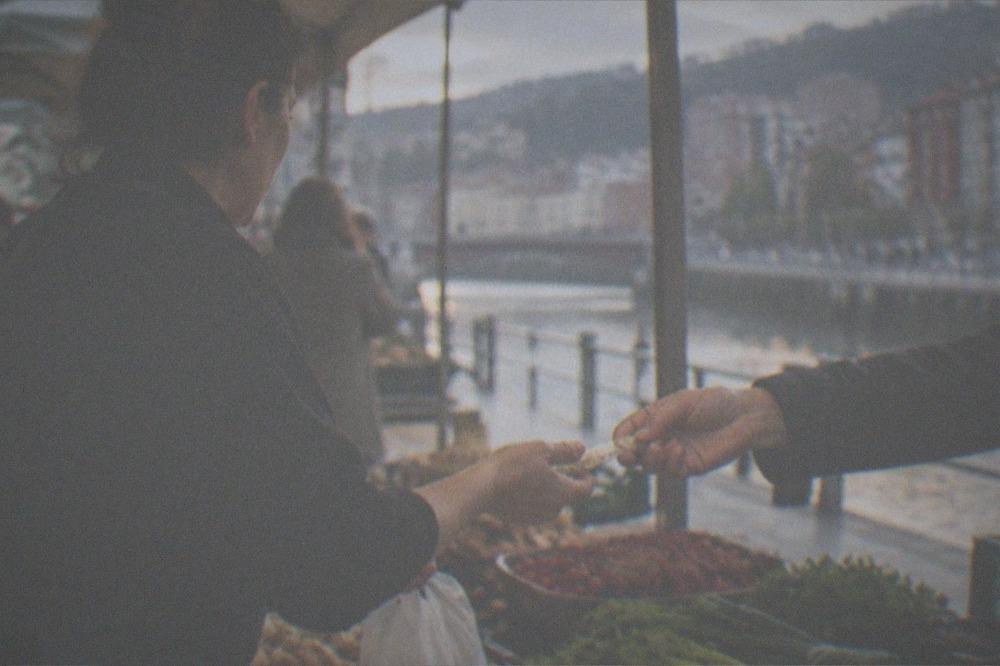
| Ribera Market food stalls | Mostly cash | Stalls vary, small notes help |
| Metro and tram | Barik or contactless bank card | Occasional singles cost roughly double |
| Taxi | Card | Card acceptance is standard in the city's taxis |
| Market souvenirs and kiosks | Cash | Small purchases, occasional card minimums |
One forward-looking note belongs in any 2026 or 2027 money plan: the Bizkaia regional tourist tax takes effect on 1 January 2027, not before. Bilbao's municipal rates, approved in September 2026, run from 1 euro per night at pensions up to 5 euros at 5-star hotels, with 6.50 euros for tourist apartments, charged per adult per night with a cap of a few nights. Visitors travelling in 2026 pay no tourist tax, and reservations made before early February 2026 are generally exempt even for later stays. The tax is paid at the accommodation, and hotels will add it to the card bill, so it is a budget line rather than a cash consideration.
Money Safety In Bilbao: Pickpockets, Scams And Card Skimmers
Bilbao is one of Spain's safer major cities for visitors, and the money risks are pickpocketing in crowded spots and card-terminal tricks, not violent theft; the 2025 municipal crime balance showed street crime slightly down year on year, with thefts making up roughly 55 percent of presential offences and home burglary rates below average for large Spanish cities. The two habits that matter are keeping the wallet front-of-body in crowds and always choosing euros when a terminal offers your home currency.
The crowded spots where cash and cards need the most care are the same ones every guide sends you to: the Seven Streets of the Casco Viejo, Ribera Market at weekend peak, the plaza around the Guggenheim and public transport at rush hour. Distraction is the standard technique, a bump, a spill, a petition, and the defence is boring: front pockets, zipped bags, and no wallet on the back of a chair in a busy bar. The rare scams reported by travellers in Spain, fake plainclothes police asking to inspect a wallet, or a bracelet or rosemary "gift" that turns into a demand for payment, are defused by simply walking on; real police never ask to see your cash.
Card skimming has faded with chip-and-PIN and contactless, but the residual rule survives everywhere: if a terminal looks tampered with or a reader is waved at you in an unusual way, pay with a different method. And if a bar in a tourist lane quotes a price that seems off, ask for the menu, since overcharging of visitors is the one money complaint that recurs in Old Town reporting. Our safety in Bilbao guide and solo female travel guide carry the fuller picture, and the accessibility guide covers the city's accessible transport, which is relevant if ATM access is part of your planning.
Cash And Cards On Bilbao Day Trips
For day trips from Bilbao, the card strategy barely changes, because San Sebastián, Getxo, Portugalete and the Rioja wine towns are all equally card-friendly Spanish or eurozone destinations, but the cash float matters more the further you go, since rural bars, village shops and beach kiosks are the last places where a card minimum or a cash-only counter will appear. Prepaid tours remove most of the question entirely, because transport, guiding and tastings are settled before you leave the city.
The Basque coast is the case study. A Gaztelugatxe and Basque coast walk, booked from Bilbao, covers the transport and the guiding in one prepaid price, and the site itself needs no ticket outside controlled-access days, when the timed reservation is free anyway. What you spend on the day is lunch in Bermeo or Bakio, a coffee at a viewpoint kiosk and maybe a souvenir, which is exactly where a 30 euro float in small notes outperforms a card. The same logic covers the Rioja day trips: winery tastings are usually prepaid with the tour, and Laguardia's village bars are the cash-friendlier end of the region.
For San Sebastián, whether you go on a prepaid excursion or by bus, the money picture is identical to Bilbao: eurozone, contactless everywhere, small bars that sometimes prefer coins. The Alsa-style intercity bus from Bilbao's intermodal station is paid by card or cash at the counter or machine, and the fare is modest enough that it does not dent any budget. Our San Sebastian day trip guide and the Bilbao versus San Sebastian comparison cover the itinerary side, and how many days in Bilbao helps you decide whether the day trips belong in your plan at all.
| Day trip destination | Payment reality on the ground | Cash float worth carrying |
|---|---|---|
| San Sebastián | Card-friendly city, same as Bilbao | 20 to 30 EUR |
| Gaztelugatxe and Bermeo | Village bars and kiosks prefer small cash | 30 to 40 EUR |
| Getxo and the Vizcaya Bridge | Gondola crossing 0.60 EUR, walkway ticket payable by card | 10 to 20 EUR |
| Rioja wine towns | Tastings prepaid on tours, village bars cash-friendlier | 30 to 50 EUR |
| French Basque Country | Eurozone, cards fine, markets like coins | 20 to 30 EUR |
Common Questions About Cash, Cards And ATMs In Bilbao
Do I need cash in Bilbao or can I pay by card everywhere?
You can pay by card almost everywhere in Bilbao, including pintxos bars, museums, taxis and public transport, but a small cash float of 20 to 50 euros is worth carrying for market stalls, a few traditional Old Town bars, small tips and kiosks.
Are ATMs in Bilbao safe to use?
Yes, ATMs attached to bank branches in central Bilbao are safe and the normal choice. The city's 2025 crime balance shows petty theft as the main risk, concentrated in crowded tourist zones, so use machines beside bank branches in busy areas, put cash away immediately and shield your PIN.
Should I choose euros or my home currency at Bilbao ATMs and card terminals?
Always choose euros. When a Spanish ATM or card terminal offers to convert the amount into your home currency, it is applying a dynamic currency conversion markup; declining it keeps your own bank's rate, which is almost always better.
Does American Express work in Bilbao?
Amex works in hotels, department stores and larger restaurants, but many small pintxos bars and shops refuse it, so it should not be your only card. Carry a Visa or Mastercard debit card as your primary payment method.
Can I pay by contactless on the Bilbao metro and tram?
Yes, the metro and tram validators accept contactless bank cards, and occasional singles without a Barik card cost 2.00 euros for a one-zone metro trip against 1.02 euros with Barik, so the contactless option is convenient but the Barik card is cheaper across a stay.
Is there a tourist tax in Bilbao that I need cash for?
Not in 2026. The Bizkaia regional tourist tax takes effect on 1 January 2027, with Bilbao's approved rates running from 1 euro per night at pensions to 5 euros at 5-star hotels and 6.50 euros for tourist apartments, and it is charged at the accommodation, not collected in cash on the street.
The bottom line for Bilbao is that money is one of the least complicated parts of the trip. Bring a no-foreign-fee Visa or Mastercard, add a phone wallet for convenience, withdraw once or twice from a bank ATM and decline currency conversion every time, and buy a Barik card on day one if you are staying more than a night. Everything else, from the Guggenheim's ticket desk to the last zurito of the evening, will take care of itself.