Bilbao Accessibility For Wheelchair Users
Bilbao, in Spain's Basque Country, has spent two decades rebuilding itself around wide riverside walkways, elevators and step-free transport, and it now ranks among Spain's more wheelchair-friendly cities. This guide covers what genuinely works, what still needs planning, and which tours and day trips fit reduced-mobility travel.
Short answer
Bilbao is largely accessible for wheelchair users: the metro has elevators at every station, the entire Bilbobus fleet is low-floor with ramps, the tram is step-free, and the Guggenheim offers two dedicated accessible entrances with loaner wheelchairs. The main obstacles are the steep hills of Casco Viejo's side streets and older buildings in the Old Town, both of which can be routed around with planning.
Bilbao, the largest city in Biscay (Bizkaia) province in the Basque Country of northern Spain, is one of Western Europe's more surprising accessibility success stories. A city that rebuilt its riverfront from shipyards into promenades in the decades after its industrial decline ended up with wide, level walkways, a metro system designed around elevators, and a municipal transport authority that publishes its own accessibility standards. The Guggenheim Museum Bilbao, the Artxanda funicular and the city's entire bus fleet are all documented as wheelchair accessible by their operators. That does not mean the city is uniformly flat: the Old Town's Seven Streets sit on a slope, and some medieval lanes keep their original cobbles and steps. The difference is that Bilbao's steep districts are served by public elevators, ramps and escalators that the city installed deliberately, so almost every major sight can be reached step-free with the right route. This guide, from the Bilbao Travel Guide editorial desk, walks through the transport network, the attractions, the tours that fit, and the planning details that make a wheelchair visit to Bilbao work.
Is Bilbao Wheelchair Accessible Overall?
Yes, Bilbao is broadly accessible for wheelchair users, and it is one of the more accessible mid-sized cities in Spain. Metro Bilbao stations have elevators from street to platform, the entire 141-bus Bilbobus fleet is low-floor with ramps and secured wheelchair spaces, the tram is step-free, and the Guggenheim has two dedicated accessible entrances plus loaner wheelchairs. The city's own mobility program adds ramps, lifts and escalators in its steepest districts.
The exceptions are individual older buildings in Casco Viejo, not the city as a whole. The backbone of the city's accessibility is its vertical transport. Bilbao is built along the Nervion estuary with hills rising on both sides, and rather than leaving wheelchair users at the bottom, the city installed a network of public lifts, ramps and escalators connecting the steep neighborhoods to the riverside level. Tactile paving and acoustic traffic signals appear throughout the central districts, and the city maintains designated accessible parking spaces, roughly one per forty total spaces, for badge holders.
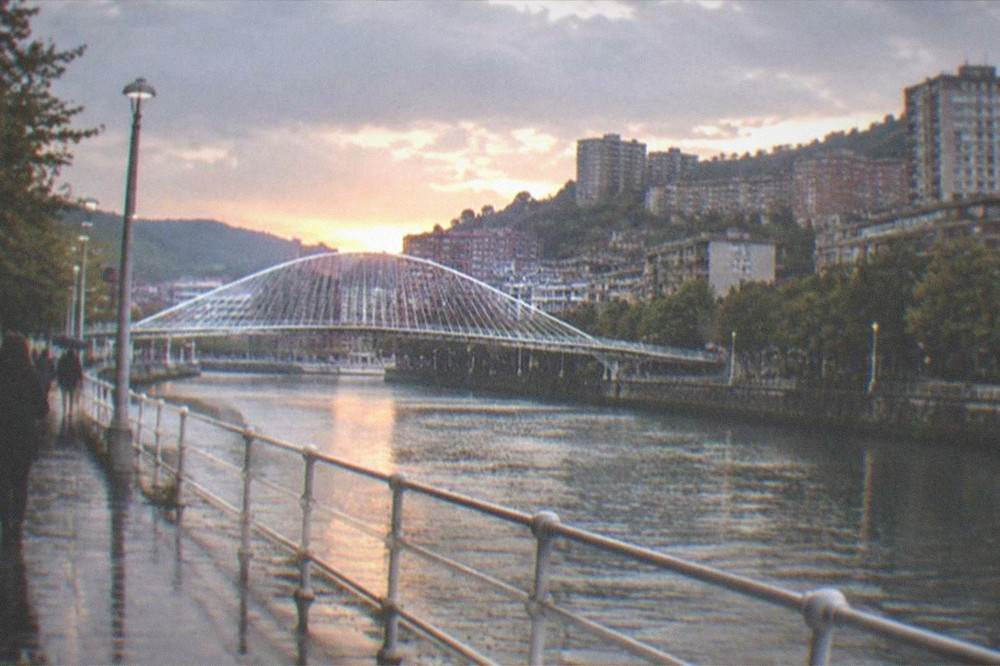
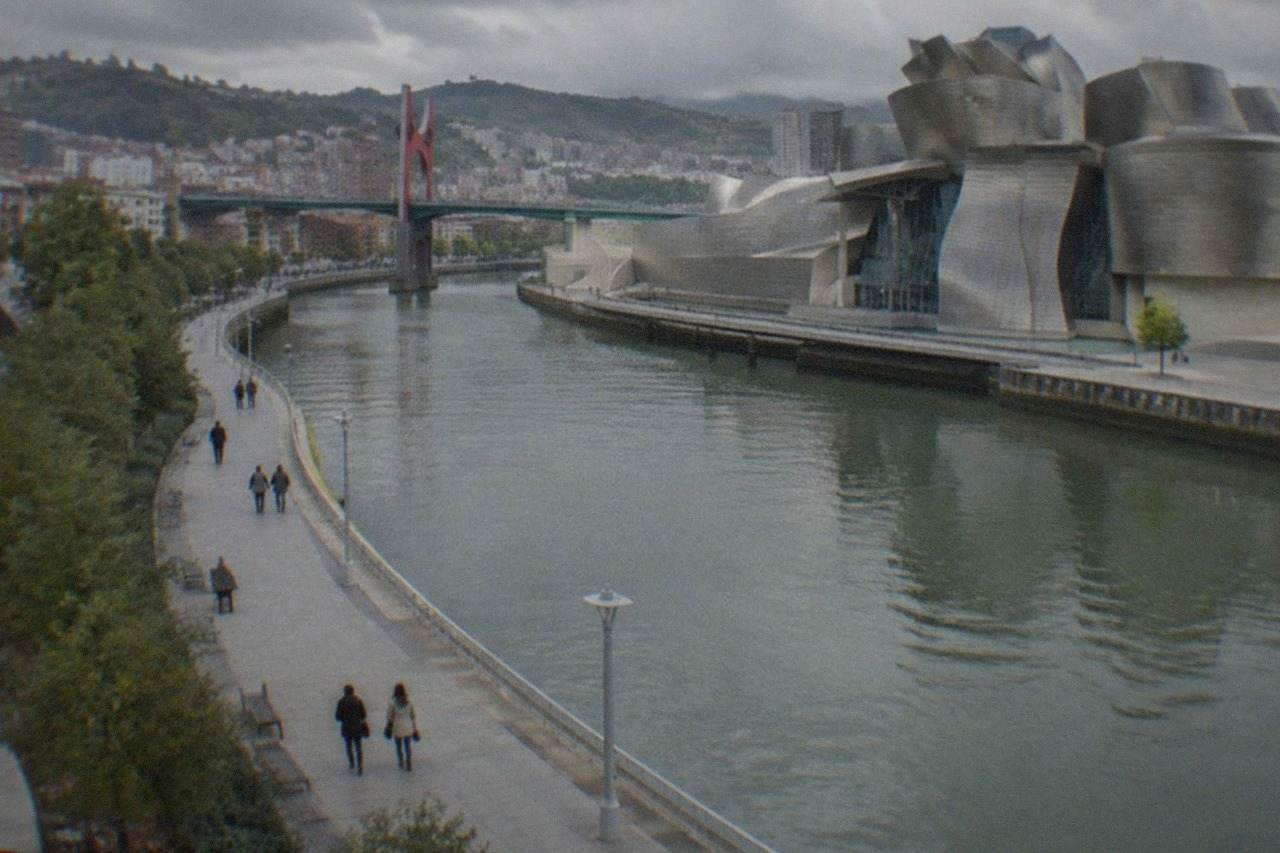
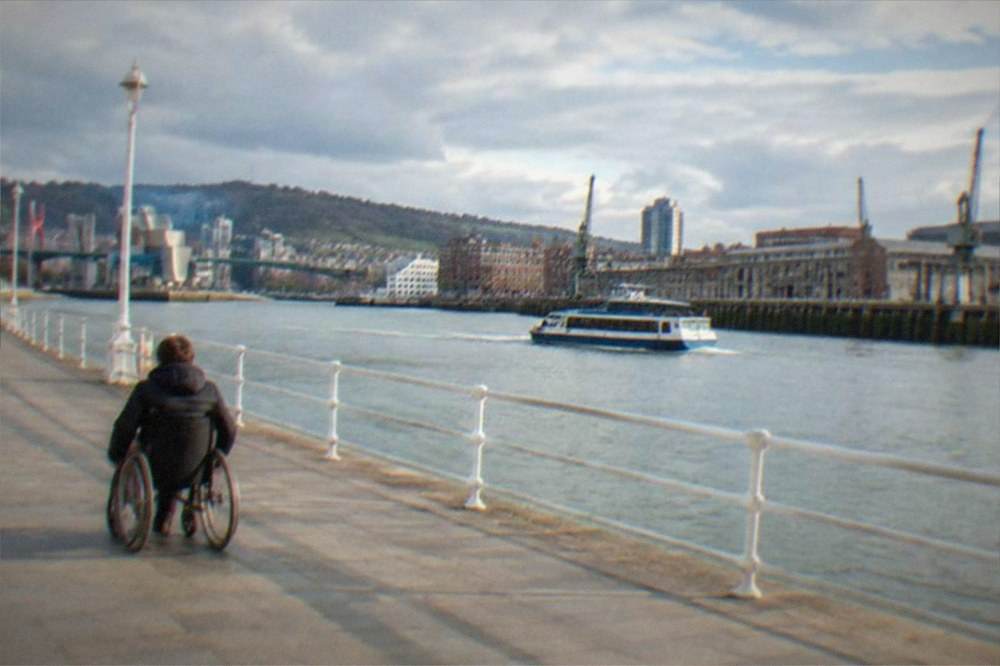
For context on scale, Eustat's municipal register puts Bilbao's population at 346,933 as of 1 January 2025, so this is a compact, walkable city rather than a sprawling metropolis. Distances between the major sights, from the Guggenheim in Abandoibarra to the Casco Viejo on the other side of the river, are short, and the riverside promenade that connects them is wide, level and free of curbs for most of its length.
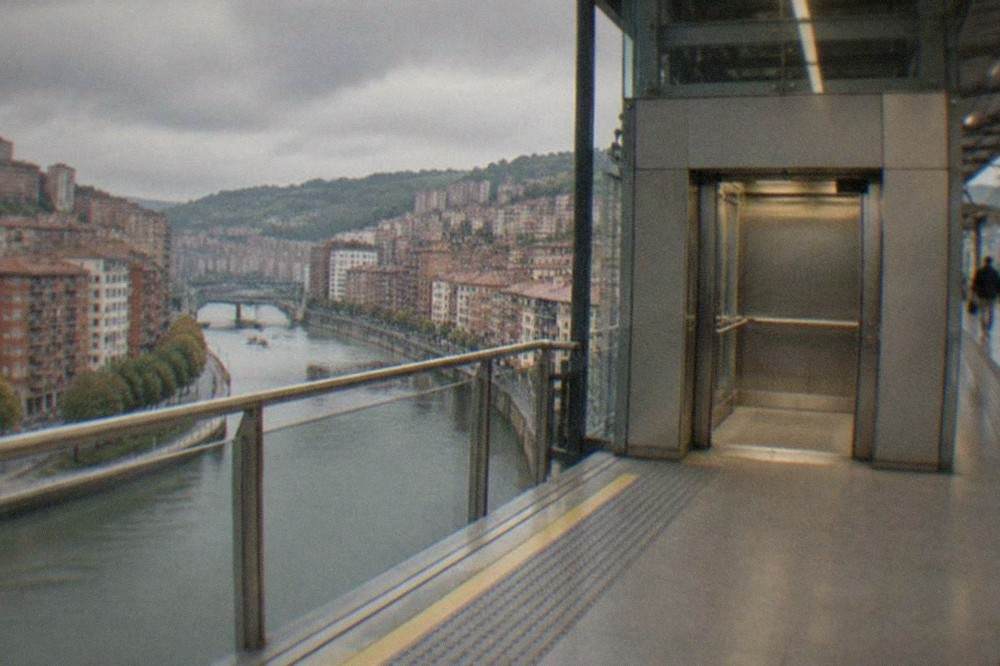
What makes Bilbao unusual is how much of this is documented rather than assumed. Metro Bilbao publishes a dedicated accessibility brochure detailing elevator coverage, wide ticket validators sized for wheelchairs, reserved spaces in the first and last cars of each train, and green step lighting on escalators. Around 2024 the metro also rolled out new accessible network maps with pictograms and QR codes linking to easy-read and voice information, a detail that helps travelers with visual or cognitive needs as well as wheelchair users. For a broader look at the network, see our Bilbao transport guide.
How Accessible Is Metro Bilbao For Wheelchair Users?
Metro Bilbao is fully accessible at station level: every station has elevators serving both the street-to-vestibule and vestibule-to-platform journeys, ramps where the layout requires them, wide validators that accept wheelchairs and mobility aids, tactile paving along platforms, and audio announcements on trains. Trains reserve spaces for wheelchair users in the first and last cars, and elevator priority is given to wheelchair users at busy stations. The system's own 2025 accessibility brochure documents all of these features station by station.
The practical experience is straightforward. Elevators are marked on the station maps near the entrance, and the newer signage uses pictograms that are easy to spot from a chair. Validators on the fare gates are set at a height and width that a wheelchair user can reach and pass through without assistance, and station staff are present at the busiest central stops, Abando, Moyua and Casco Viejo among them, during operating hours.
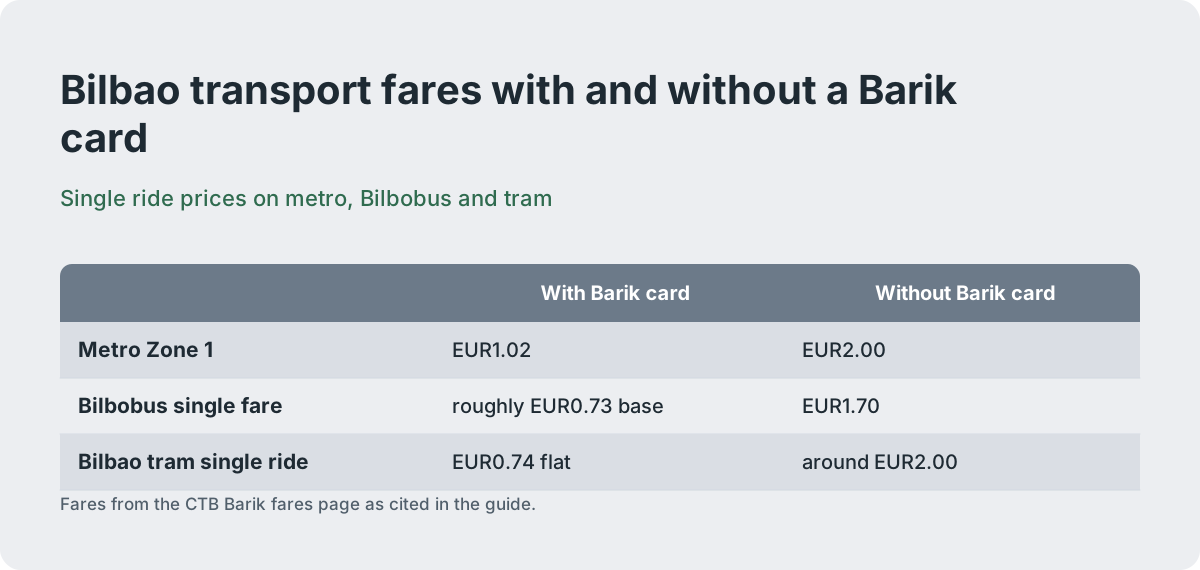
Fares work the same for everyone, and the Barik card is the cheaper route. The CTB Barik fares page gives Metro Zone 1 at EUR1.02 with a Barik card against EUR2.00 for a single ticket bought without one, with the card valid across metro, tram, bus and funicular. The card itself is commonly reported to cost EUR3 to purchase, non-refundable, though that purchase price comes from secondary sources rather than the official CTB fares page, so treat it as provisional. The Bilbao Bizkaia Card, at EUR10 for 24 hours, EUR15 for 48 and EUR20 for 72, adds unlimited transport plus attraction discounts for visitors who do not want to manage top-ups.
| Metro accessibility feature | What the operator documents |
|---|---|
| Elevators | Multiple per station, street-to-vestibule and vestibule-to-platform |
| Ramps | Installed at overpasses and where layout requires |
| Validators | Wide gates sized for wheelchairs and mobility aids |
| On-train spaces | Reserved areas in first and last cars |
| Platform guidance | Tactile paving and audio announcements |
| Escalators | Green step lighting for visual safety |
| Maps | Pictogram maps with QR voice/easy-read info, rolled out around 2024 |
One honest caveat: elevator maintenance happens, and a single elevator out of service can close a station's step-free route temporarily. Metro Bilbao's open-data service notices and station staff are the live check, so if a specific station matters for your hotel location, confirm its elevators are running on the day.
Are Bilbao Buses And The Tram Step-Free?
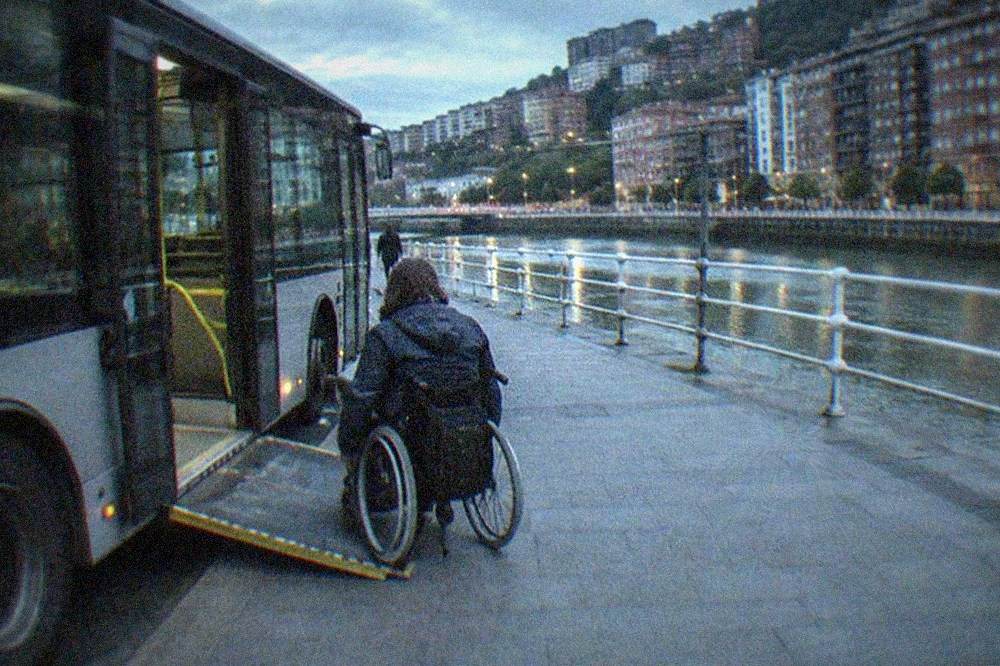
Yes, both are step-free. The entire Bilbobus fleet, 141 buses in the most recent reports, is 100% accessible with low-floor design, kneeling suspension, electric or manual ramps, reserved wheelchair spaces with anchors and safety features, priority seating, bilingual audio-visual stop announcements and Braille buttons. Companions of wheelchair users or people with recognized high dependency travel free. The Bilbao tram, operated by Euskotren Tranbia, is described by the city and by the Guggenheim's own getting-here page as accessible and adapted, with level boarding at every stop.
Bilbobus is arguably the city's strongest accessibility asset, because full-fleet accessibility is rare even in larger Spanish cities. The kneeling function lowers the bus toward the curb before the ramp deploys, which matters on Bilbao's older streets where curb heights vary. The single fare is EUR1.70 without a Barik card, dropping to roughly EUR0.73 base, effectively near EUR0.44 after the discount, with one, per the city's fares notices.
The tram runs along the riverside through Abandoibarra, past the Guggenheim and the Euskalduna Palace, a corridor that visitors with reduced mobility will find especially convenient. A Barik tap costs EUR0.74 flat against around EUR2.00 for an occasional single. Every stop has a raised platform flush with the tram floor, so boarding is a roll rather than a push.
| Mode | Step-free status | Key documented features |
|---|---|---|
| Metro Bilbao | Yes, all stations | Elevators, ramps, wide validators, reserved car spaces |
| Bilbobus | Yes, entire 141-bus fleet | Low-floor, kneeling, ramps, anchored wheelchair spaces |
| Bilbao tram | Yes, all stops | Level boarding, low-floor vehicles |
| Artxanda funicular | Yes | Ramp access, step-free first carriage, lift at upper station |
| Bizkaibus (regional) | Varies by vehicle | Integrate with metro and bus network; check the specific line |
For journeys beyond the city, Bizkaibus regional buses are part of the same integrated system and accept the same Barik fares, but accessibility on individual regional lines was not verified for this guide, so confirm the specific route with the operator before relying on it.
Is The Guggenheim Museum Bilbao Accessible?
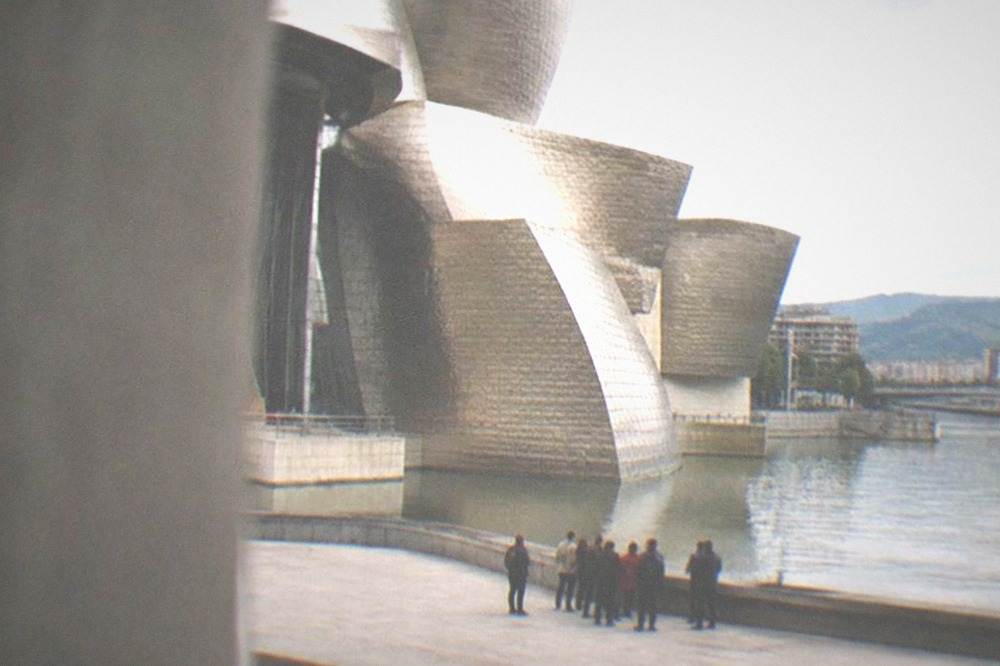
Yes, fully. The Guggenheim's own accessibility information confirms two dedicated accessible entrances, one through the main facade via an elevator by the bar and cafeteria, and one via a ramp on the riverside facade. Inside, large elevators serve every floor, loaner wheelchairs and portable seats are available free at the coatroom, all restrooms have accessible toilets, and the auditorium has wheelchair spaces plus an induction loop. A disability discount applies with proof, and staff assistance is offered throughout the visit.
Admission is EUR18 for adults, students under 26 and seniors over 65 pay EUR9, and under-18s enter free, with every ticket including the audio guide. The museum opens Tuesday to Sunday from 10:00 to 19:00, extending to 20:00 during Easter week and again from 15 June to 13 September. The museum's own site lists all of these hours and prices, and the extended summer closing is worth planning around: a later closing hour means a quieter late-afternoon visit, when gallery traffic thins.
The riverside approach is the smoother of the two entrances for wheelchair users, since the promenade leading to it is level for its whole length and the ramp is generous. The dog sculpture outside, Puppy, sits on a paved plaza with no steps, and the riverside terraces around the museum are all reachable without assistance.
| Guggenheim accessibility detail | What the museum's own site states |
|---|---|
| Accessible entrances | Main facade via elevator by the bar; riverside facade via ramp |
| Between floors | Large elevators serving all levels |
| Loaner equipment | Wheelchairs and portable chairs, free, at the coatroom |
| Restrooms | All have accessible toilets |
| Auditorium | Wheelchair spaces and induction loop |
| Ticket discount | Available for visitors with disability, proof required |
| Getting there | Public transport to the site documented as accessible |
For a guided visit, the small-group Guggenheim option keeps the group small enough that pacing can flex around mobility needs, and the operator's live listing carries the current price, rating and cancellation terms.
What About The Artxanda Funicular, Museums And Other Attractions?
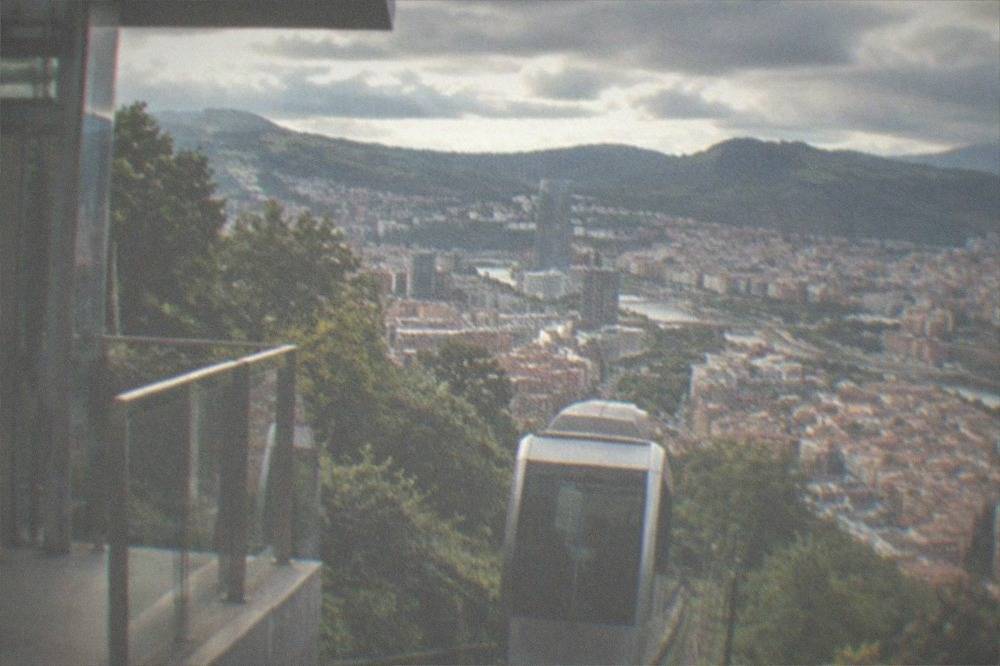
The Artxanda funicular is wheelchair accessible end to end: the lower station has ramp access with doors at least 80 cm wide, the first carriage offers level step-free boarding, and a lift at the upper station connects to the street and viewpoint with adequate turning space. One companion of a wheelchair user or blind person travels free. The ride takes about three minutes with service every 10 minutes at peak times and every 15 minutes otherwise, and the upper viewpoint looks over the whole city.
The funicular is the classic Bilbao viewpoint trip, and it is one of the few in Spain documented as fully step-free from street to summit. The upper station area around the viewpoint is paved, and accessible Bilbobus lines connect onward from the top for anyone who wants to extend the trip rather than ride straight back down. Fares are reported at EUR3.50 one-way and EUR6.00 round-trip for occasional tickets, with lower Barik and social tariffs and under-6s free, though the fares subpage was not independently content-checked, so treat those figures as commonly reported rather than official-page confirmed.
The museum situation in 2026 has one big moving part. The Bilbao Fine Arts Museum is closed from 31 August to 5 October 2026 for the final phase of its renovation and reopens on 6 October 2026, with a free entry week from 6 to 13 October. From 14 October, adult general admission is EUR12, reduced EUR6, under-18s free, and a joint Artean pass with the Guggenheim runs EUR16 general or EUR8 reduced. That reopening schedule is a single-source report, so confirm before traveling in that window. The Euskal Museoa, the Basque Museum in the Old Town, reopened on 10 June 2026 after a four-year, EUR20.3 million renovation that added more than 5,000 square meters of exhibition space, and it ran an initial free-entry period.
San Mames, the Athletic Club stadium, runs museum and tour options with self-guided audio visits in Spanish, Basque, English and French at EUR15 for adults, and guided Museum plus Tour visits at EUR22 for adults, with reduced rates for children and members. Hours run Tuesday to Sunday, 10:00 to 20:00 from March to October and 10:00 to 19:00 from November to February, closed Mondays, though tours are restricted on match days. The stadium is a modern rebuild, but specific step-free routing inside was not verified for this guide, so contact the club ahead if that visit matters. Our Bilbao museums guide covers the full lineup.
The Vizcaya Bridge at Portugalete, a UNESCO World Heritage Site inscribed in 2006 and the first industrial heritage site in Spain on the list, is reachable by metro to Areeta and carries pedestrians across the estuary on its gondola for EUR0.60 one-way in daytime hours. The upper walkway ticket is reported at EUR11 adult round-trip, EUR9 reduced, with an elevator involved, but walkway access is subject to weather and maintenance, and the fare page was not independently fetched, so check the operator's site before counting on the catwalk.
| Attraction | Accessible entry | Ticket (adult) | Notes |
|---|---|---|---|
| Guggenheim Museum Bilbao | Two dedicated entrances, loaner wheelchairs | EUR18 | Tue-Sun 10:00-19:00, to 20:00 in summer |
| Bilbao Fine Arts Museum | Reopens 6 Oct 2026 post-renovation | EUR12 from 14 Oct | Free week 6-13 Oct 2026 |
| Euskal Museoa | Reopened 10 Jun 2026, new space | Free entry period at reopening | Basque culture and history |
| Artxanda funicular | Step-free carriage, lift at summit | EUR3.50 one-way (reported) | Companion travels free |
| San Mames stadium tours | Modern stadium, confirm routing | EUR15 self-guided / EUR22 guided | Closed Mondays Nov-Feb |
| Vizcaya Bridge gondola | Gondola crossing, walkway via elevator | EUR0.60 one-way | Walkway EUR11 (reported), weather permitting |
Which Bilbao Tours Work With Reduced Mobility?
Small-group walking tours, the VIP Guggenheim experience and chef-led food walks adapt best, because each runs a fixed central route on mostly level ground and can pace to the group. A private walking tour gives full control over route and speed. Day trips by coach, such as the Rioja winery tour, involve coach steps and winery stairs, so contact the operator before booking about vehicle access and winery routing.
The chef-led gastronomical walking tour is the strongest food option for accessibility-conscious travelers: it covers central Bilbao's flat core, pairs wine with pintxos stops, and keeps a small group format where pacing is negotiable. Its price, rating and review count render from the live listing rather than being typed here.
For the museum half of a visit, the small-group Guggenheim VIP experience pairs expert guiding with a museum that is already fully step-free, which removes most of the uncertainty a guided tour usually carries. The operator's live listing carries current availability and cancellation terms.
For travelers who want structure without a fixed group, a private walking tour lets you set the route in advance: riverside promenade, Abandoibarra's museums and the accessible Old Town lanes, skipping the cobbled side streets entirely. Check availability and discuss the route with the operator when booking.
A note on the free-walk tier: the Basque Free Tour of historic Bilbao runs on GuruWalk as a free, tip-based walk, and tip-based does not mean flexible-route, so the same advice applies, contact the guru about mobility needs before joining. Our best pintxos in Bilbao guide maps the Old Town bar scene, most of which clusters on the flat ground around Plaza Nueva.
Which Day Trips From Bilbao Are Feasible With A Wheelchair?
Getxo and the Vizcaya Bridge are the most realistic accessible day trips, reachable by step-free metro in under half an hour, with the gondola crossing the estuary for EUR0.60. Gernika is reachable by regional transport on the same integrated network. Gaztelugatxe is the one headline day trip that does not work for wheelchair users: the hermitage sits atop a rocky islet reached by a long stone staircase up a causeway, with no step-free alternative, so it is a view-from-the-parking-area trip at best.
The geography decides this one. San Sebastián, Rioja and the French Basque Country are all coach-based trips, and coach accessibility was not verified for any specific operator, so treat those as bookable only after a direct conversation with the operator about vehicle ramps and winery or old-town stairs. The Bilbao to San Sebastián bus itself takes around an hour and twenty minutes on direct services, but the vehicle's access provisions are the operator's to confirm.
Getxo is the easy win. Metro Line 1 runs from central Bilbao to the Areeta area in roughly 28 to 29 minutes, entirely on the accessible metro, and the seafront promenade at Getxo is wide and level. The Vizcaya Bridge gondola, EUR0.60 one-way daytime, crosses to Portugalete with space for wheelchairs, making this the rare UNESCO site visit that works fully step-free. Our Getxo guide covers the area in detail, and the is Bilbao expensive guide helps with budgeting the transport side.
| Day trip | Transport | Realistic with a wheelchair? |
|---|---|---|
| Getxo and Vizcaya Bridge | Metro Line 1, about 28-29 min | Yes, fully step-free including gondola |
| Gernika | Regional bus/train on integrated network | Feasible, confirm vehicle access |
| San Sebastián | Direct bus, about 1h 20m | Only after confirming coach access |
| La Rioja wineries | Coach day tour, about 9 hours | Winery stairs and coach steps, ask operator |
| Gaztelugatxe | Coach tour or bus plus walk | No: long stone staircase, no step-free route |
| Biarritz and French Basque Country | Coach day tour, about 10 hours | Border and old-town terrain, ask operator |
Gaztelugatxe deserves the plain warning. The site caps visitors at 1,462 per day on controlled-access days and requires a free timed reservation via tiketa.eus during roughly mid-June to late September and Easter weekends, but no reservation system changes the stairs. The Dragonstone hermitage from Game of Thrones is reachable only on foot up the causeway, so travelers with reduced mobility should plan it as a viewpoint stop or skip it. Our Gaztelugatxe guide explains the reservation system for anyone in your party who does want the climb.
Where Should Wheelchair Users Stay In Bilbao?
Abando and Abandoibarra, the modern district between the river and the Guggenheim, are the best bases for wheelchair users: the ground is level, the riverside promenade is wide and curb-free, metro and tram stops are step-free, and the hotel stock is largely modern construction with functioning elevators and adapted rooms. Casco Viejo has more atmosphere but sits on a slope with cobbled lanes, so it works best as a day visit by metro or tram rather than a base.
The practical rule is to stay on the river. The Ensanche grid around Moyua and Gran Via is flat, wide and fully served by accessible transport, and it puts the Guggenheim, the tram, and the Fine Arts Museum all within a level roll. The where to stay in Bilbao guide breaks the districts down neighborhood by neighborhood.
Book adapted rooms directly and in writing. Spanish hotels are required to offer a proportion of accessible rooms, but "accessible" can mean a grab bar rather than a roll-in shower, so confirm the specific features, door widths, bed height, shower type, before arrival. The tourist tax point is worth knowing at booking stage: no tourist tax applies to 2026 stays, but from 1 January 2027 the Bizkaia regional tax adds EUR1 per night at pensions up to EUR5 at five-star hotels and EUR6.50 for tourist apartments, with reservations generally exempt if made before early February 2026.
What Should Wheelchair Users Know About The Airport, Weather And Money?
Bilbao Airport connects to the city center by the Bizkaibus A3247, running every 15 minutes, roughly 06:10 to 23:40 from the airport and 05:00 to 22:00 from the city, taking 15 to 25 minutes at EUR5 without a Barik card, and the airport taxi to the center runs about EUR24 to 29 with no airport supplement. There is no metro or train link to the airport, and none is expected before 2035.
The climate is temperate oceanic, with AEMET's station 1082 normals showing monthly means from 9.3 C in January to 20.9 C in August.
The rain part of that climate matters as much as the temperature: AEMET's Bilbao Aeropuerto/Loiu normals show 1,134 mm of precipitation a year, so pack rain layers year-round. The airport bus point matters for wheelchair users specifically because the A3247 is the only public link: if its low-floor provision cannot be confirmed for your travel date, budget for the taxi, whose regulated fare bands, Fare 3 daytime weekdays and Fare 4 nights and holidays, are metered with the Artxanda tunnel toll included in guidance prices. The Bilbao airport guide covers the full transfer picture.
Weather shapes the whole visit. AEMET's Bilbao Aeropuerto/Loiu normals show July and August as the warmest, driest months, at 20.4 C and 20.9 C mean with 50 mm and 76 mm of rain, while November is the wettest at 147 mm. Rain is a mobility issue as much as a comfort one, wet cobbles and tram platforms get slick, so the driest window of July-August is the easiest season for a wheelchair visit, with June and September close behind. The Bilbao weather guide has the full monthly table.
| Month | Mean temperature (C) | Precipitation (mm) | Mobility note |
|---|---|---|---|
| January | 9.3 | 120 | Cool and wet, indoor days |
| April | 12.6 | 107 | Spring rain, slick surfaces |
| July | 20.4 | 50 | Driest, easiest month |
| August | 20.9 | 76 | Warmest, occasional showers |
| September | 19.2 | 73 | Mild, good shoulder option |
| November | 12.4 | 147 | Wettest month, plan indoors |
Money is simple: Spain uses the euro, tipping is light and optional, and card payment is near-universal in Bilbao, which spares the ATM-and-cash dance. The currency and tipping guide covers the details, and Spain's Schengen membership means no border formalities for travelers from within the Schengen area.
Common Questions About Bilbao Accessibility For Wheelchair Users
FAQ
Is Bilbao Accessible For Wheelchair Users?
Yes. The metro has elevators at every station, all 141 Bilbobus buses are low-floor with ramps, the tram boards level at every stop, the Guggenheim has two accessible entrances with loaner wheelchairs, and the Artxanda funicular is step-free with a companion traveling free. The main obstacles are cobbled lanes in Casco Viejo and individual older buildings, both routable with planning.
Is The Guggenheim Museum Bilbao Wheelchair Accessible?
Fully, per the museum's own accessibility information. Two dedicated accessible entrances, large elevators between floors, loaner wheelchairs at the coatroom, accessible restrooms throughout, and wheelchair spaces with an induction loop in the auditorium. A disability discount applies with proof.
Does Bilbao Metro Have Elevators?
Yes, multiple elevators per station covering both the street-to-vestibule and vestibule-to-platform legs, plus ramps where the layout requires them, wide validators for wheelchairs, tactile paving, and reserved spaces in the first and last train cars. Metro Bilbao documents all of this in its own accessibility brochure.
Can You Visit Gaztelugatxe With A Wheelchair?
No. The hermitage is reached by a stone causeway and a long staircase with no step-free alternative. The viewpoint and visitor facilities near the parking area are the realistic limit for reduced-mobility visitors, and the site caps access at 1,462 visitors per day on controlled-access days with a free timed reservation via tiketa.eus.
Is There Accessible Transport From Bilbao Airport?
The Bizkaibus A3247 runs every 15 minutes between the airport and the city center, roughly 06:10 to 23:40 from the airport, in 15 to 25 minutes, at EUR5 without a Barik card. There is no metro or train link to the airport and none is expected before 2035, so the regulated taxi, about EUR24 to 29 to the center with no airport supplement, is the guaranteed-access fallback.
Where Is The Best Place To Stay In Bilbao With Reduced Mobility?
Abando, Abandoibarra and the Ensanche grid around Moyua: flat terrain, a wide curb-free riverside promenade, step-free metro and tram stops, and a mostly modern hotel stock. Casco Viejo is atmospheric but sloped and cobbled, better visited than based in.
The pattern across everything above is simple: Bilbao's modern layer, the metro, the buses, the tram, the riverside, the Guggenheim and the funicular, is accessible by design and documented by its operators, while the medieval layer needs routing around rather than through. Plan two or three days around the flat river corridor, use the metro's elevators for anything uphill, confirm adapted hotel features in writing, and the city opens up. For everything beyond accessibility, our first-timers guide to Bilbao and the how many days in Bilbao planner round out the itinerary, and the things to do in Bilbao roundup collects the full catalogue of tours and experiences in one place.