Bilbao Street Art
Bilbao, in the Basque Country of northern Spain, is better known for titanium curves than spray paint, but its riverside districts carry one of the most concentrated street art scenes in northern Spain.
Short answer
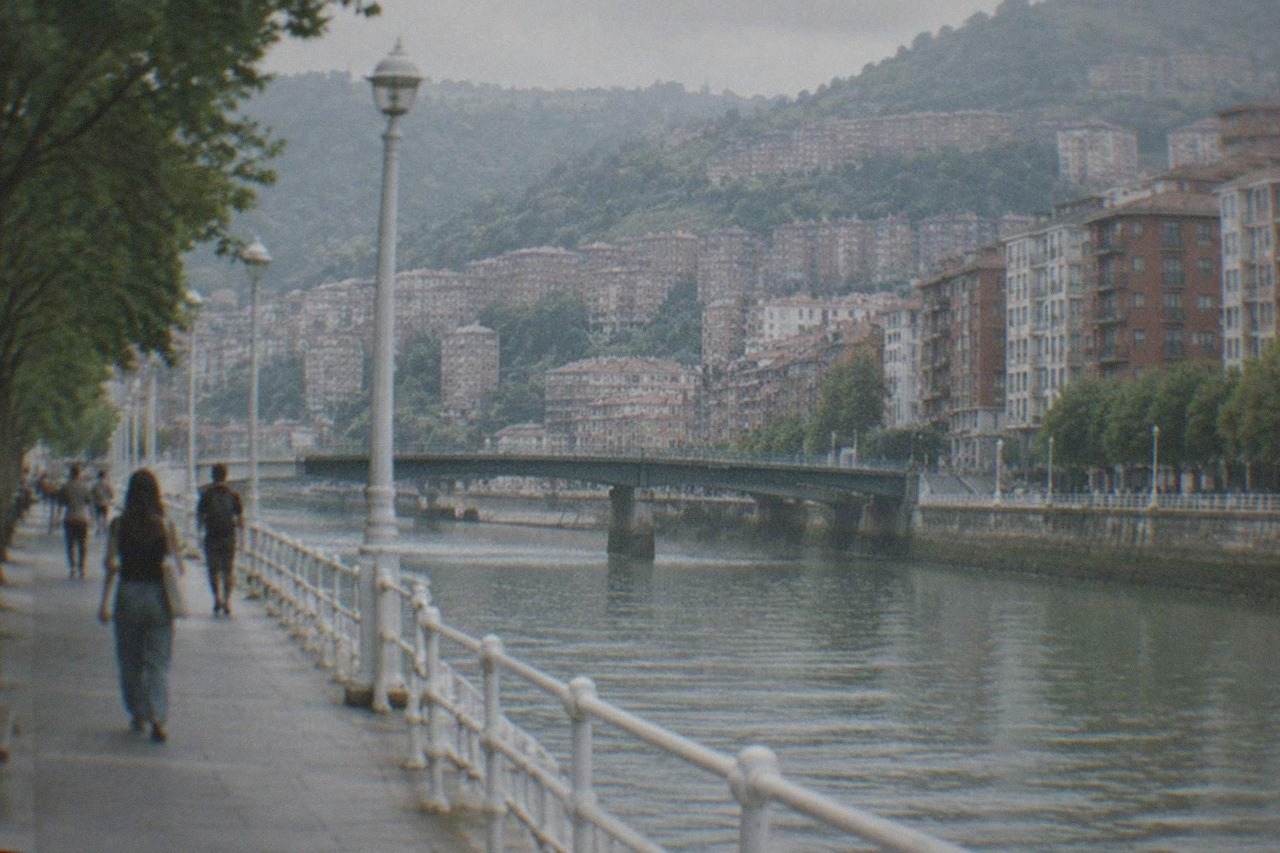
Bilbao's street art is concentrated in the central districts around the Nervion estuary, especially the areas of Bilbao La Vieja, San Francisco and Zabala, all within a short walk of Casco Viejo. It is free to see on foot at any hour, and the city's temperate oceanic climate makes most months workable, with July and August the warmest and driest.
Bilbao, the largest city in Biscay (Bizkaia) province in the Basque Country of northern Spain, spends most of its publicity budget on the Guggenheim's titanium scales, but the city's walls tell a second, unofficial story. Along the left bank of the Nervion estuary, in the old working-class districts that the museum boom largely bypassed, murals, stencils and full building-height paintings have accumulated into a scene that costs nothing to enter and needs no ticket, no queue and no audio guide. This guide, from the Bilbao Travel Guide editorial desk, lays out where the paint actually is, how to move between the districts on the city's cheap integrated transport, what a full day of mural hunting costs, and how to fold it into a wider Bilbao itinerary that also takes in pintxos, museums and the coast.
Where To Find The Best Street Art In Bilbao?
The densest concentration of street art in Bilbao sits in the central riverside districts of Bilbao La Vieja, San Francisco and Zabala, on the left bank of the Nervion estuary directly opposite Casco Viejo, with further murals scattered through the Seven Streets of the Old Town and along the embankments toward Abandoibarra. All of it is outdoors, free and viewable at any hour, and the whole core is compact enough to cover on foot in a morning.
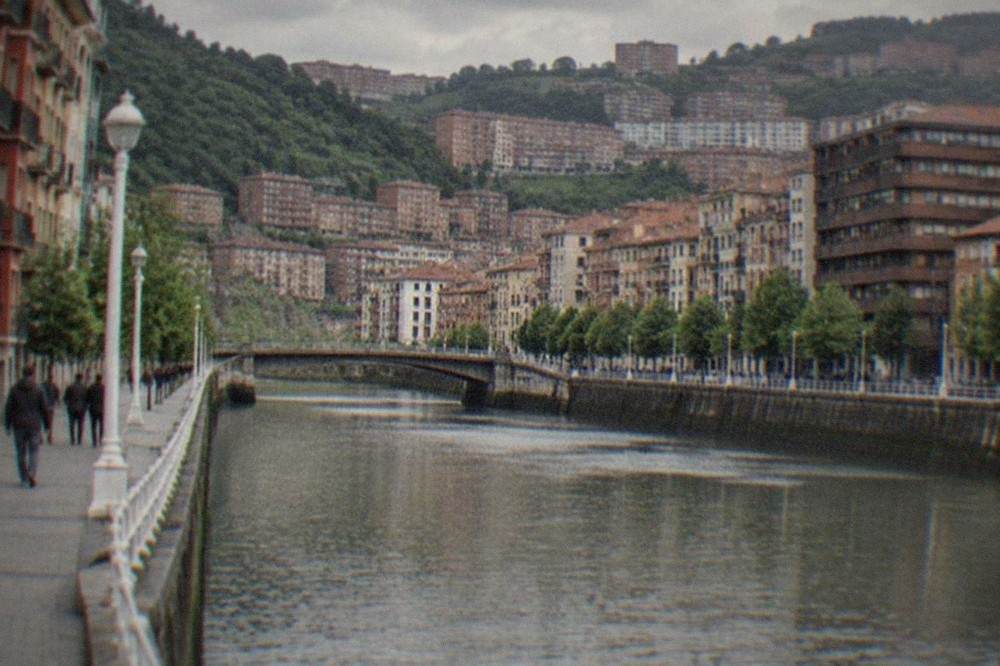
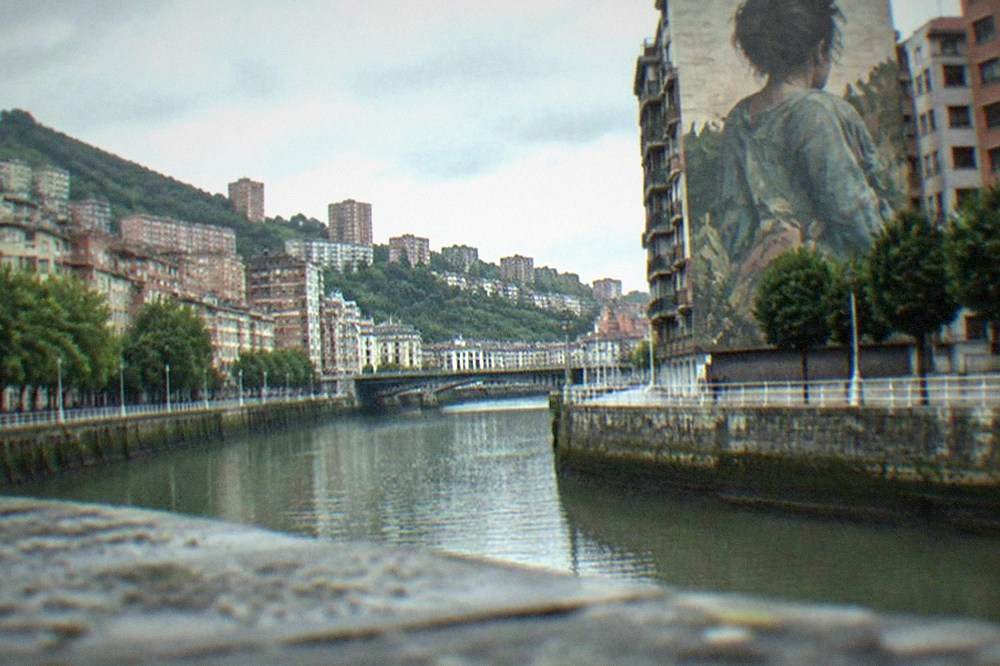
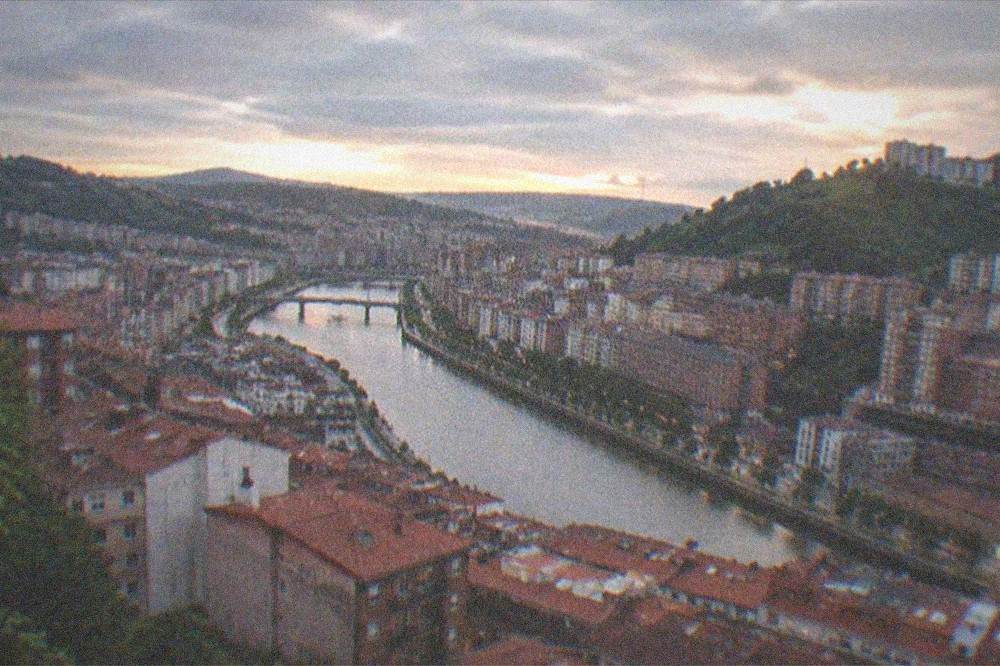
Bilbao's street art geography is unusually legible. The city never commissioned a single official mural district; instead, artists claimed the party walls, shutters and ground-floor roll-ups of the cheapest real estate, which in Bilbao means the streets just across the river from the postcard Old Town. A visitor standing on one of the bridges that cross the estuary at Casco Viejo can see the whole scene laid out: gabled Old Town on one bank, painted facades on the other.
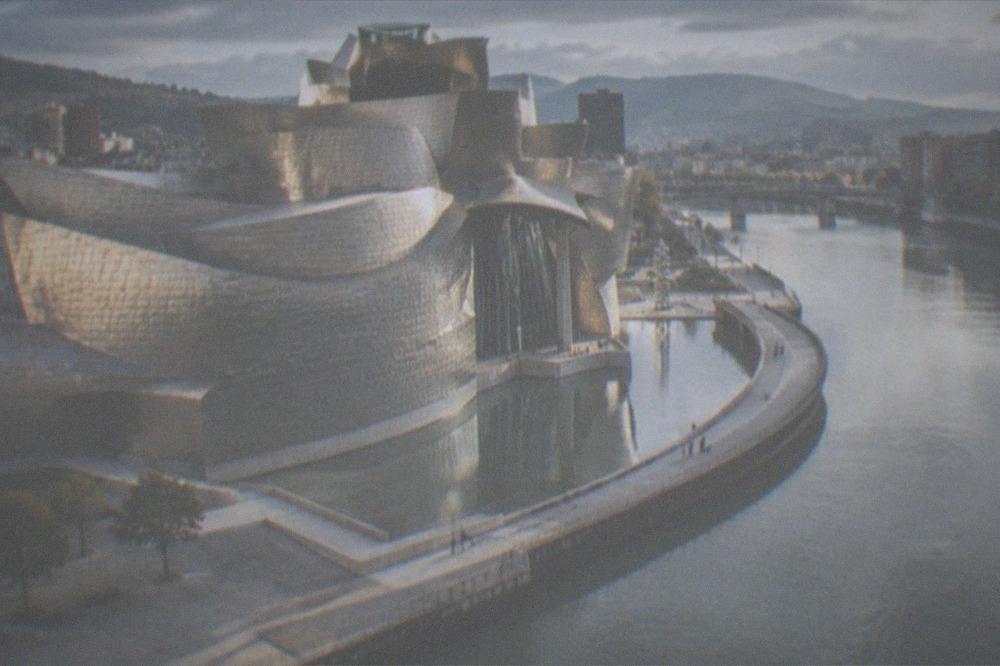
The contrast is the point. The Guggenheim side of the city delivers architecture as spectacle, priced at 18 EUR for an adult ticket, while the left bank delivers it for nothing. That pairing, one expensive icon and one free open-air gallery, is what makes a street art walk a genuinely useful half-day for visitors who have already done the museums or who are traveling on a budget. For a fuller picture of the city's headline attractions, see things to do in Bilbao.
A sensible walking order, since the districts run into each other, is to start at the Casco Viejo side, cross the first footbridge, work through Bilbao La Vieja and San Francisco, then follow the river back toward the Euskalduna and Abandoibarra stretch, where the occasional commissioned piece appears among the newer buildings. Nothing on this route needs a car, a tour bus or a reservation.
Is Bilbao's Street Art Free To See, And How Do You Get Between The Districts?
Every mural and painted wall described in this guide is free to see, because all of it is on public streets. The districts sit within Metro Zone 1, where a Barik Creditrans fare costs 1.02 EUR per ride, a single ticket without a Barik card costs 2.00 EUR with two hours of validity, and the Bilbao Tram charges 0.74 EUR with Barik or around 2.00 EUR as an occasional single.
The practical answer is that walking beats transit for the core districts: Bilbao La Vieja, San Francisco and Zabala are each five to ten minutes on foot from Casco Viejo station, and the whole mural area folds into a loop of barely two kilometres. Transit earns its fare on the extensions, the tram along the river toward Abandoibarra and the Basque Museum, or the metro if the weather turns. The CTB Barik fares page gives those zonal prices directly, and a Barik card, commonly reported to cost 3 EUR to buy with a minimum top-up around 5 EUR, pays for itself after a handful of rides.
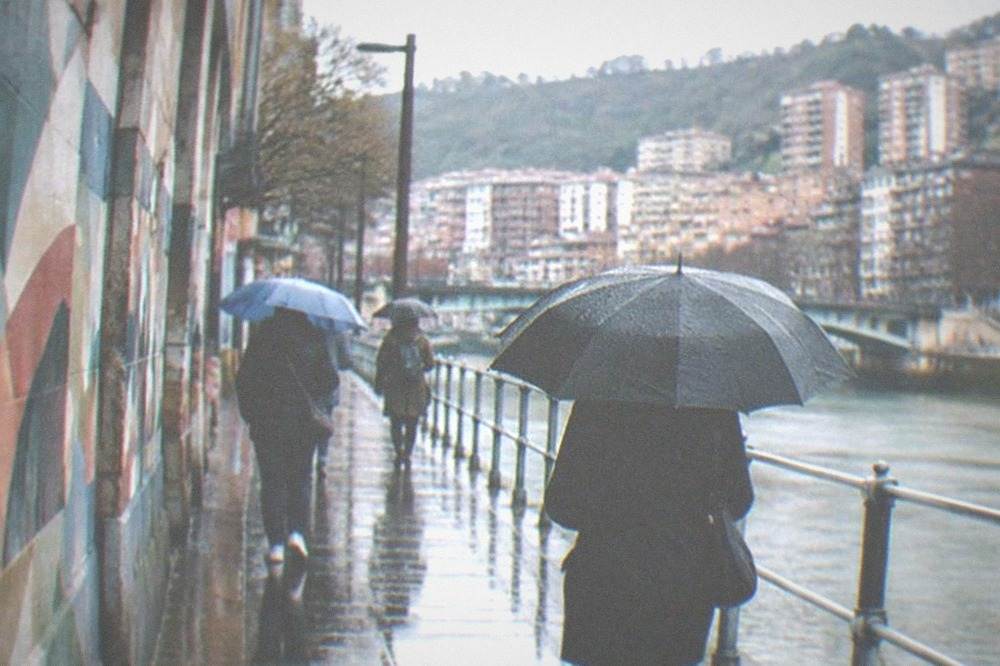
The city's climate is the other variable. AEMET's Bilbao Aeropuerto/Loiu station (1082) normals show a temperate oceanic pattern: a July mean of 20.4 C and only 50 mm of rain, against a November mean of 12.4 C and 147 mm, the wettest month of the year. A street art walk in November will happen between showers; the same walk in July or August, when the mean climbs to 20.9 C, is close to guaranteed dry. Rain here is a scheduling problem, not a cancellation, and the full monthly picture is in the Bilbao weather guide.
| Transport option | With Barik Creditrans | Without Barik | Notes |
|---|---|---|---|
| Metro Bilbao, Zone 1 | 1.02 EUR | 2.00 EUR | 2-hour validity on the single ticket |
| Metro Bilbao, Zone 2 | 1.19 EUR | 2.20 EUR | Covers Getxo and the right-bank suburbs |
| Bilbao Tram (Euskotren Tranbia) | 0.74 EUR flat | around 2.00 EUR | Runs along the river past Abandoibarra |
| Bilbobus city bus | 0.73 EUR base | 1.70 EUR | Whole fleet low-floor and accessible |
| Funicular de Artxanda | lower with Barik | 3.50 EUR one-way, 6.00 EUR return | Reported fares; under-6s free |
Those fares come from the CTB and city pages, and the Funicular figures are single-source reported fares rather than an independently rechecked page, so treat them as indicative. If you plan to ride a lot, the Bilbao Bizkaia Card, at 10 EUR for 24 hours, 15 EUR for 48 or 20 EUR for 72, bundles unlimited transport with attraction discounts and can work out cheaper than paying per ride.
What Areas Of Bilbao Are Known For Murals And Graffiti?
Bilbao La Vieja is the city's clearest mural district, with San Francisco immediately south of it and Zabala to the east; together they form a single walkable triangle opposite Casco Viejo. Secondary concentrations appear in the Seven Streets of the Old Town, on shutters and small walls, and along the Abandoibarra riverside, where newer commissioned pieces sit among the Guggenheim-era buildings.
Bilbao La Vieja is where the scene started and where it still runs deepest. This is the city's oldest neighborhood on the left bank, historically the workers' quarter, and its narrow grid of streets carries the highest density of painted walls in the city. The scale runs from small stencil work on door frames to pieces that cover an entire gable. Because the district is small and the streets run at angles, the productive way to see it is without a route: walk in, follow whatever wall catches your eye, and let the streets do the sorting.
San Francisco, immediately to the south, is rougher-edged and more layered. The area around the Ribera Market side and the streets climbing away from the river mixes long-standing pieces with fast-changing tags, and the turnover is part of the appeal: a wall photographed one month may be repainted the next. Visitors should apply normal city awareness here, as anywhere, and the safety in Bilbao guide covers the city's generally low-risk picture, with thefts the dominant category of street crime in the 2025 municipal data.
Zabala, the smaller wedge between the two, holds quieter residential streets with a scattering of larger walls. The Old Town across the river adds smaller-format work, much of it on shop shutters, which means it appears in the morning and vanishes when businesses open. Abandoibarra, the redeveloped riverside strip that holds the Guggenheim, is where the scene's more official face shows up: cleaner, commissioned, corporate-adjacent, and a useful contrast to close the loop.
| District | Character of the walls | Best time of day | Nearest transit |
|---|---|---|---|
| Bilbao La Vieja | Highest density, gable-height murals and stencils | Morning light on east-facing walls | Casco Viejo metro, 5-10 min walk |
| San Francisco | Layered, fast-changing, mixed with tags | Afternoon, when shutters are up | Ribera / Casco Viejo side |
| Zabala | Quieter residential streets, larger isolated walls | Any daylight hour | Casco Viejo metro |
| Casco Viejo (Seven Streets) | Small-format work on shutters and doorways | Early morning before shops open | Casco Viejo metro |
| Abandoibarra riverside | Commissioned, larger, cleaner pieces | Late afternoon into golden hour | Tram along the river |
The famous street in Bilbao answer page covers the Old Town's headline lanes if you want to extend the walk into the postcard side after the paint.
How Much Does A Street Art Day In Bilbao Cost?
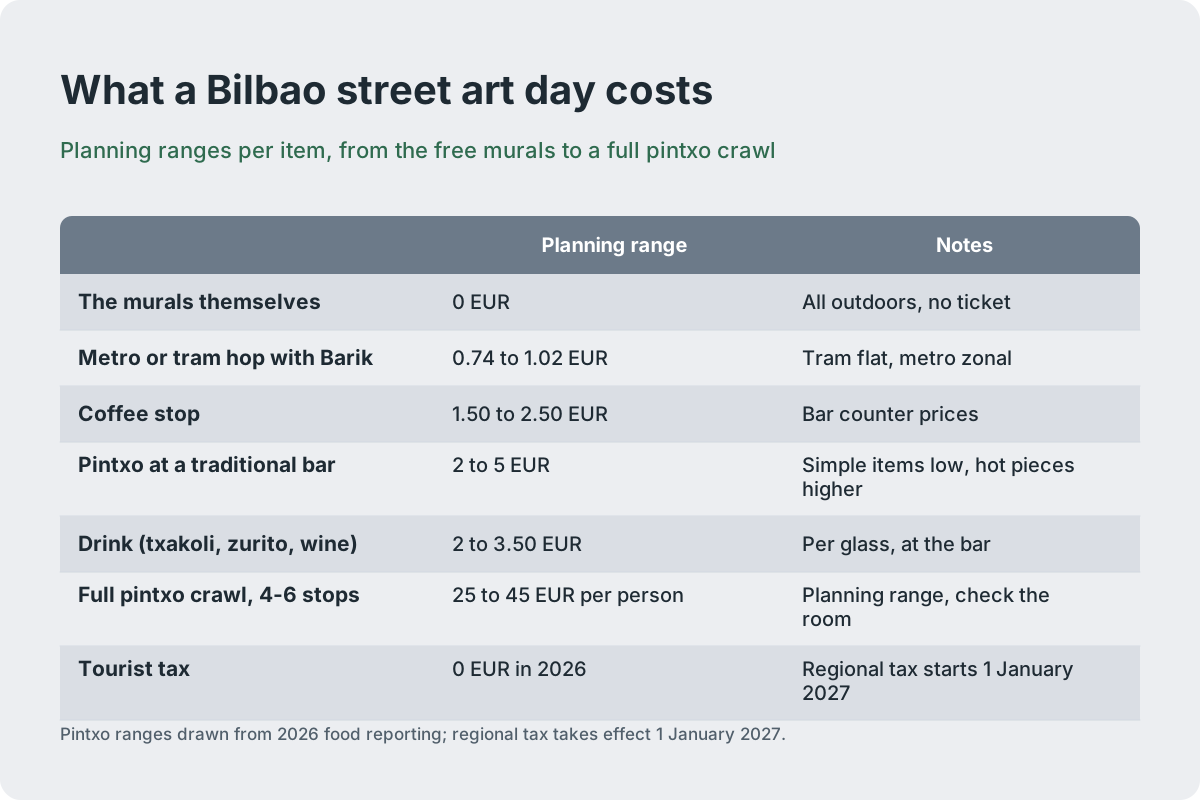
The walk itself costs nothing, so a street art day in Bilbao is priced almost entirely by what you attach to it: a Barik-funded metro or tram ride runs 0.74 to 1.02 EUR per hop, a pintxo at a traditional bar typically runs 2 to 5 EUR with drinks around 2 to 3.50 EUR, and a full crawl of four to six pintxos with drinks lands around 25 to 45 EUR per person, figures to check in the room rather than promise.
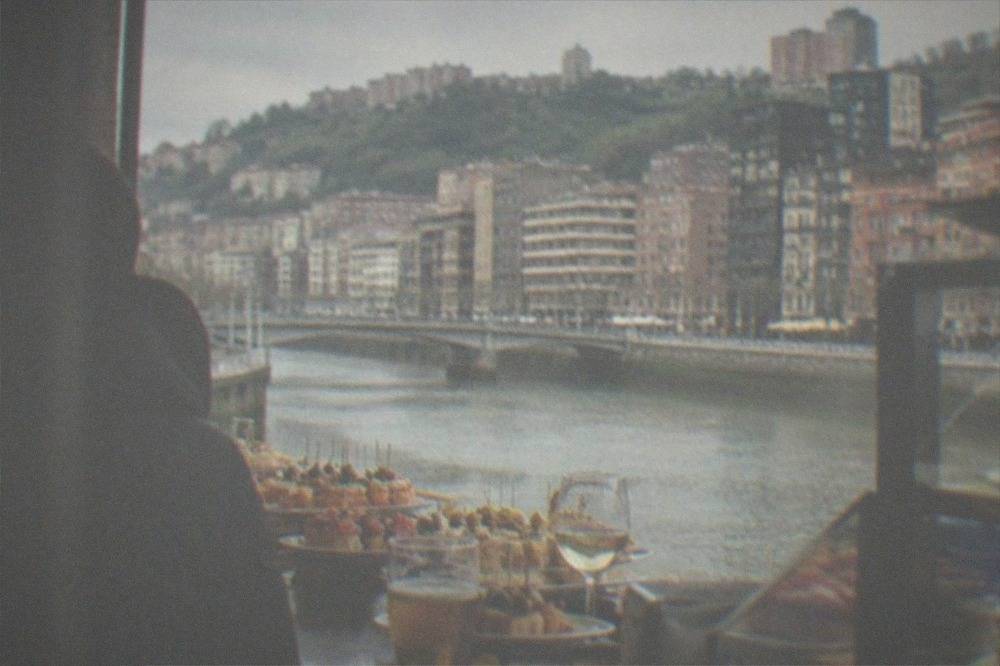
Because the core districts are walkable, the honest floor for the day is the price of a coffee. The moment you start adding Bilbao's other currency, pintxos, the budget climbs fast, and this is where the city rewards planning. The best pintxos in Bilbao guide maps the bars around Plaza Nueva, which sits conveniently on the edge of the mural triangle, so a walking route that ends there turns a free activity into a cheap meal without a detour.
The pintxo price ranges above are planning ranges drawn from 2026 food reporting, not promises: counter items at traditional bars commonly sit at the low end, and elaborate hot pieces or premium Plaza Nueva preparations push toward the top. A morning walker who eats two pintxos and a zurito mid-route, then a longer lunch crawl, will spend less than a sit-down restaurant meal and see more of the city. The is Bilbao expensive guide puts those food costs in the context of hotels and attractions.
One 2027 note belongs in any budget: Bilbao currently charges no tourist tax, and 2026 visitors pay none. The Bizkaia regional tax under Norma Foral 3/2026, with Bilbao's own rates running from 1 EUR per night at pensions to 5 EUR at five-star hotels and 6.50 EUR for tourist apartments, takes effect on 1 January 2027, so bookings for next year should expect a small per-night addition. That is an accommodation cost, not a walking cost, but it changes the arithmetic of a budget trip from next New Year's Day.
| Item on a street art day | Typical planning range | Notes |
|---|---|---|
| The murals themselves | 0 EUR | All outdoors, no ticket |
| Metro or tram hop with Barik | 0.74 to 1.02 EUR | Tram flat, metro zonal |
| Coffee stop | 1.50 to 2.50 EUR | Bar counter prices |
| Pintxo at a traditional bar | 2 to 5 EUR | Simple items low, hot pieces higher |
| Drink (txakoli, zurito, wine) | 2 to 3.50 EUR | Per glass, at the bar |
| Full pintxo crawl, 4-6 stops | 25 to 45 EUR per person | Planning range, check the room |
| Tourist tax | 0 EUR in 2026 | Regional tax starts 1 January 2027 |
When Is The Best Weather For A Bilbao Street Art Walk?
July and August are the best months for a Bilbao street art walk, with AEMET's station 1082 normals showing means of 20.4 C and 20.9 C and the year's lowest rainfall at 50 mm and 76 mm respectively; June and September are close behind, while November is the wettest month at 147 mm and January the coolest at 9.3 C, so winter walks are possible but need rain cover.
Bilbao's climate is temperate oceanic, Atlantic-influenced, and the honest local advice is that it rains in every season: 1,134 mm across the year, spread so that even the driest month carries 50 mm. What changes month to month is the frequency and warmth, not the possibility. A July walk is warm, bright and effectively dry; a November walk happens in the gaps between showers, which on a compact mural route is workable, because the districts are dense enough that you are never more than a bar doorway away from cover.
The practical read of the table below: book the trip for July or August if the walk is the priority, accept June or September happily if fares or crowds argue for them, and treat October through January as weather-flexible months where the murals look their most atmospheric but the umbrella earns its place. Rain also changes the photography, wet cobbles and saturated paint read well, so the off-season has genuine fans.
| Month | Mean temperature | Mean rainfall | Walking verdict |
|---|---|---|---|
| January | 9.3 C | 120 mm | Cool and wet, cover needed |
| March | 11.5 C | 90 mm | Fresh, workable |
| May | 15.7 C | 78 mm | Comfortable |
| July | 20.4 C | 50 mm | Best of the year |
| August | 20.9 C | 76 mm | Warm, mostly dry |
| September | 19.2 C | 73 mm | Excellent, quieter |
| November | 12.4 C | 147 mm | Wettest month, plan around showers |
If the forecast collapses a walking day entirely, the museum alternatives in the Bilbao museums guide, including the Fine Arts Museum which reopened on 6 October 2026 after its renovation with a free entry week from 6 to 13 October, give the afternoon somewhere dry to go.
Can You Combine Street Art With Food And Museums In Bilbao?
Yes, and the combination is the natural shape of a Bilbao day: the mural districts sit directly opposite the Old Town's pintxo bars, the tram links them along the river to the Guggenheim at 18 EUR adult admission, and a chef-led food and wine walking tour, priced on the operator's live listing, covers the eating half while you walk the painted half yourself.
The geography does the combining for you. A morning loop of Bilbao La Vieja and San Francisco ends at the Ribera Market side of the river, from which the Seven Streets and Plaza Nueva are a single bridge away. Lunch there, then either the tram or a riverside walk delivers you to Abandoibarra for the Guggenheim or the museums cluster. One compact corridor holds the free art, the paid art and the food, which is why Bilbao rewards a single well-planned day more than most cities of its size.
For visitors who would rather have the eating half explained than self-assembled, the chef-led gastronomical walking tour pairs Basque food with wine pairings along a route through the central districts, and its price, rating and duration render on the operator's live listing rather than being quoted here. It is a food tour rather than a street art tour, but the two activities share the same streets, so a morning of murals plus an afternoon tour of bars is a genuinely coherent day rather than a compromise.
The museums half has its own 2026 wrinkles worth knowing. The Fine Arts Museum's post-renovation general admission is 12 EUR for adults from 14 October, with a joint Artean pass with the Guggenheim at 16 EUR general, and the Euskal Museoa reopened on 10 June 2026 after a four-year, 20.3-million-euro renovation. The Bilbao museums guide sequences all of them. And if the day runs long, the Bilbao nightlife guide picks up where the pintxo bars hand over to the late venues.
What Day Trips From Bilbao Mix Street Art With The Coast?
The strongest day trips from Bilbao pair the city's murals with the Basque coast: San Sebastián is about 1 hour 20 minutes by direct bus, Getxo and the Vizcaya Bridge are 20 to 29 minutes by metro, and Bermeo, the fishing port nearest to the Gaztelugatxe hermitage, is about 1 hour 21 minutes by Euskotren train, so a coastal half-day fits easily around a mural morning.
Bilbao works as a base precisely because the coast is close. The best base in the Basque Country case is made in full elsewhere on this site, but the short version is that a visitor can walk painted walls in the morning and stand on a cliff by mid-afternoon. The Vizcaya Bridge at Portugalete, a UNESCO World Heritage Site since 2006 and the first industrial heritage site in Spain on the list, is the easiest tie-in: the metro reaches the Getxo side in under half an hour, the gondola crossing costs 0.60 EUR one-way on foot in daytime, and the walkway ticket is reported at 11 EUR adult round-trip.
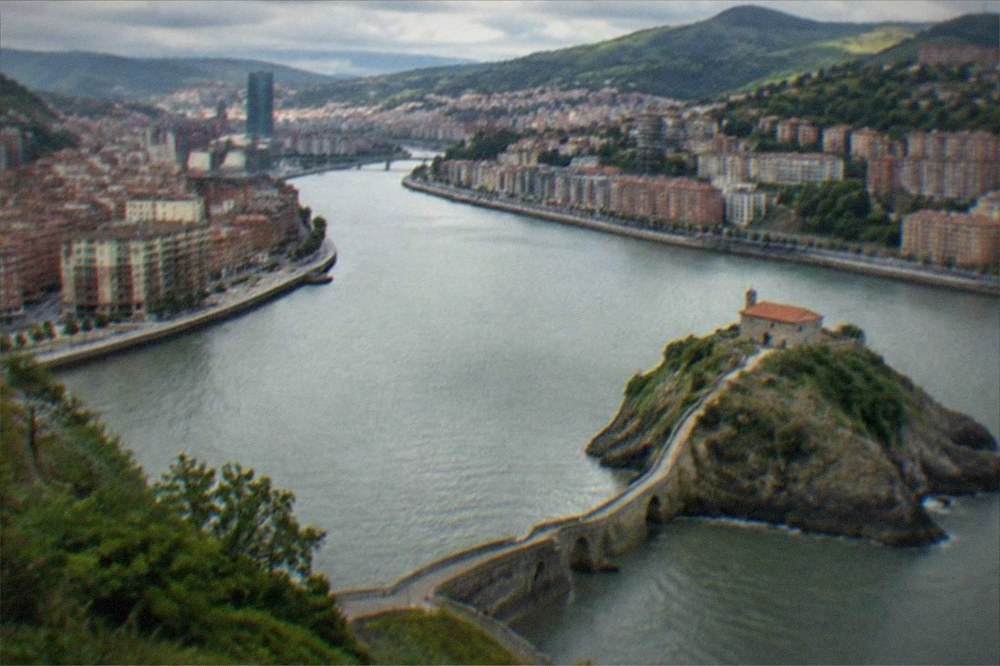
Gaztelugatxe, the islet hermitage reached by a stone causeway and steps, is the headline coastal sight. A free timed reservation is required only on official controlled-access days, roughly mid-June to about 20 September plus Easter and holiday weekends per the yearly calendar, with a daily cap of 1,462 visitors on those days and booking always free via tiketa.eus for up to 10 people. Outside controlled days it is free without a reservation, and as of the most recent reporting access reverted to free from 21 September 2026 through the end of September. The Gaztelugatxe guide carries the full calendar detail.
Two organized options render their own prices and ratings from the live listings: a tour that bundles Dragonstone, Mundaka and Guernica with lunch included, and a guided Gaztelugatxe, Bermeo and Gernika tour with access arranged. Both suit travelers who want the coast handled rather than self-driven.
The first of those two is the one that folds most neatly into a street-art-led trip: it leaves late enough to walk the murals in the morning, and it returns in time for an evening in the Old Town bars. The second, a guided access tour, leans on the operator's own arrangement of the controlled-access reservation, which matters if your travel dates land on one of the peak controlled days in July or August.
| Coastal destination | Public transport from Bilbao | Typical one-way time | What you get |
|---|---|---|---|
| Getxo and Vizcaya Bridge | Metro Line 1 | 20 to 29 minutes | UNESCO bridge, promenade, beach |
| Portugalete | Metro, right bank | around 30 minutes | The bridge's historic dockside |
| Bermeo | Euskotren from Casco Viejo | about 1 hour 21 minutes | Working fishing port |
| Mundaka | Euskotren via Bermeo | about 1 hour 16 minutes | Surf town and estuary views |
| San Sebastián | Direct bus from Intermodal | about 1 hour 20 minutes | Beaches, old town, pintxos |
The San Sebastian day trip guide covers the biggest of these, and the getting around Bilbao transport guide explains the Barik card mechanics that make all of them cheap.
How Many Days Do You Need For Bilbao's Street Art And Its Surroundings?
One focused morning covers the mural districts themselves, two comfortable days add the Old Town, pintxos and the Guggenheim, and three days let you add a coastal day trip to Gaztelugatxe or Getxo, so the honest answer is one day for the paint, two for the city, three for the city plus coast.
The mural walk is a half-day activity, and treating it as more dilutes it. What scales is everything around it. The how many days in Bilbao guide works through the trade-offs in detail, but the pattern that fits a street-art-led trip is simple: day one, murals in the morning and museums after lunch; day two, Old Town, Ribera Market and a food tour; day three, the coast. Visitors with a free late-August window should check the Aste Nagusia festival guide, since the 2026 edition ran 22 to 30 August and the festival's txosnas and street programming flood the same central districts with a different kind of outdoor spectacle.
For lodging, the mural districts themselves sit closest to budget and mid-range options, and the where to stay in Bilbao guide maps the neighborhoods against hotel price tiers, useful reading before the 2027 tax changes the per-night arithmetic. Solo travelers and visitors with accessibility needs have dedicated pages on this site covering routes, transport access and the city's low-floor Bilbobus fleet.
Common Questions About Bilbao Street Art
Is Bilbao street art free to see?
Yes. All of the murals and painted walls in Bilbao's central districts are on public streets and cost nothing to view. The only costs are the transit you use to reach them, from 0.74 EUR by tram with a Barik card, and whatever you spend on food and drink along the way.
Where is Bilbao street art concentrated?
The densest concentration is in Bilbao La Vieja, San Francisco and Zabala, the left-bank districts directly opposite Casco Viejo. Secondary work appears on Old Town shutters and along the Abandoibarra riverside near the Guggenheim.
How long does a Bilbao street art walk take?
The core mural districts fold into a loop of roughly two kilometres, so a comfortable walk with photo stops takes a morning, around two to three hours. Adding the Old Town and the Abandoibarra riverside stretches it into a full day at a relaxed pace.
What is the best month for a Bilbao street art walk?
July and August, when AEMET's station 1082 normals show means of 20.4 C and 20.9 C and the year's lowest rainfall at 50 mm and 76 mm. June and September are close behind, while November, the wettest month at 147 mm, needs rain cover.
Is the street art area of Bilbao safe?
Bilbao ranks among Spain's safer major cities, and 2025 municipal data shows thefts dominating street crime rather than violence. Normal city awareness applies in the mural districts as anywhere, particularly in crowds around Ribera Market and Casco Viejo.
Can you combine Bilbao street art with a food tour?
Yes. The mural districts sit directly opposite the Old Town's pintxo bars, and a chef-led gastronomical walking tour covers the eating half of the day, with its price and rating shown on the operator's live listing, while you walk the painted half on your own.
Bilbao's street art costs nothing, sits ten minutes from the city's most expensive icon, and turns a district most itineraries skip into the most photogenic free morning in the Basque Country. Walk it in July, eat across the bridge at noon, and let the coast have the afternoon.