Bilbao For Students
Bilbao is a compact, affordable Basque city where students get Guggenheim art for 9 euro, pintxos for a few coins and a metro that costs just over 1 euro with a Barik card.
Short answer
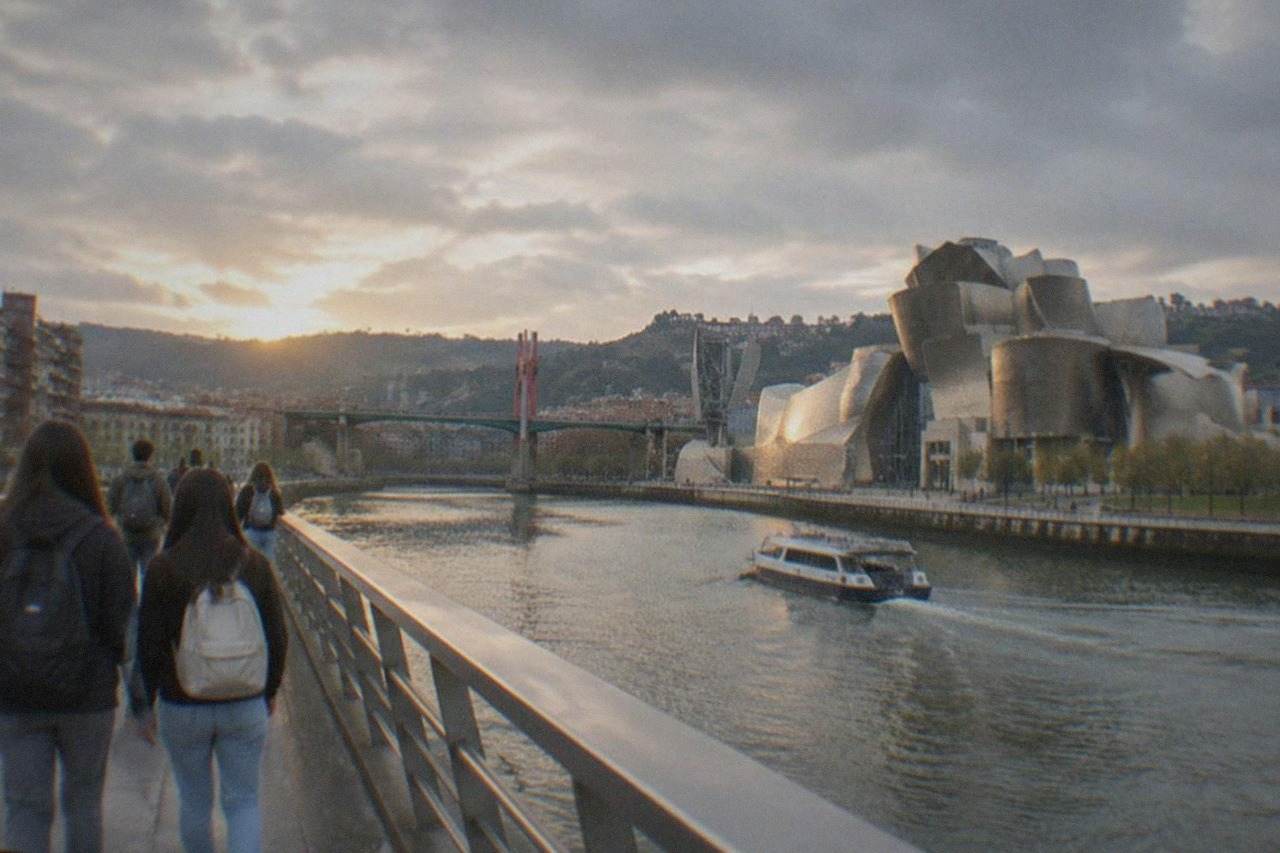
Bilbao suits students because it is walkable, cheap by northern-Spain standards, and dense with free-to-roam culture: the Casco Viejo, the riverside, the pintxos bars of Plaza Nueva and a metro fare of 1.02 euro with a Barik card. The Guggenheim charges students 9 euro, the city's two big festivals are free to attend, and the whole Basque coast is reachable by train.
Bilbao, the largest city in the Basque Country (Euskadi) in northern Spain, is one of Europe's most underrated student cities. It sits on the tidal Nervion estuary about 15 km from the Bay of Biscay, it holds a population of 346,933 residents as of 1 January 2025 per Eustat's municipal register, and it packs a Guggenheim, a UNESCO-listed bridge, a nine-day festival and a surf coast into a footprint you can cross by metro in half an hour. This guide, from the Bilbao Travel Guide editorial desk, lays out the practical side of student life here: what things cost, how to move around, where to eat cheaply and where to go when the weekend arrives.
Why Is Bilbao A Good Student City?
Bilbao works for students because it combines a serious cultural offer with genuinely low running costs: the metro's Zone 1 Creditrans fare is 1.02 euro, the Guggenheim's own site lists a 9 euro student ticket for visitors aged 18 to under 26, and the city's biggest festival, Aste Nagusia, is free to attend in the streets. Add a walkable centre, a temperate oceanic climate and a coast reachable by train, and the study-abroad arithmetic tilts strongly in Bilbao's favour.
The cultural density is unusual for a city of this size. The Guggenheim Museum Bilbao anchors the Abandoibarra riverside, the Fine Arts Museum sits beside it in Dona Casilda park, and the Casco Viejo's seven streets hold everything else, from the Ribera market to the Arriaga theatre. None of it requires a car. The estuary runs through the middle of it all, which means the walk between lectures, museums and bars is the same walk.
The climate matters more than students expect. AEMET's Bilbao Aeropuerto/Loiu (station 1082) normals show an annual mean of 14.7 C and 1,134 mm of rain a year: this is a temperate oceanic, Atlantic-influenced climate, not Mediterranean, so pack for drizzle as much as sunshine. July and August are the warmest and driest months, with means of 20.4 C and 20.9 C and 50 to 76 mm of rain; November is the wettest at 147 mm. Our Bilbao weather guide and the packing advice page cover the wardrobe consequences in detail.
| Month | Mean temp (C) | Rain (mm) | Student reality |
|---|---|---|---|
| January | 9.3 | 120 | Coat weather, indoor museums |
| March | 11.5 | 90 | Semester midpoint, drizzle |
| May | 15.7 | 78 | Terrace season begins |
| July | 20.4 | 50 | Warmest, driest month |
| September | 19.2 | 73 | Warm sea, new semester |
| November | 12.4 | 147 | Wettest month, exam season |
Where Should Students Live In Bilbao?
Most students base themselves in Bilbao's central districts, Casco Viejo, Abando, Indautxu and the riverside Abandoibarra strip, because everything academic and social sits within a 30-minute walk or a single metro hop. The CTB's zonal fare structure rewards this: a Zone 1 Barik Creditrans trip costs 1.02 euro, so living centrally keeps both rent pressure and transport costs inside a student budget.
Casco Viejo, the Old Town, is where the pintxos bars, the Ribera market and the cheapest characterful flats cluster, and it is loud on weekend nights, which cuts both ways. Abando and Indautxu, the Ensanche grid west of the river, are quieter, better connected and closer to the main train and bus interchanges. Deusto, upriver, sits beside the university campus of the same name and trades nightlife for calm.
Choosing a base is really a question of what a semester is for. Students who want the festival atmosphere and late-night txikiteo crawls should look east to the seven streets; students who want sleep and a short commute should look at the Ensanche. The trade-offs are laid out in our where to stay in Bilbao guide, and the is Bilbao expensive page puts the overall cost picture in context.
One planning note that no other student guide will have yet: a Bizkaia-wide regional tourist tax takes effect on 1 January 2027 under Norma Foral 3/2026, with Bilbao's approved municipal rates running from 1 euro per night in pensions up to 5 euro in 5-star hotels and 6.50 euro for tourist apartments. Visitors in 2026 pay no tourist tax at all, so a short-let booked for a 2026 semester costs less on the invoice than the identical booking in 2027.
How Much Does Student Life In Bilbao Cost?
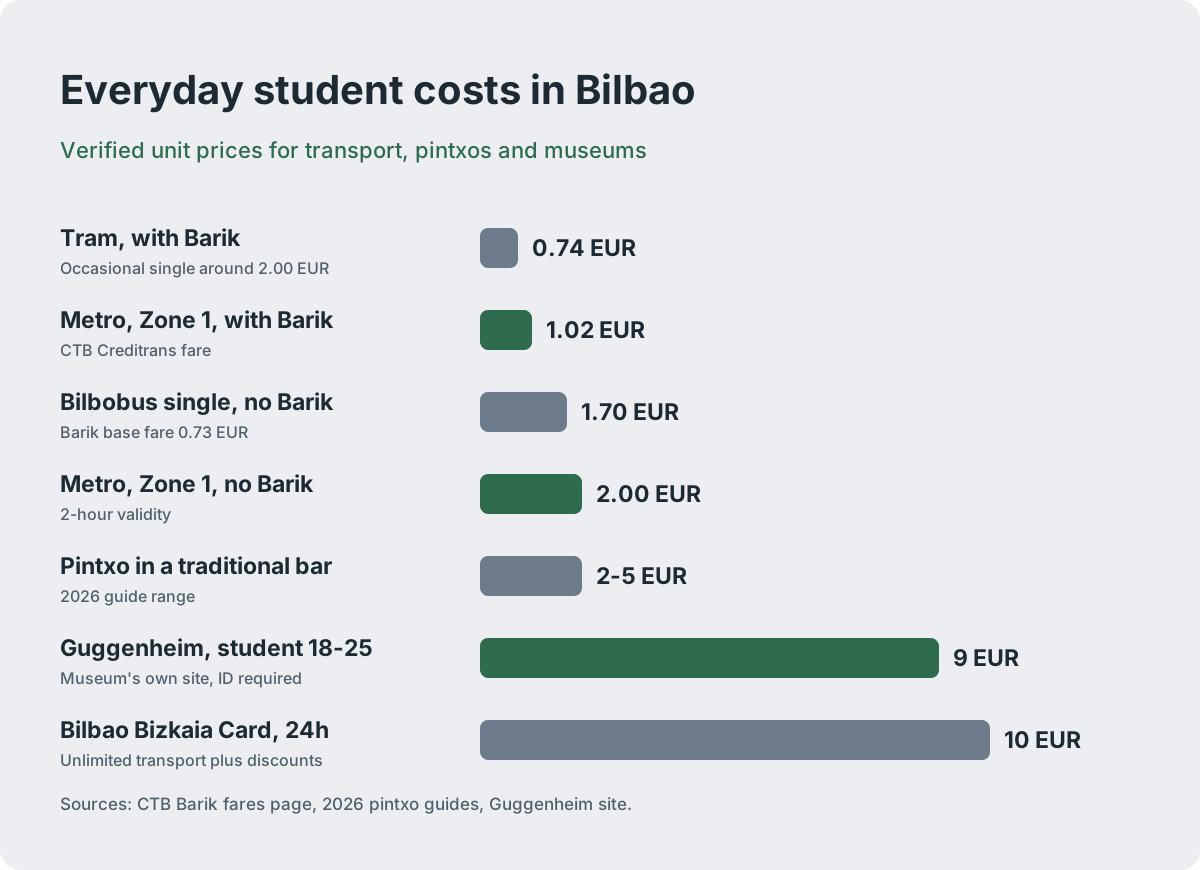
A student in Bilbao can run on verified unit prices that are low by northern-Spain standards: 1.02 euro metro rides with a Barik card, 1.70 euro Bilbobus singles without one, pintxos at roughly 2 to 5 euro each in traditional bars, and a 9 euro student ticket to the Guggenheim. The Bilbao Bizkaia Card adds unlimited transport at 10 euro for 24 hours, 15 euro for 48 or 20 euro for 72, which suits visiting friends more than residents.
The single most important purchase is the Barik card itself. The CTB's Barik fares page gives Creditrans prices of 1.02 euro for one metro zone, 1.19 for two and 1.30 for three, against 2.00, 2.20 and 2.25 euro for occasional tickets bought without the card. The card is commonly reported to cost 3 euro to buy, non-refundable, though that purchase price comes from secondary sources rather than an official CTB page. Either way it pays for itself within a handful of journeys.
Food is where the budget bends rather than breaks. Recent 2026 guides put traditional pintxos at roughly 2 to 5 euro per piece in most bars, with a full crawl of four to six items plus drinks landing around 25 to 45 euro per person, and drinks at 2 to 3.50 euro. A student who cooks at home from the Ribera and Ensanche markets and saves the bars for Thursdays lives very differently from one who eats out nightly. Our Bilbao food guide and best pintxos in Bilbao pages hold the bar-by-bar detail.
| Everyday item | Price | Notes |
|---|---|---|
| Metro, Zone 1, with Barik | 1.02 EUR | CTB Creditrans fare |
| Metro, Zone 1, no Barik | 2.00 EUR | 2-hour validity |
| Bilbobus single, no Barik | 1.70 EUR | Barik base fare 0.73 EUR |
| Tram, with Barik | 0.74 EUR | Occasional single around 2.00 EUR |
| Pintxo in a traditional bar | 2-5 EUR | 2026 guide range |
| Guggenheim, student 18-25 | 9 EUR | Museum's own site, ID required |
| Bilbao Bizkaia Card, 24h | 10 EUR | Unlimited transport plus discounts |
Museums reward the student card. The Guggenheim's own site lists adults at 18 euro and students aged 18 to under 26 at 9 euro, with under-18s free and all tickets including the audio guide. The Fine Arts Museum is closed for its final renovation phase until 6 October 2026, reopening with a free entry week from 6 to 13 October, and reported post-reopening admission from 14 October is 12 euro general with a 16 euro joint Artean pass covering the Guggenheim too. The museums guide tracks the full list.
How Do Students Get Around Bilbao?
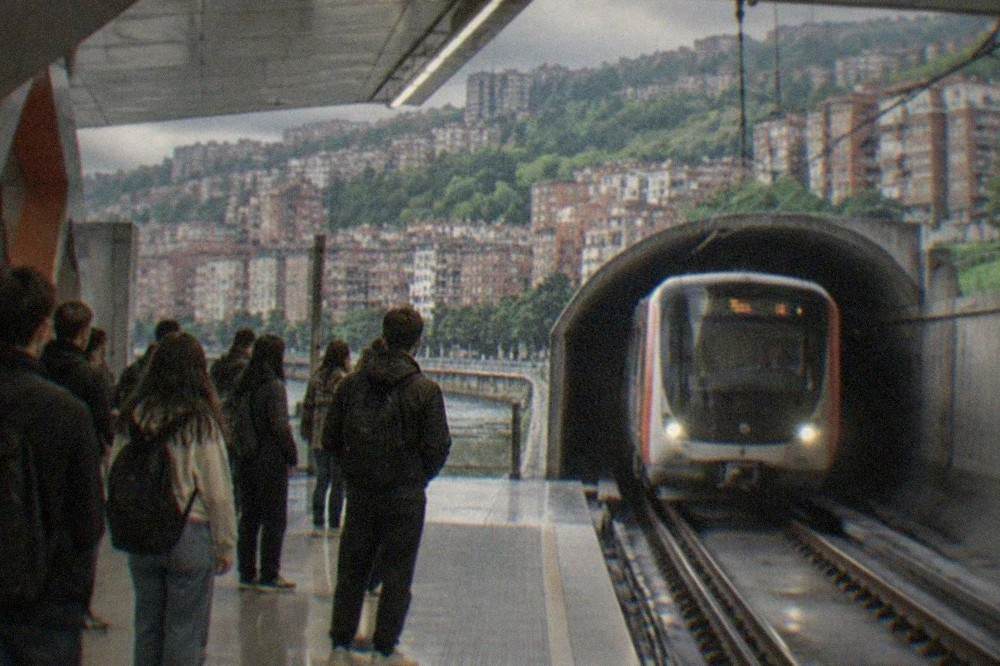
Students get around Bilbao on the metro, tram, Bilbobus city buses and the two funiculars, all integrated under the CTB's Barik card, with Zone 1 Creditrans fares of 1.02 euro on the metro and 0.74 euro flat on the tram. The entire Bilbobus fleet is low-floor and accessible, the metro stations have lifts between street and platform, and the Artxanda funicular costs 3.50 euro one way or 6.00 euro return, with a companion of a wheelchair user travelling free.
The metro is the spine. Lines 1 and 2 run through the centre and out to the coast at Getxo and Plentzia, which puts a beach within a metro ride of a lecture hall. The tram links the Casco Viejo to the Guggenheim and San Mames along the river, and Bilbobus fills the gaps across the hillier neighbourhoods. The full fare table and ticket mechanics live in our getting around Bilbao transport guide, with the accessibility angle covered separately on the accessibility in Bilbao page.
Arriving students should read the airport guide before they fly. The Bizkaibus A3247 runs every 15 minutes between Bilbao Airport and the centre, roughly 06:10 to 23:40 from the airport and 05:00 to 22:00 back, takes 15 to 25 minutes and costs 5 euro without a Barik card. A taxi to the centre runs about 24 to 29 euro with no airport supplement. There is no metro or train link to the airport, and the city council's own position is that none arrives before 2035.
Where Do Students Eat Cheaply In Bilbao?
Students eat cheaply in Bilbao by treating pintxos bars as an occasional pleasure and the municipal markets as the daily engine: pintxos run roughly 2 to 5 euro each in traditional bars and a full crawl with drinks lands around 25 to 45 euro per person. The championship bars, Gure Toki, Sorginzulo and El Globo, all sit on or near Plaza Nueva, so the best cheap food in the city is also the most concentrated.
Plaza Nueva is the student canteen by another name. Gure Toki and Sorginzulo share number 12 on the square, El Globo is a short walk away on Diputacion, and Cafe Bar Bilbao has been pouring since 1911. La Bodeguita del 12 in Abando won the 2025 Bizkaia traditional pintxo championship, which tells you the standard runs city-wide rather than being confined to the Old Town. The Ribera and Ensanche markets supply the cooking-at-home alternative for a fraction of the crawl cost. The best restaurants in Bilbao page covers the sit-down end of the market.
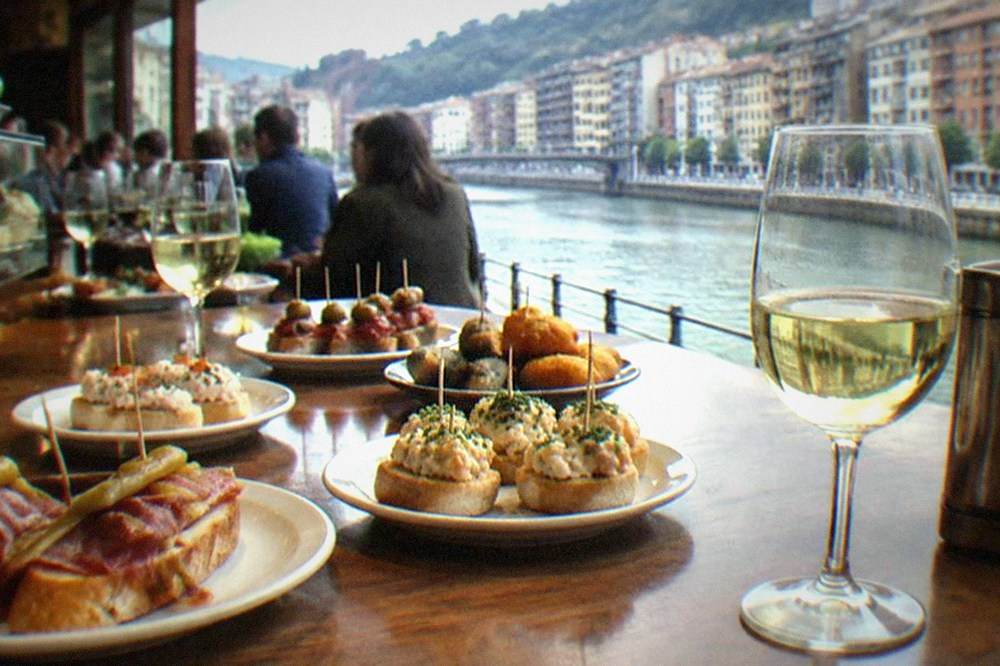
For the nights when a crawl turns into an education, a guided food walk turns the Plaza Nueva scene into something you can actually navigate. The pintxos and wine tour below is the strongest of the city's food walks on paper:
Tipping is minimal and unstressed: coins on the bar counter are the local norm, and nobody expects a percentage. The tipping and money guide explains the conventions, and the coffee and brunch and vegetarian pages cover the morning and plant-based corners of the scene.
Where Do Students Go Out In Bilbao?
Students go out across three zones: the Casco Viejo's pintxos bars around Plaza Nueva and the seven streets, the Ensanche's Calle Ledesma and Pozas strip near San Mames, and the riverside bars of Abandoibarra, with Aste Nagusia in late August turning the whole city into a nine-day street festival that costs nothing to attend. The 2026 festival ran 22 to 30 August, opening with the txupin rocket at 19:00 in Plaza Arriaga on 22 August, followed by nightly fireworks at 22:30.
Aste Nagusia is the calendar's centre of gravity. The txosnas, the festival bars run by the neighbourhood konpartsak, line the river, the concerts in Abandoibarra are free, and the fireworks competition runs 22 to 29 August. If your semester overlaps the festival's dates, plan nothing else for those nine days. The Aste Nagusia festival guide has the full programme breakdown.
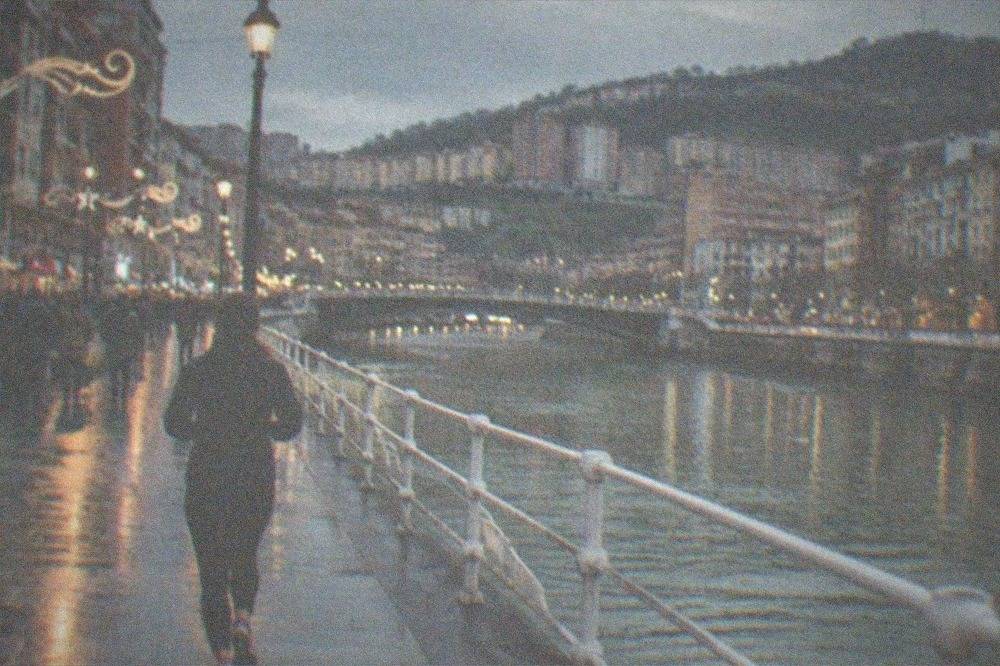
The rest of the year, the nightlife runs later than most of Spain's mid-size cities but on the same clock: bars fill after 22:00 and the Casco Viejo stays loud into the small hours on Fridays. The nightlife guide maps the neighbourhoods hour by hour. Music students and gig-goers should also know that BBK Live 2027 runs 8 to 10 July 2027 at Kobetamendi, with no lineup announced yet, and the festival page tracks announcements as they land.
What Can Students Do On Free Afternoons In Bilbao?
Students can fill free afternoons in Bilbao largely without spending: the riverside walk from the Zubizuri bridge past the Guggenheim to San Mames costs nothing, the Casco Viejo's seven streets and the Ribera market are free to wander, the Euskal Museoa reopened on 10 June 2026 after a four-year, 20.3 million euro renovation with an initial free entry period, and the Artxanda hilltop viewpoint is reachable by funicular for 3.50 euro one way. The city's architecture, Gehry, Calatrava, Foster, is a free open-air museum.
The riverside circuit is the default afternoon. Start at the Zubizuri, cross to the Guggenheim's Puppy, continue along the estuary past the Euskalduna Palace to San Mames, and take the funicular up Artxanda for the panorama. The funicular's fares page gives 3.50 euro one way and 6.00 euro return, with under-6s free, and the ride takes about three minutes. The Artxanda funicular page and the architecture walking itinerary cover both halves of that loop.
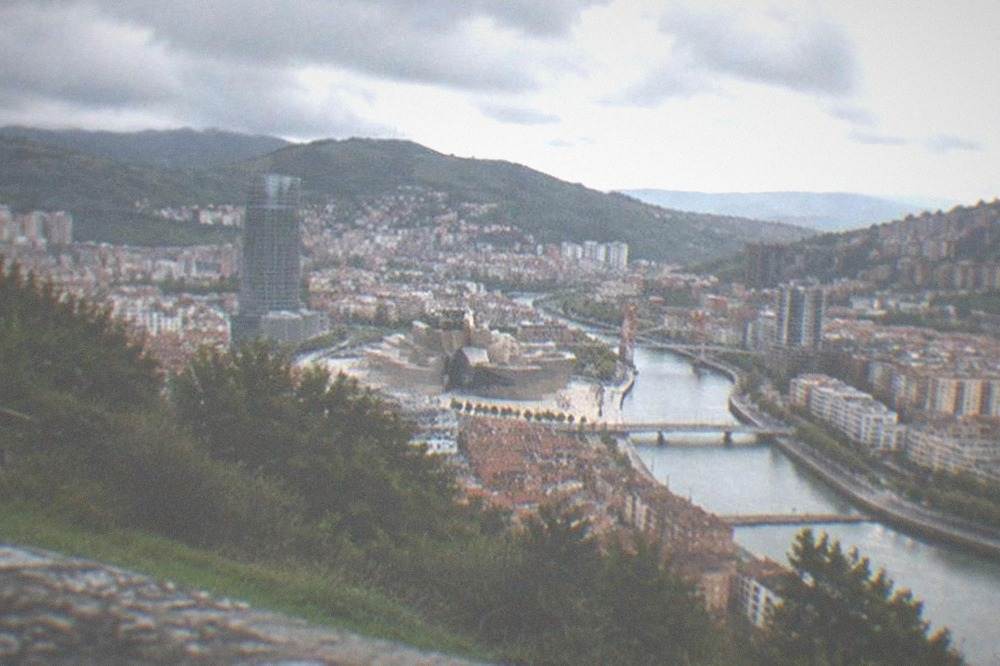
For the days when the drizzle settles in, the rainy day Bilbao itinerary exists precisely for this climate. November averages 147 mm of rain, so it will be needed. The photography spots page doubles as a free-afternoon walking list, and the things to do in Bilbao compiled page is the full index.
Where Can Students Go On Weekends From Bilbao?
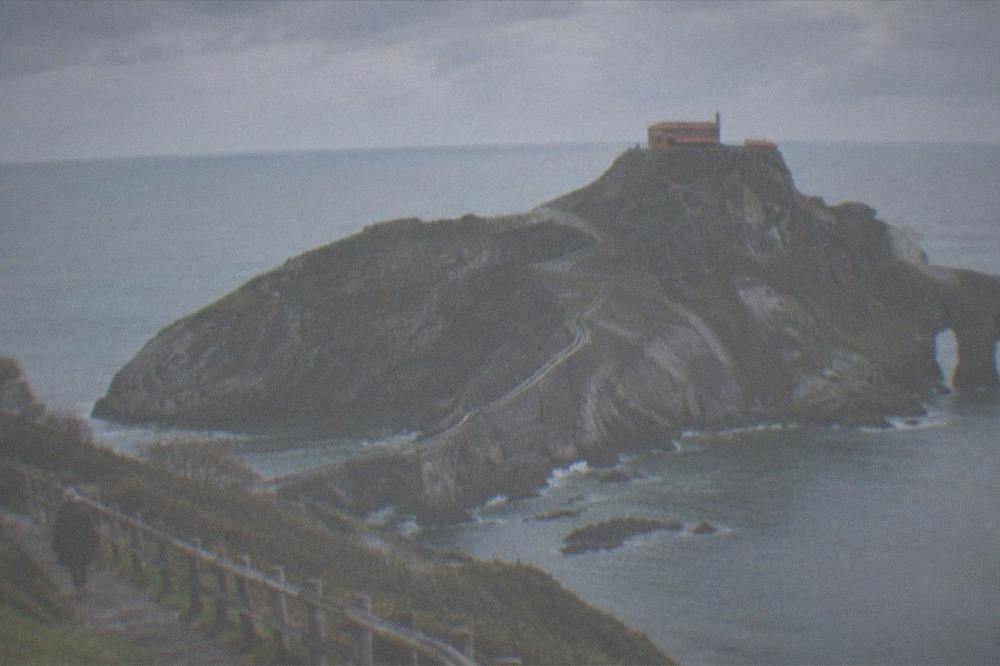
Students can reach an extraordinary range of weekend territory from Bilbao by public transport: San Sebastián by bus in about 1 hour 20 minutes for roughly 8 to 19 euro, Bermeo by Euskotren in about 1 hour 21 minutes for 2 to 5 euro, Getxo by metro in under 30 minutes, and the Gaztelugatxe hermitage by bus in roughly 1 hour 10 minutes to 2 hours, with a free timed reservation required only on official controlled-access days and a daily cap of 1,462 visitors on those days.
The coast is the obvious weekend engine. Getxo and its beaches are a metro ride away, and the UNESCO-listed Vizcaya Bridge hangs over the water at Portugalete at the end of it, with a pedestrian gondola crossing costing 0.60 euro one way in daytime. Gaztelugatxe, the Dragonstone hermitage on its causeway, needs planning: reservations are always free via the official booking platform, capped at 10 people per booking, but they are mandatory only on the calendar's controlled-access days, which cover roughly mid-June to about 20 September plus Easter and holiday weekends. The Gaztelugatxe guide and the Getxo page hold the logistics.
| Weekend destination | Best public option | Journey time | Typical fare |
|---|---|---|---|
| Getxo (beaches, Vizcaya Bridge) | Metro Line 1 | 28-29 min | 2-3 EUR |
| Bermeo (fishing port) | Euskotren from Casco Viejo | ~1h 21m | 2-5 EUR |
| Mundaka (surf) | Euskotren, Bermeo line | ~1h 16m | ~2.7-4.5 EUR |
| San Sebastián | Direct bus from Intermodal | ~1h 20m | 8-19 EUR |
| Vitoria-Gasteiz | Direct bus | 1h-1h 32m | ~6-7 EUR |
| Gaztelugatxe | Bizkaibus toward Bakio | 1h 10m-2h | 2-4 EUR |
Two inland cities make an easy contrast to the coast. Pamplona and Vitoria-Gasteiz sit within a day trip of each other, and a guided option removes the bus-timetable puzzle entirely:
Cross the border instead and the French Basque Country opens up: Saint-Jean-de-Luz, Biarritz and Bayonne, all reachable on a long day. The French Basque Country excursion page and the Bilbao vs San Sebastián comparison cover the two directions students most debate.
A guided version of the French side saves the cross-border planning, which is worth it on a tight weekend:
How Does A Student Semester In Bilbao Actually Flow?
A semester in Bilbao flows with the Atlantic calendar: September starts warm at a 19.2 C mean with the sea still swimmable at Mundaka, October brings BIME Live and the Fine Arts Museum's reopening, November is the wettest month at 147 mm and the natural exam cave, and spring lifts the city back onto the terraces from a 15.7 C May mean. The Bilbao Bizkaia Card, at 10 euro for 24 hours and 20 euro for 72, is the right tool for visiting friends rather than residents.
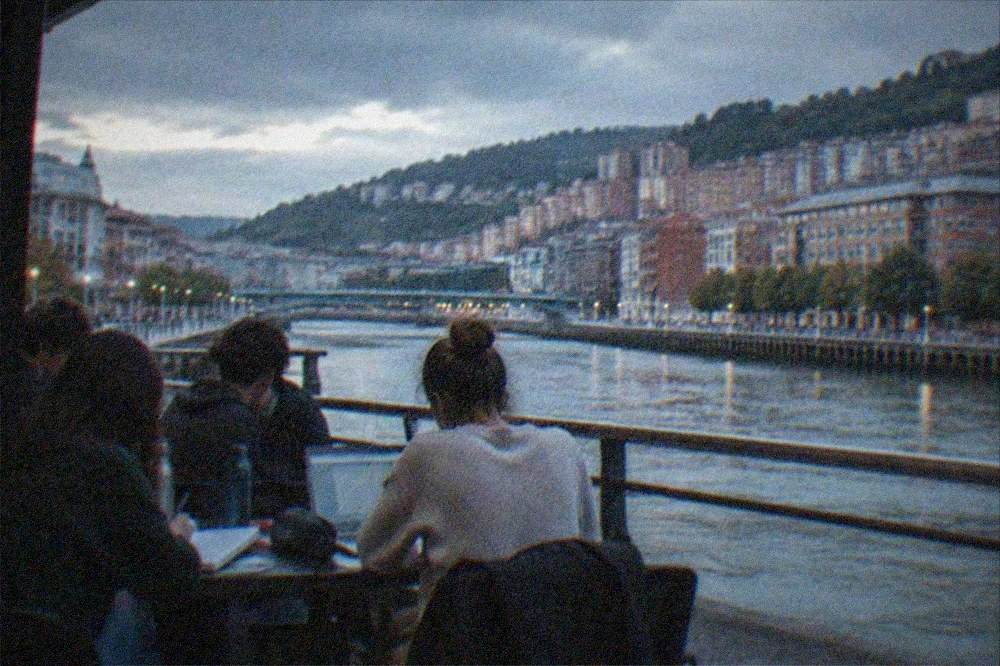
Language is gentler than newcomers fear. Spanish carries you everywhere in Bilbao, Basque is visible on every sign, and the university environment is fully bilingual in practice. The Basque or Spanish language page explains what the dual signage actually means for daily life, and the how many days in Bilbao guide helps when family visits and expects an itinerary.
Safety is not a major variable here. Bilbao's 2025 municipal crime balance showed street crime slightly down year on year, with thefts dominating the statistics and violent crime rare, and the city ranks among Spain's safer major cities in local reporting. Standard city habits apply: watch bags in the Casco Viejo crowds, ignore anyone claiming to be plainclothes police asking to inspect your wallet. The safety in Bilbao page has the detail.
| Semester moment | What happens | Student move |
|---|---|---|
| Late August | Aste Nagusia, 22-30 Aug 2026 dates | Arrive early, book nothing those nine days |
| September | 19.2 C mean, surf season at Mundaka | Coast weekends before the rain |
| 6-13 October | Fine Arts Museum free reopening week | Queue once, see the new wing free |
| November | 147 mm rain, the wettest month | Museums, libraries, txokos |
| December | Christmas lights, 9.9 C mean | Short days, long pintxos |
| May | 15.7 C mean, terraces return | Riverside afternoons |
Common Questions About Student Life In Bilbao
Is Bilbao affordable for students?
Yes, by northern-Spain standards. Verified unit prices are low: 1.02 euro metro rides with a Barik card, pintxos at roughly 2 to 5 euro, a 9 euro student Guggenheim ticket and free entry to the street festival Aste Nagusia. Rent is the main variable, and living in a shared flat in the Ensanche or Deusto rather than a Casco Viejo tourist apartment keeps it down.
Do students need a Barik card in Bilbao?
Almost certainly. The CTB's Barik fares page gives Creditrans prices of 1.02 euro for a Zone 1 metro trip against 2.00 euro without the card, and the same card works on the tram at 0.74 euro, Bilbobus and Bizkaibus. The card purchase price of 3 euro is commonly reported but comes from secondary sources, so check at a station machine.
Is there a tourist tax in Bilbao?
Not in 2026. A Bizkaia regional tourist tax under Norma Foral 3/2026 takes effect on 1 January 2027, with Bilbao's approved rates running from 1 euro per night in pensions to 5 euro in 5-star hotels and 6.50 euro for tourist apartments. Reservations made before early February 2026 are generally exempt.
What is the best time of year to study in Bilbao?
September through November and February through May. AEMET's station 1082 normals give September a 19.2 C mean with 73 mm of rain and May 15.7 C with 78 mm, while November is the wettest month at 147 mm. July and August are warmest and driest but coincide with peak tourist crowds and, in late August, the Aste Nagusia festival.
Can students visit Gaztelugatxe without paying?
Yes. Access is always free; a free timed reservation is required only on official controlled-access days, roughly mid-June to about 20 September plus Easter and holiday weekends, when a daily cap of 1,462 visitors applies. Book through the official platform, maximum 10 people per reservation.
Is Bilbao safe for students?
Bilbao ranks among Spain's safer major cities in local crime-balance reporting, with 2025 street crime slightly down year on year and thefts, not violence, dominating the statistics. Standard precautions apply in the Casco Viejo crowds and on late-night transport, and the fake plainclothes-police wallet inspection is a known scam pattern.
Bilbao rewards the student who treats it as a base rather than a checklist: the city itself costs little to enjoy, and the coast, the Rioja vineyards and the French Basque towns all sit within a Saturday's reach.