Orduña: A Bilbao Day Trip To Bizkaia's Southern Gateway
Orduña is one of Biscay (Bizkaia) province's most distinctive inland towns, reachable from Bilbao as a quiet contrast to the coast, and this guide covers how to plan the day: getting there, what it costs, when to go, and what to eat.
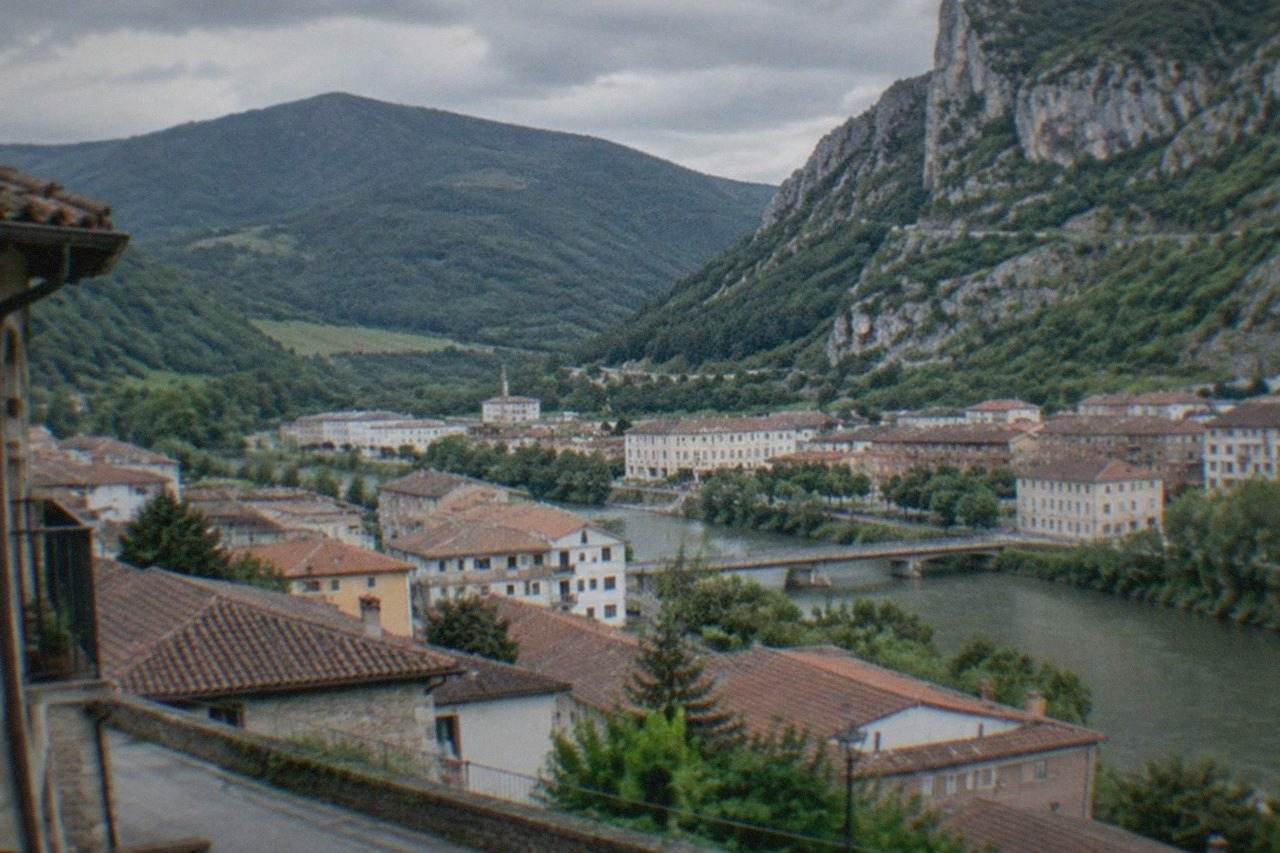
Short answer
Orduña sits in the south of Bizkaia, the same Spanish Basque province as Bilbao, and works as a half-day or full-day inland escape from the city. There is no metro or tram link, so the trip means a Bizkaibus regional bus or a hire car, with Barik card fares applying across the region's integrated network.
Orduña, in the province of Biscay (Bizkaia) in Spain's Basque Country, is the kind of inland town that many travellers to Bilbao never hear about, which is exactly why it rewards the traveller who makes the effort. Bilbao itself sits on the tidal Nervión/Ibaizabal estuary about 15 km from the Bay of Biscay, and the coastal strip, Getxo, Sopelana, Bermeo, Mundaka, Gaztelugatxe, absorbs nearly all the day-trip traffic. Head inland instead and the character of the province changes completely: green mountains, small stone towns, and a pace of life that has nothing to prove. This guide lays out how to build an Orduña day trip from Bilbao, with verified transport fares, honest cost ranges, climate data straight from the national weather service, and suggestions for pairing the town with other destinations in the region.
Where Is Orduña And Why Does It Belong On A Bilbao Day-Trip List?
Orduña is a town in the province of Biscay (Bizkaia), the same Basque province as Bilbao, lying toward the province's southern edge where Bizkaia meets neighbouring Álava, and it offers the inland, mountain-framed counterpoint that Bilbao's estuary and coast cannot supply. For a visitor based in Bilbao it is the quiet option: no cruise crowds, no museum queues, and a landscape of steep green hills rather than the Atlantic shoreline. The Basque Country (Euskadi) is small enough that its provincial borders are crossed constantly by regional buses, so a town like Orduña functions socially and economically as part of Bilbao's wider orbit even though it feels like a different world once you arrive.
The Basque name of the town is Urduña, and you will see both spellings on signage and timetables once you leave Bilbao. That double naming is normal across Euskadi, where Basque and Spanish coexist on road signs, bus stops, and municipal buildings. English-language travel writing overwhelmingly uses "Orduña", so this guide does too, but do not be confused if a departure board or a regional website shows the Basque form instead.
What makes the town interesting as a day trip is scale. Bizkaia's better-known inland destinations, such as Balmaseda, get a steady trickle of visitors, but the southern edge of the province remains genuinely off the standard tourist circuit. If your image of the Basque Country was built entirely from Bilbao's Guggenheim and the surfing coast, a day inland recalibrates it. The Bilbao Travel Guide covers the whole province destination by destination, and Orduña is the page for the traveller who has already done the coast.
How Do You Get From Bilbao To Orduña Without A Car?
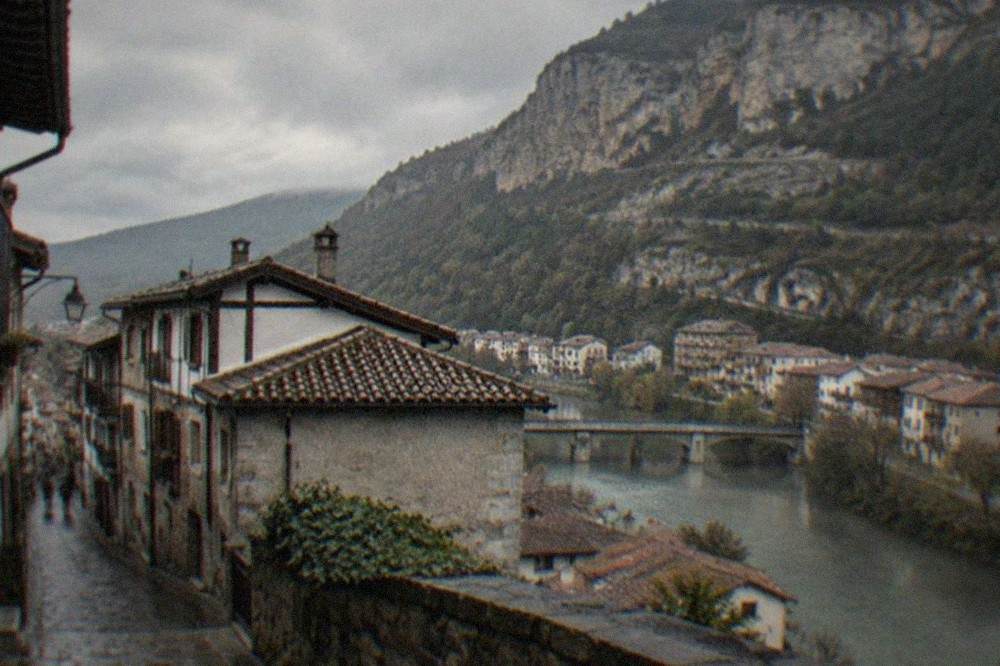
There is no Metro Bilbao or tram service to Orduña, so the trip from Bilbao means either a Bizkaibus regional bus from the city's intermodal stations or a hire car, and the Barik travel card applies across the region's integrated network wherever you tap it. Metro Bilbao's lines fan out through the Bilbao metropolitan area and along the estuary toward the coast, which is why coastal day trips are so easy, but the inland south of the province is bus country. Bizkaibus is the regional bus network that stitches together Bizkaia's towns, and it is the operator to check for current Orduña timetables and stops before you travel, since schedules for individual lines are maintained on the operator's own pages rather than in any printed tourist material.
The fare structure you will encounter is the region-wide Consorcio de Transportes de Bizkaia (CTB) system, and it is worth understanding before you board anything. The CTB Barik fares page gives discounted Creditrans prices by zone for metro, tram, Euskotren trains, Bilbobus city buses, and Bizkaibus regional buses alike, and the difference between paying with a Barik card and paying a one-off single fare is substantial. The card itself is commonly reported to cost around EUR3 to buy (a figure that appears in secondary sources rather than on an official CTB page, so treat it as provisional), with a minimum top-up often around EUR5.
| Mode | Single fare without Barik | Fare with Barik Creditrans |
|---|---|---|
| Metro Bilbao, 1 zone | EUR2.00 | EUR1.02 |
| Metro Bilbao, 2 zones | EUR2.20 | EUR1.19 |
| Metro Bilbao, 3 zones | EUR2.25 | EUR1.30 |
| Bilbobus city bus | EUR1.70 | EUR0.73 base (effective near EUR0.44 after discount) |
| Bilbao tram | about EUR2.00 | EUR0.74 flat |
| Bizkaibus regional bus | EUR2.00 to EUR4.50 by zone | EUR1.02 to EUR2.45 by zone |
Two practical notes follow from that table. First, the single-ticket column is what you pay in cash or by card at the driver or machine; the Barik column is what the same journey costs once you own the card, so the card pays for itself within a handful of regional rides. Second, metro tickets are valid for two hours, which matters if your route into or out of Bilbao involves a connection. Check the exact zone for your Orduña journey on the operator's fare pages before travelling, because zone boundaries determine the price and this guide will not guess a figure the pack does not supply.
If you would rather drive, the region's road network is good and a car gives you freedom to stop in the villages between Bilbao and the south of the province. The trade-off is parking and the simple fact that Bilbao's public transport is excellent enough that a vehicle is not needed for the coastal trips. For a single inland town, weigh whether the driving day is worth it against a bus ride with no parking worries at the far end.
For travellers who prefer to let someone else handle the logistics, guided excursions out of Bilbao cover the region's headline inland and coastal destinations, and the best-reviewed options sell out on peak summer weekends. The three below are a representative spread of what a guided day from Bilbao looks like.
What Does A Day In Orduña Actually Look Like?
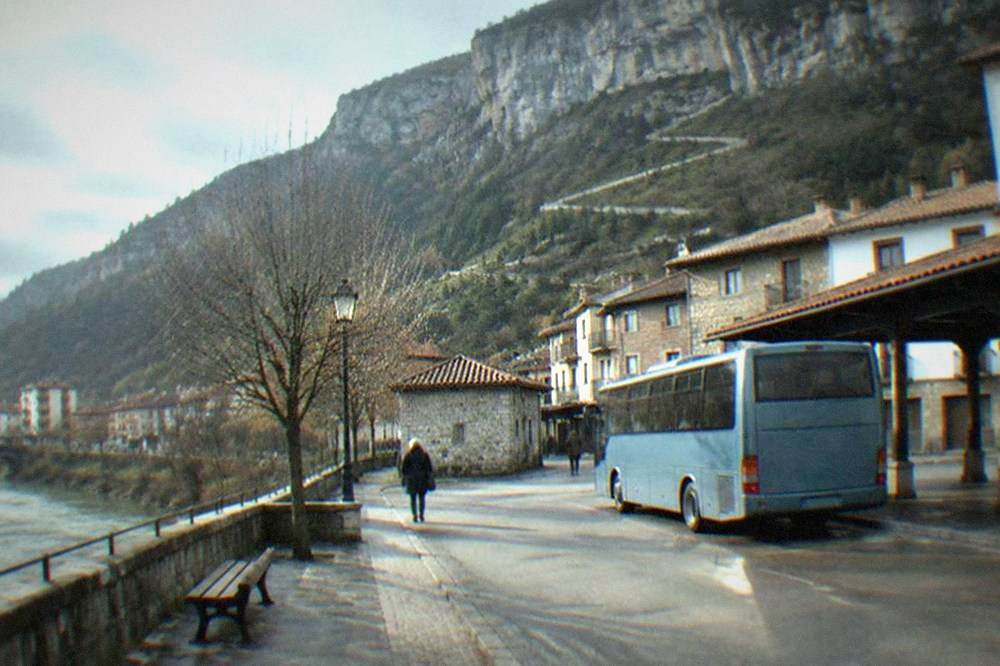
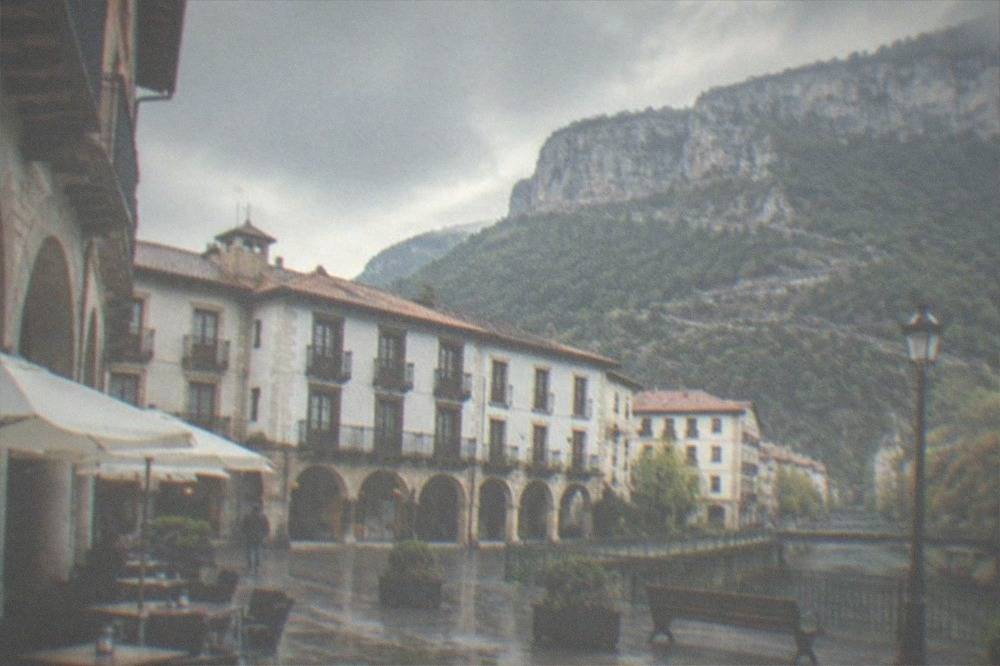
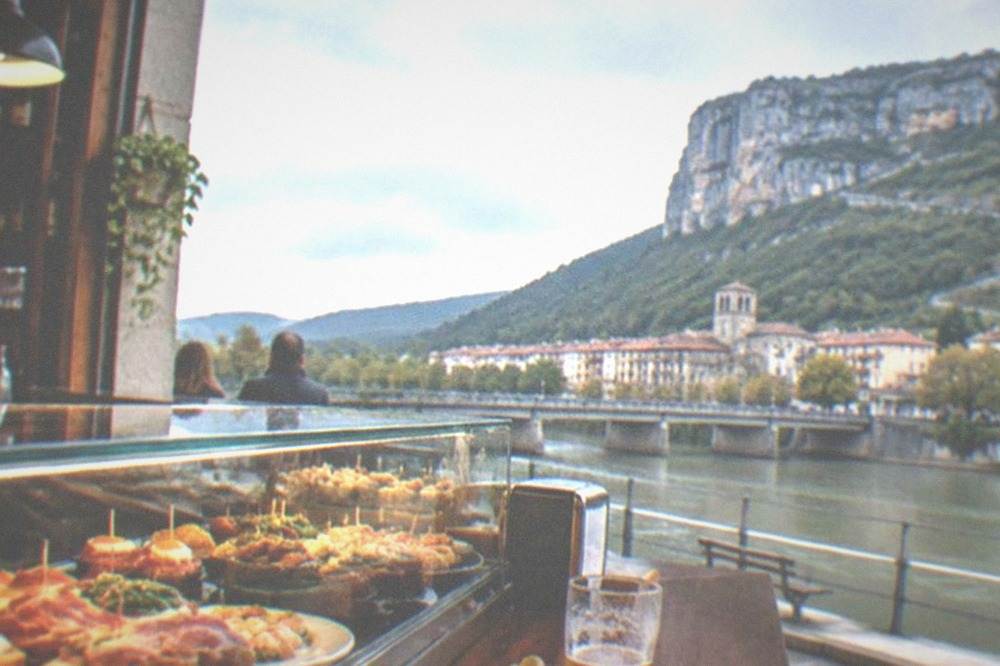
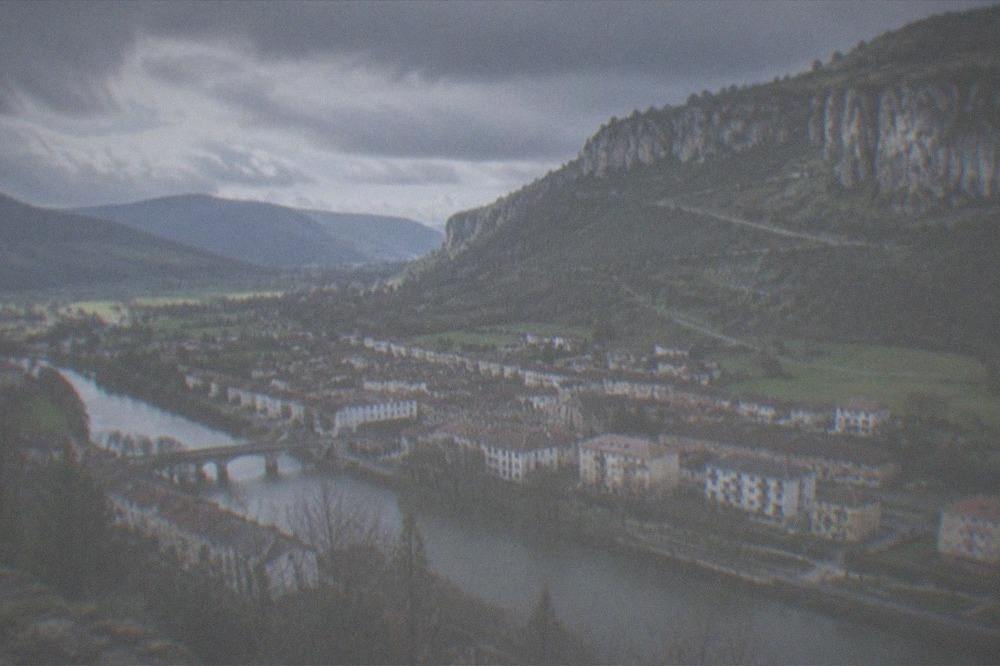
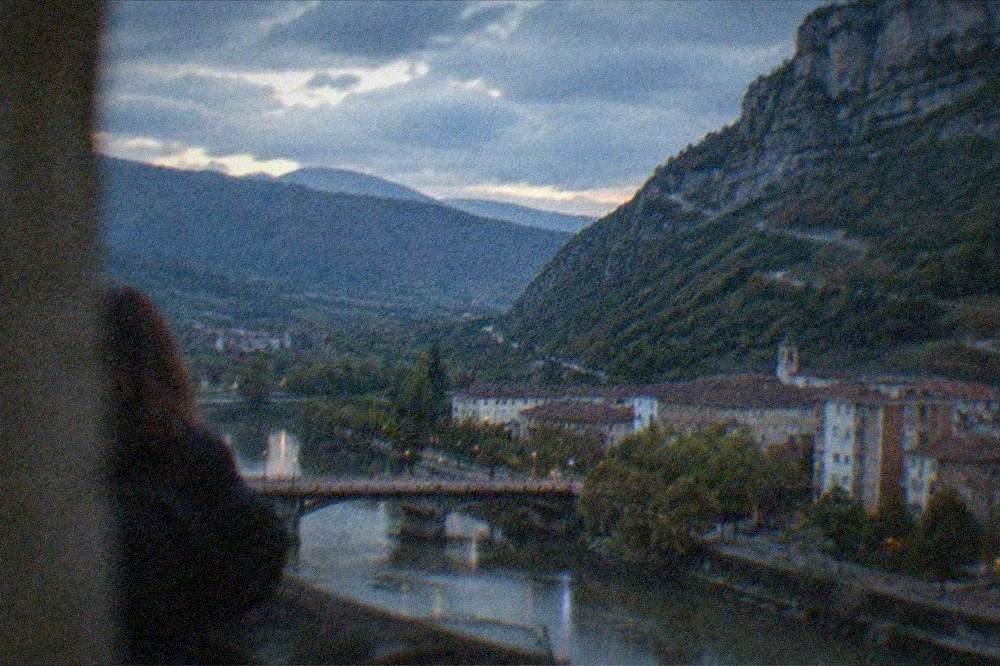
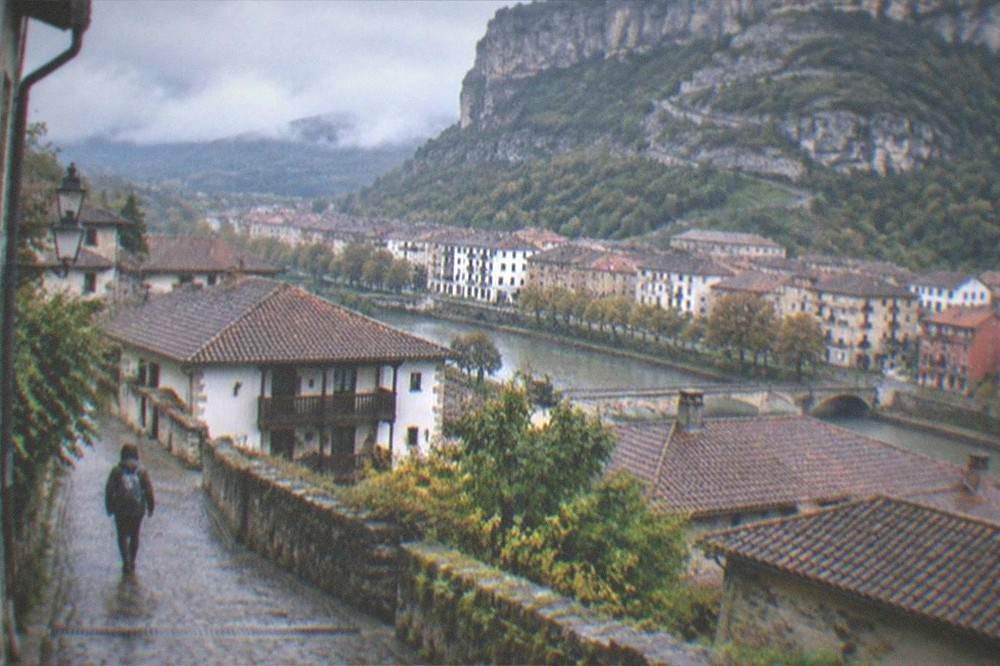
A day in Orduña is a slow-walking day: an old quarter of modest stone buildings and arcaded squares, a parish church that anchors the town centre, short steep streets climbing toward viewpoints, and long green mountain walls framing every sightline, with lunch as the day's main event rather than a long museum list. This is not a destination with a ticketed attraction at its heart. It is a town you read by walking: the main square, the side lanes, the edge where houses give way to fields, and the viewpoints where the mountains close the horizon. Give it a half-day of walking and a long lunch and you have used it well.
The pace matters because inland Bizkaia does not perform for tourists. Shops keep the region's hours, which means a mid-afternoon lull when much of the town goes quiet, and the evening txikiteo culture of the bars belongs to locals. Plan around that rhythm rather than against it: walk in the morning, eat at midday, walk again in the late afternoon, and be on your way back to Bilbao before dark if you are on a bus schedule.
For context on what a more structured day out of the city looks like, the coastal option is the opposite in character: Gaztelugatxe, the hermitage on its rocky islet, is the region's single most dramatic sight and draws a daily cap of 1,462 visitors on its controlled-access days in summer. Orduña will never have that problem. If you have already done the coast, or if heights and crowds are not your thing, the inland towns are the sensible next page of the province.
If a fully guided day appeals more than self-navigation, the coastal walk excursion below is the strongest-reviewed guided option that pairs a Bilbao departure with the province's signature landscape, and it is the one this site rates first among its day-trip picks.
How Much Does An Orduña Day Trip From Bilbao Cost?
Count on transport as your main fixed cost: regional bus fares run from roughly EUR1 to EUR4.50 per journey depending on zones and whether you hold a Barik card, food is the flexible line, and there is no tourist tax in force in 2026, so a day trip costs only what you spend getting there, eating, and drinking. The tax point is worth spelling out because it is new and widely misunderstood. A Bizkaia-wide regional tourist tax (Norma Foral 3/2026) does not take effect until 1 January 2027, and Bilbao's own municipal rates, approved in September 2026, will then run from EUR1 per night in pensions up to EUR5 per night in five-star hotels, with EUR6.50 for tourist apartments. A day visitor in 2026 pays none of it, and even from 2027 the tax applies to overnight stays, not to day trips.
For transport, the arithmetic is straightforward. A Barik card holder making regional bus journeys within the CTB zones pays between EUR1.02 and EUR2.45 per ride depending on zone count, so a return journey with a connection could cost anywhere from about EUR2 to EUR5 in transport. A traveller paying singles without a card pays the higher occasional fares. If you plan several days of regional travel, the Bilbao Bizkaia Card is the flat-rate alternative: the card's own site states 24 hours at EUR10, 48 hours at EUR15, and 72 hours at EUR20, covering unlimited travel on the region's associated public transport plus discounts at participating attractions. For one Orduña day it is usually more than you need; for a week of day trips it earns its price quickly.
| Cost item | Planning range | Notes |
|---|---|---|
| Regional bus, Barik Creditrans | EUR1.02 to EUR2.45 per journey | Zone-dependent, per CTB fare pages |
| Regional bus, single without Barik | EUR2.00 to EUR4.50 per journey | Occasional ticket prices |
| Barik card purchase | about EUR3 | Commonly reported; not stated on the official CTB page checked |
| Bilbao Bizkaia Card 24h | EUR10 | Unlimited transport plus discounts |
| Pintxo per piece at a bar | EUR2 to EUR5 typical | Cold counter items cheaper, elaborate hot bites higher |
| Pintxos crawl with drinks | EUR25 to EUR45 per person | Four to six bars, drink at each stop |
| Tourist tax (day trips) | EUR0 | Tax applies to overnight stays from 1 January 2027, not to day visits |
The food figures in that table are planning ranges drawn from 2026 Basque food guides, not promises: cold counter pintxos like gildas and tortilla skewers sit at the low end, hot gratins and creative bites push toward the top, and premium bars charge more. Check the chalkboard or the bar display before you order, which is standard practice everywhere in the Basque Country. A sit-down menú del día in a small inland town is usually the better value at lunchtime, and portions in Bizkaia run generous.
One more cost note: do not budget for a metro or train ticket to Orduña, because there is none, and do not let any source tell you otherwise. The city council's own position, reported in local infrastructure coverage, is that even Bilbao Airport has no metro link before 2035, and the inland south of the province is far beyond any current rail plan. Bus or car, that is the full list.
If you are weighing a guided day against doing it yourself, the box below shows the site's top-rated guided excursion from Bilbao; guided days bundle transport, a guide's commentary, and a fixed itinerary, which is where their extra cost goes.
When Is The Best Time Of Year To Visit Orduña From Bilbao?
The best months for an inland Bizkaia day trip are July and August, when AEMET's Bilbao Aeropuerto/Loiu station (1082) records the warmest and driest normals of the year at 20.4 and 20.9 degrees mean temperature with 50 and 76 mm of rain, while November is the wettest month at 147 mm and the one to avoid if you want guaranteed walking weather. Those figures come from the national weather service's 1981-2010 normals for the Bilbao airport station, the authoritative published table for this area, and they describe a temperate oceanic climate: mild all year, damp all year, with no Mediterranean dry season and no continental freeze. Inland valleys run a touch warmer in summer and cooler in winter than the coast, so add a layer whatever the season.
| Month | Mean temperature (C) | Mean precipitation (mm) |
|---|---|---|
| January | 9.3 | 120 |
| February | 9.7 | 86 |
| March | 11.5 | 90 |
| April | 12.6 | 107 |
| May | 15.7 | 78 |
| June | 18.4 | 60 |
| July | 20.4 | 50 |
| August | 20.9 | 76 |
| September | 19.2 | 73 |
| October | 16.4 | 111 |
| November | 12.4 | 147 |
| December | 9.9 | 122 |
Read the table honestly: even the "best" months carry 50 to 76 mm of rain, and the annual total of 1,134 mm is spread across every season. The practical consequence for an Orduña day is footwear and a packable rain layer, not a different destination. June and September are the connoisseur's picks, nearly as warm as July and August with fewer visitors on the region's roads overall. October through February is the season for misty mountain views and empty squares, and as long as you accept that some of the day will be indoors over a coffee, it is a perfectly good time to go.
Festival timing can swing your choice too. Bilbao's own Aste Nagusia ran 22 to 30 August in 2026, nine days of concerts, fireworks and street parties that fill the city, and an inland escape is a smart counter-programming move on those dates. The reverse logic applies the rest of the year: the coast and the city are at their busiest in high summer, and the inland towns stay quiet when everything else is packed.
What Should You Eat And Drink Around Orduña?
Eat the way the Basque Country eats everywhere: standing at the bar on pintxos, or seated at a long midday meal, with pintxos typically running EUR2 to EUR5 a piece, drinks at EUR2 to EUR3.50, and a proper crawl of four to six stops landing around EUR25 to EUR45 per person, all figures being planning ranges from 2026 food guides rather than fixed menus. Inland Bizkaia leans more to the sit-down meal than the coastal towns do, and portions are built for people who have been on their feet in the hills. Order what the region is known for: bacalao al pil pil, txangurro gratin, chorizo al vino, tortilla de patatas, and whatever the bar has under the glass case that day.
The drink to know is txakoli, the lightly sparkling white wine of the Basque coast and hills, poured from a height into a flat tumbler. A zurito, the small Basque beer glass, is the other standing-bar standard. Local cider season, txotx, runs in the winter and early spring months, and the cider houses of the region are a destination of their own; the site's cider coverage explains the ritual if you want to build a trip around it.
For the state of the art in the wider region, the Michelin Guide's 2026 edition kept Bizkaia at the top of Spain's per-capita star table, with Azurmendi retaining three stars and Bilbao itself holding one-star rooms including Ola, Nerua, Mina, Zarate and the newly starred Islares. None of that is an Orduña lunch, but it tells you what the province's pantry can do when a chef gets hold of it. In a small inland town, the equivalent pleasure is simpler and cheaper: a bar with a full case, a chalkboard menu, and no English on the sign.
| Food stop style | What you get | Planning cost per person |
|---|---|---|
| Standing pintxo bar | Two to three pieces plus a zurito or txakoli | EUR8 to EUR15 |
| Full txikiteo crawl | Four to six bars, a piece and a drink at each | EUR25 to EUR45 |
| Menú del día lunch | Multi-course fixed midday menu | Check the board on the day |
| Cider house in season | Txotx ritual with cod omelette and steak | Book ahead in season |
Can You Combine Orduña With Other Bizkaia And Basque Country Day Trips?
Yes, and the pairing that makes most sense is Orduña with another inland stop such as Balmaseda, or with Vitoria-Gasteiz just over the provincial line, while travellers who want the region's greatest hits should keep Orduña for a second visit and spend their first day on the coast at Gaztelugatxe or across the border in Rioja wine country. The Basque Country is compact, and the day-trip network from Bilbao is dense enough that a week of day trips can cover coast, mountains and vineyards without ever moving hotels. The comparison table below shows how the region's main day trips differ in character and travel time, using figures from current schedule and fare aggregators.
| Day trip from Bilbao | Character | Typical public transport time |
|---|---|---|
| Getxo and the Vizcaya Bridge | Beaches, promenade, UNESCO transporter bridge | Metro about 28 to 29 minutes |
| San Sebastián | Big-city pintxos, beaches, old town | Direct bus about 1 hour 20 minutes |
| Vitoria-Gasteiz | Historic capital, green and inland | Direct bus about 1 hour to 1 hour 32 minutes |
| Gaztelugatxe | Dramatic hermitage islet, coastal walk | Bus about 1 hour 10 minutes or more |
| Bermeo | Fishing port, coastal town | Train about 1 hour 21 minutes |
| Orduña | Quiet inland mountain town | Regional bus, check Bizkaibus for the current line and timing |
The pairing logic is simple. Orduña is an inland, low-key, walking-and-eating day; it pairs badly with another inland walking day back to back, and beautifully with a contrast. Do the coast first: the Gaztelugatxe day trip or the Gernika and Urdaibai route give you the Atlantic side of the province, and then Orduña shows you the other half of Bizkaia. If wine is the real reason you travel, the Rioja wine day trip runs to the vineyards around Haro and Laguardia, and the Vitoria-Gasteiz day trip covers the inland capital with its own historic centre. For a fuller survey of what the province offers beyond this page, start from the site's things to do in Bilbao hub and work outward.
Guided options exist for most of those pairings, and the strongest-reviewed inland-and-coast combinations from the current roster are below.
What Should You Pack For An Orduña Day Trip?
Pack for a temperate oceanic climate whatever the calendar says: walking shoes with grip for steep streets and possibly wet stone, a packable rain layer, a warm mid-layer outside of July and August, and a small day bag, because the 1,134 mm of annual rain recorded at the Bilbao station falls in every month and inland mountain weather changes faster than the forecast. The temperature range across the year is mild, from a 9.3 degree mean in January to 20.9 in August, but mild averages hide wet afternoons and cool evenings, and a town built on a hillside will always feel colder at the top than in the square.
The practical list is short. Comfortable shoes matter more here than in flat coastal towns. A light rain jacket lives in the bag from October to May and is worth carrying even in summer. Sunscreen sounds wrong for a place with 1,134 mm of rain a year, but Atlantic summer days are long and the mountain light is sharp. Cash in small denominations is still useful in village bars, though cards are accepted almost everywhere in Spain now. And leave the heavy camera kit at the hotel: the town rewards a slow eye, not a long lens.
Common Questions About Orduña
Is Orduña worth a day trip from Bilbao?
For travellers who have already seen Bilbao's coast and museums, yes: it is the quiet inland face of Bizkaia, with mountain scenery, a walkable old town and unhurried food stops, and it costs very little to reach on the regional bus network. If you only have one or two days in the region, the coast at Gaztelugatxe or the Guggenheim in the city will rank higher.
How do you get to Orduña from Bilbao without a car?
By Bizkaibus regional bus, the operator that connects Bilbao with the towns of the province. There is no metro or tram link to the south of Bizkaia. Check the operator's current timetables for the line and stop before travelling, and carry a Barik card to pay the discounted Creditrans fare instead of the higher single price.
Is there a tourist tax for visiting Orduña?
No tourist tax is in force in 2026, and day trips are never the target of the tax in any case. The Bizkaia regional tourist tax takes effect on 1 January 2027 and applies per night to overnight stays in accommodation such as hotels, pensions and tourist apartments, at rates Bilbao's council has set from EUR1 to EUR6.50 per night depending on the category.
What is the best time of year to visit Orduña?
July and August are the warmest and driest months in the region's official climate normals, with means of 20.4 and 20.9 degrees and 50 to 76 mm of rain, while November is the wettest at 147 mm. June and September are the sweet spot for thinner crowds and near-summer warmth. Rain is possible in every month, so pack a layer and a rain jacket whenever you go.
Can you combine Orduña with other day trips from Bilbao?
Yes. The natural pairings are with other inland destinations such as Balmaseda, or with Vitoria-Gasteiz just over the provincial line, reached by direct bus in roughly one to one and a half hours. Many travellers prefer to alternate: a coastal day at Gaztelugatxe, Gernika or Getxo, then an inland day in the mountains, using Bilbao as a single base for the whole week.
Do people speak Basque or Spanish in Orduña?
Both, as everywhere in the Basque Country. Basque and Spanish coexist on signage, menus and timetables, and the town's name itself appears as Urduña in Basque. Spanish works everywhere; English is less widespread in small inland towns than in Bilbao, so a few Basque or Spanish food words go a long way at a bar counter.
A final word on expectations: Orduña is not a headline sight, and that is its whole value. It is the day you spend walking slowly, eating well for modest money, and seeing the province of Bizkaia from its green inland side instead of its famous coast, and it costs about as much as a return bus fare and a long lunch. Check the Bizkaibus timetable the day before, charge the Barik card, take the rain jacket, and let the mountains do the rest.