Armintza
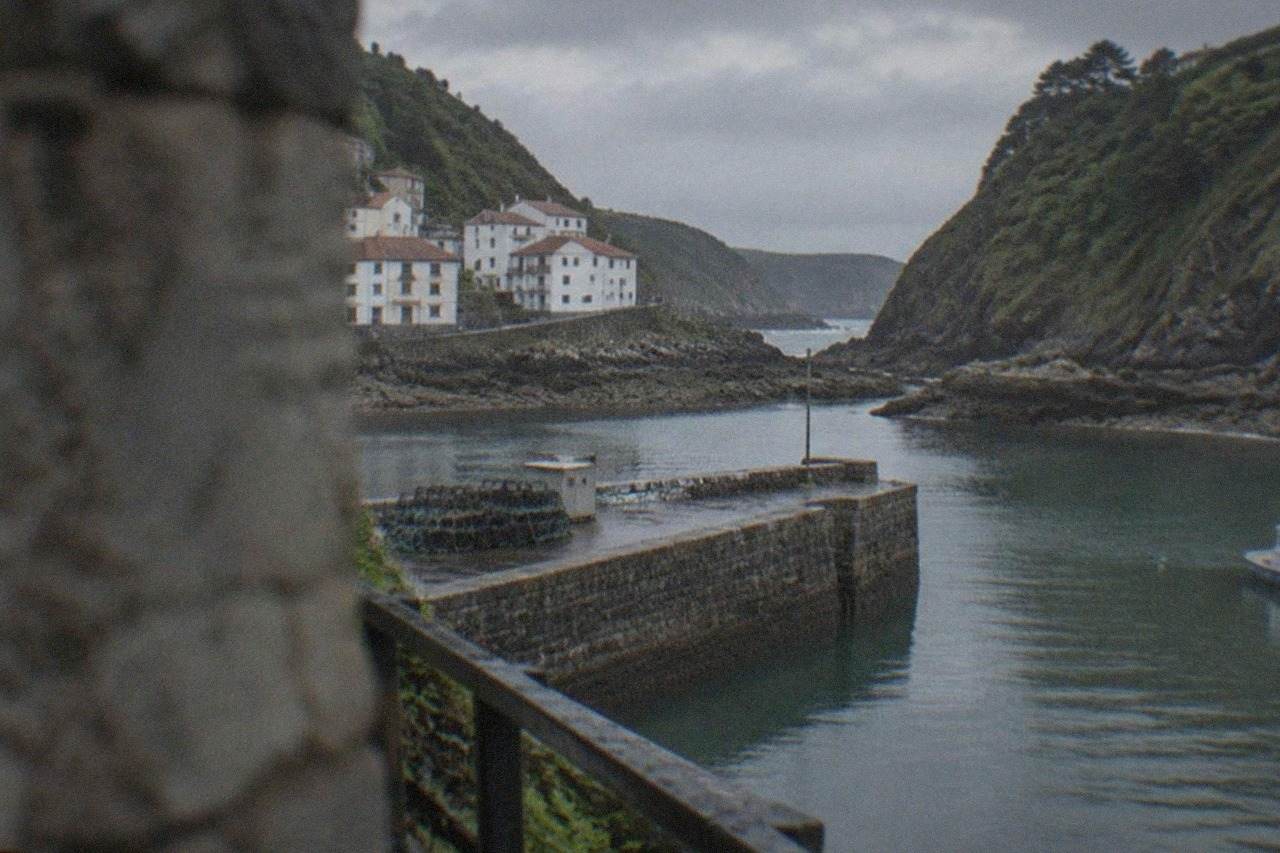
Armintza is a small fishing village on the Bizkaia coast of northern Spain, a quiet alternative to the busier beach towns around Bilbao in the Basque Country. This guide covers how to reach it, what a day there looks like, and how to build a coastal itinerary around it.
Short answer
Armintza is a small coastal village in Bizkaia province, Basque Country, Spain, a low-key day-trip option from Bilbao for visitors who want sea air, rocky coves and a working fishing harbour without the crowds of the better-known beach towns. There is no train station and no major museum; the appeal is the coast itself, best combined with nearby villages such as Bakio or Plentzia, or with the Gaztelugatxe headland.
Armintza is a small fishing village on the Bizkaia coast of northern Spain, sitting between better-known seaside spots in the Basque Country and reachable from Bilbao as a quiet day trip. It has no Guggenheim, no major museum and no famous beach promenade, and that is precisely the point: it is where Basque Country visitors go when they want the Atlantic shore without a crowd. The village clusters around a sheltered harbour, backed by green cliffs, and the coast road that serves it strings together several of the villages covered elsewhere on this site, including Bakio and Plentzia.
This guide lays out what a day in Armintza realistically involves: how to get there, what there is to do once you arrive, where to eat, how the weather behaves on this stretch of Atlantic coast, and how to pair the village with other stops so a single drive covers the best of the Bizkaia shoreline. Everything practical, from Barik transport fares to the 2027 Bizkaia tourist tax, matches the figures used across Bilbao Travel Guide.
Where Is Armintza And Why Do Visitors From Bilbao Go?
Armintza is a small coastal village in Bizkaia province, in the Basque Country of northern Spain, on the Atlantic-facing shore that begins west of the Bilbao estuary. It draws visitors from Bilbao because it is the opposite of the city's polished riverfront: a working fishing harbour, rocky coves and cliff walks with almost no tourism infrastructure, sitting on the same stretch of coastline as Bakio and the Gaztelugatxe headland. For travellers who have already done the museums, it is a half-day of raw coast.
Bilbao itself sits about 15 km inland from the Bay of Biscay, on the tidal Nervion estuary, and the coast around it is where the city goes on summer weekends. Most of that traffic heads to the sandy beaches at Sopelana or Plentzia. Armintza is the quieter option on the same shore, the kind of place where the harbour wall, the seafood and the cliff path are more or less the entire attraction.
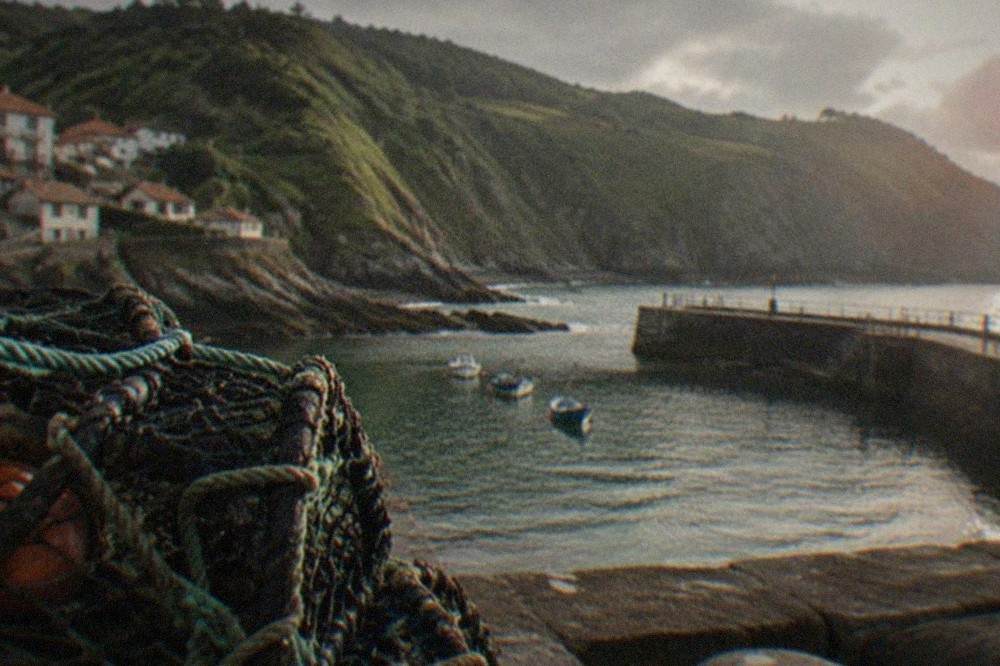
The village belongs to the Lemoiz municipality and shares its stretch of coast with the kinds of landscapes that make the Bizkaia shoreline famous: green headlands dropping straight into the Atlantic, a small boat ramp, and houses stacked where the terrain allows. There is no visitor centre and no ticketed attraction, which keeps it free of the crowds that gather at the headline sites.
That low profile is worth planning around rather than against. Armintza works best as one stop on a coastal loop, combined with a bigger village for lunch or with the Gaztelugatxe hermitage, whose dramatic causeway is the single most-photographed sight in Bizkaia. The Gaztelugatxe day trip guide covers that headland in detail.
How Do You Get To Armintza From Bilbao Without A Car?
Armintza has no train station and no metro stop, so reaching it from Bilbao means a Bizkaibus regional bus, a taxi, a rental car, or a guided day tour that includes the coast. Public transport fares in Bizkaia are zonal and Barik-card based: the CTB Barik fares page lists Metro Zone 1 at EUR 1.02 with a Barik card, and Bizkaibus Creditrans fares run from EUR 1.02 in one zone up to EUR 2.45 in five zones. Without a Barik card every fare is higher.
The Bizkaibus network is the backbone of car-free travel along this coast, the same system that runs the A3247 airport line every 15 minutes between Bilbao and BIO. Regional lines fan out from central Bilbao toward the coastal municipalities, and the Bizkaia transport consortium's integrated ticketing means one card covers metro, tram, city buses and regional buses alike. Check the current line map and timetables on the operator's own site before setting off, because rural coastal services run less frequently than city routes and a missed bus can mean a long wait.
| Transport mode | With Barik Creditrans | Without Barik (occasional single) |
|---|---|---|
| Metro Bilbao, Zone 1 | EUR 1.02 | EUR 2.00 |
| Metro Bilbao, Zone 2 | EUR 1.19 | EUR 2.20 |
| Metro Bilbao, Zone 3 | EUR 1.30 | EUR 2.25 |
| Bilbobus city bus | EUR 0.73 base (about EUR 0.44 after discount) | EUR 1.70 |
| Bilbao tram | EUR 0.74 flat | about EUR 2.00 |
| Bizkaibus regional bus | EUR 1.02 to EUR 2.45 by zone | higher, set by zone |
The Barik card itself is commonly reported to cost EUR 3 to buy, non-refundable, often with a minimum top-up of EUR 5; that purchase price comes from secondary sources rather than an official CTB page, so treat it as a commonly reported figure and confirm at the ticket machine. The discounted fares in the table, by contrast, are the official CTB figures.
For visitors who plan to move around the whole region rather than just ride once or twice, the Bilbao Bizkaia Card is the alternative worth weighing. The card's own site states the tiers plainly:
| Card duration | Price | What it covers |
|---|---|---|
| 24 hours | EUR 10 | Unlimited transport plus attraction discounts |
| 48 hours | EUR 15 | Same coverage, two days |
| 72 hours | EUR 20 | Same coverage, three days |
The Bilbao Bizkaia Card site notes the card is personal and non-transferable, activates on first use, and adds fastpass access at the main museums plus free Bilbao Turismo guided tours. Whether it beats a plain Barik card depends on how much museum-hopping a coast day involves; for a pure Armintza outing, the ordinary Barik is usually the simpler tool. The Bilbao Bizkaia Card guide runs the full comparison, and the renting-a-car options covered in this site's car-rental guide make the driving alternative worth weighing, since a car for a coastal loop offers flexibility that the bus timetable cannot match when several villages need to fit in one day.
For visitors who would rather not plan bus connections at all, a guided coastal tour removes the logistics entirely. The most popular format pairs the Gaztelugatxe headland with the fishing ports of Bermeo and Mundaka and the historic town of Gernika, a circuit that captures the essence of this coast in a single day. The operator's live listing carries the current price, and the tour below is the version this site tracks as its related recommendation for the coast.
What Can You Actually Do In Armintza For A Full Day?
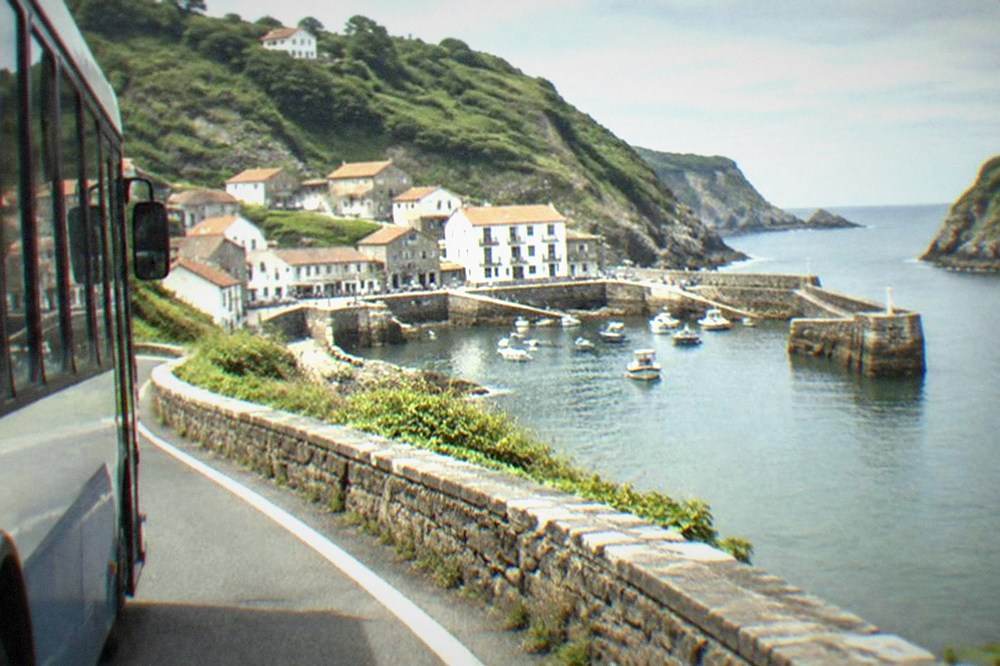
A day in Armintza is built on three things: the harbour and its rocky swimming coves, the cliff-path walking along the shore, and long seafood lunches at village bars where pintxos typically run EUR 2 to 5 each, per 2026 Basque food guides. There is no ticketed attraction, no entry fee and no queue; the village is the activity, and a typical stay runs two to four hours before moving on to a neighbouring stop on the coast road.
The harbour is the natural centre. Fishing villages on this coast still work for a living, and the boat ramp, nets and stone breakwater give the place its texture. Swimmers use the rocky coves rather than sandy beaches; the water is Atlantic, which means it is brisk even in August, and AEMET's Bilbao Aeropuerto/Loiu station (1082) normals put the August mean at just 20.9 C, so pack for cool sea conditions rather than Mediterranean expectations. This coast is temperate oceanic, Atlantic-influenced, and never behaves like the Mediterranean regardless of the calendar.
Walking is the second pillar. The coast path west of the village follows the clifftop, with the sea below and pasture above, and it is the kind of route that needs no map or permit, just sensible shoes and a check of the forecast. Rain here is not an occasional nuisance: AEMET's 1981-2010 normals for station 1082 show 1,134 mm spread across the year, with November the wettest month at 147 mm and July the driest at 50 mm. A waterproof in the bag is standard practice on any Bizkaia coast walk.
Eating is the third. The Basque food guides tracked in this site's research put traditional-bar pintxos at roughly EUR 2 to 5 per piece in 2026, with drinks such as txakoli or a small beer typically EUR 2 to 3.50, and a full crawl of four to six items plus drinks landing around EUR 25 to 45 per person. A village bar in Armintza sits at the modest end of that range. Check the board and confirm prices when ordering, because the same research notes occasional tourist-zone overcharging in the region's more visited bars.
| Activity in Armintza | What it involves | Cost basis |
|---|---|---|
| Harbour and coves | Rock pools, swimming, watching the boats | Free |
| Cliff-path walk | Coastal walking west along the shore | Free, weather dependent |
| Village bar lunch | Pintxos and drinks at village prices | Typically EUR 2-5 per pintxo, drinks EUR 2-3.50 |
| Photography | Harbour, cliffs, Atlantic light | Free |
| Coastal drive onward | Continue to Bakio, Plentzia or Gaztelugatxe | Fuel or bus fare only |
If a self-planned day feels thin, the guided options that touch this coast all bundle it with the bigger names. The classic pairing is the one already flagged above: the Gaztelugatxe access, the port of Bermeo and the history of Gernika in one guided circuit, with the operator's live listing carrying the current price and availability.
Where Does Armintza Fit On A Bizkaia Coast Road Trip?
Armintza fits best as the quiet first or last stop on a Bizkaia coast loop that takes in Bakio, the Gaztelugatxe headland and, for a longer day, the Urdaibai biosphere reserve east of the estuary. Going west, the natural pairing is Plentzia and the Sopelana surf beaches; going east, it is Bakio and Gaztelugatxe. One village per half-day is a comfortable pace, so a single day realistically covers two or three stops.
The reason to plan a loop rather than a single-village outing is simple: each of these places is small, and their appeal is cumulative. A morning in Armintza, lunch in Bakio, and an afternoon at the Gaztelugatxe viewpoint is the classic western circuit. The eastern alternative runs through the Urdaibai biosphere reserve, taking in Mundaka, the surf town, and Gernika with its Basque history, a route this site covers in its Urdaibai biosphere reserve guide.
| Coastal pairing | Character of the stop | Best combined with |
|---|---|---|
| Armintza | Quiet fishing harbour, rocky coves | Bakio or Plentzia |
| Bakio | Sandy beach village near Gaztelugatxe | Armintza and the Gaztelugatxe headland |
| Plentzia | Family beach town at the metro's end | Armintza and Sopelana |
| Sopelana surf beaches | Cliffs, surf, nudist sections | Plentzia and Armintza |
| Mundaka | World-famous left-hand surf wave | Bermeo and the Urdaibai reserve |
| Lekeitio | Historic fishing town with a causeway island | A longer eastern coastal day |
Gaztelugatxe deserves its own planning note because its access rules trip up visitors who arrive unprepared. A free timed reservation is required only on official "controlled access" days, roughly mid-June to about 20 September daily, plus Easter and holiday weekends on the yearly calendar; on all other days entry is free without any reservation. The daily cap on controlled days is 1,462 visitors, booking is always free through tiketa.eus, and reservations cover a maximum of 10 people. As of the most recent reporting, access reverted to free and uncontrolled from 21 September 2026 through the end of September. A handful of local romeria festival days, including 24 June, 31 July, 29 and 31 August and 30 December, are reserved for community events and are best avoided by tourists. The rest of the planning pages sit on Bilbao Travel Guide.
The guided-tour market exists largely because of that reservation system. Tours that advertise "access included" handle the timed-ticket logistics for you, which matters most in July and August when the controlled-access calendar is in force every day. The filming-history angle, for fans of the series that used the hermitage as a location, is covered in this site's dedicated Game of Thrones guide to the headland.
For visitors splitting a longer Basque Country stay between the coast and the city, the same booking platforms offer compact Bilbao walks that pair well with a coast day. A short small-group history tour of the Old Town on the morning you leave, or a classic-bike highlights ride on the morning you return, are the two formats this site tracks with strong review histories. Both are listed below with live pricing on the operator's pages.
The bike option suits a different kind of morning: it covers the riverside districts and the Guggenheim's exterior in a single loop, which works well on the day you return from the coast with energy left but no appetite for another museum queue.
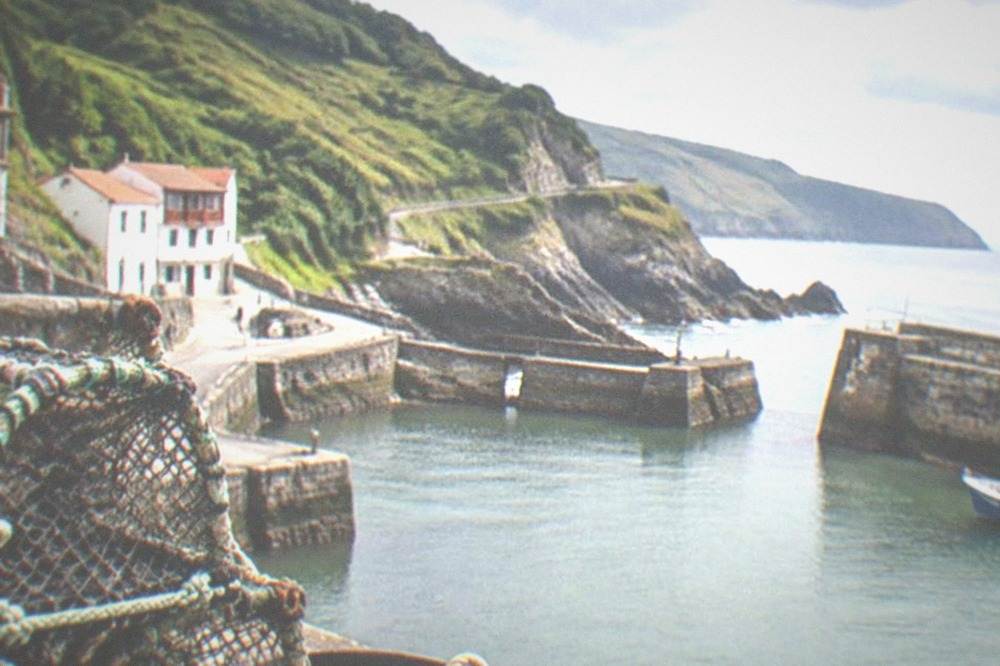
What Does The Weather Do On This Stretch Of Atlantic Coast?
Armintza's weather is temperate oceanic, Atlantic-influenced, never Mediterranean: AEMET's Bilbao Aeropuerto/Loiu station (1082), 1981-2010 normals, give a monthly mean temperature from 9.3 C in January to 20.9 C in August, an annual mean of 14.7 C, and 1,134 mm of rain a year. July and August are the warmest, driest months; November is the wettest at 147 mm. The coast is often breezier and cooler than the city inland.
The practical reading of those numbers: summer days on this shore are mild rather than hot, with the August mean maximum around 26 C inland at the airport station and noticeably fresher on exposed clifftops where the Atlantic wind blows. Swimmers and walkers should both plan layers. Rain can arrive in any month, and the difference between the driest month (July, 50 mm) and the wettest (November, 147 mm) is a matter of frequency rather than possibility; the November figure is nearly three times July's, but July is not dry in any absolute sense.
| Month | Mean temperature (C) | Mean precipitation (mm) | What it means on the coast |
|---|---|---|---|
| January | 9.3 | 120 | Cold, wet, quiet village |
| March | 11.5 | 90 | Green cliffs, changeable sky |
| May | 15.7 | 78 | Pleasant walking weather |
| July | 20.4 | 50 | Warmest, driest, busiest |
| August | 20.9 | 76 | Peak season, sea still brisk |
| September | 19.2 | 73 | Good light, thinning crowds |
| November | 12.4 | 147 | Wettest month, dramatic sea |
Shoulder seasons reward the flexible. September keeps most of the warmth with a fraction of the crowds, and the sea holds its summer temperature longer than the air does. Winter visits are entirely possible, and this site's off-season itinerary makes the case for them, but a winter coast day needs a hard rain plan. The Bilbao weather guide carries the full month-by-month table.
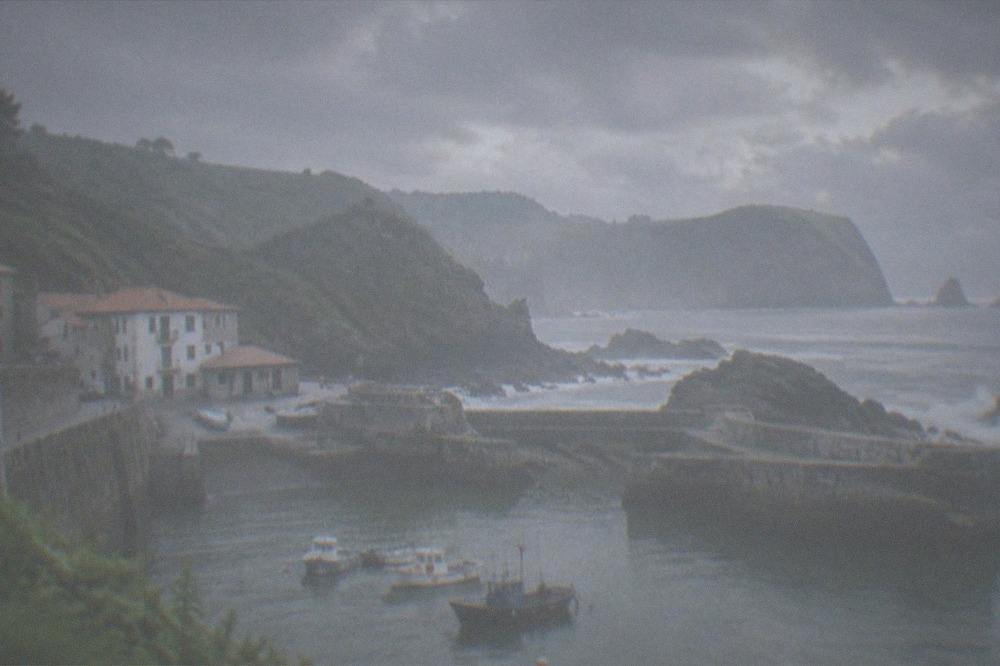
Where Can You Eat In And Around Armintza?
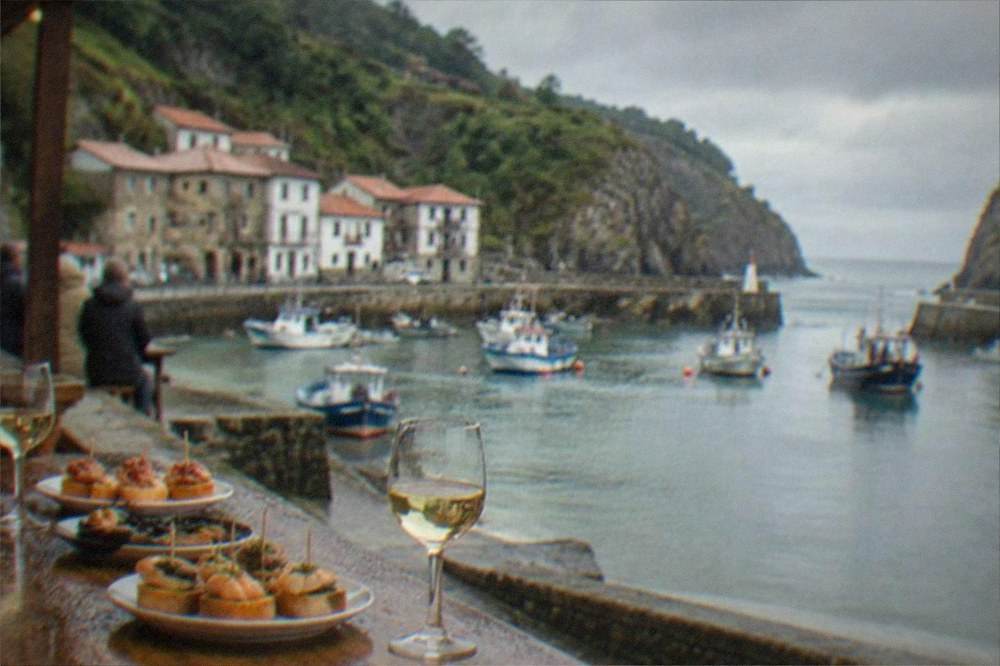
Eating around Armintza means village bars and seafood, with pintxos at traditional Basque bars typically priced EUR 2 to 5 per piece in 2026 and drinks such as txakoli at EUR 2 to 3.50, per the food-guide research this site tracks. There is no Michelin-level dining in a village this size; the starred kitchens of Bizkaia, including Azurmendi near Bilbao with its three retained stars, sit inland or in the city, and the coast's strength is the humble barra rather than the tasting menu.
The Bizkaia pintxo culture this coast belongs to is documented in depth on the best pintxos in Bilbao guide, which covers the championship-winning bars of the city. On the coast the same tradition runs simpler: a barra of tortilla, gildas, grilled fish and whatever the boats brought in, ordered piece by piece with a glass of txakoli, the lightly sparkling local white wine poured from a height.
A realistic budget for a coast day of eating, using the 2026 planning ranges from this site's food research: EUR 2 to 5 per pintxo, EUR 2 to 3.50 per drink, and a full crawl of four to six items plus drinks landing around EUR 25 to 45 per person. A sit-down seafood lunch at a village restaurant runs above that. These are planning ranges, not promises: check the board, ask the price, and expect the coastal premium over city neighbourhood bars.
Two habits make eating here smoother. First, Basque bars often display pintxos on the counter; point at what you want and keep a mental tally, settling up when you leave. Second, lunch hours are the real hours: the Spanish midday rhythm shapes a coast day more than any timetable, and arriving in a fishing village at 16:00 expecting a kitchen is the classic first-timer mistake. Eat when the locals eat, around 14:00, and the barra will be at its best.
What Should A First-Time Visitor Know Before Setting Off?
First-time visitors to Armintza should know four things: there is no tourist tax in 2026, because the Bizkaia regional tax takes effect only on 1 January 2027; public transport runs on the zonal Barik system with a card commonly reported to cost EUR 3; the coastal weather needs a waterproof even in summer; and the village has minimal services, so fuel, cash and a backup plan belong to the bigger stops on the loop. None of this is difficult, but all of it rewards knowing in advance.
The tourist tax point deserves precision because it changed recently. A Bizkaia-wide regional tourist tax, Norma Foral 3/2026, was approved in June 2026 but does not take effect until 1 January 2027. Bilbao's municipal plenary then set its own rates in September 2026: EUR 5 per night at 5-star hotels, EUR 4 at 4-star, EUR 2 at 3-star, EUR 1.50 at 2-star, EUR 1 at pensions, and EUR 6.50 for tourist apartments, the maximum allowed. Visitors travelling in 2026 pay nothing; visitors from 2027 onward should expect the charge on their hotel bill, and reservations made before early February 2026 are generally exempt.
Money and connectivity are the other quiet basics. Spain uses the euro, cards are widely accepted in cities and towns but small village bars can be cash-friendlier, so carry some notes for the barra. Spain is a founding-era Schengen member, so travellers already inside the Schengen area cross into the Basque Country with no border formalities at all; the long-haul entry picture from the United States is covered in this site's flights guide.
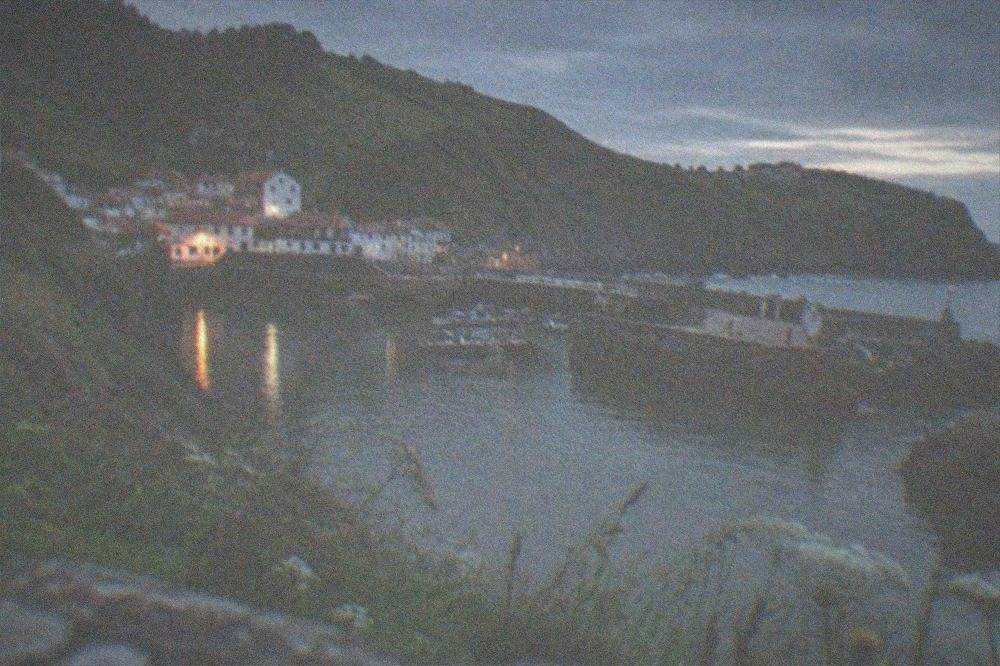
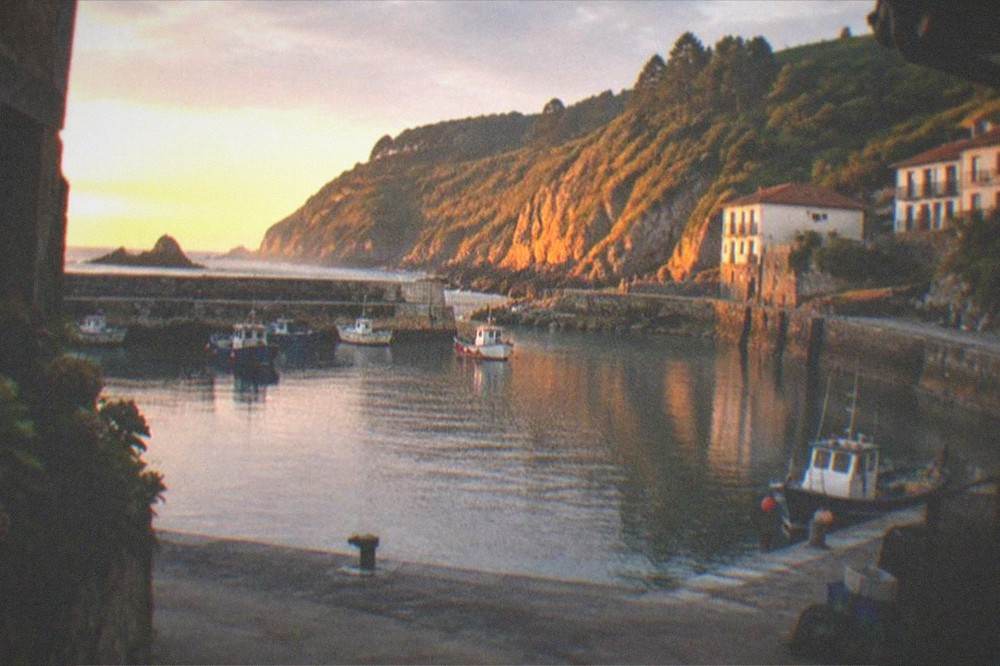
Finally, build the day around the sun rather than the clock. Atlantic coast light is at its best late in the afternoon, and the harbour at Armintza faces the open sea, which makes the end of the day the photographer's hour.
Common Questions About Armintza
Where is Armintza?
Armintza is a small coastal village in Bizkaia province, in the Basque Country (Euskadi) of northern Spain, on the Atlantic shore west of the Bilbao estuary, near the better-known villages of Bakio and Plentzia.
Can you reach Armintza by public transport from Bilbao?
Yes, by Bizkaibus regional bus, though there is no metro or train station. Fares follow the zonal Barik system: Bizkaibus Creditrans runs from EUR 1.02 in one zone to EUR 2.45 in five zones, with higher occasional singles without a card. Check the operator's timetable before travelling, as rural coastal services are less frequent than city routes.
Is Armintza worth visiting compared with Bilbao's beaches?
It depends on what you want. Armintza has no sandy beach and no major attraction; its appeal is a working harbour, rocky coves and quiet cliff walking. Visitors who want sand and surf should head to Sopelana or Plentzia instead, and visitors who want a famous sight should go to Gaztelugatxe.
Do you need a reservation for anything on this coast?
Only for San Juan de Gaztelugatxe, and only on official controlled-access days, roughly mid-June to about 20 September plus Easter and holiday weekends. The timed ticket is free, booked via tiketa.eus, capped at 1,462 visitors per controlled day and up to 10 people per reservation. Armintza itself needs no reservation for anything.
How much does a day on the Bizkaia coast cost?
Transport runs from about EUR 1.02 per zonal ride with a Barik card, and eating at traditional bars typically costs EUR 2 to 5 per pintxo with drinks at EUR 2 to 3.50, so a full crawl lands around EUR 25 to 45 per person. There is no tourist tax in 2026; the Bizkaia tax starts 1 January 2027.
When is the best time of year to visit Armintza?
July and August are the warmest, driest months, with AEMET's station 1082 normals showing means of 20.4 C and 20.9 C and 50 to 76 mm of rain, but September keeps most of the warmth with far fewer people. November is the wettest month at 147 mm, so autumn and winter visits need a proper rain plan.
Armintza will never top a list of famous Basque Country sights, and that is exactly why it earns its place on a Bilbao itinerary: a half-day of Atlantic coast, harbour life and a good barra, folded into a loop with Bakio, Plentzia or Gaztelugatxe, is the version of the Basque shoreline that the crowds miss.