Bilbao City Hall
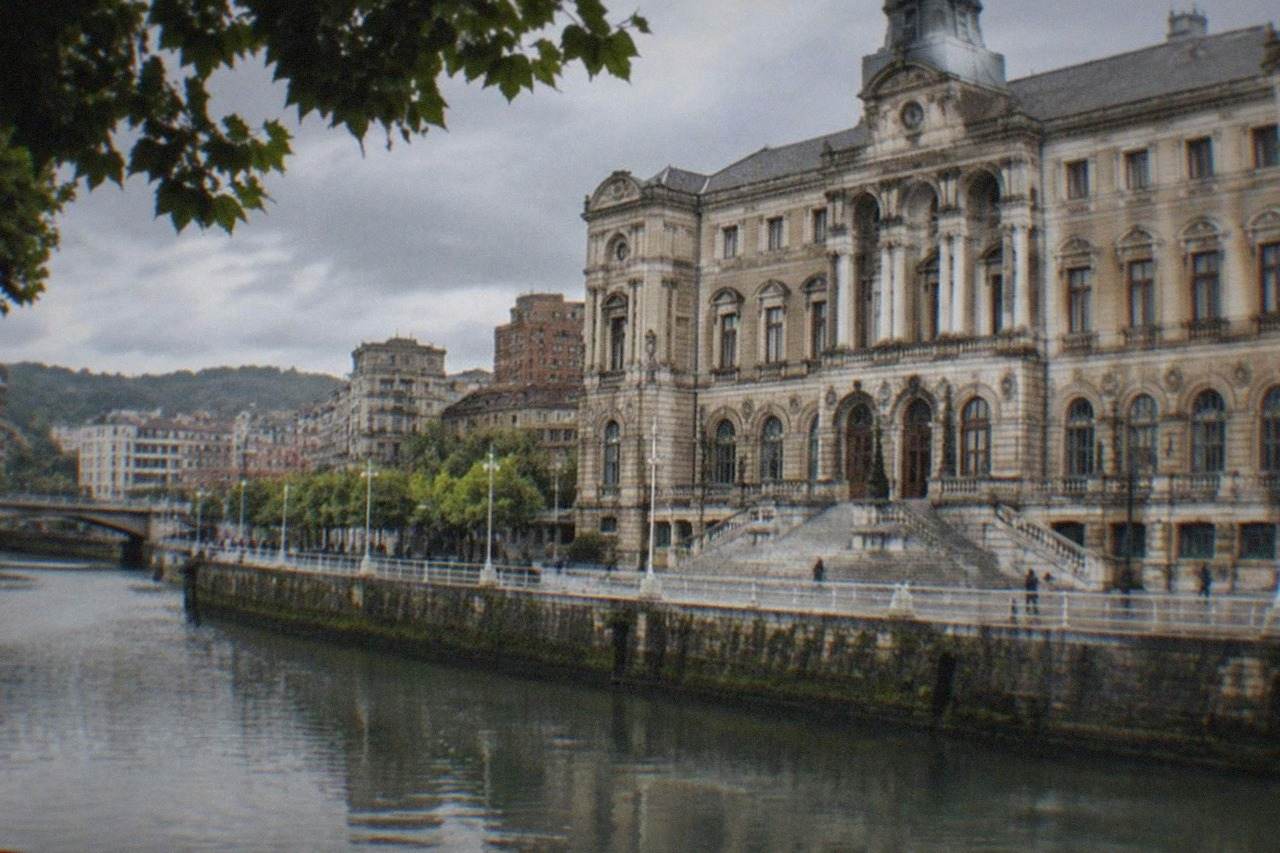
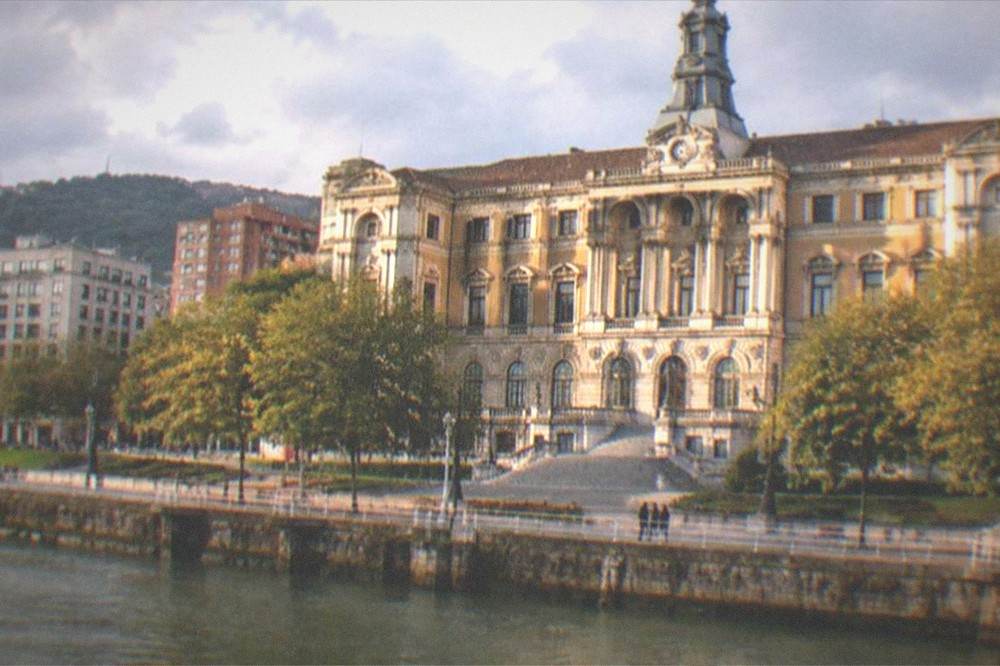
Bilbao City Hall anchors the Arenal, the tree-lined promenade where the Old Town meets the Nervion estuary, and it is one of the most photographed buildings in Bilbao, Biscay, northern Spain.
Short answer
Bilbao City Hall stands on the Paseo del Arenal facing the Nervion estuary, a short walk from the Casco Viejo and the Zubizuri bridge. The building itself is not a conventional visitor attraction with ticketed entry, but its ornate facade, the Arenal gardens around it, and the riverside walk in front of it make it one of the most rewarding free stops on a first Bilbao itinerary.
Bilbao City Hall, the seat of the municipal government of Bilbao in Biscay (Bizkaia) province, Basque Country, northern Spain, presides over the Paseo del Arenal, the promenade where the medieval street plan of the Casco Viejo gives way to the tidal Nervion estuary. The building is a richly ornamented civic landmark that visitors consistently photograph from the riverside walk. This guide covers what the building is, how to reach it, what surrounds it, and how it fits into a wider Bilbao itinerary, drawing on the verified fare, climate and visitor figures in the Bilbao Travel Guide fact base rather than on guesswork.
Where Is Bilbao City Hall And What Makes It Worth Seeing?
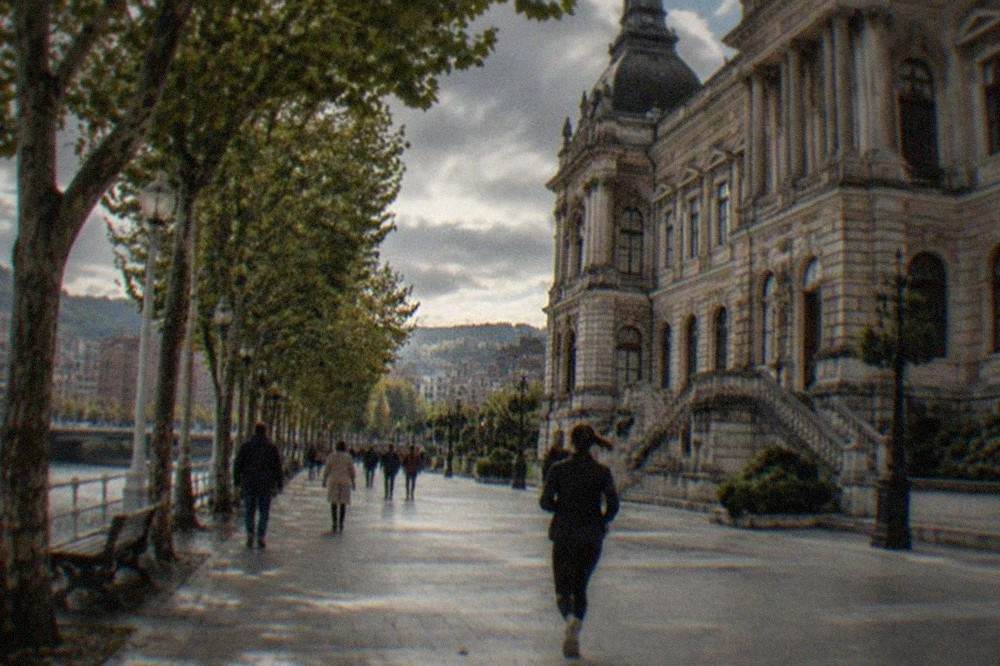
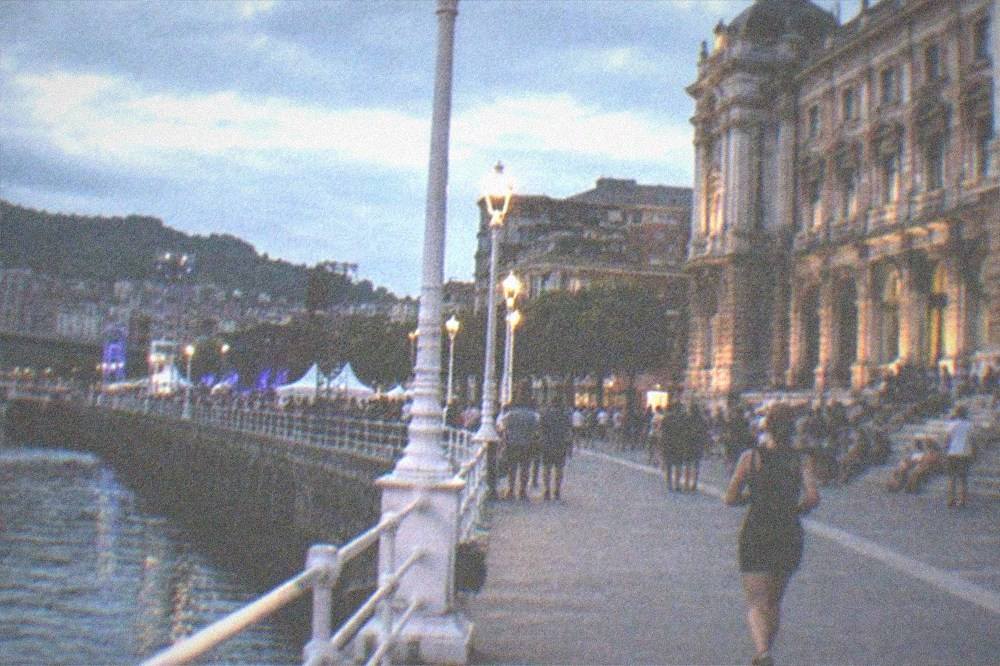
Bilbao City Hall sits on the Paseo del Arenal in central Bilbao, on the left bank of the Nervion estuary, roughly fifteen kilometres inland from the Bay of Biscay, directly opposite the start of the Ensanche district and a few minutes on foot from the Zubizuri bridge. The Arenal itself is the point where the city's two halves meet: the seven medieval streets of the Casco Viejo on one side and the grid of Abando and the Gran Via on the other. That junction is the practical reason the building rewards a stop.
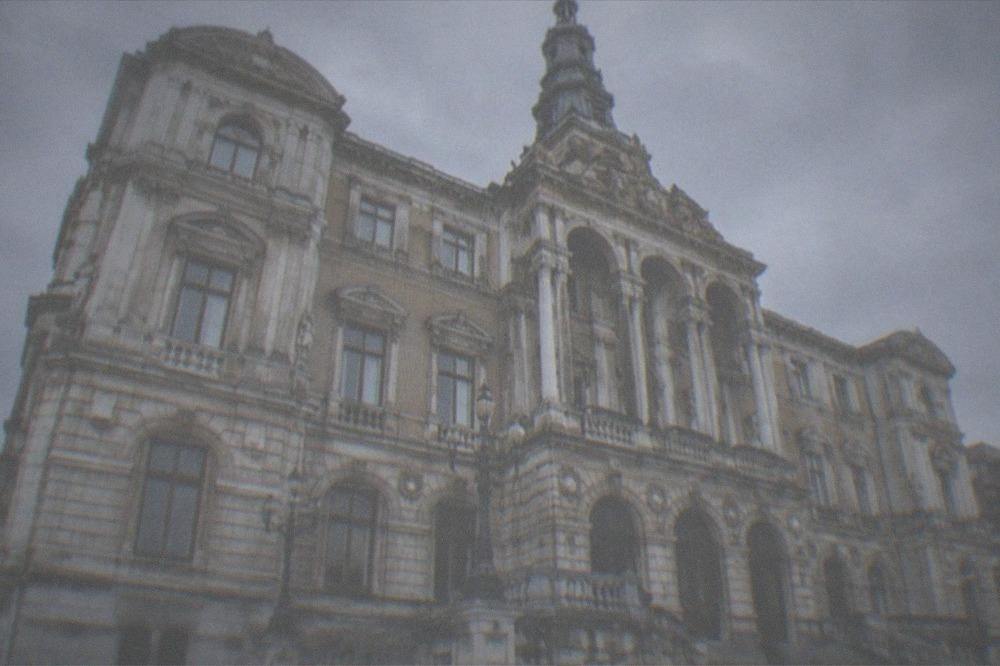
The facade is the draw. The building layers balconies, columns and sculptural detail in a style visitors often describe as more palace than office block, and its symmetry reads best from the riverside walk in front of it. The estuary is tidal here, so the water level in front of the promenade changes through the day, a small detail that surprises visitors who expect a placid river.
What makes the stop genuinely useful is its position rather than its interior. The Arenal gardens, the riverside walk toward the Teatro Arriaga, and the crossing points over the estuary all radiate from the City Hall's front door. A visitor who plans the morning around this one spot covers a disproportionate slice of central Bilbao without buying a single ticket.
How Do You Get To Bilbao City Hall?
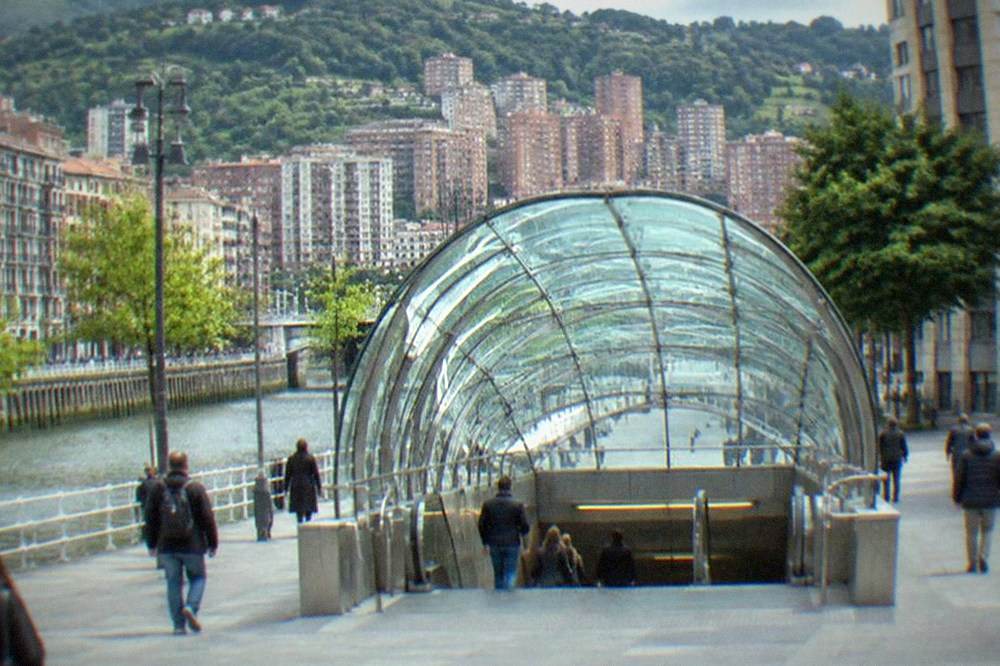
The Arenal is a five-to-ten minute walk from the Moyua and Abando transport hubs in the Ensanche, and the nearest metro stations sit within Bilbao's Zone 1, where a Barik Creditrans fare costs EUR1.02 per ride against EUR2.00 for a single ticket bought without a card. Those fares come from the CTB Barik fares page, which lists Metro Zone 1 at EUR1.02 with Barik and EUR2.00 without, with a two-hour validity on the single ticket. The tram runs along the estuary on the opposite bank at a Barik fare of EUR0.74 flat, per the same CTB page.
The practical choice is walking. Bilbao's centre is compact, the Arenal connects directly to the Old Town's Siete Calles, and the riverside walk from the Zubizuri bridge to the City Hall is a short, level stretch with the estuary in view the whole way. Visitors arriving from further out, say from the coast toward Gaztelugatxe, will typically transfer at a central metro station and finish on foot.
For visitors landing at Bilbao Airport, the Bizkaibus A3247 runs every fifteen minutes into the city centre, roughly 06:10 to 23:40 from the airport, with a EUR5 fare without a Barik card, per Aena's airport page. From the Termibus or Moyua stops the Arenal is a straightforward walk. A taxi from the airport to the centre runs approximately EUR24 to 29 with no airport supplement, according to the airport guidance in the site fact base.
| Transport option | Fare with Barik Creditrans | Fare without Barik | Notes |
|---|---|---|---|
| Metro, Zone 1 | EUR1.02 | EUR2.00 | Single ticket valid 2 hours |
| Metro, Zone 2 | EUR1.19 | EUR2.20 | Covers many estuary-edge districts |
| Bilbao Tram | EUR0.74 flat | approx. EUR2.00 | Runs along the opposite bank |
| Bilbobus city bus | approx. EUR0.44 effective | EUR1.70 | After the Barik discount |
| Bizkaibus A3247 airport bus | lower with Barik | EUR5 | Every 15 minutes, 15-25 min journey |
The Bilbao Bizkaia Card is the alternative to fussing with individual fares. The card's own site states 24 hours at EUR10, 48 hours at EUR15 and 72 hours at EUR20, covering unlimited transport plus attraction discounts, and it is personal and non-transferable. For a visitor whose day pairs the Arenal with the Guggenheim and a museum or two, the 24-hour tier is usually the one that pays for itself.
What Can You See Around Bilbao City Hall?
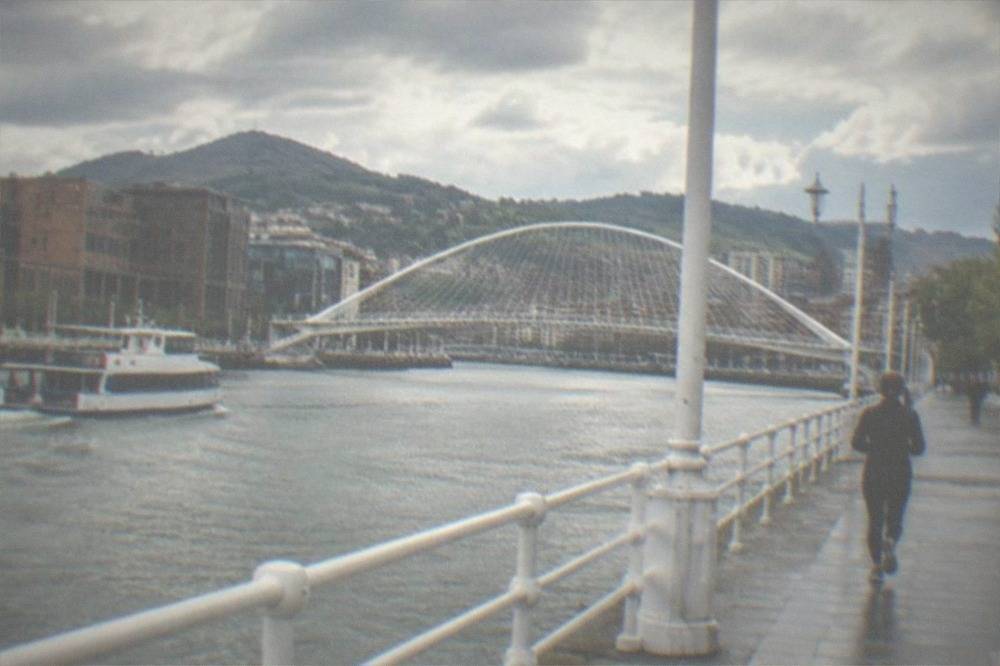
Within a ten-minute walk of Bilbao City Hall you can reach the Casco Viejo and its Siete Calles, the Zubizuri bridge, the Teatro Arriaga, the Cathedral of Santiago, the Mercado de la Ribera and the Arriaga theatre district, all without crossing a fare boundary or buying a ticket. That density is the single best argument for anchoring a first morning here. The Mercado de la Ribera sits at the downstream end of the Old Town, and the Plaza Nueva arcades sit at its heart, both a level, signposted walk from the Arenal.
Cross the estuary and the scale changes. The Zubizuri footbridge lands near the Azkuna Zentroa, and the riverside path continues past the Euskalduna Palace to the Guggenheim Museum Bilbao, whose own site lists adult admission at EUR18 and Tuesday-to-Sunday opening from 10:00 to 19:00, extending to 20:00 during Easter week and from 15 June to 13 September. The walk is one of the city's signature stretches, with the Puente de la Salve visible ahead of you well before you reach the museum.
A guided walk is the efficient way to absorb this corridor if your time is short. The small-group Old Town walking tour covers the historic quarter that sits directly behind the City Hall, and the e-bike highlights tour stretches the same day out to the Guggenheim and the riverside districts. Both are bookable products whose current prices and ratings render on their live listings.
For visitors whose day is museum-heavy, the entry ticket to the Guggenheim is the product most often paired with this district, since the museum is a riverside stroll from the Arenal.
| Nearby sight | Segment of the city | What it is | Ticket needed |
|---|---|---|---|
| Casco Viejo and Siete Calles | Old Town | Medieval street plan behind the Arenal | No |
| Zubizuri bridge | Estuary crossing | White curved footbridge | No |
| Teatro Arriaga | Old Town edge | Opera house by the Arenal | Only for performances |
| Mercado de la Ribera | Old Town | Covered market hall | No |
| Azkuna Zentroa | Ensanche | Culture centre and swimming pool complex | For some exhibitions |
| Guggenheim Museum Bilbao | Abandoibarra | Contemporary art museum | Yes, EUR18 adult |
Is Bilbao City Hall Open To The Public?
Bilbao City Hall is a working municipal building, not a ticketed museum, so there is no public admission price, no published visitor opening schedule and no permanent exhibition inside; what visitors actually experience is the exterior, the Arenal gardens and the riverside setting, at any hour and for free. That distinction matters for planning. A visitor who arrives expecting a stately-home interior will be standing in front of a functioning government office, and the building's civic role is exactly why the facade, not the hallway, is the sight.
The building does host civic events. The Arenal in front of it is one of the city's principal public spaces, and during Aste Nagusia, Bilbao's nine-day August festival, confirmed by the municipal site for 22 to 30 August 2026 with the txupin opening at 19:00 in Plaza Arriaga, the whole district around the City Hall turns into the festival's stage. Concerts, fireworks at 22:30 on the competition nights and the txosnas of the konpartsak fill the promenade and the streets behind it.
If your visit falls in that window, the practical advice is simple: expect crowds, expect noise, and expect the riverside walk to be the busiest it gets all year. Outside festival week the Arenal is calm, and early morning is when the facade photographs best, with the light coming down the estuary from the Bay of Biscay side.
What Is The History Behind Bilbao City Hall?
Bilbao City Hall is the municipal seat of a city that grew from a medieval port town on a tidal estuary into an industrial and banking centre, and the building's deliberately monumental style announces that civic self-confidence, facing the water rather than turning its back to it. The building belongs to the same era of expansion that produced the Ensanche grid across the river, and its position on the Arenal reflects how central the estuary was, and remains, to the city's identity.
The estuary in front of you is tidal, roughly fifteen kilometres from the open Bay of Biscay, and the city's whole geography hangs off that fact. The river that carried Bilbao's iron-ore trade is the same river the Guggenheim now overlooks, and the Arenal, once the sandy channel edge where ships were built, became the promenade that stitches the two halves of the city together. The City Hall sits at the hinge.
Eustat's municipal register puts Bilbao's population at 346,933 as of 1 January 2025, a mid-sized city by Spanish standards, and Bilbao Ekintza's 2025 tourism report cites 1,396,841 visitor entries and 2,723,725 overnight stays across hotels and tourist apartments combined, figures that explain why the space in front of the City Hall is managed as a visitor stage as much as a civic square. The municipal building has quietly become one of the most photographed pieces of that stage.
When Is The Best Time To Visit Bilbao City Hall?
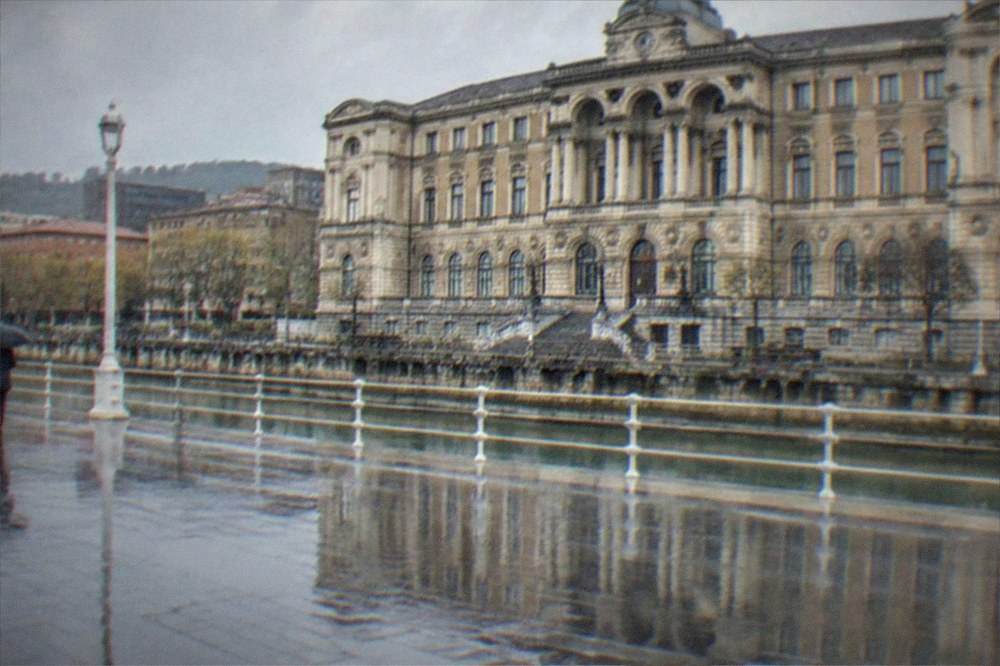
July and August are the warmest and driest months to stand on the Arenal, with AEMET's Bilbao Aeropuerto/Loiu station (1082) 1981-2010 normals showing mean temperatures of 20.4 C and 20.9 C and monthly rainfall of 50 mm and 76 mm respectively, while November is the wettest month at 147 mm and January the coolest at 9.3 C. Those figures describe a temperate oceanic, Atlantic-influenced climate, not a Mediterranean one, and they carry the planning consequence that matters here: the facade is a free, outdoor sight, so the weather genuinely decides how long you linger.
The rain is not a dealbreaker, it is a rhythm. Bilbao averages 1,134 mm of precipitation a year spread across every month, and the Arenal's plane trees and the arcades of the nearby Plaza Nueva give you somewhere to wait out a shower without abandoning the district. A rainy-day plan that starts at the City Hall facade and detours into the covered market, the arcades or the museums across the river loses almost nothing to the weather.
| Month | Mean temperature (C) | Mean precipitation (mm) | Character for the Arenal |
|---|---|---|---|
| January | 9.3 | 120 | Cool and wet, quiet promenade |
| April | 12.6 | 107 | Mild, green gardens |
| July | 20.4 | 50 | Warmest-driest pairing, busiest |
| August | 20.9 | 76 | Aste Nagusia festival month |
| September | 19.2 | 73 | Warm, thinner crowds |
| November | 12.4 | 147 | Wettest month, indoor-heavy days |
August deserves a special note beyond the weather. Aste Nagusia 2026 runs 22 to 30 August, and the Arenal and the adjoining Old Town streets are the festival's core territory. If your dates are flexible and you want the facade to yourself in the morning light, any month outside that window does it; if you want the city at its loudest, that is the week to book.
How Much Does A Visit To Bilbao City Hall Cost?
A visit to Bilbao City Hall and the Arenal costs nothing, and the surrounding district can be done almost entirely free, with the Guggenheim at EUR18 adult admission and the Bilbao Fine Arts Museum at EUR12 from 14 October 2026 being the two main paid stops within walking distance. The Fine Arts figure carries a caveat worth knowing before you plan: the museum's own planning page reports it closed from 31 August to 5 October 2026 for final renovation works, reopening 6 October 2026 with a free entry week from 6 to 13 October. The joint Artean pass with the Guggenheim is reported at EUR16 general, EUR8 reduced, though that reopening pricing is a single-source claim stated as reported here.
The tourist tax is the other cost question visitors increasingly ask, and the answer is dated rather than simple. A Bizkaia-wide regional tourist tax under Norma Foral 3/2026 takes effect on 1 January 2027, with Bilbao's municipal rates approved in September 2026 at EUR5 per night for five-star hotels, EUR4 for four-star, EUR2 for three-star, EUR1.50 for two-star, EUR1 for pensions and EUR6.50 for tourist apartments. Visitors staying in 2026 pay no tourist tax; the charge applies to stays from the start of 2027, and reservations made before early February 2026 are generally exempt.
| Item | Cost | Notes |
|---|---|---|
| City Hall facade and Arenal | Free | Outdoor, any hour |
| Guggenheim Museum adult ticket | EUR18 | Under-18s free, per the museum's site |
| Bilbao Fine Arts Museum adult | EUR12 | From 14 Oct 2026, as reported |
| Joint museum pass (Artean) | EUR16 general / EUR8 reduced | Single-source claim, stated as reported |
| Bilbao Bizkaia Card 24h | EUR10 | Unlimited transport plus discounts |
| Tourist tax (2026 stays) | None | Tax takes effect 1 January 2027 |
Transport is the last line of the budget. With Barik Creditrans the central-zone fares run at roughly a euro a ride across metro, tram and bus, and the card itself is commonly reported to cost EUR3 to buy, though that purchase price comes from a weaker source than the official CTB fares page and should be treated as provisional. The Bilbao Bizkaia Card's own site gives the 24-hour tier at EUR10, which compares well against four or five individual rides plus the attraction discounts the card's site lists.
How Does Bilbao City Hall Fit Into A Wider Basque Country Trip?
Bilbao City Hall works best as the anchor of a central-Bilbao morning combined with an afternoon or full day along the coast or inland, with San Sebastián reachable by direct bus in roughly one hour twenty minutes and Gaztelugatxe, Bermeo and the Rioja wine region all served by regular day tours from the city. The bus figures for San Sebastián come from the site's verified day-trip research, and the coastal and inland itineraries each have dedicated coverage in the San Sebastian day trip and Gernika pages of this site.
The pairing that suits this page best is Guggenheim-first. A morning on the Arenal and in the Old Town, the riverside walk to the museum after lunch, and a late-afternoon return along the opposite bank covers the city's two faces in one day. Visitors who want a second day of coast and hermitage scenery can move to the Gaztelugatxe corridor, where a free timed reservation is required only on official controlled-access days, roughly mid-June to about 20 September plus Easter and holiday weekends per the yearly calendar, with a daily cap of 1,462 visitors on controlled days and booking always free via tiketa.eus for up to 10 people per reservation.
For a taste of the Basque Country beyond Biscay, the Pamplona and Vitoria day trip is the roster's option that reaches two historic cities in one outing, and the Dragonstone entry tour covers the Gaztelugatxe islet with the access ticket included. Both are products whose live prices and ratings render on their own listings rather than being typed here.
The Pamplona and Vitoria outing is the one to pick when the cities themselves, rather than the coast, are the goal: it pairs a historic inland capital with Vitoria-Gasteiz's old town in a single day from Bilbao.
The honest summary is that the City Hall is a fifteen-minute sight that sits at the centre of a walkable district. Give it the facade, the gardens and the river view, then let the Arenal deliver you to whichever half of Bilbao you have not seen yet.
Common Questions About Bilbao City Hall
Can you go inside Bilbao City Hall?
Bilbao City Hall is a working municipal building rather than a ticketed attraction, so there is no published public visiting schedule or permanent exhibition inside. What visitors experience is the exterior, the Arenal gardens and the riverside setting, all free and accessible at any hour.
How much does it cost to see Bilbao City Hall?
Nothing. The facade, the Arenal promenade and the surrounding Old Town district are all free to walk. The main paid stops nearby are the Guggenheim Museum at EUR18 adult admission per the museum's own site and the Bilbao Fine Arts Museum at EUR12 from 14 October 2026, as reported.
How do I get to Bilbao City Hall by public transport?
The Arenal sits in Metro Bilbao's central Zone 1, where the CTB Barik fares page lists a Creditrans fare of EUR1.02 with a Barik card against EUR2.00 for a single ticket without one. The tram runs along the opposite bank at a Barik fare of EUR0.74 flat, and the whole district is a short walk from the Abando and Moyua hubs.
What is near Bilbao City Hall?
The Casco Viejo and its Siete Calles, the Zubizuri bridge, the Teatro Arriaga, the Cathedral of Santiago, the Mercado de la Ribera and the Plaza Nueva arcades are all within a ten-minute walk, and the riverside path continues past the Azkuna Zentroa and the Euskalduna Palace to the Guggenheim Museum.
When is the best time to photograph Bilbao City Hall?
Early morning, outside the Aste Nagusia festival window. AEMET's 1981-2010 normals for Bilbao show July and August as the warmest, driest months, but Aste Nagusia, confirmed for 22 to 30 August 2026, fills the Arenal with festival crowds, so any other month gives you the facade in quiet light.
Is there a tourist tax in Bilbao?
Not in 2026. A Bizkaia regional tourist tax under Norma Foral 3/2026 takes effect on 1 January 2027, with Bilbao's approved rates running from EUR1 per night for pensions to EUR5 for five-star hotels and EUR6.50 for tourist apartments. Reservations made before early February 2026 are generally exempt.