Lekeitio
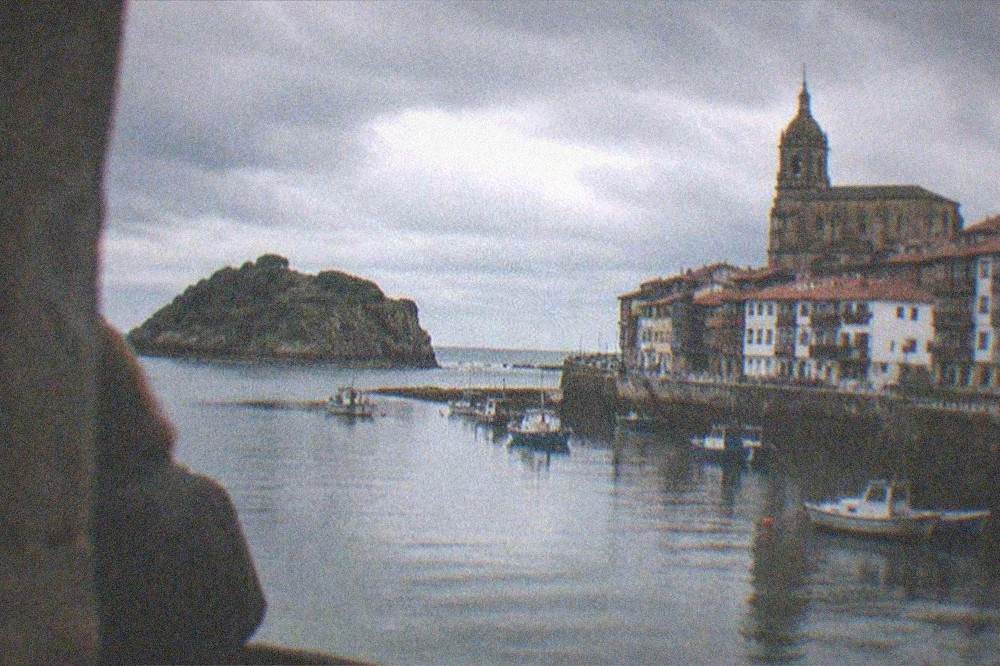
Lekeitio is a small fishing town on the Biscay coast of the Basque Country, east of Bilbao in northern Spain, with a working harbour, a Gothic basilica and a long sand beach that most visitors from Bilbao still have not discovered.
Short answer
Lekeitio is a coastal fishing town in Biscay province, Basque Country, northern Spain, reached from Bilbao by regional bus in well under two hours. It pairs a working port and a Gothic basilica with the sand beach of Isuntza and an offshore island that empties of people at low tide, making it one of the quietest full-day coastal escapes from the city.
Lekeitio is a small fishing town on the Atlantic coast of Biscay (Bizkaia) province, in the Basque Country of northern Spain, sitting east of Bilbao on a stretch of shoreline the day-trip crowds mostly pass by on their way to better-known names. Where San Sebastián gets the coach parties and Gaztelugatxe gets the Game of Thrones fans, Lekeitio keeps a working harbour, a sand beach that opens onto an island at low tide, and a Gothic basilica that dominates the skyline from almost every street in the old town. Bilbao's own tourism economy is booming, with Bilbao Ekintza's 2025 report citing 1,396,841 visitor entries and 2,723,725 overnight stays across hotels and tourist apartments, but very little of that pressure reaches this town, which is exactly why it earns a page on Bilbao Travel Guide rather than a passing mention.
This guide covers what the town actually is, how the journey from Bilbao works, what to see in a day, when to go, what the day costs, and how to pair Lekeitio with other stops along the Biscay coast. It also flags the two Bilbao-wide facts that catch 2026 and 2027 visitors off guard: the Bizkaia tourist tax that does not take effect until 1 January 2027, and the temperate oceanic climate that makes November, not August, the month to plan around.
Where Is Lekeitio And What Kind Of Town Is It?
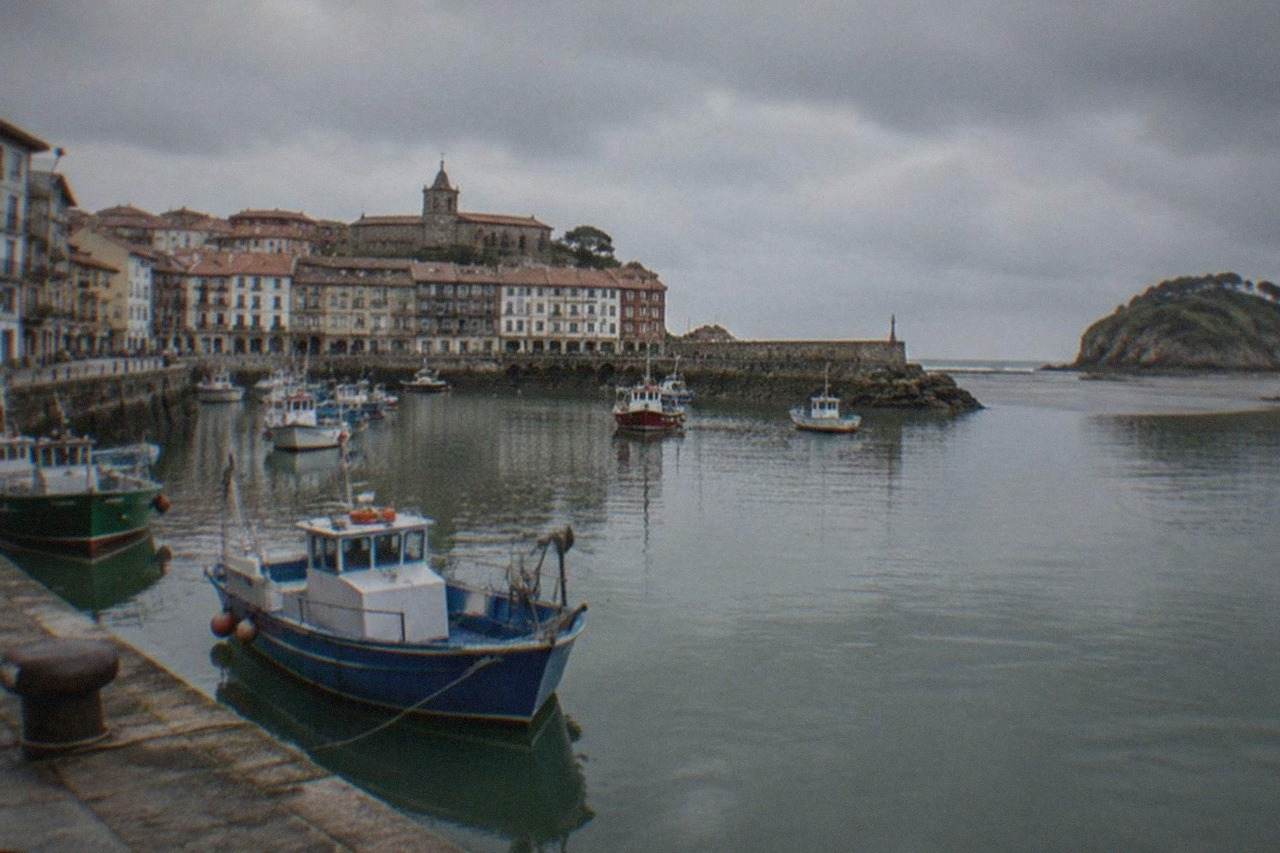
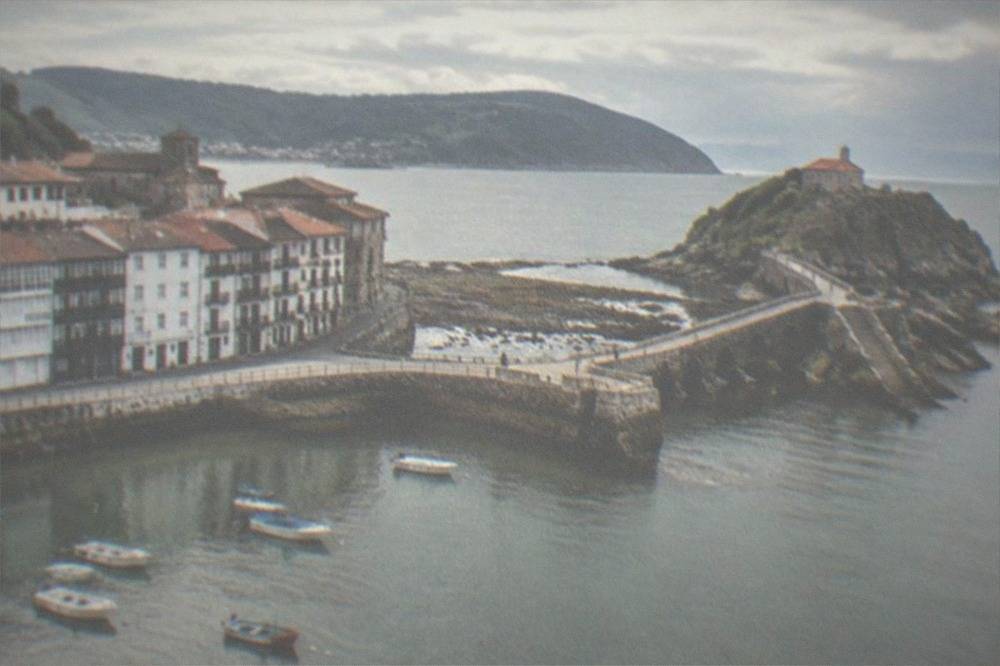
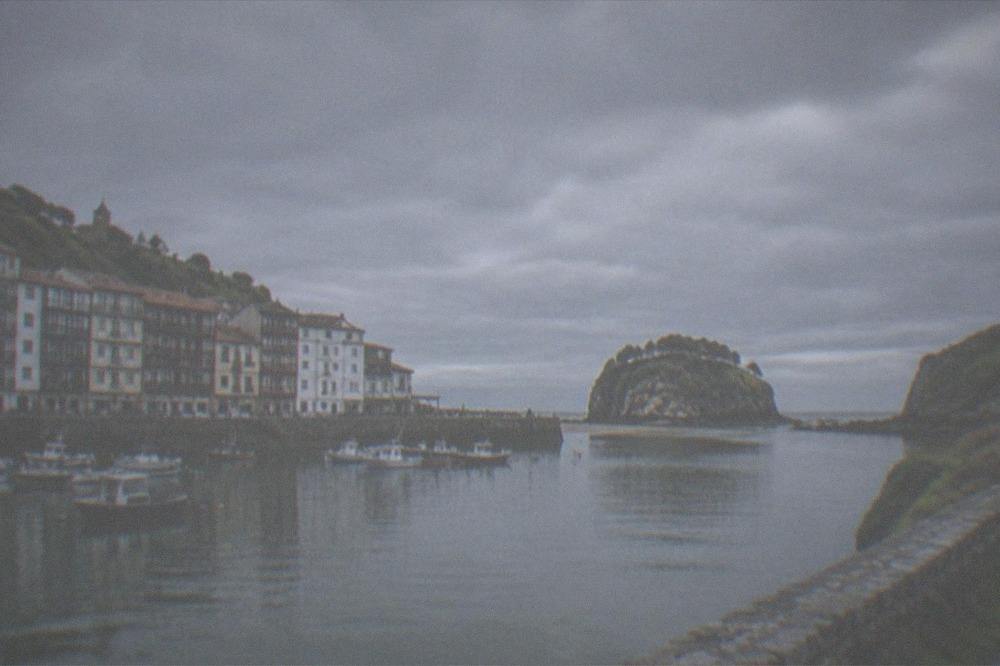
Lekeitio is a fishing town on the Atlantic coast of Biscay province, Basque Country, northern Spain, roughly an hour's drive east of Bilbao along the shore of the Bay of Biscay. It sits at the mouth of a small river estuary, with the old town stacked above a working harbour, the sand beach of Isuntza curving along the waterfront, and the island of San Nicolas lying just offshore, reachable on foot across the sand at low tide.
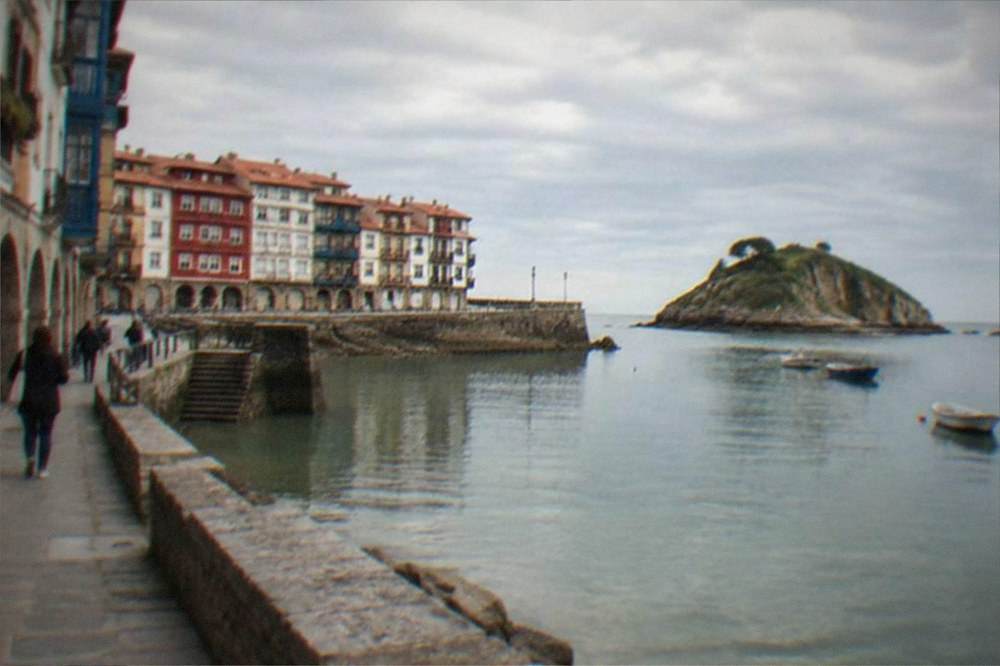
The town's identity is still fishing before tourism. Boats work from the harbour, the fish market still functions, and the waterfront bars serve whatever the fleet brought in rather than a menu written for visitors. The skyline belongs to the Basilica of Santa Maria de la Asuncion, a large Gothic church built on the wealth the town's whalers and fishermen generated in earlier centuries, with an ornate portal that is the single most photographed piece of stonework in Lekeitio. Behind the basilica, the old town is a compact grid of narrow streets, painted facades and stone arcades, small enough to cross in twenty unhurried minutes.
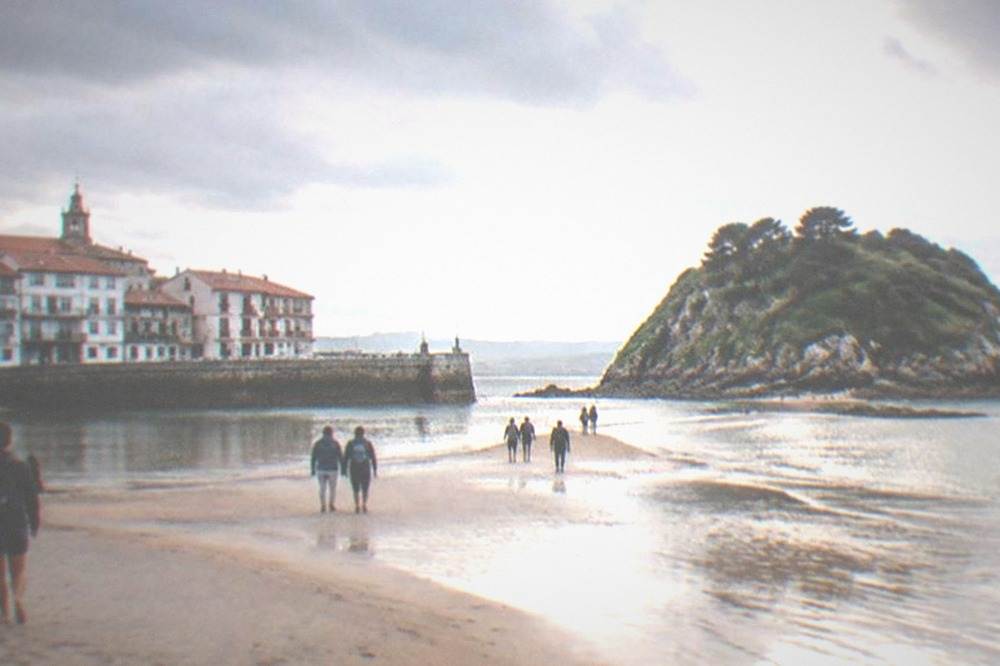
The island of San Nicolas is the feature that makes the beach unusual. At high water it is a green lump offshore with a hermitage on top; at low tide the sea pulls back far enough to expose a sand crossing, and people walk out to it. The tide, not a timetable, decides whether the island is a destination or a view, so checking the day's tide table before you leave Bilbao is the one piece of planning that genuinely changes the day. The Atlantic here is the same Bay of Biscay that makes Mundaka and Sopelana famous with surfers, though Lekeitio's beach is a family swimming beach rather than a wave spot.
What the town is not matters too. It is not a resort: there is no promenade of high-rise hotels, and the accommodation stock is small. It is not primarily a food destination in the San Sebastián sense, though the fish restaurants along the harbour are honest and good. And it is not a museum town: you come to walk, swim, eat fish and look at the sea, and the whole visit happens outdoors.
How Do You Get From Bilbao To Lekeitio?
The practical route from Bilbao to Lekeitio is the regional Bizkaibus network, which runs east along the Biscay coast from Bilbao's intermodal bus station, with a Barik card cutting the fare substantially compared with the occasional single ticket. There is no metro line to Lekeitio, no rail link, and no tour-boat connection: the coast road and the bus that uses it are the whole public-transport story.
For context on fares, the Consorcio de Transportes de Bizkaia's own fare pages give the framework that applies across the region. With a Barik Creditrans purse, Bizkaibus journeys cost EUR1.02 for one zone rising to EUR2.45 for five zones; occasional single tickets bought without a Barik card run higher, from around EUR2.00 up to EUR4.50 depending on zones, and the airport line A3247 is a fixed EUR5 without Barik. The Barik card itself is commonly reported to cost EUR3 to buy, non-refundable, though that purchase price comes from a secondary source rather than an official CTB page, so treat it as a commonly reported figure rather than a guaranteed one. The Bilbao Bizkaia Card site states its own tiers: 24 hours for EUR10, 48 hours for EUR15 and 72 hours for EUR20, covering unlimited transport plus attraction discounts, personal and non-transferable.
| Transport option | With Barik Creditrans | Without Barik (occasional) | Notes |
|---|---|---|---|
| Bizkaibus regional bus, 1 zone | EUR1.02 | approx EUR2.00 | Coastal routes east of Bilbao |
| Bizkaibus regional bus, 3 zones | EUR1.40 | approx EUR2.00-4.50 by zone | Longer coastal hops |
| Bizkaibus airport line A3247 | lower with Barik | EUR5 fixed | Airport only, every 15 minutes |
| Metro Bilbao, Zone 1 | EUR1.02 | EUR2.00 | City and west-bank network only |
| Bilbao Tram | EUR0.74 flat | approx EUR2.00 | City centre only |
The practical points for the day itself are simple. Check the Bizkaibus timetable for the coastal line serving Lekeitio before you travel, because frequency thins outside peak periods and on public holidays. Carry a Barik card if you have one, or accept the occasional fare. And build the day around the bus you intend to catch back: this is a small town whose evening transport options narrow sharply once the afternoon services end. Anyone who would rather not manage coastal bus timetables at all can fold Lekeitio into a wider Basque coast plan, and the guided options later in this guide cover that route.
Driving is the flexible alternative. The coast road east of Bilbao is a normal two-lane regional road, and parking in Lekeitio is street-based and busiest around the beach in summer. A hire car also opens the pairing logic in the second half of this guide, combining Lekeitio with Ondarroa, the Urdaibai estuary or the Gaztelugatxe access roads in a single loop. For drivers, the same warning applies as everywhere on this coast: the scenic road is the slow road, and a "quick" coastal loop is slower than the map suggests.
What Are The Best Things To See In Lekeitio In A Day?
A full day in Lekeitio covers four things comfortably: the harbour and fish market at the east end, the Gothic Basilica of Santa Maria de la Asuncion above the old town, the beach of Isuntza along the waterfront, and the low-tide walk to the island of San Nicolas offshore. Add the walk out to the headland lighthouse if the weather holds, and the day is complete without a single ticketed attraction.
Start at the harbour. The port wall, the boats and the fish market are the reason the town exists, and the morning is when they are live rather than decorative. The old town climbs behind the port in a tight grid, and the basilica sits at its top end; the church's portal is the town's signature piece of stonework, carved in the flamboyant Gothic style that Biscay's coastal wealth paid for. The building is open to visitors outside service times, and it costs nothing to enter.
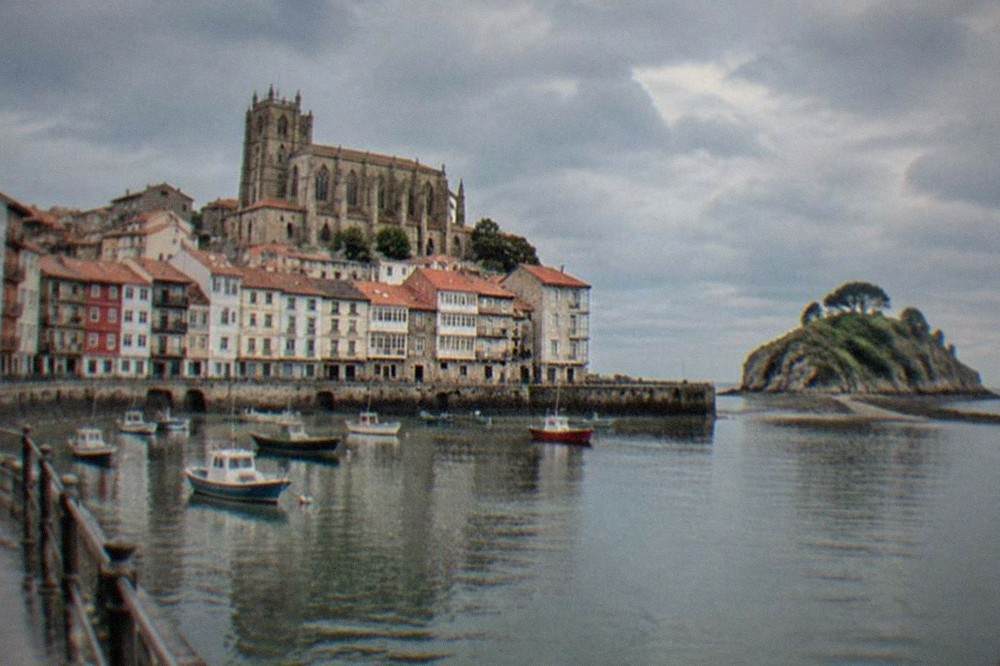
The beach of Isuntza runs along the town's waterfront, sandy and sheltered, with the island of San Nicolas directly opposite. The low-tide crossing to the island is the town's signature experience: a stretch of exposed sand connects the beach to the island, and the island itself is a short, grassy walk with a hermitage and views back along the coast. The crossing is entirely tide-dependent, so the day's tide table decides your schedule. If the tide is wrong, the beach is still the best place to spend the middle of the day, and the harbour-front bars are within a minute's walk.
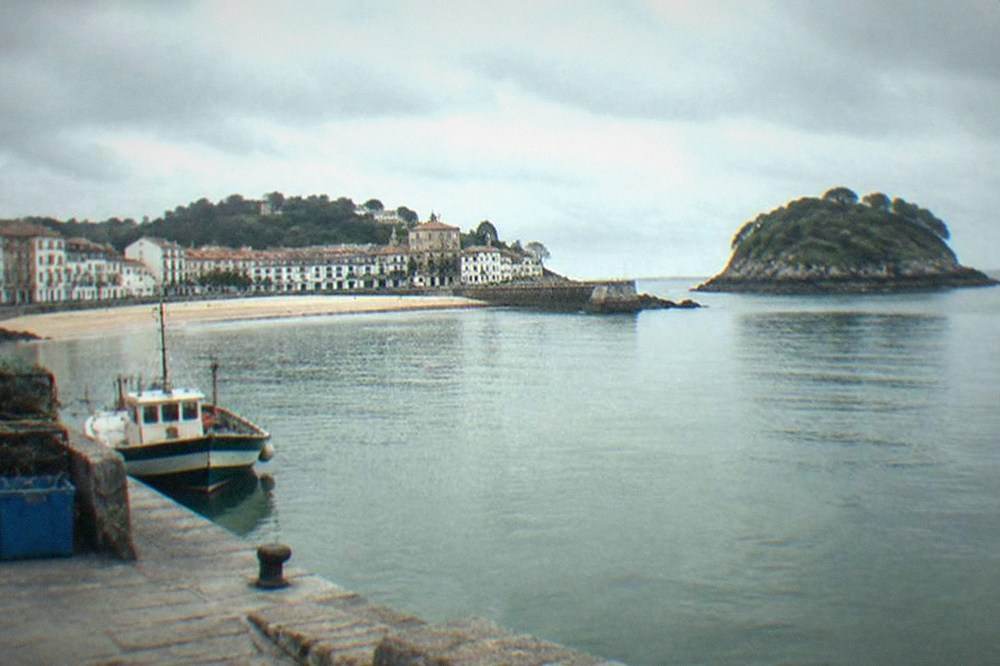
The headland walk fills the afternoon. A path leads out along the rocky point toward the lighthouse, with the island on one side and the open Bay of Biscay on the other, and the return leg drops back into town past the western end of the beach. The walk is short enough for families and exposed enough that a windproof layer earns its place in the day pack; this is the Atlantic coast, and even in August the wind off the water carries a chill in the afternoon.
Two practical notes round out the sightseeing picture. First, Lekeitio has no major ticketed attraction, which is part of its appeal: the day is walking, swimming and eating, and the only scheduled events are the tides. Second, the town is compact enough that nothing on this list is more than fifteen minutes' walk from the bus stop or the harbour, so there is no route-planning problem to solve once you arrive.
When Is The Best Time Of Year To Visit Lekeitio?
The best months to visit Lekeitio are July and August for the warmest, driest weather, with June and September close behind as quieter alternatives, because AEMET's Bilbao Aeropuerto/Loiu station (1082) 1981-2010 normals show the region's temperate oceanic climate peaking at a 20.9 C mean in August with only 76 mm of rain, while November is the wettest month at 147 mm. The beach and the island crossing both depend on this rhythm, so the season matters more here than for Bilbao's indoor sights.
The climate frame comes from AEMET's official normals for the airport station, which is the authoritative published series for this destination. The pattern is classic temperate oceanic: mild winters, warm but not hot summers, and rain distributed across every month of the year rather than concentrated in a wet season. The annual mean is 14.7 C with 1,134 mm of rain, and no month is dry in the Mediterranean sense.
| Month | Mean temp (C) | Mean rainfall (mm) | What it means for a Lekeitio day |
|---|---|---|---|
| January | 9.3 | 120 | Cold, wet; harbour and basilica weather only |
| March | 11.5 | 90 | Quiet old town, unreliable beach |
| May | 15.7 | 78 | Pleasant walking, sea still cold |
| July | 20.4 | 50 | Best beach month, warmest water |
| August | 20.9 | 76 | Peak season, liveliest town |
| September | 19.2 | 73 | Warm sea, thinner crowds |
| November | 12.4 | 147 | Wettest month; indoor Bilbao is the better plan |
The August caveat is Aste Nagusia. Bilbao's own festival runs 22-30 August 2026, with the txupin opening on 22 August at 19:00 in Plaza Arriaga, and those nine days fill Bilbao's hotels with festival visitors, which pushes accommodation prices up across the whole region including the coast. If your Bilbao dates fall in that window, book everything early or aim for early August instead.
The shoulder-season argument for Lekeitio is stronger than for most coastal towns. September still carries a 19.2 C mean and only 73 mm of rain, the sea is at its warmest after a full summer of sun, and the August crowds have gone home. June is similar on paper at 18.4 C and 60 mm, though the water is colder. What neither month guarantees is the tide: the island crossing needs a low tide in daylight hours, and that alignment shifts daily, so check the tide table against your travel date, not just the weather forecast.
What Does A Lekeitio Day Trip Cost?
A Lekeitio day trip costs almost nothing in attraction fees, because the basilica, the beach, the island crossing and the headland walk are all free; the real budget is transport and food, with the regional bus fare running from EUR1.02 with a Barik Creditrans card up to roughly EUR2.00-4.50 as an occasional single depending on zones, and harbour-front fish restaurants carrying the day's only meaningful spend.
The transport arithmetic is where a Barik card pays for itself quickly. The CTB Barik fares page gives Bizkaibus Creditrans prices of EUR1.02 for one zone through EUR2.45 for five zones, against occasional singles that run higher; if you are making any other Barik-accepting journey in Bilbao on the same trip, including the metro at EUR1.02 for Zone 1 with Barik against EUR2.00 without, the card's commonly reported EUR3 purchase price is recovered within a day of moderate use. The Bilbao Bizkaia Card is the alternative if you want unlimited travel plus attraction discounts for a fixed 24/48/72-hour price of EUR10/15/20, though for a single coastal day trip the pay-per-journey Barik purse is usually the cheaper tool.
| Day trip cost item | Typical figure | Source basis |
|---|---|---|
| Bizkaibus coastal fare, with Barik | EUR1.02-2.45 by zone | CTB official fare page |
| Bizkaibus occasional single | approx EUR2.00-4.50 by zone | CTB/Bizkaibus fare pages |
| Bilbao Bizkaia Card 24h | EUR10 | Official card site |
| Basilica of Santa Maria | free entry | Town's principal church, no ticketed admission |
| Beach, island crossing, headland walk | free | Public space, tide-dependent |
| Bizkaia tourist tax | none in 2026; from 1 Jan 2027 | Norma Foral 3/2026, reported and dated |
The tourist tax line deserves its own paragraph because it is the newest and most misunderstood figure in the region. A Bizkaia-wide regional tourist tax under Norma Foral 3/2026 does not take effect until 1 January 2027, and Bilbao's own municipal plenary approved its rates in September 2026: 5-star hotels at EUR5 per night, 4-star at EUR4, 3-star at EUR2, 2-star at EUR1.50, pensions at EUR1, and tourist apartments at EUR6.50, the maximum allowed. Visitors in 2026 pay no tourist tax anywhere in Bizkaia; visitors from 2027 do, with reservations made before early February 2026 generally exempt. Any guide telling you the tax is already being collected this year is ahead of the law.
Food is the flexible line in the budget. The harbour-front restaurants are fish houses, and prices reflect the catch rather than a resort markup; a midday menu at a local bar is the budget play, and a sit-down fish lunch is the splurge. The pintxo culture that Bilbao is famous for exists here too, in a smaller, more local register, and a crawl of two or three harbour bars with a drink each is a legitimate lunch. As with every bar in this region, prices are posted: check the board before you order, because the occasional tourist-facing overcharge in coastal old towns is a documented pattern in the region's own safety reporting.
Can You Combine Lekeitio With Other Basque Coast Stops?
Yes, Lekeitio combines naturally with the other coastal towns east of Bilbao, especially Ondarroa next door along the same shore, the fishing town of Mundaka and the Urdaibai Biosphere Reserve around the Gernika estuary, and the Gaztelugatxe hermitage islet, and the most efficient way to link them is either a hire car on the coast road or a small-group coast tour that handles the driving and the Gaztelugatxe reservation rules for you.
The pairing logic is geographic. Lekeitio sits on the eastern stretch of the Biscay coast, and the same region includes Ondarroa, another working fishing port; the Urdaibai estuary with its birdlife and the historic town of Gernika inland; Mundaka at the mouth of the estuary, famous for its left-hand surf wave; and San Juan de Gaztelugatxe, the hermitage-crowned islet reached by a stone causeway and steps. A single day can honestly cover Lekeitio plus one or two of these, but not all of them: the coast road is slow, and Gaztelugatxe alone absorbs several hours with the walk out and back.
Gaztelugatxe has its own access rules, and they are the detail that catches independent travellers out. A free timed reservation is required only on official controlled-access days, which run roughly from mid-June to about 20 September daily plus Easter and holiday weekends on the yearly calendar; on all other days access is free without a reservation. The daily cap on controlled days is 1,462 visitors, booking is always free through tiketa.eus with a maximum of 10 people per reservation, and a reservation is typically cancelled if you arrive more than an hour late. As of the most recent reporting, access reverted to free with no reservation from 21 September 2026 through the end of September. Certain romeria festival days, including 24 June, 31 July, 29 and 31 August and 30 December, are reserved for local events and tourists are advised not to visit. A guided tour that includes access management removes this entire checklist from your morning.
The tour route makes sense for a different reason than convenience: the coast's highlights are scattered along a road with thin public transport, and a small-group tour converts a fragmented day of bus changes into a single loop. The Gaztelugatxe, Bermeo, Mundaka and Gernika circuit with a txakoli tasting is the classic version, pairing the islet with the fishing ports and the historic town, and the operator's live listing carries the current price and availability. A Vizcaya Bridge and Gaztelugatxe combination adds the UNESCO-listed transporter bridge at Portugalete, where the gondola crossing costs EUR0.60 one way for pedestrians in daytime hours and the high walkway ticket is reported at EUR11 adult round trip, EUR9 reduced, a single-source figure to verify on the operator's own site.
For the independent version, the honest advice is to pick two stops, not four. Lekeitio plus Ondarroa is the natural coastal pair, close enough that the bus or car hop between them is trivial. Lekeitio plus Gernika swaps one coastal stop for Basque history, pairing the harbour town with the town whose name became a global symbol of the Basque people and whose oak tree remains the emblem of Basque liberties. And Lekeitio plus Gaztelugatxe is the ambitious version, workable with an early start and a confirmed reservation in the controlled season. If your Bilbao itinerary already includes a San Sebastian day trip or a Rioja wine day trip, keep Lekeitio for the coastal day rather than doubling up on long drives.
Where Should You Eat In Lekeitio?
The places to eat in Lekeitio are the harbour-front fish restaurants and the old town pintxo bars, because the town's food culture runs on the local catch rather than on a visitor menu, and the strongest strategy is a fish lunch by the port followed by pintxos and a glass of txakoli in the old town rather than one long sit-down meal.
The fish house logic is straightforward: a working fishing port with a functioning fish market feeds the restaurants nearest to it, and the harbour-front kitchens are the ones that menu whatever came in that morning. Grilled fish, squid in its ink and hake in the green salsa style the Basque Country is known for are the regional staples, and in a port this size the kitchen's reputation rests on freshness rather than invention. Lunch service in this region runs late by northern European habits, and the kitchens fill in the middle of the afternoon.
The pintxo alternative is the same culture that makes Bilbao's best pintxos bars worth a dedicated evening, in miniature. In Bilbao itself, recent guides and the regional pintxo championships keep flagging the same Plaza Nueva names, with Gure Toki, El Globo and Sorginzulo among the most cited, and La Bodeguita del 12 winning the 2025 Bizkaia traditional pintxo championship; typical prices at traditional bars run around EUR2-5 per pintxo with drinks at EUR2-3.50, and a crawl of four to six items plus drinks commonly lands around EUR25-45 per person. Lekeitio's version of this is smaller and cheaper-feeling, with bars that serve locals first, which is the point.
Txakoli is the local pour. The lightly sparkling white wine of the Basque coast, poured from a height into shallow glasses, is the region's house wine, and the txakoli country of Bizkaia's coastal hills is the same wine region the txakoli-tasting coast tours pass through. Order it by the glass with fish and you are drinking the most local thing on the menu.
One honest warning from the region's own safety reporting: occasional tourist overcharging in old-town bars is a documented, if uncommon, pattern on the Basque coast. The defence is the same everywhere: prices are posted, check the board or the menu before ordering, and pay attention to the bill in busy periods. It is a low-level nuisance in an otherwise safe destination; Bilbao's own 2025 crime balance shows thefts dominating a modest overall picture, and the coast towns are quieter still.
What Should You Know Before You Go To Lekeitio?
Before you go to Lekeitio, know three things: the tide table decides the island walk, the regional bus timetable decides your return, and the weather comes from the Atlantic rather than the Mediterranean, so pack a layer even in a month with a 20 C mean, because AEMET's normals show rain falling in every single month of the year in this part of northern Spain.
The packing point is the one visitors from southern Spain most often get wrong. The Basque coast is not the Costa del Sol: the climate is temperate oceanic, the wind off the Bay of Biscay is cooling even in August, and a warm afternoon can follow a wet morning in any month. A windproof layer, shoes that handle wet stone, and a plan B for rain are the standard kit for any coastal day trip from Bilbao, and the Bilbao packing guide covers the same logic for the city itself.
The tide point is unique to this town. The island of San Nicolas is only walkable when the tide is low enough to expose the sand crossing, and that window shifts by roughly an hour a day. Look up the tide table for the date, pick the low-tide window, and structure the day around it: harbour and basilica first, island crossing at low tide, beach and lunch after, headland walk last. Get it backwards and the island is a view instead of a destination.
The transport point is the practical one. Coastal bus frequency is not metro frequency, and the last comfortable return to Bilbao comes earlier than you expect in the shoulder and off seasons. Confirm the day's timetable before you leave Bilbao, note the stop, and set an alarm for the return bus you intend to catch. Anyone who would rather the logistics were someone else's problem can check availability on the guided coast options through the operator's live listing, where free cancellation terms are standard.
Two final planning notes for the wider trip. If Lekeitio is one stop on a bigger Basque Country itinerary, the question of how many days to base in Bilbao is worth settling first, because the city's day-trip radius is unusually rich; the how many days in Bilbao guide works through it. And if you are weighing the coast against the city's indoor heavyweight, the Guggenheim Museum Bilbao costs EUR18 for an adult ticket and opens Tuesday to Sunday from 10:00 to 19:00, extending to 20:00 during Easter week and from 15 June to 13 September, which pairs neatly with a rainy coastal day that Lekeitio's beach cannot rescue.
Common Questions About Lekeitio
Common Questions About A Lekeitio Day Trip From Bilbao
Where is Lekeitio?
Lekeitio is a small fishing town on the Atlantic coast of Biscay (Bizkaia) province, in the Basque Country of northern Spain, east of Bilbao along the shore of the Bay of Biscay. It is known for its working harbour, the Gothic Basilica of Santa Maria de la Asuncion, the beach of Isuntza and the offshore island of San Nicolas.
How do you get from Bilbao to Lekeitio?
The practical public-transport route is the regional Bizkaibus network running east along the Biscay coast from Bilbao's intermodal bus station. With a Barik Creditrans card, Bizkaibus fares run from EUR1.02 for one zone up to EUR2.45 for five zones per the CTB's official fare pages; occasional singles without a Barik card cost more. There is no metro or rail link to Lekeitio. Confirm the day's timetable before travelling, because coastal frequency thins outside peak periods.
What is the best time of year to visit Lekeitio?
July and August are the warmest, driest months, with AEMET's Bilbao Aeropuerto/Loiu station (1082) 1981-2010 normals showing a 20.9 C mean in August and only 50 mm of rain in July. September is the strong shoulder-season pick at a 19.2 C mean with 73 mm of rain and the warmest sea of the year. November is the wettest month at 147 mm and the weakest month for a beach town.
Can you walk to the island of San Nicolas?
Yes, at low tide. The sea pulls back far enough to expose a sand crossing from the beach of Isuntza to the island, which has a hermitage and coastal views. The window shifts daily with the tide, so check the tide table for your date and structure the day around the low-tide period; at high water the island is a view, not a destination.
Is there a tourist tax in Lekeitio?
Not in 2026. A Bizkaia-wide regional tourist tax under Norma Foral 3/2026 takes effect on 1 January 2027, with Bilbao's approved municipal rates running from EUR1 per night at pensions to EUR5 at 5-star hotels and EUR6.50 for tourist apartments. Current-year visitors pay no tourist tax, and reservations made before early February 2026 are generally exempt from the 2027 charge.
Can you combine Lekeitio with Gaztelugatxe in one day?
Yes, with an early start and a confirmed reservation in the controlled-access season. A free timed ticket for San Juan de Gaztelugatxe is required only on official controlled days, roughly mid-June to about 20 September daily plus Easter and holiday weekends, with a daily cap of 1,462 visitors and free booking via tiketa.eus for up to 10 people. Outside those days access is free without a reservation, though the coast road is slow enough that two stops, not four, is the honest daily maximum.
Lekeitio rewards exactly the kind of traveller who has already seen Bilbao's titanium curves and wants the coast the city looks out toward: a harbour that still works, a beach that empties an island at low tide, fish that arrived the same morning, and a bus back to the city in time for pintxos. Pick the month around the rainfall table, pick the day around the tide table, and the town does the rest.