Balmaseda
Balmaseda is a small inland town in Biscay province, in the Basque Country of northern Spain, about an hour from Bilbao by road and rail, and it makes a quiet, low-cost contrast to the coastal day trips available from the city.
Short answer
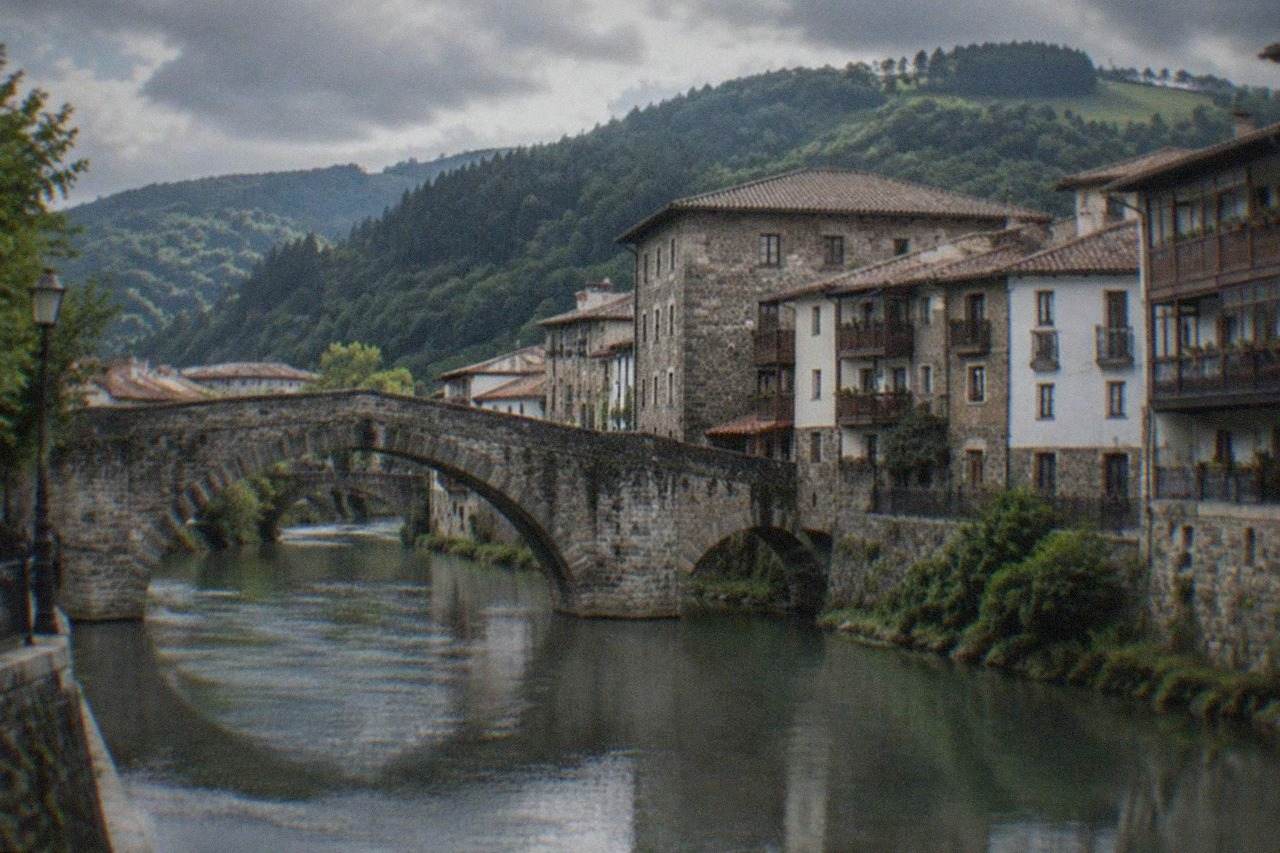
Balmaseda is a historic medieval town in the mountains of Biscay province, Basque Country, northern Spain, reachable from Bilbao as a half-day or full-day trip. It is known for its old bridge, its iron and textile history, and its Holy Week processions, and it suits travellers who want a small-town Basque experience away from the coast.
Balmaseda is a small, historic town in the mountains of Biscay (Bizkaia) province, in the Basque Country (Euskadi) of northern Spain, and it sits inland from Bilbao in the valley of the Kadagua river. It is one of the quieter day-trip options from the city: no beach, no blockbuster museum, no Game of Thrones filming site. What it offers instead is a genuinely medieval core, a working small-town atmosphere, and a look at the inland Bizkaia that visitors who never leave the Bilbao estuary simply never see. This guide covers what Balmaseda is, how to think about getting there from Bilbao, what it costs, when to go, and how it compares with the other day trips on offer from the city.
The town's identity is built on two things: its founding charter, which makes it one of the oldest chartered towns in Biscay, and its industrial past in ironworking and textiles. Both left visible marks. The old quarter is compact enough that a slow loop of its streets, its bridge and its churches takes a couple of hours, which is exactly why it pairs well with a relaxed lunch rather than a rushed itinerary. If your instinct is to compare it with San Sebastian or the coast at Gaztelugatxe, adjust expectations: Balmaseda is a half-day town that rewards unhurried walking, not a headline attraction.
What Is Balmaseda And Why Do Bilbao Visitors Go There?
Balmaseda is a small inland town in Biscay province, Basque Country, northern Spain, founded in the medieval period as one of Bizkaia's earliest chartered towns, and visitors from Bilbao go there for its old stone bridge, its narrow old quarter, its Holy Week processions and its iron-and-textile history rather than for any single famous monument. It is a destination for travellers who have already seen Bilbao's Guggenheim and Casco Viejo and want a slower, smaller, more local Basque experience for a few hours.
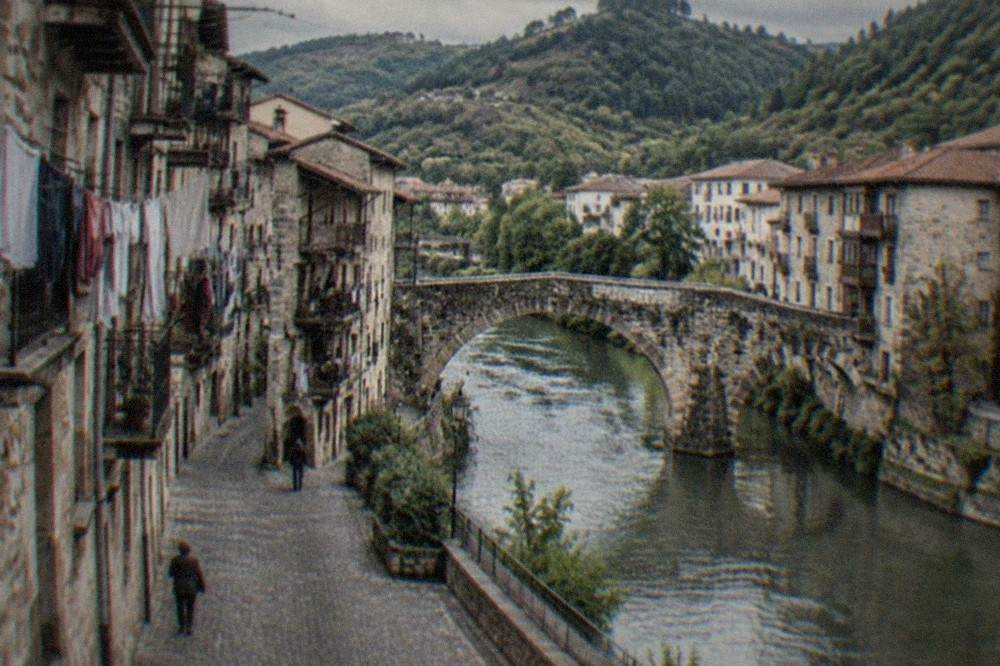
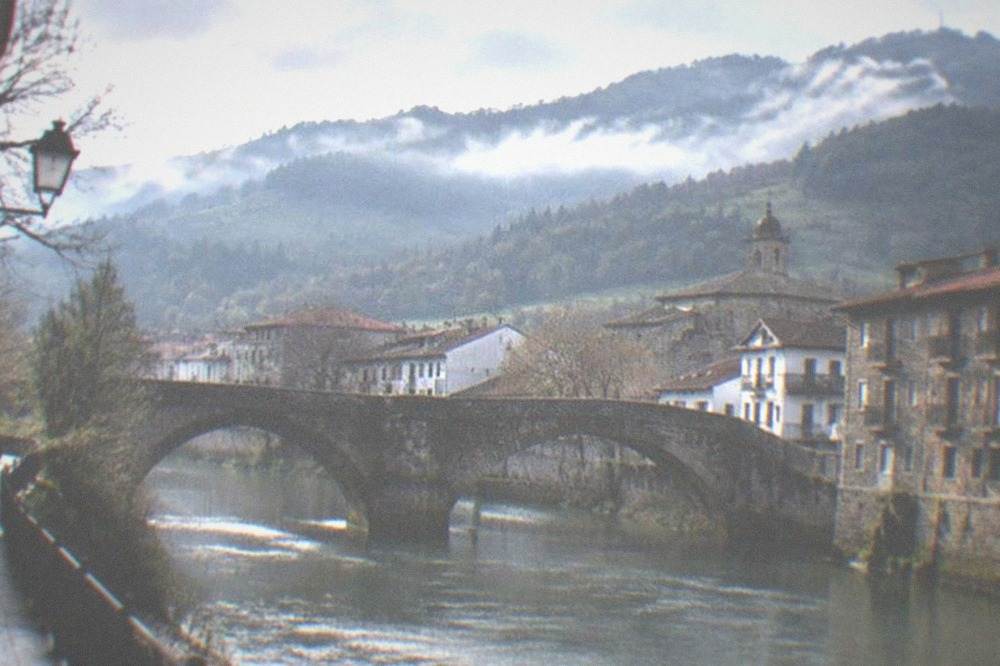
The town grew up around a crossing point on the Kadagua river, and the bridge at its heart is the natural starting point of any visit. From there the old quarter spreads out in a compact web of narrow streets, with churches and former merchant houses marking the town's centuries as a stop on the route between the Castilian plateau and the coast. That route position is the key to Balmaseda's whole history: iron ore, wool and textiles all moved through this valley, and the town's wealth was built on that trade long before Bilbao itself industrialised.
The most distinctive event in the local calendar is Holy Week, when Balmaseda's processions draw visitors from across the province. If your trip to Bilbao falls over Easter, the town is one of the most atmospheric inland options available, but it will also be busier than usual on those days. Outside that week, Balmaseda is quiet, sometimes very quiet, which is either its charm or its limitation depending on what kind of day you want.
For context on how Bilbao's own big attractions work, see the Guggenheim Museum Bilbao guide; a city museum day pairs well with a separate day trip, and Balmaseda fits the second slot.
How Do You Get From Bilbao To Balmaseda?
Balmaseda is reachable from Bilbao by the Bizkaia region's public transport network, using the same Barik card system that covers the metro, Bilbobus city buses, Bizkaibus intercity buses and Euskotren trains, so a visitor holding a Barik card or a Bilbao Bizkaia Card can make the trip on the integrated fare system rather than buying a separate long-distance ticket. The town is inland, in the Kadagua valley, and the journey leaves the Bilbao estuary behind and climbs into the province's western mountains.
The practical detail that matters most is which modes your ticket covers. The CTB Barik fares page gives Metro Zone 1 at 1.02 EUR with a Barik card against 2.00 EUR without one, and Bizkaibus Creditrans fares run from 1.02 EUR for one zone up to 2.45 EUR for five zones. Balmaseda is a multi-zone destination from central Bilbao, so the gap between the carded and non-carded fare is larger than for a trip inside the city. The Bilbao Bizkaia Card site states that its 24-hour (10 EUR), 48-hour (15 EUR) and 72-hour (20 EUR) versions include unlimited travel on associated public transport across Bizkaia, which covers this kind of regional trip for a fixed price.
| Transport option | Barik fare basis | Notes for a Balmaseda day trip |
|---|---|---|
| Metro Bilbao, Zone 1 (city reference) | 1.02 EUR with Barik, 2.00 EUR without | Use for getting to the interchange from your hotel |
| Bizkaibus intercity bus | 1.02-2.45 EUR by zone with Barik | The integrated bus network serving Bizkaia's towns |
| Euskotren regional train | Same zonal Creditrans scale as metro | Regional rail within the CTB fare system |
| Bilbao Bizkaia Card 24h | 10 EUR flat | Unlimited associated transport plus attraction discounts |
| Bilbao Bizkaia Card 72h | 20 EUR flat | Best value if you plan several regional trips |
Do not plan the trip around a metro ride: the metro serves the Bilbao estuary and its mouth, and Balmaseda is an inland valley town on the region's rail and bus spines. Check the exact timetable on the day you travel, because regional frequency in the valleys is thinner than anything you will experience inside Bilbao itself, and a missed connection can add real waiting time to a short day. If you prefer to drive, the same mountain roads that make the trip scenic also mean it is worth checking conditions in winter, when AEMET's normals for the region show the wettest months of the year.
How Much Does A Balmaseda Day Trip Cost?
A Balmaseda day trip from Bilbao costs very little in transport, typically a few euros each way on the integrated Barik fare system or nothing beyond a 10 EUR Bilbao Bizkaia Card if you already hold one, and the rest of your budget goes to food, since the town's main paid activity is lunch, with no headline-ticket attraction on the scale of the Guggenheim's 18 EUR adult admission in the city. It is one of the cheapest day trips you can take from Bilbao.
The honest cost breakdown is short. Transport is the only fixed line, and the CTB's zonal structure keeps it low: the difference between the carded fare and the occasional fare is roughly a doubling on most modes, which is why a Barik card pays for itself quickly on regional travel. Food in a small Bizkaia town runs cheaper than Bilbao's Ensanche, though the pack does not give a verified per-meal figure for Balmaseda specifically, so treat any number you see elsewhere with caution. What can be stated from the site's verified facts is the pintxo context in the region generally: traditional-bar pintxos commonly run 2-5 EUR per piece, with drinks around 2-3.50 EUR, and a crawl of four to six items plus drinks around 25-45 EUR per person in Bilbao's bars.
There is also a tax point worth knowing for 2027 trips. A Bizkaia-wide regional tourist tax (Norma Foral 3/2026) takes effect on 1 January 2027, with Bilbao's approved municipal rates running from 1 EUR per night at pensions up to 5 EUR at five-star hotels and 6.50 EUR for tourist apartments. Visitors travelling in 2026 pay no tourist tax. If your Balmaseda day trip is part of a longer 2027 Basque stay, that per-night levy belongs in your accommodation budget, not your day-trip budget, but it is a real, dated change that most older guides do not mention.
| Cost line | Typical figure | Basis |
|---|---|---|
| Regional transport, each way | Zonal Creditrans fare, from 1.02 EUR (1 zone) to 2.45 EUR (5 zones) | CTB Barik fares page |
| Bilbao Bizkaia Card | 10 EUR / 24h, 15 EUR / 48h, 20 EUR / 72h | Official card site |
| Pintxos at traditional bars | Commonly 2-5 EUR per piece | Regional 2026 reporting |
| Drinks (txakoli, zurito, wine) | Typically 2-3.50 EUR | Regional 2026 reporting |
| Tourist tax (2027 onwards) | 1-5 EUR per night by hotel class, 6.50 EUR for apartments | Norma Foral 3/2026, Bilbao municipal rates |
When Is The Best Time Of Year To Visit Balmaseda?
The best time to visit Balmaseda is late spring through early autumn, with July and August the warmest and driest months in the region at 20.4 and 20.9 C mean temperature and 50 and 76 mm of rain respectively, while November is the wettest month at 147 mm and should be avoided by anyone planning a walking-based day trip, and Holy Week is the one shoulder-season window when the town is at its most atmospheric. The climate here is temperate oceanic, Atlantic-influenced, and that means rain is a factor in every season, not just winter.
AEMET's Bilbao Aeropuerto/Loiu station (1082), 1981-2010 normals, give the regional picture: monthly means run from 9.3 C in January to 20.9 C in August, with an annual mean of 14.7 C and 1,134 mm of rain across the year. Balmaseda sits inland in the western Bizkaia mountains, so expect the same Atlantic rhythm with, if anything, sharper valley temperatures than the coast. The practical planning consequence is simple: this is a walking town with steep lanes, and wet cobbles in November are a different experience from warm stone in July.
| Month | Mean temperature (C) | Mean precipitation (mm) |
|---|---|---|
| January | 9.3 | 120 |
| March | 11.5 | 90 |
| May | 15.7 | 78 |
| July | 20.4 | 50 |
| August | 20.9 | 76 |
| September | 19.2 | 73 |
| November | 12.4 | 147 |
| December | 9.9 | 122 |
Source for the climate table: AEMET's published normals for station 1082, Bilbao Aeropuerto/Loiu, 1981-2010. Note that May, at 78 mm, is wetter than July but far drier than the November peak, so a May visit with a light rain layer is a reasonable bet, while a November visit should carry a real plan for indoor time. If you are combining Balmaseda with a coastal stop like Getxo, the same weather logic applies to both, since the whole province shares the Atlantic regime.
What Do You Actually Do In Balmaseda For A Day?
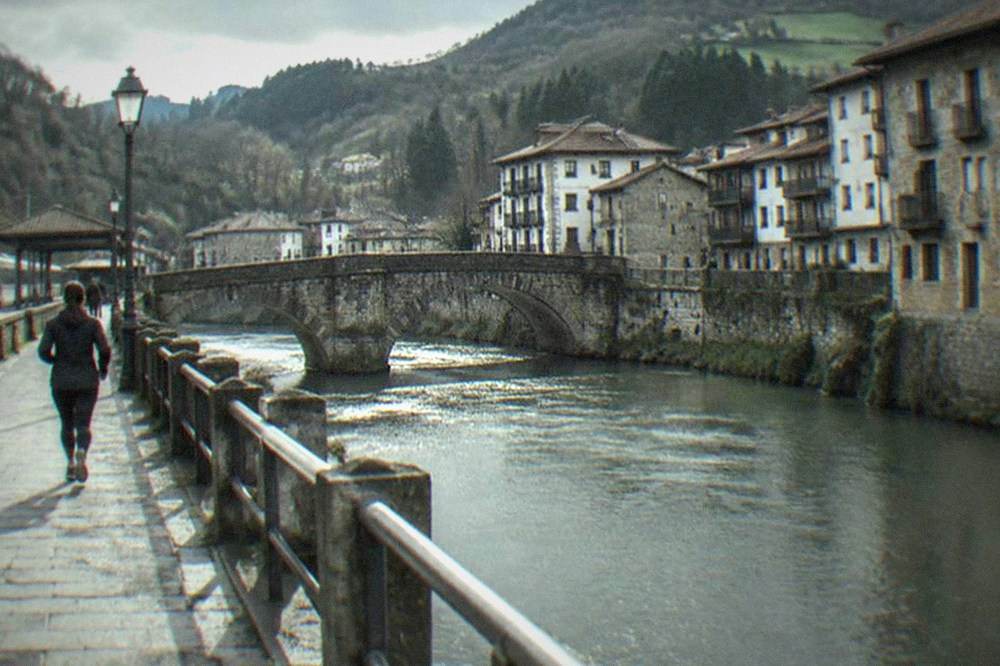
A day in Balmaseda is built around a slow loop of the medieval old quarter, starting at the stone bridge over the Kadagua river, taking in the town's Gothic and later churches, walking the narrow streets of the historic core, and finishing with a long set-menu lunch at a local restaurant, with the whole circuit on foot because the town is small enough that no other transport is needed inside it. There is no ticketed headline attraction; the town itself is the attraction.
Start at the bridge, which is the town's emblem and its oldest structure, and spend your first hour simply walking the grid of streets around it. The churches are the main architectural stops, and the town's museums and heritage sites, where open, cover the local Holy Week traditions and the industrial past, though opening hours in small Bizkaia towns are limited and seasonal, so check locally on arrival rather than building an itinerary around them. The honest framing: Balmaseda rewards visitors who like towns, not visitors who like checklists. The wider set of guides lives on Bilbao Travel Guide.
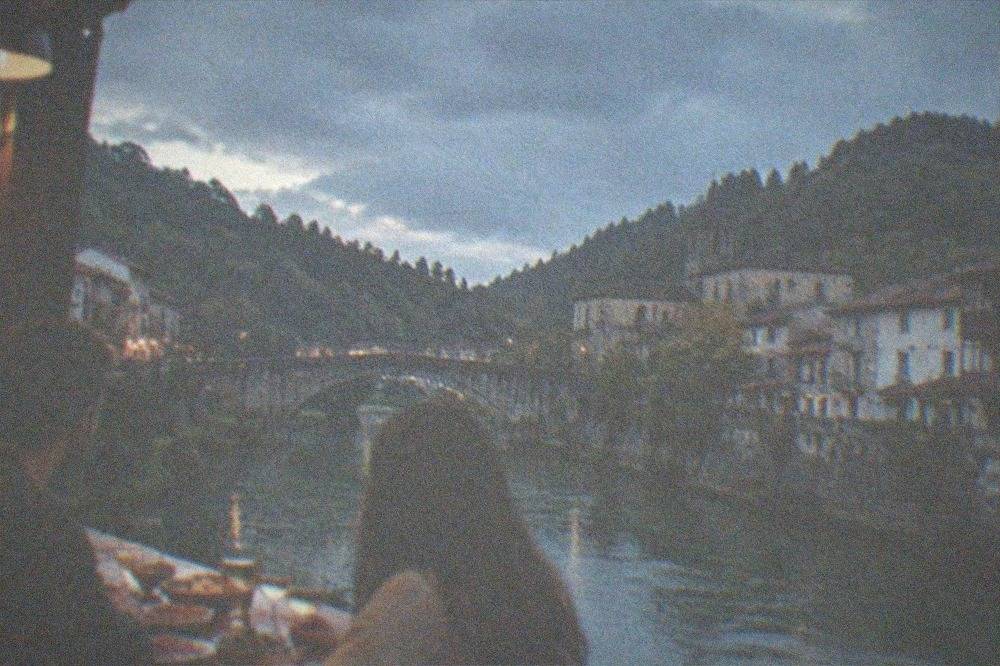
Lunch is the centrepiece of the day. Inland Bizkaia cooking leans on stews, river fish, grilled meats and the produce of the surrounding valleys, and a small-town menú del día here is one of the better value meals in the region. If you want the guided version of Basque food culture instead, the food tours in the picks below run in Bilbao itself, where the best pintxos scene is concentrated, and they make a strong evening pairing after an independent morning in Balmaseda.
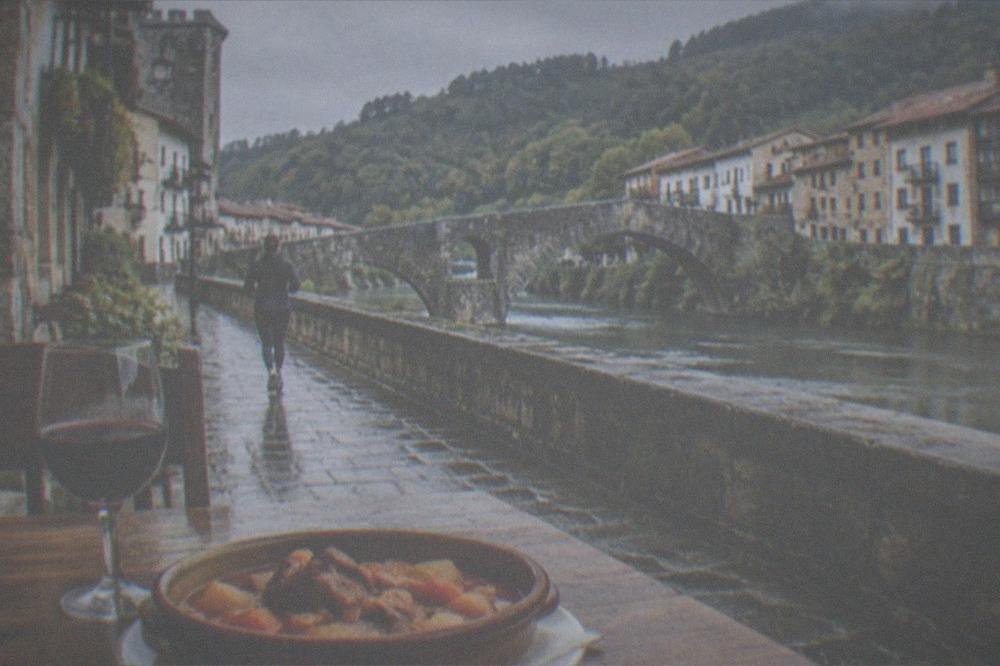
Afternoon options depend on energy and season. The valley around the town is walking country, and the same rail line that brought you there continues west deeper into Bizkaia, which makes a two-town day possible for confident travellers. A slower pace, though, brings more reward: a second coffee in the plaza, a last loop of the lanes, and an unhurried return to Bilbao in time for evening pintxos. That rhythm, town in the morning, city at night, is the version of this trip that works for most people.
Is Balmaseda A Good Day Trip Compared With Bilbao's Other Options?
Balmaseda is a good day trip for a second or third Bilbao day, especially for travellers who have already done the coast at Gaztelugatxe or Mundaka and want an inland, low-cost, low-crowd alternative, but it is not the best first day trip from the city, because it lacks the single dramatic sight that makes the coastal and museum-based options the standard first choice for most visitors. Its niche is depth and quiet, not spectacle.
The comparison that matters is against the province's headline trips. Gaztelugatxe, the hermitage on its rocky islet, requires a free timed reservation only on official controlled-access days, roughly mid-June to about 20 September plus Easter and holiday weekends, with a daily cap of 1,462 visitors on controlled days, and it is free without a reservation at other times. That is a spectacle Balmaseda cannot match. Similarly, the Rioja wine day trip offers winery visits and tastings, and Vitoria-Gasteiz offers a full historic city. Balmaseda's advantage over all of them is cost and calm: it is the trip you take when you want a Basque town to yourself.
| Bilbao day trip | Character | Best for |
|---|---|---|
| Balmaseda | Inland medieval town, valley walking | Quiet half-day, low cost, second or third trip |
| Gaztelugatxe | Coastal hermitage islet, dramatic scenery | First-time visitors wanting the iconic sight |
| San Sebastián | Big city, beaches, pintxos capital | Full-day food and city trip |
| Getxo and Vizcaya Bridge | Estuary mouth, UNESCO transporter bridge | Short half-day, easy metro reach |
| Rioja wine region | Wineries and tasting rooms | Wine-focused full-day trip |
For travellers who would rather not self-navigate the region at all, guided excursions cover the bigger circuits. The French Basque Country excursion below is the strongest guided option for a full-day regional sweep, while the two city tours in the trio work as Bilbao-based half-days that pair naturally with an independent Balmaseda morning.
Where Does Balmaseda Fit In A Wider Basque Country Itinerary?
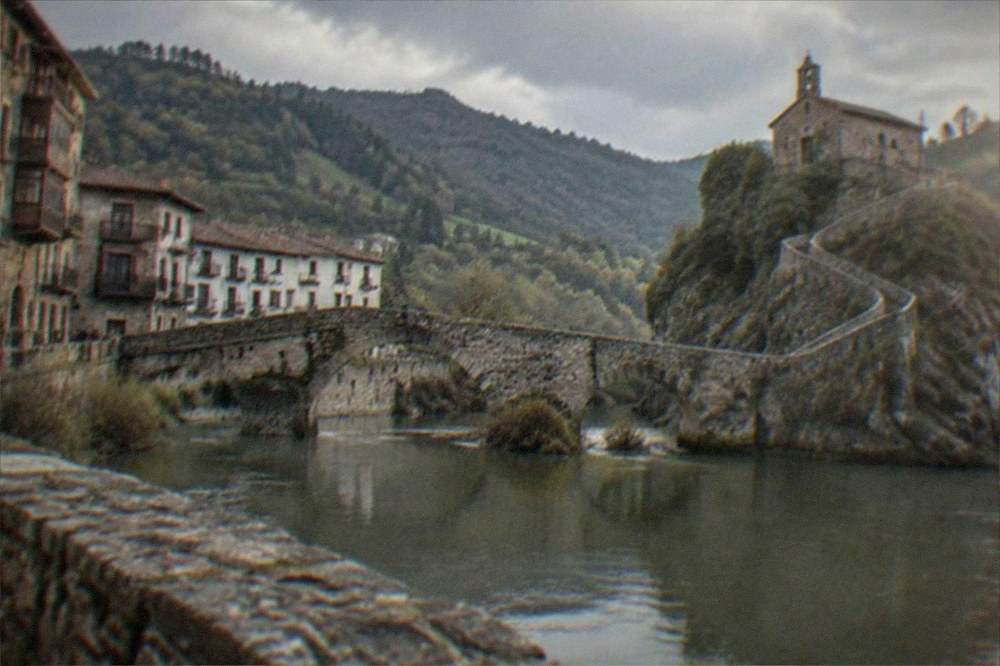
Balmaseda fits a wider Basque Country itinerary as the inland half-day or full-day slot in a trip that otherwise balances Bilbao's city museums, one coastal day such as Gaztelugatxe or Mundaka, and one regional city such as San Sebastián or Vitoria-Gasteiz, and it is best scheduled mid-trip, once you have seen the essentials and before you are too tired for independent regional travel. It is a supporting act, and a good one.
A sensible five-day pattern from a Bilbao base looks like this: day one for the Guggenheim and the Casco Viejo, day two for the coast, day three for Balmaseda or another inland valley town, day four for a big regional excursion, and day five for the museums and pintxos you missed. Bilbao's own museum logistics matter here: the Guggenheim opens Tuesday to Sunday from 10:00 to 19:00, extended to 20:00 during Easter week and from 15 June to 13 September, and adult admission is 18 EUR, so museum days need a little planning around the closed Mondays. The Bilbao Fine Arts Museum is closed 31 August to 5 October 2026 for final renovation works and, as reported, reopens 6 October 2026 with a free entry week from 6 to 13 October, a dated detail worth checking if your trip falls in that window.
The regional rail and bus network makes multi-town days feasible, but do not overschedule. The valleys reward slow travel, and the difference between a rushed Balmaseda stop and a relaxed one is the difference between a forgettable transit town and a place you will recommend to friends. If you are choosing one inland stop, Balmaseda competes mainly with Orduna, another of Bizkaia's historic mountain towns, and the two share the same virtues of architecture, quiet and cheap food.
Should You Visit Balmaseda Self-Guided Or Take A Tour From Bilbao?
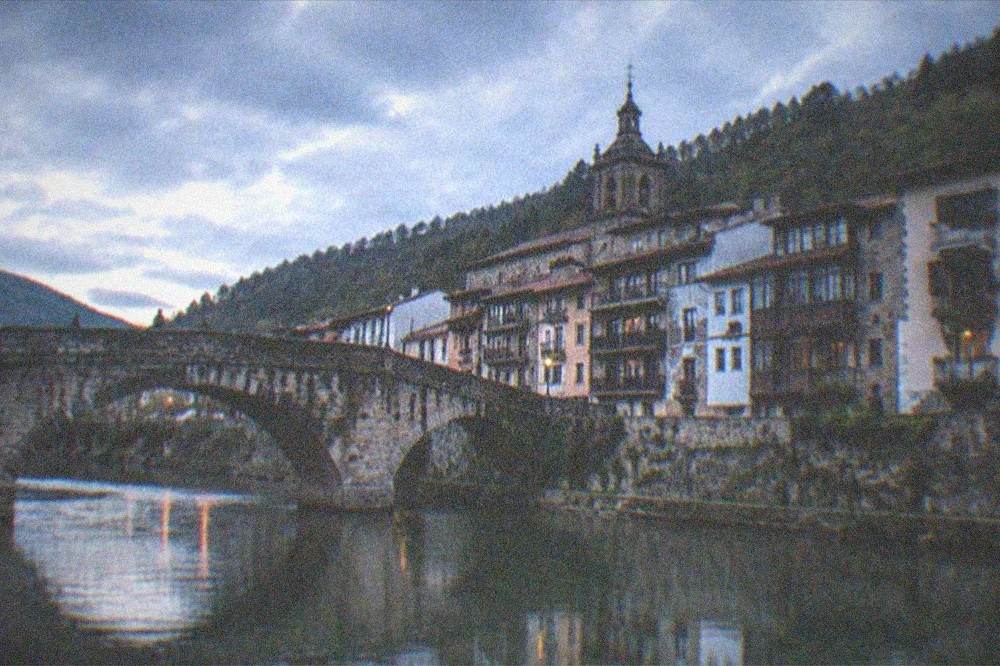
You should visit Balmaseda self-guided if you are comfortable with regional trains or buses and want a cheap, flexible half-day, because the town needs no guide and no tickets, but you should take a guided tour from Bilbao instead if your priority is the wider region's headline sights, since no standard guided tour centres on Balmaseda itself and the best excursions cover the coast, Rioja or the French Basque Country. This is the one day trip from Bilbao where independence genuinely wins on value.
The self-guided version costs a few euros in transport and whatever you spend on lunch, and it gives you full control of timing, which matters in a town whose appeal is unhurried wandering. The guided-tour budget, by contrast, buys you logistics, commentary and access to places where a car or a big circuit would otherwise be a hassle. The trio below shows the shape of the guided market: a full-day French Basque Country excursion, a Bilbao food tour, and an old town walking tour, all bookable through the operator's live listings.
For the full set of options across the region, start from the things to do in Bilbao overview and build outward. A reasonable rule of thumb: take one guided day for the region's big sights, and keep Balmaseda as your own quiet day, planned the night before with nothing more than a timetable check and a lunch recommendation.
Common Questions About Balmaseda
Where Is Balmaseda?
Balmaseda is a small inland town in Biscay (Bizkaia) province, in the Basque Country (Euskadi) of northern Spain, in the Kadagua river valley west of Bilbao. It is one of the province's oldest chartered towns.
Can You Visit Balmaseda As A Day Trip From Bilbao?
Yes. Balmaseda works as a half-day or full-day trip from Bilbao using the region's integrated public transport, and the same Barik card or Bilbao Bizkaia Card that covers your city travel applies to the regional network under the CTB zonal fare system.
What Is Balmaseda Known For?
Balmaseda is known for its medieval old quarter and stone bridge over the Kadagua river, its history in ironworking and textiles as a trading route town, and its Holy Week processions, which are among the most notable in Biscay province.
Is Balmaseda Worth Visiting Compared With Gaztelugatxe Or San Sebastian?
It depends on your trip length. For a first visit to the Basque Country, the coastal sights and bigger cities come first. Balmaseda is a strong second or third day trip for travellers who want a quiet, cheap, inland Basque town experience without crowds.
Do You Need A Reservation To Visit Balmaseda?
No. Balmaseda is a living town with no entry reservation system. The free timed reservation system applies to San Juan de Gaztelugatxe on its official controlled-access days, not to Balmaseda.
What Should You Eat In Balmaseda?
Inland Bizkaia cooking leans on stews, river fish, grilled meats and local valley produce, and a traditional set-menu lunch in a small-town restaurant is the standard meal. For verified regional price context, traditional-bar pintxos commonly run 2-5 EUR per piece with drinks at 2-3.50 EUR.
Balmaseda will never top a first-time visitor's list from Bilbao, and that is precisely its value: a cheap, quiet, genuinely Basque mountain town within easy reach of the city, best taken at walking pace with a long lunch in the middle. Plan it as your depth day, keep the coastal and museum days for the guided and headline experiences, and it will be the part of your Basque trip you end up describing to friends.