What Is Frank Gehry's Most Famous Building?
Frank Gehry's most famous building is the Guggenheim Museum Bilbao in the Basque Country, Spain. Here is why the titanium museum in Bilbao became his defining work.
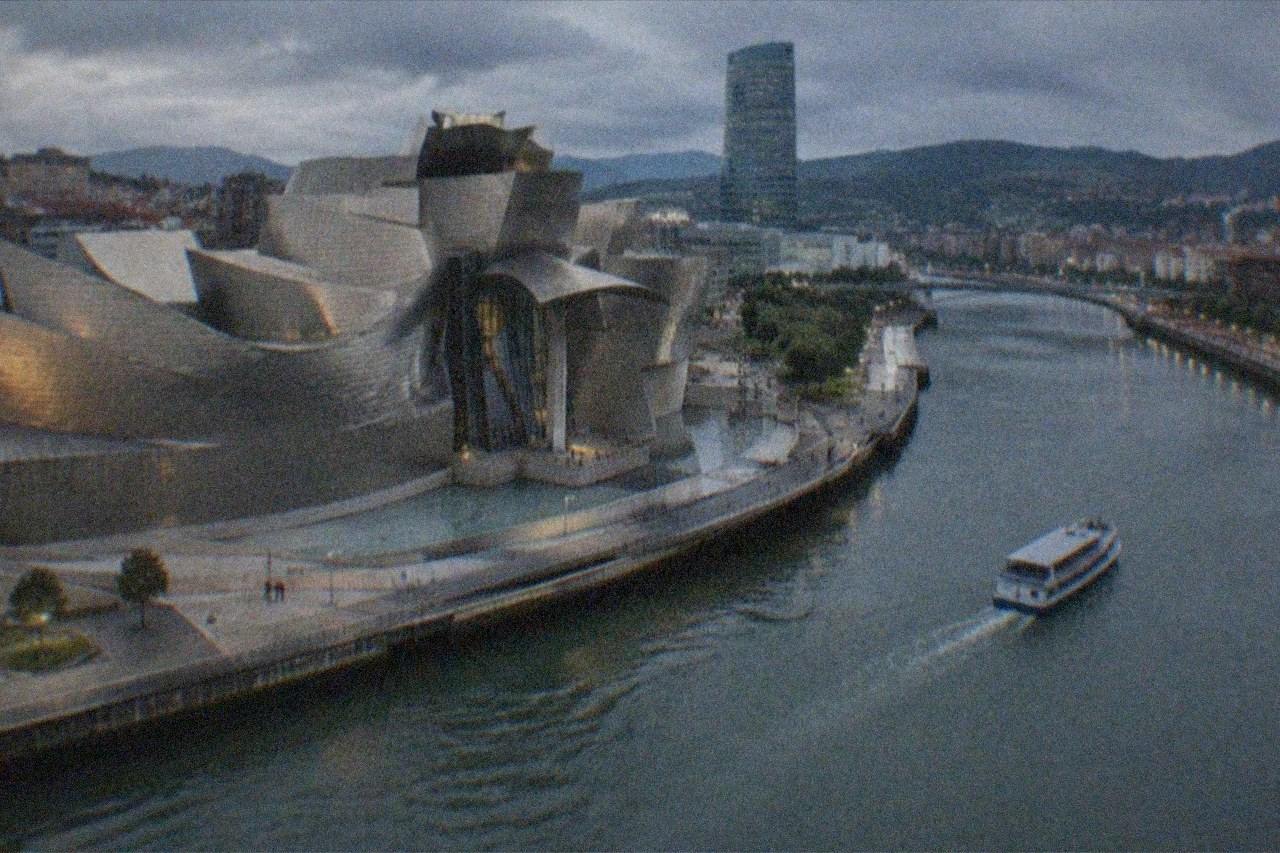
Frank Gehry's most famous building is not in Los Angeles, where he lives, and not in Paris or Prague, where his other landmarks stand. It is the Guggenheim Museum Bilbao, the titanium-clad museum that sits on the south bank of the Nervion estuary in Bilbao, the largest city of Biscay (Bizkaia) province in the Basque Country (Euskadi), northern Spain. The building became so identified with its host city that urban planners coined a phrase for the effect, the Bilbao effect, and the museum now anchors almost every first visit to the region. For more on how the city built its reputation, see why Bilbao is famous.
What Is Frank Gehry's Most Famous Building?
Frank Gehry's most famous building is the Guggenheim Museum Bilbao, a titanium-sheathed art museum on the Nervion estuary in Bilbao, in the Basque Country of northern Spain. The museum's own site lists an adult ticket at 18 EUR and opening hours of Tuesday to Sunday, 10:00 to 19:00, and the building's swirling metal curves have made it the single most photographed landmark in the city.
The Guggenheim's own hours-and-admission page gives those figures directly, and they are worth knowing because the museum is the reason many travelers book a flight to Bilbao in the first place. Gehry won the commission when Bilbao was still best known for shipbuilding decline rather than architecture, and the finished museum reframed the city's identity almost overnight. The building is roughly 15 km from the open waters of the Bay of Biscay, sitting on a tidal estuary, which is why its reflective surface changes character with the weather. Locals and guidebooks alike treat it as the city's front door.
The museum's practical details are straightforward, and the table below pulls together the figures for planning a visit.
| Detail | Figure (per the museum's own site) |
|---|---|
| Adult admission | 18 EUR |
| Students 18 to under 26 | 9 EUR |
| Seniors over 65 | 9 EUR |
| Under 18 | Free |
| Opening hours | Tuesday to Sunday, 10:00 to 19:00 |
| Extended summer hours | 10:00 to 20:00, 15 June to 13 September |
| Easter week hours | 10:00 to 20:00 |
Every ticket includes an audio guide, and reduced rates require proof at the desk. There is no regular free-entry day listed on the official page, so plan around the paid ticket unless you are under 18.
Why The Guggenheim Museum Bilbao Made Gehry A Household Name
The Guggenheim Museum Bilbao made Gehry a household name because it proved a single building could revive an entire industrial city, an effect so strong that planners now call it the Bilbao effect. The museum put Bilbao, in Spain's Basque Country, on the world architecture map, and its success turned Gehry from a respected architect into the most commissioned one of his generation.
Before the museum, Bilbao's riverfront was dominated by port and industrial land. After it, the city reoriented its tourism economy around the building. The verified numbers back this up: Bilbao Ekintza's 2025 tourism report cites 1,396,841 visitor entries and 2,723,725 overnight stays in hotels and tourist apartments combined, while Eustat's hotel-only series shows a slightly lower figure of roughly 1.2 million visitors and about 2.38 million stays. Those are two different denominators and should never be merged, but either way the volume is remarkable for a city of 346,933 residents, the population Eustat records as of 1 January 2025.
The museum also changed how people experience art. Visitors photograph the exterior as much as anything inside, and the building hosts works scaled to its architecture, including the spider sculpture that greets arrivals outside. If you want to see the building with an expert rather than on your own, a small-group guided option exists, and a food-focused walk through the city pairs well with a museum morning.
The museum sits in the Abandoibarra district, the redeveloped riverfront strip that connects the old industrial docks to the Ensanche, and the whole area rewards a slow walk. The Bilbao architecture guide covers the surrounding buildings, many of which arrived in the museum's wake.
How The Titanium Curves Of The Bilbao Guggenheim Were Built
The Guggenheim Museum Bilbao is clad in roughly curved titanium panels that Gehry chose because the estuary light makes the surface read differently through the day, and the building's free-form shapes were made possible by the aerospace software used in its design. The result is a shell of interlocking reflective forms rather than a conventional box, engineered to sit beside the tidal Nervion water in Bilbao, Spain.
The titanium skin is the signature. It is thin, it catches the grey Atlantic sky and the occasional northern sunshine, and on a rainy day it can look like weather itself. The climate here matters to how the building photographs: AEMET's Bilbao Aeropuerto/Loiu station (station 1082) normals show an annual mean of 14.7 C and 1,134 mm of rain a year, a temperate oceanic pattern, not Mediterranean, so the metal is often wet and gleaming. July and August are the warmest and driest months, with means of 20.4 C and 20.9 C and 50 to 76 mm of rain respectively, while November is the wettest at about 147 mm. More of these guides are collected on Bilbao Travel Guide.
Inside, the galleries abandon right angles for the most part, and the largest hall was designed for monumental contemporary installations. The museum is fully wheelchair accessible, with two dedicated accessible entrances, one via the main facade and one via the riverside ramp, loaner wheelchairs at the coatroom and accessible restrooms throughout, according to the museum's own accessibility information.
A film connection adds to the fame. The building has appeared on screen more than once, and the movie filmed in the Guggenheim page covers that story in detail.
Should You See The Bilbao Guggenheim With A Guide?
A guided visit to the Guggenheim Museum Bilbao is worth it for travelers who want the building's story told rather than just the art on the walls, because the architecture is the headline exhibit and a guide explains details that are easy to miss. Independent entry suits repeat visitors and anyone short on time, since the museum's own layout is easy to follow with the included audio guide.
The trade-off is simple. A guided small-group tour adds context on Gehry's design decisions and the city's transformation, while a standard entry ticket lets you move at your own pace. Both are bookable, and a VIP small-group experience with an expert guide is one of the most popular formats.
Whatever you choose, book ahead in the July and August peak, when extended opening hours apply from 15 June to 13 September and the ticket desks close 30 minutes before the museum itself.
Which Other Gehry Buildings Come Close To Bilbao's Fame
Gehry's other landmarks, including the Walt Disney Concert Hall in Los Angeles, the Dancing House in Prague and the Fondation Louis Vuitton in Paris, are celebrated, but none matches the Bilbao museum's cultural weight. The Guggenheim Museum Bilbao remains the reference point critics reach for first, and it is the one building of his that renamed an entire urban phenomenon after its host city.
That is an unusual achievement. Architects often have a signature style, but rarely does one project generate a planning term. The Bilbao effect, shorthand for museum-led urban regeneration, is cited in city halls and business schools far beyond Spain, and it is the reason so many mid-sized cities commissioned bold cultural buildings in the decades after.
For visitors, the comparison is practical rather than academic. If you have seen the Los Angeles concert hall, the Bilbao museum is the larger and more radical sibling. If you have only seen photographs, the building is bigger and softer in person than expected, and the way it meets the water surprises people who assumed it was a standalone object. The Guggenheim Museum Bilbao attraction page has the full visitor rundown.
A second table puts the museum in its city context, using verified Bilbao figures.
| Bilbao fact | Verified figure |
|---|---|
| Population (1 January 2025, Eustat) | 346,933 |
| Annual mean temperature (AEMET station 1082) | 14.7 C |
| Annual rainfall (AEMET station 1082) | 1,134 mm |
| Warmest month | August, 20.9 C mean |
| Wettest month | November, about 147 mm |
| Distance from the Bay of Biscay | roughly 15 km |
How The Guggenheim Fits Into A Bilbao Visit Today
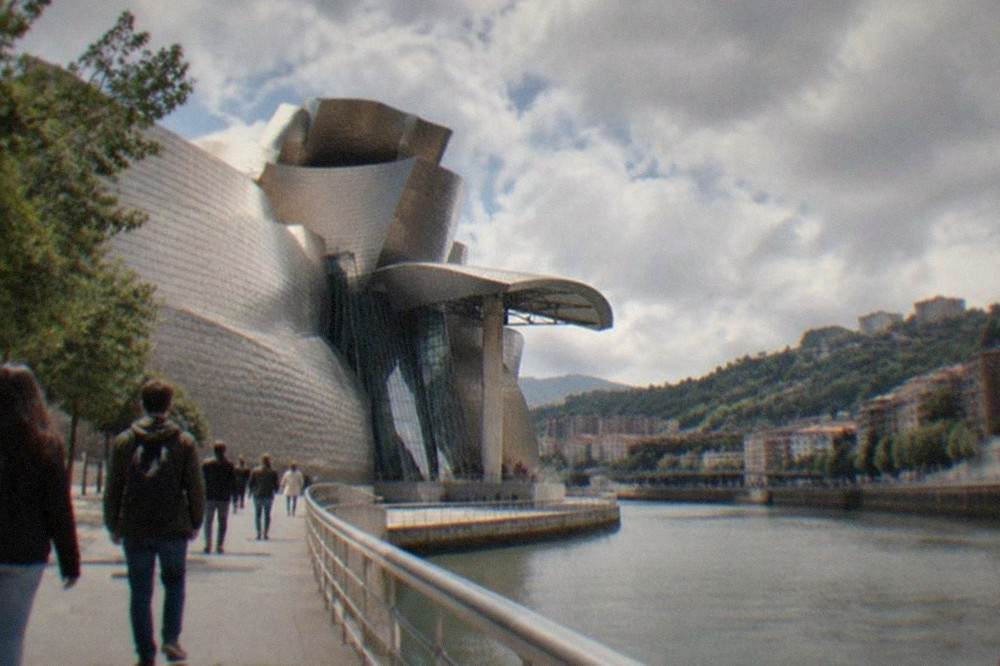
The Guggenheim Museum Bilbao anchors most itineraries because it sits on the riverfront between the Casco Viejo and the Ensanche, so a first day in Bilbao typically pairs the museum with the Old Town's Seven Streets and an evening pintxos crawl. Two or three days is the comfortable length for the city itself, with day trips to the Basque coast filling anything longer.
The museum's position makes routing easy. It faces the estuary, the Zubizuri and La Salve bridges cross nearby, and the Casco Viejo, the Old Town, is a pleasant walk upstream. The Casco Viejo area guide covers the Seven Streets, Plaza Nueva and the Ribera Market, the classic pre- or post-museum stroll. Entry is timed and ticketed, so a morning museum slot followed by an afternoon in the Old Town is the standard pattern.
Food is the other half of the Bilbao day. Pintxos bars cluster in the Old Town and the Ensanche, and a guided food walk is one of the most reliable ways to find the good ones. The tour below is the related pick for this page, a Basque food and wine tasting walk with a guide.
If you want to book it directly, Check availability on the operator's live listing.
One planning note for 2027 travelers: a regional tourist tax approved under Norma Foral 3/2026 takes effect across Bizkaia on 1 January 2027, with Bilbao's own approved rates running from 1 EUR per night at pensions to 5 EUR at five-star hotels and 6.50 EUR for tourist apartments. Visitors in 2026 pay no tourist tax, so the timing of a trip now has a small, dated cost difference.
Beyond the museum and the dinner table, the region rewards the extra day. The Basque coast, the Vizcaya Bridge at Portugalete and the hermitage of San Juan de Gaztelugatxe are all reachable as day trips, and several guided options bundle the highlights with a local driver-guide so you skip the rural bus timetables. The trio below collects the formats that pair best with a museum-focused city stay.
Common Questions About Frank Gehry's Most Famous Building
What is Frank Gehry's most famous building?
Frank Gehry's most famous building is the Guggenheim Museum Bilbao, the titanium-clad art museum on the Nervion estuary in Bilbao, in the Basque Country of northern Spain. Its success in reviving the city gave planners the term the Bilbao effect.
Can you visit the Guggenheim Museum Bilbao?
Yes. The museum's own site lists Tuesday to Sunday hours from 10:00 to 19:00, extended to 20:00 during Easter week and from 15 June to 13 September, with an adult ticket at 18 EUR. Every ticket includes an audio guide.
Why is the Bilbao Guggenheim covered in titanium?
Gehry chose thin titanium panels so the building's surface reflects the changing estuary light and weather. Bilbao's temperate oceanic climate, with 1,134 mm of rain a year per AEMET's station 1082 normals, keeps the metal gleaming much of the time.
Is the Guggenheim Museum Bilbao accessible?
Yes. The museum's own accessibility information describes two dedicated accessible entrances, large elevators between floors, loaner wheelchairs at the coatroom, accessible restrooms and a disability discount with proof.
How long should you spend at the Guggenheim Museum Bilbao?
A typical visit lasts about two to three hours, combining the galleries with time outside photographing the building. The museum's riverside setting in Abandoibarra makes it easy to extend the visit into a walk along the estuary afterward.
What else should you see in Bilbao besides the Guggenheim?
The Casco Viejo's Seven Streets, Plaza Nueva, the Ribera Market and the riverside architecture of Abandoibarra fill a first day easily, and the city's pintxos bars carry the evening. Two or three days is a comfortable length for Bilbao itself.
The short answer stands: when people ask what Frank Gehry's most famous building is, the answer is the Guggenheim Museum Bilbao, and the building repays a visit in any season, rain or shine, on the estuary in northern Spain.